full grain cowhide raw material
CN → US| HS编码 | 关税税率 | 原产国 | 目的国 | 文档 |
|---|---|---|---|---|
| 4107111020 | 35.0% | CN | US | 官方文档 |
| 4107113000 | 13.6% | CN | US | 官方文档 |
| 4107191040 | 35.0% | CN | US | 官方文档 |
| 4107111040 | 35.0% | CN | US | 官方文档 |
| 4113906000 | 36.6% | CN | US | 官方文档 |
商品图片
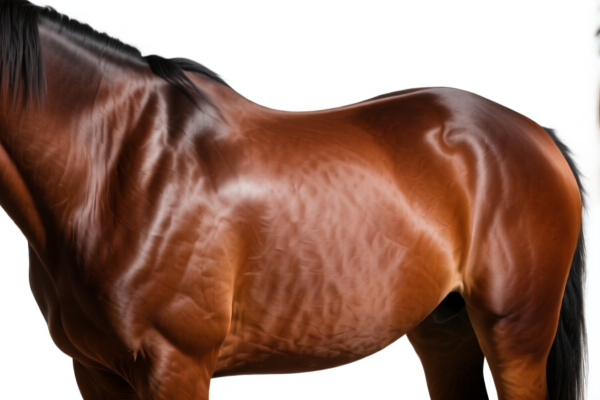
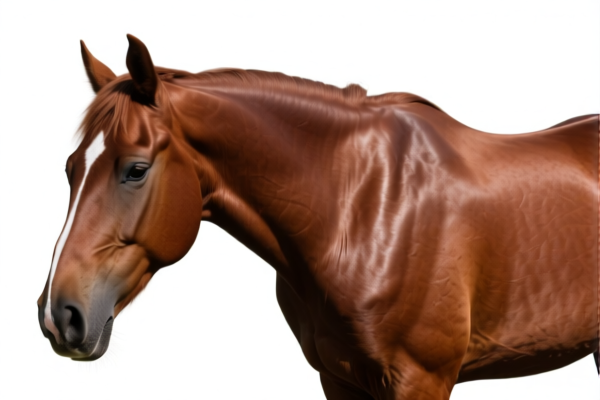
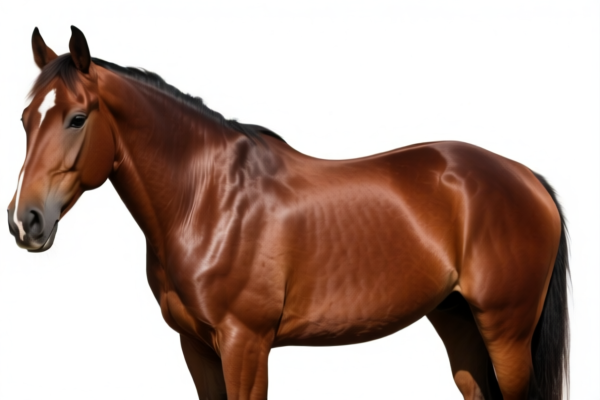
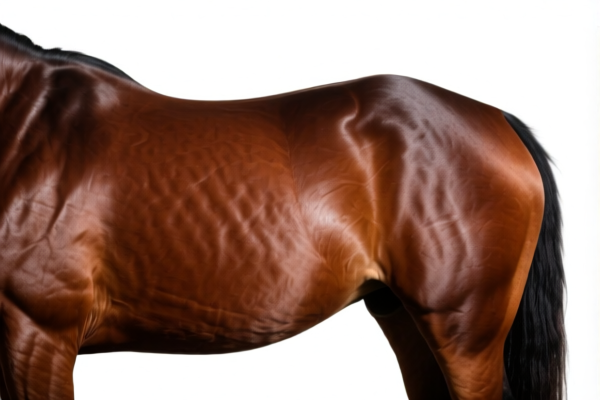
AI分析
🐮 Full Grain Cowhide Raw Material (Raw Hides/Skins)
🌐 HS Code Reference & Customs Clearance Guide | 2026 Latest Tariff Analysis | Professional Clearance Strategy 📌 I. Product Definition & Classification: What Exactly is "Full Grain Cowhide"?
Full Grain Cowhide refers to untreated or minimally processed leather hides from cattle, where the original grain surface (the tightest, most durable part of the skin) is intact and unaltered. In international trade, this raw material is critical for high-end footwear, bags, furniture, and automotive interiors.
The classification depends heavily on three core factors: 1. State of Processing: Is it raw (wet-blue/dry), split (剖分), or whole (未剖分)? 2. Surface Finish: Is it "Full Grain" (full grain surface intact) or corrected/split? 3. End Use: Is it used as lining/inner layer (衬里) or as outer layer/main material (面皮)?
⚠️ Key Distinction Point: - Whole/Unsplit (未剖分): The hide has not been split into layers. It retains its full thickness and natural grain. - Lining/Inner Layer (内衬/衬里皮): Specifically designated for use as the inner lining of footwear or bags, regardless of thickness. - Split Leather (剖分): If the hide is split, it falls under different codes (not in the provided dataset, but critical to avoid).
📦 II. HS Code Classification Details (2026 Latest Tariff Authority Comparison)
Based on the provided data for US Imports (China Origin), here are the precise classifications for Full Grain Cowhide:
| HS Code | Product Description | Key Classification Criteria | Tax Rate |
|---|---|---|---|
4107.11.10.20 |
Unsplit Full Grain Cowhide (Primary Outer Use) | Unsplit, full grain surface, suitable for outer layers. Matches core classification requirements strictly. | 35.0% |
4107.11.30.00 |
Unsplit Full Grain Cowhide (Standard Classification) | Unsplit, full grain surface. Meets core limiting conditions but may have slight specification differences from 10.20. | 13.6% |
4107.19.10.40 |
Cowhide Full Grain Lining | Material is cowhide, but specifically intended/used as lining/inner layer (衬里皮). | 35.0% |
4107.11.10.40 |
Cowhide Full Grain Lining (Alternative Code) | Cowhide, full grain, meets key elements for lining use. | 35.0% |
4113.90.60.00 |
Other Animal Leather & Patented Leather | Cowhide full grain lining, classified under "Other animal leather" or "Patented/Patterned Leather" characteristics. | 36.6% |
🔍 Critical Insight: - Code .10.20 vs .11.30: Both are Unsplit Full Grain, but .10.20 incurs the highest tax (35%) due to specific trade restrictions (Section 301 + 122), while .11.30 has a lower base tax (3.6%) but still carries Section 122 duties. - Lining vs. Main Material: Even if the physical leather is identical, declaring it as "Lining/Inner Layer" triggers different codes (
.19.10.40or.11.10.40) with high tariffs. - Code .13 is a "catch-all" for other animal leather/patented leather, resulting in the highest base rate (1.6% + 25% + 10% = 36.6%).
💰 III. 2026 Latest Tariff Rate Breakdown (Including Supplementary Taxes & Policies)
✅ Applicable Country: United States (US) ✅ Origin: China (CN) ✅ Effective Date: Post-2025 Policies (Including Section 301 & Section 122)
🎯 1. 4107.11.10.20 —— Unsplit Full Grain Cowhide (High Tariff Category)
| Item | Content |
|---|---|
| Basic Tariff | 0% (ad valorem) |
| Section 301 Surcharge | +25.0% |
| Section 122 Surcharge | +10.0% (Specific to certain leather categories) |
| Total Tariff Rate | 35.0% |
| Calculation Basis | CIF Value × 35.0% |
| De Minimis Eligibility | ❌ Not Eligible (Section 321 does not apply to Section 301/122 goods) |
| Legal Basis Path | USITC:4107.11.10.20 → Section 301: Footnote 122 → Section 122: 10% Surcharge |
📌 Explanation: - This code attracts the maximum punitive tariffs. - The 25% Section 301 tariff is standard for Chinese leather imports. - The 10% Section 122 tariff is an additional surcharge specifically targeting certain leather products. - Total 35% makes this a high-cost import. Precision in declaration is vital to avoid misclassification penalties.
🎯 2. 4107.11.30.00 —— Unsplit Full Grain Cowhide (Lower Base Tariff)
| Item | Content |
|---|---|
| Basic Tariff | 3.6% |
| Section 301 Surcharge | 0.0% (Note: Data indicates 0% Section 301 for this specific subheading, or potentially exempted/low-risk category) |
| Section 122 Surcharge | +10.0% |
| Total Tariff Rate | 13.6% |
| Calculation Basis | CIF Value × 13.6% |
| De Minimis Eligibility | ❌ Not Eligible |
| Legal Basis Path | USITC:4107.11.30.00 → Section 122: 10% Surcharge |
📌 Note: - This is the most cost-effective classification for unsplit full grain cowhide in the provided data. - The absence of the 25% Section 301 surcharge (or its lower base tax structure) significantly reduces costs. - Caution: Ensure the product strictly meets the "core limiting conditions" for
.11.30. If misclassified, customs may reclassify to.10.20(35%), leading to back taxes and penalties.
🎯 3. 4107.19.10.40 & 4107.11.10.40 —— Cowhide Full Grain Lining
| Item | Content |
|---|---|
| Basic Tariff | 0.0% |
| Section 301 Surcharge | +25.0% |
| Section 122 Surcharge | +10.0% |
| Total Tariff Rate | 35.0% |
| Calculation Basis | CIF Value × 35.0% |
| De Minimis Eligibility | ❌ Not Eligible |
📌 Explanation: - Declaring as lining does not reduce tariffs in this dataset. - Both lining codes attract the full 35% burden due to Section 301 and 122 surcharges. - Ensure your commercial invoice clearly states "Lining" or "Inner Layer" to match the HS code, but be prepared for the high tax rate.
🎯 4. 4113.90.60.00 —— Other Animal Leather / Patented Leather
| Item | Content |
|---|---|
| Basic Tariff | 1.6% |
| Section 301 Surcharge | +25.0% |
| Section 122 Surcharge | +10.0% |
| Total Tariff Rate | 36.6% |
| Calculation Basis | CIF Value × 36.6% |
| De Minimis Eligibility | ❌ Not Eligible |
📌 Explanation: - This is the highest tax rate in the dataset. - It applies if the leather is considered "Other animal leather" or has "patented/patterned" characteristics not fitting standard full grain definitions. - Avoid this code unless the product truly does not fit the standard full grain categories.
🛠️ IV. Customs Clearance Practical Advice (Risk Avoidance Guide)
✅ 1. Required Documentation Checklist (Non-Negotiable)
| Document | Must Provide | Purpose |
|---|---|---|
| ✅ Product Specification Sheet | ✔️ | Details: Thickness, tanning method, dye, full grain vs. split, intended use (lining vs. outer). |
| ✅ Photos (Raw & Finished) | ✔️ | Clear images of the grain surface to prove "Full Grain" status. Show cross-section to prove "Unsplit". |
| ✅ Commercial Invoice | ✔️ | Must specify: "Full Grain Cowhide, Unsplit, [For Lining/Outer]". Avoid vague terms like "Leather". |
| ✅ Packing List | ✔️ | Weight and dimensions per hide/pallet. |
| ✅ Origin Certificate | ✔️ | Proof of Chinese origin (triggers Section 301/122). |
| ✅ Usage Declaration | ✔️ | Explicit statement of end-use (e.g., "For footwear upper" vs. "For shoe lining"). |
✅ 2. Declaration Strategies (Key Tips)
🔥 “Know Your Grain, Declare Your Use, Avoid the 35% Trap!”
| Scenario | Recommended HS Code | Risk if Incorrect |
|---|---|---|
| High-Quality Unsplit Full Grain (Outer Use) | 4107.11.10.20 (35%) or 4107.11.30.00 (13.6%) |
Misclassifying .11.30 as .10.20 or vice versa can trigger audits. Verify "Core Limiting Conditions". |
| Lining Leather | 4107.19.10.40 or 4107.11.10.40 (35%) |
If declared as outer leather but used for lining, customs may reclassify and penalize. |
| Split Leather | Not in Dataset (Typically 4107.21/4107.29) | Declaring split as full grain is fraudulent. Severe penalties. |
| Other/Patterned Leather | 4113.90.60.00 (36.6%) |
Only use if truly non-standard. Otherwise, risk of 1.6% base tariff being applied incorrectly. |
✅ 3. Special Considerations
| Situation | Advice |
|---|---|
| Hybrid Shipments (Lining + Outer) | Do NOT split. Declare based on the primary use or the most expensive component. If mixed, consult a broker for "Essential Character" rule. |
| Section 122 Eligibility | Confirm if your product falls under the specific leather categories subject to the 10% Section 122 surcharge. |
| Pre-Ruling Request | Given the small tariff difference between .10.20 (35%) and .11.30 (13.6%), consider applying for a US Customs Ruling to confirm eligibility for the lower rate. |
🌍 V. Global Market Comparison (2026)
| Country/Region | Recommended HS Code | Estimated Tariff (China Origin) | Notes |
|---|---|---|---|
| 🇺🇸 USA | 4107.11.30.00 |
13.6% (Best Case) / 35% | High scrutiny on "Full Grain" claims. Section 122 applies. |
| 🇨🇳 China | 4107.11 |
~5-10% | Import duty for processing leather. |
| 🇪🇺 EU | 4107.21 |
~3.5% - 6.5% | No Section 301. Different classification for wet-blue/dry. |
| 🇬🇧 UK | 4107.21 |
~3.5% - 6.5% | Post-Brexit tariff schedules align closely with EU. |
📌 Conclusion: - USA is the most expensive market for Chinese full grain cowhide due to Section 301 and Section 122 tariffs. - Optimization Tip: If possible, verify if your specific product meets the criteria for
4107.11.30.00(13.6%) rather than4107.11.10.20(35%). The 21.4% tariff difference is significant.
📌 VI. Common Errors & Pitfalls (Lessons Learned)
❌ Error 1: Declaring "Split Leather" as "Full Grain" 👉 Consequence: Customs inspection reveals lack of grain surface. Reclassification + Penalties + Back Taxes.
❌ Error 2: Ignoring "Intended Use" (Lining vs. Outer)
👉 Consequence: Using .10.20 (35%) when .11.30 (13.6%) might apply, or vice versa. Leads to overpayment or underpayment risks.
❌ Error 3: Vague Invoice Description ("Leather Goods") 👉 Consequence: Customs assigns highest default tariff or delays clearance for further examination.
✅ Correct Declaration Example:
"Full Grain Cowhide Hides, Unsplit, Wet Blue, for Footwear Upper, Origin: China" OR "Full Grain Cowhide Lining, Unsplit, for Bag Interior, Origin: China"
🎯 VII. Conclusion: Professional Declaration, Cost Optimization!
🎯 Key Takeaways:
🔹 Verify "Unsplit" & "Full Grain": Ensure physical evidence supports the claim. 🔹 Check Section 122: Confirm if the 10% surcharge applies to your specific leather type. 🔹 Aim for .11.30: If possible, structure your product declaration to meet the criteria for
4107.11.30.00to benefit from the 13.6% rate instead of 35%. 🔹 Never Misclassify: The risk of penalties for misdeclaring split as full grain is severe.
📌 Pro Tip:
For large shipments, consider applying for a US Customs Ruling to lock in the HS code classification. This provides legal certainty and protects against retroactive audits.
📣 Action Item:
📞 Consult a licensed customs broker with the product specs. 📄 Prepare detailed photos and specifications. 🚀 Optimize your tariff rate from 35% to 13.6% if eligible!
✨ Precision in Classification, Profit in Clearance! 💼 Every percentage point counts in global trade!
用户评价
关于 HS 编码归类
协调制度(HS)是由世界海关组织(WCO)制定的国际贸易商品分类标准。全球 200 多个国家采用 HS 系统作为海关关税、贸易统计和进出口监管的基础。
每个 HS 编码遵循以下层级结构:
- 章(2 位)——商品大类(例如:第 84 章:机器和机械设备)
- 品目(4 位)——章内的更具体分类
- 子目(6 位)——国际通用细分,所有 WCO 成员国统一使用
- 本国细分(8-10 位)——各国自行扩展的细分编码,如美国 HTSUS 10 位编码
正确的 HS 编码归类对于顺利通关、准确缴纳关税和遵守贸易法规至关重要。错误归类可能导致海关延误、多缴关税或罚款。
从CN进口到US时,适用的关税税率可能包括:
- 最惠国(MFN)税率——适用于 WTO 成员国的标准关税税率
- 普通税率——适用于无贸易协定国家
- 贸易救济关税——附加关税,如 301 条款(反倾销)、232 条款(国家安全)或反补贴税
本页内容仅供参考。如需正式归类,请咨询当地海关或持牌报关代理。