full grain leather sole
CN → US| HS编码 | 关税税率 | 原产国 | 目的国 | 文档 |
|---|---|---|---|---|
| 4107111020 | 35.0% | CN | US | 官方文档 |
| 4101501091 | 17.5% | CN | US | 官方文档 |
| 4101201020 | 17.5% | CN | US | 官方文档 |
| 4104415000 | 13.3% | CN | US | 官方文档 |
| 4104411020 | 35.0% | CN | US | 官方文档 |
| 4107117090 | 15.0% | CN | US | 官方文档 |
商品图片
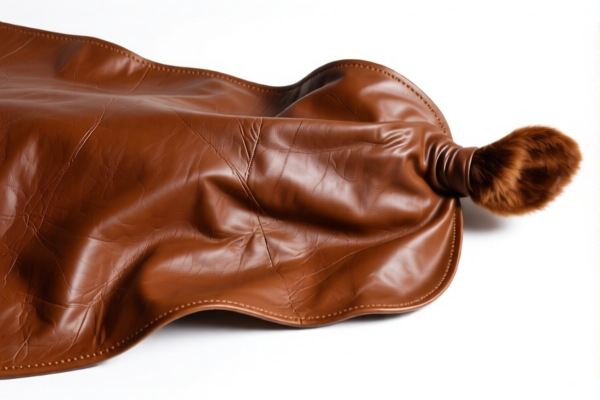
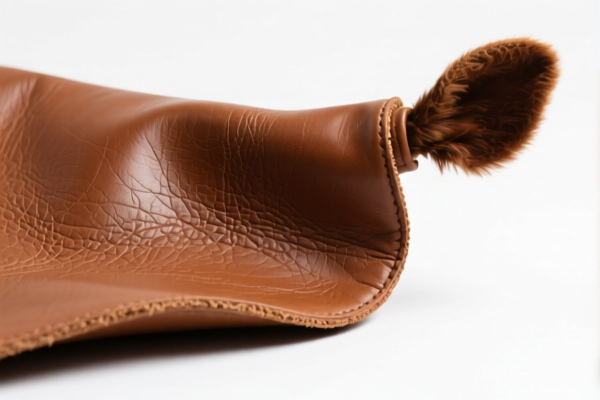
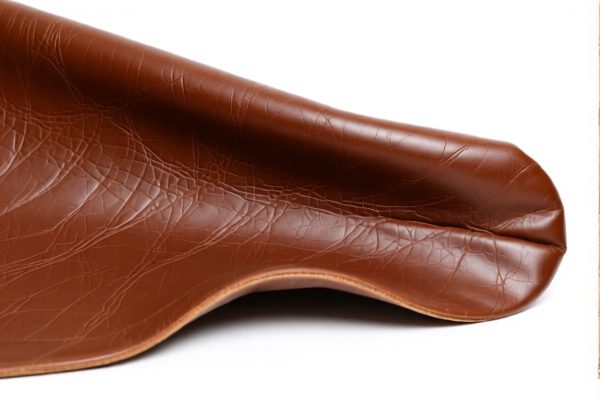
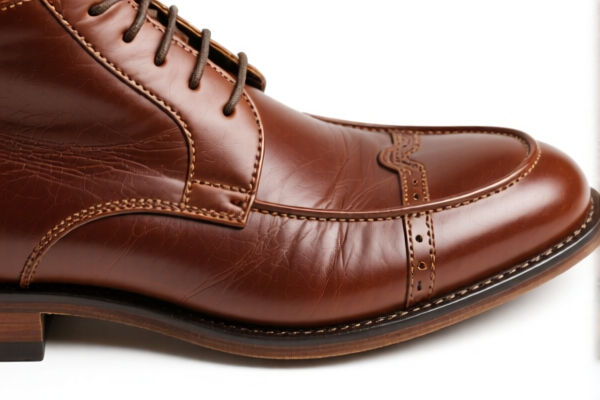
AI分析
👞 Full Grain Leather Sole (Industrial/Decorative Grade)
🌐 HS Code Reference & Customs Clearance Guide | 2026 Latest Tariff Analysis | Professional Clearance Strategy
📌 Part I: Product Definition & Classification: Do You Really Understand "Full Grain Leather"?
Full Grain Leather (FGL) represents the highest quality tier of leather, retaining the natural grain surface and the dense fiber structure of the original hide. In international trade, specifically when used as soles or in industrial/decorative applications, the classification hinges on two critical factors:
1. Material Origin: Bovine (Cattle/Horse) or Equine (Horse)?
2. Processing State: Raw (Un-tanned), Pre-tanned (Vegetable/Salt), or Fully Tanned/Finished?
⚠️ Key Distinction Point:
- If the leather is raw/un-tanned (often sold as "green hides" or slightly cured) → It falls under Chapter 41 (Raw Hides/Skins), specifically HS codes 4101 or 4107.
- If the leather is fully tanned and finished (ready for use in soles, belts, bags) → It falls under HS 4104 (Tanned Leather).
- "Full Grain" is a physical characteristic, not a processing state. However,海关 (Customs) often scrutinizes the thickness, tanning agent, and intended use (industrial vs. decorative) to determine the correct subheading.
📦 Part II: HS Code Classification Matrix (2026 Latest Tariff Concordance)
Based on the provided data, here are the specific HS Codes for Full Grain Leather soles/materials, categorized by their state and material:
| HS Code | Product Description | Applicable State/Scenario | Tax Detail Breakdown |
|---|---|---|---|
4107.11.10.20 |
Industrial Full Grain Leather (Bovine/Horse) | Tanned/Finished, Industrial Use | Base: 0%, Add-on: 25%, 122-Cl: 10% |
4107.11.50.00 |
Industrial Full Grain Leather (Decorative/Industrial) | Tanned/Finished, Decorative/General Industrial | Base: 2.8%, Add-on: 0%, 122-Cl: 10% |
4101.50.10.91 |
Full Grain Horsehide (Un-pre-tanned) | Raw/Un-tanned, Equine Origin | Base: 0%, Add-on: 7.5%, 122-Cl: 10% |
4101.20.10.20 |
Full Grain Horsehide (Raw/Green Skin) | Raw/Un-processed, Equine Origin | Base: 0%, Add-on: 7.5%, 122-Cl: 10% |
4104.41.50.00 |
Full Grain Horsehide (Tanned) | Tanned/Partially Tanned, Equine Origin | Base: 3.3%, Add-on: 0%, 122-Cl: 10% |
🔍 Critical Note:
- Codes 4101.x refer to Raw Hides/Skins (often used before final leather production).
- Codes 4107.x and 4104.x refer to Tanned Leather (the final product used for soles).
- "Sole" functionality is often inferred by the thickness and hardness, but the HS code primarily reflects the material composition and tanning status.
💰 Part III: 2026 Tariff Rate Breakdown (Including Add-on Taxes & Policy Surcharges)
✅ Applicable Country: United States (US)
✅ Origin: China (CN)
✅ Effective Date: Post-November 2025 (Current Trade War Era)
🎯 1. 4107.11.10.20 – Industrial Full Grain Leather (Bovine/Horse, Tanned)
| Item | Details |
|---|---|
| Base Tariff | 0.0% (Ad Valorem) |
| Section 301 / USITC Add-on | +25.0% (High penalty tariff for Chinese industrial goods) |
| Section 122 Tariff (IEEPA) | +10.0% (Targeted surcharge on specific Chinese textile/leather sectors) |
| Total Effective Rate | 35.0% |
| Calculation Basis | CIF Value × 35% |
| De Minimis Eligibility | ❌ No (Denied. Leather goods are strictly scrutinized.) |
| Legal Pathway | USITC:4107.11.10.20 → FOOTNOTE:301 (25%) → IEEPA:122 (10%) |
📌 Explanation:
- This is the highest tax bracket in the list.
- Despite a 0% base duty, the 25% Section 301 tariff and 10% Section 122 tariff combine to create a massive 35% cost burden.
- Why? This code likely covers heavy industrial leather or bulk hides processed in China, which are subject to strict trade barriers.
🎯 2. 4107.11.50.00 – Industrial/Decorative Full Grain Leather (Tanned)
| Item | Details |
|---|---|
| Base Tariff | 2.8% |
| Section 301 / USITC Add-on | 0.0% (Exempt or excluded from high penalties) |
| Section 122 Tariff (IEEPA) | +10.0% |
| Total Effective Rate | 12.8% |
| Calculation Basis | CIF Value × 12.8% |
| De Minimis Eligibility | ❌ No |
| Legal Pathway | USITC:4107.11.50.00 → IEEPA:122 (10%) |
📌 Explanation:
- Significantly more favorable than4107.11.10.20.
- The 0% Section 301 add-on suggests this classification may be for decorative, lighter, or specifically exempted leather products.
- Recommendation: If your "Sole" leather can be classified here (e.g., thinner, decorative grade), you save 22.2% in duties.
🎯 3. 4101.50.10.91 & 4101.20.10.20 – Raw Horsehide (Un-tanned)
| Item | Details |
|---|---|
| Base Tariff | 0.0% |
| Section 301 / USITC Add-on | +7.5% (Lower than bovine industrial leather) |
| Section 122 Tariff (IEEPA) | +10.0% |
| Total Effective Rate | 17.5% |
| Calculation Basis | CIF Value × 17.5% |
| De Minimis Eligibility | ❌ No |
| Legal Pathway | USITC:4101.xx.xx.xx → FOOTNOTE:301 (7.5%) → IEEPA:122 (10%) |
📌 Explanation:
- These codes apply if the "Sole" material is sold as Raw Horsehide (not yet tanned into finished leather).
- Often, raw hides are exported for tanning in other countries. If you are exporting finished soles, do NOT use these codes.
- The 7.5% add-on is much lower than the 25% for bovine industrial leather.
🎯 4. 4104.41.50.00 – Tanned Full Grain Horsehide
| Item | Details |
|---|---|
| Base Tariff | 3.3% |
| Section 301 / USITC Add-on | 0.0% |
| Section 122 Tariff (IEEPA) | +10.0% |
| Total Effective Rate | 13.3% |
| Calculation Basis | CIF Value × 13.3% |
| De Minimis Eligibility | ❌ No |
| Legal Pathway | USITC:4104.41.50.00 → IEEPA:122 (10%) |
📌 Explanation:
- This is the most cost-effective option for finished, tanned horsehide leather soles.
- Why is it so low? Equine hides often have different trade restrictions compared to bovine hides. If your sole is made from horse leather and is tanned, this is likely your best classification.
🛠️ Part IV: Customs Clearance Practical Advice (Pitfall Avoidance Guide)
✅ 1. Essential Documentation Checklist
| Document | Required? | Why? |
|---|---|---|
| ✅ Product Specification Sheet | ✔️ | Must detail: Material (Horse/Cow), Tanning Method (Vegetal/Chrome), Thickness, Surface Finish (Full Grain) |
| ✅ Tanning Certificate | ✔️ | Crucial to distinguish between Raw (4101) and Tanned (4104/4107). Incorrect classification leads to fines. |
| ✅ Commercial Invoice | ✔️ | Clearly state: "Full Grain Leather, [Horse/Cow], Tanned, For Sole Use" |
| ✅ Packing List | ✔️ | Include gross/net weight. Leather is heavy; accurate weight is critical for duty calculation. |
| ✅ HS Code Pre-Ruling Request | ✔️ | Strongly Recommended. Submit samples and docs to CBP for a binding ruling before shipping. |
✅ 2. Declaration Strategy (Key Formulas)
🔥 “Raw is 4101, Tanned is 4104/4107. Horse is cheaper, Cow is expensive!”
| Scenario | Correct HS Code | Mistake to Avoid |
|---|---|---|
| Finished Horsehide Sole | 4104.41.50.00 |
Misdeclaring as "Cowhide" → Tax jumps from 13.3% to 35% |
| Finished Cowhide Industrial Sole | 4107.11.10.20 |
Trying to declare as "Decorative" → Risk of audit, 25% penalty applies |
| Raw Horsehide (Green) | 4101.20.10.20 |
Declaring as "Tanned" → Misdeclaration, penalties |
| Decorative Leather (Not Sole) | 4107.11.50.00 |
Declaring as "Industrial Sole" → Higher tax bracket |
📌 Crucial Tip:
- "Full Grain" is a quality claim. Customs cares more about Animal Source and Tanning Status.
- If you claim "Horsehide", provide proof (e.g., supplier certificate) because the tax benefit (0% 301 tariff) is significant.
- If you claim "Cowhide", expect the 25% Section 301 tariff unless it falls under the specific "Decorative" subcode4107.11.50.00.
✅ 3. Special Cases & Risk Management
| Case | Handling Suggestion |
|---|---|
| Mixed Materials | If the sole has rubber/PU backing, it may be classified as Footwear (Chapter 64), not Leather (Chapter 41). Check if the leather is the essential character. |
| "Sole" vs. "Leather Material" | If sold as loose leather sheets for sole manufacturing → Use HS 4104/4107. If sold as cut soles ready to attach → May be HS 6406.10 (Parts of Footwear). Note: HS 6406 may have different duties! |
| Origin Labeling | Ensure "Made in China" is clearly marked. Mislabeling origin triggers Section 122 and 301 penalties. |
🌍 Part V: Global Market Comparison (2026)
| Country/Region | Recommended HS Code | Estimated Duty | Notes |
|---|---|---|---|
| 🇺🇸 USA | 4104.41.50.00 (Horse) |
13.3% | Lowest duty if Horsehide. 4107 at 35% is prohibitive. |
| 🇨🇳 China | 4104.41.50.00 |
Low/Exempt | Import duties on raw/semi-processed leather are often low to support domestic tanning. |
| 🇪🇺 EU | 4104.41 |
~3-7% | No Section 301/122 tariffs. Standard WTO rates apply. |
| 🇬🇧 UK | 4104.41 |
~3-7% | Post-Brexit, similar to EU but requires UK-specific certificates. |
📌 Conclusion:
- The US market is highly punitive for Chinese bovine leather but moderate for equine leather.
- Switching from Cowhide to Horsehide (if feasible) can save ~22% in duties.
- Avoid "Industrial Bovine" classification if possible; seek "Decorative" or "Equine" pathways.
📌 Part VI: Common Mistakes & Pitfalls (Blood & Tears Lessons)
❌ Mistake 1: Declaring Tanned Horsehide as Raw Horsehide (4101)
👉 Consequence: Customs may reject it as "unprocessed" if finished, or penalize for misrepresentation. Also, 4101 has a 7.5% add-on, while 4104 has 0% add-on. 4104 is better if tanned!
❌ Mistake 2: Calling Bovine Industrial Leather "Decorative" to get 4107.11.50.00
👉 Consequence: If the leather is thick, heavy, and clearly for industrial soles, CBP will reclassify it to 4107.11.10.20 → Tax jumps from 12.8% to 35%. Penalties + Back Taxes.
❌ Mistake 3: Ignoring the 122 Clause
👉 Consequence: Even if 301 tariff is 0%, the 10% Section 122 tariff applies to almost all leather imports from China. Budget for this!
❌ Mistake 4: Confusing Leather Soles with Footwear
👉 Consequence: If the sole is attached to a shoe, it’s Chapter 64. If it’s a loose leather sole blank, it’s Chapter 41. Different duties!
🎯 Part VII: Conclusion: Professional Declaration, Cost Efficiency
🎯 Remember the Formula:
🔹 "Horse Tanned (4104) = 13.3% (Best)"
🔹 "Cow Raw (4101) = 17.5% (Okay)"
🔹 "Cow Decorative (4107-50) = 12.8% (Good if Eligible)"
🔹 "Cow Industrial (4107-10) = 35.0% (Avoid!)"📌 Pro Tip:
- If you are exporting finished leather soles, confirm with your supplier if they are Horsehide or Cowhide.
- If Cowhide, request documentation that supports "Decorative" or "Lightweight" use to aim for4107.11.50.00.
- If Horsehide, ensure the tanning process is documented to justify4104.41.50.00.
📣 Immediate Action:
📞 Consult a Customs Broker: Get an Advance Ruling from CBP for your specific sole design.
📄 Verify Supplier Info: Ask for Tanning Certificate and Material Composition.
🚀 Optimize Supply Chain: Consider sourcing Horsehide or Decorative-grade Cowhide to minimize US tariffs.
✨ Professional Clearance Starts with Precise Classification!
💼 Your Every Cent of Cost, Deserves to be Accurately Calculated!
用户评价
关于 HS 编码归类
协调制度(HS)是由世界海关组织(WCO)制定的国际贸易商品分类标准。全球 200 多个国家采用 HS 系统作为海关关税、贸易统计和进出口监管的基础。
每个 HS 编码遵循以下层级结构:
- 章(2 位)——商品大类(例如:第 84 章:机器和机械设备)
- 品目(4 位)——章内的更具体分类
- 子目(6 位)——国际通用细分,所有 WCO 成员国统一使用
- 本国细分(8-10 位)——各国自行扩展的细分编码,如美国 HTSUS 10 位编码
正确的 HS 编码归类对于顺利通关、准确缴纳关税和遵守贸易法规至关重要。错误归类可能导致海关延误、多缴关税或罚款。
从CN进口到US时,适用的关税税率可能包括:
- 最惠国(MFN)税率——适用于 WTO 成员国的标准关税税率
- 普通税率——适用于无贸易协定国家
- 贸易救济关税——附加关税,如 301 条款(反倾销)、232 条款(国家安全)或反补贴税
本页内容仅供参考。如需正式归类,请咨询当地海关或持牌报关代理。