full grain leather upholstery
CN → US| HS编码 | 关税税率 | 原产国 | 目的国 | 文档 |
|---|---|---|---|---|
| 4107111020 | 35.0% | CN | US | 官方文档 |
| 4107115000 | 12.8% | CN | US | 官方文档 |
| 4101501091 | 17.5% | CN | US | 官方文档 |
| 4101201020 | 17.5% | CN | US | 官方文档 |
| 4104415000 | 13.3% | CN | US | 官方文档 |
商品图片
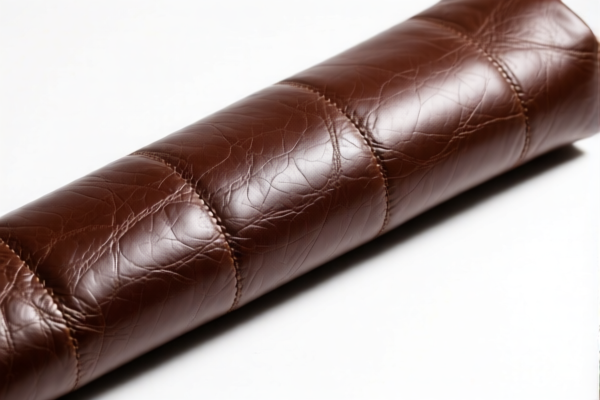
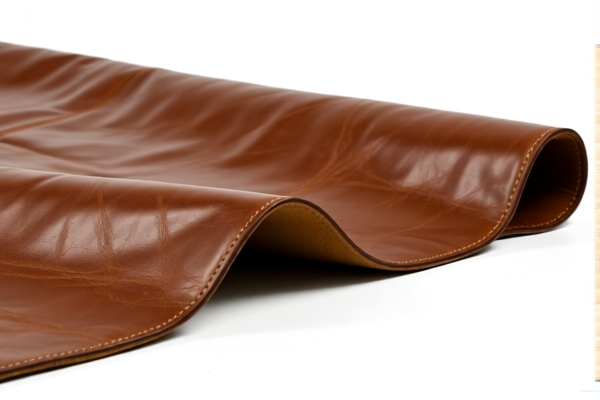
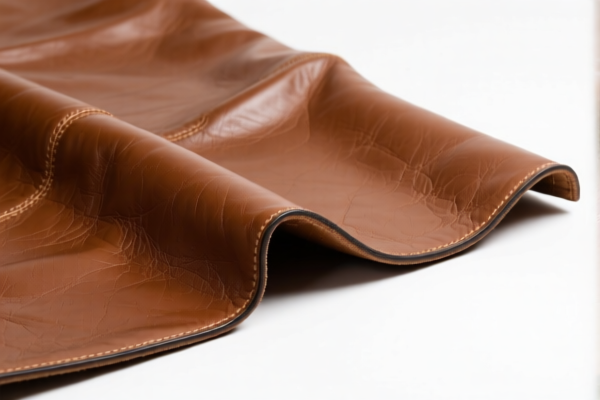
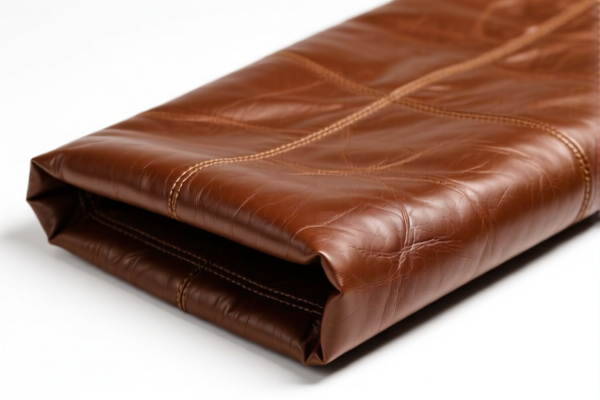
AI分析
🧵 Full Grain Leather Upholstery (Industrial Grade)
🌐 HS Code Reference & Customs Clearance Guide | 2026 Latest Tariff Analysis | Professional Compliance Strategy
📌 1. Product Definition & Classification: Do You Really Understand "Leather"?
"Full Grain Leather Upholstery" is a premium material used in high-end furniture, automotive interiors, and industrial applications. In international trade, the classification depends heavily on the animal source (Cow vs. Horse) and the processing state (Raw/Hide vs. Tanned/Ready-to-use).
⚠️ Critical Distinction:
- Raw Skins (Untanned): Classified under Chapter 41 (Headings 4101/4102). Often subject to different base duties.
- Tanned Leather (Finished): Classified under Chapter 41 (Headings 4104/4107). Subject to "Full Grain" specifications.
- Animal Specifics: Cow leather and Horse leather have distinct HS codes, which directly impact tariff structures.
📦 2. HS Code Classification Details (2026 Latest Tariff Authority Comparison)
Based on the provided data, here are the specific classifications for "Full Grain Leather Upholstery" depending on the exact material and state:
| HS Code | Product Description | Material/State | Application Scenario |
|---|---|---|---|
4107.11.10.20 |
Industrial Full Grain Leather | Cow/Horse Skin, Full Grain | Heavy-duty industrial upholstery |
4107.11.50.00 |
Industrial Full Grain Leather | Full Grain, Decorative/Industrial | Decorative furniture, interior trim |
4101.50.10.91 |
Horse Skins (Raw) | Horse Species, Untanned | Raw material for further tanning |
4101.20.10.20 |
Horse Skins (Raw) | Horse Species, Full Grain, Untanned | Raw horse hides before processing |
4104.41.50.00 |
Tanned Horse Leather | Horse Skin, Full Grain, Tanned | Finished horse leather for upholstery |
🔍 Key Reminder:
- "Full Grain" implies the outermost layer of the hide is intact, offering durability.
- "Upholstery" suggests the end-use, but customs classify based on material composition and processing stage (Raw vs. Tanned).
- Do not confuse Cow Leather (4107) with Horse Leather (4101/4104). Misclassification leads to severe penalties.
💰 3. 2026 Latest Tariff Rate Breakdown (Including Surtaxes & Policy Surcharges)
✅ Applicable Country: United States (US)
✅ Country of Origin: China (CN)
✅ Effective Time: Current tariffs apply including Section 301 and IEEPA surcharges.
🎯 1. 4107.11.10.20 – Industrial Full Grain Leather (Cow/Horse)
| Item | Content |
|---|---|
| Base Duty Rate | 0.0% |
| Section 301 Surtax | +25.0% |
| Section 122 Tariff | +10.0% |
| Total Tax Rate | 35.0% |
| Tax Calculation | CIF Value × 35% |
| De Minimis Eligibility | ❌ Not Eligible (High duty rates exclude this from low-value exemptions) |
| Legal Basis Path | Base: 0% → Sect 301: 25% → Sec 122: 10% → Total 35% |
📌 Explanation:
- This code applies to industrial-grade full grain leather (cow or horse).
- While the base duty is 0%, the Section 301 (25%) and Section 122 (10%) surcharges drive the total cost to 35%.
- Section 122 is a specific additional tariff often applied to certain leather goods to protect domestic industries.
🎯 2. 4107.11.50.00 – Industrial Full Grain Leather (Decorative/Industrial)
| Item | Content |
|---|---|
| Base Duty Rate | 2.8% |
| Section 301 Surtax | 0.0% |
| Section 122 Tariff | +10.0% |
| Total Tax Rate | 12.8% |
| Tax Calculation | CIF Value × 12.8% |
| De Minimis Eligibility | ❌ Not Eligible |
| Legal Basis Path | Base: 2.8% → Sect 301: 0% → Sec 122: 10% → Total 12.8% |
📌 Note:
- This code is for full grain leather that fits the definition of decorative/industrial use but may differ slightly in processing or specific sub-category from4107.11.10.20.
- Key Advantage: No Section 301 tariff (25%), resulting in a significantly lower total rate (12.8% vs 35%).
- Optimization Tip: Verify if your product qualifies for this lower-rate code by ensuring it meets the "Decorative/Industrial" definition strictly.
🎯 3. 4101.50.10.91 & 4101.20.10.20 – Raw Horse Skins (Untanned)
| Item | Content |
|---|---|
| Base Duty Rate | 0.0% |
| Section 301 Surtax | +7.5% |
| Section 122 Tariff | +10.0% |
| Total Tax Rate | 17.5% |
| Tax Calculation | CIF Value × 17.5% |
| De Minimis Eligibility | ❌ Not Eligible |
| Legal Basis Path | Base: 0% → Sect 301: 7.5% → Sec 122: 10% → Total 17.5% |
📌 Explanation:
- These codes apply to horse skins that are untanned (raw).
- If your "upholstery leather" is actually raw horse hides being imported for further processing, this is the correct code.
- The Section 301 surtax is lower (7.5%) compared to cow leather (4107), but it still includes the Section 122 (10%) tariff.
🎯 4. 4104.41.50.00 – Tanned Horse Leather (Full Grain)
| Item | Content |
|---|---|
| Base Duty Rate | 3.3% |
| Section 301 Surtax | 0.0% |
| Section 122 Tariff | +10.0% |
| Total Tax Rate | 13.3% |
| Tax Calculation | CIF Value × 13.3% |
| De Minimis Eligibility | ❌ Not Eligible |
| Legal Basis Path | Base: 3.3% → Sect 301: 0% → Sec 122: 10% → Total 13.3% |
📌 Note:
- This code is for finished, tanned horse leather in full grain.
- Key Advantage: No Section 301 surtax. Total rate is 13.3%.
- Comparison: Slightly higher than4107.11.50.00(12.8%), but significantly lower than4107.11.10.20(35%).
🛠️ 4. Customs Clearance Practical Advice (Real-World Pitfall Avoidance)
✅ 1. Required Documentation Checklist (Mandatory)
| Document | Must Provide | Notes |
|---|---|---|
| ✅ Product Specification Sheet | ✔️ | Must specify: Animal species (Cow/Horse), Grain type (Full Grain), Tanning process, End-use (Upholstery) |
| ✅ Photos (Clear & Detailed) | ✔️ | Show grain texture, back of hide, labeling, and any markings |
| ✅ Commercial Invoice | ✔️ | Clearly state "Full Grain Leather" and specify HS Code basis |
| ✅ Packing List | ✔️ | Detail quantity, weight, and dimensions |
| ✅ Origin Certificate (CO) | ✔️ | If applicable for any potential FTZ or preference claims |
| ✅ Tanning Certificate | ✔️ | Proof of tanning process if claiming "Tanned" status |
✅ 2. Declaration Tips (Critical Mnemonics)
🔥 "Species First, Grain Clear, Raw vs. Tanned, Avoid Heavy Duty!"
| Scenario | Correct Declaration | Incorrect Practice |
|---|---|---|
| Cow Leather, Industrial Grade | 4107.11.10.20 (35%) |
Misdeclare as Horse → Audit Risk |
| Horse Leather, Tanned, Full Grain | 4104.41.50.00 (13.3%) |
Misdeclare as Raw → Penalty |
| Horse Leather, Raw | 4101.50.10.91 (17.5%) |
Misdeclare as Tanned → Delay |
| Decorative/Industrial Leather | 4107.11.50.00 (12.8%) |
If it qualifies, use this for savings! |
📌 Key Insight:
- Cow Leather (4107) with Section 301 faces 25% surtax.
- Horse Leather (4101/4104) faces 7.5% (raw) or 0% (tanned) Section 301.
- Section 122 (10%) applies to all codes listed above.
- Optimization: If your product is Horse Leather and Tanned, use4104.41.50.00(13.3%) instead of Cow Leather (35%).
✅ 3. Special Circumstances Handling
| Situation | Handling Advice |
|---|---|
| OEM Custom Leather | Provide client order + design specs to prove end-use (Upholstery) |
| Mixed Shipments (Cow + Horse) | Separate declarations required. Do not mix HS Codes |
| Raw vs. Tanned Ambiguity | Provide tanning certificate. Customs may require lab test |
| Section 122 Exemption | Verify if any specific exemption applies (e.g., specific regional trade agreements) |
🌍 5. Global Main Market Clearance Comparison (2026 Latest)
| Country/Region | Recommended HS Code | Tariff (Approx.) | Certification Required | Notes |
|---|---|---|---|---|
| 🇺🇸 USA | 4107.11.10.20 |
35% (Cow) / 12.8% (Deco) | No specific | High Section 301 & 122 |
| 🇺🇸 USA | 4104.41.50.00 |
13.3% (Horse Tanned) | No specific | Lower surtax than Cow |
| 🇨🇳 China | 4107 / 4104 |
5-10% | CCC (if applicable) | Lower base duties |
| 🇪🇺 EU | 4107 / 4104 |
4-6% | REACH (Chemical) | No Section 301 |
| 🇬🇧 UK | 4107 / 4104 |
4-6% | REACH | Post-Brexit rules apply |
📌 Conclusion:
- USA is the most expensive market due to Section 301 and Section 122 tariffs.
- Cow Leather faces the highest burden (35%).
- Horse Leather (Tanned) offers a significant cost advantage (13.3%).
- Recommendation: If feasible, source or process Horse Leather for US export to reduce tariff costs.
📌 6. Common Mistakes & Pitfall Guide (Lessons Learned)
❌ Mistake 1: Declaring Horse Leather as Cow Leather
👉 Consequence: Incorrect HS Code → Underpayment → Penalty + Back Taxes
❌ Mistake 2: Declaring Tanned Leather as Raw Skins
👉 Consequence: Overpayment (Raw has 7.5% surtax, Tanned has 0%) → Lost Profit
❌ Mistake 3: Ignoring Section 122 Tariff
👉 Consequence: 10% surtax applied retroactively → Unexpected Costs
❌ Mistake 4: Vague Description "Leather Upholstery"
👉 Consequence: Customs cannot determine species/grain → Hold for Inspection → Delayed Delivery
✅ Correct Practice:
"Full Grain Cow Leather, Industrial Grade, Tanned, for Upholstery Use, HS Code 4107.11.10.20"
OR
"Full Grain Horse Leather, Tanned, for Upholstery Use, HS Code 4104.41.50.00"
🎯 7. Conclusion: Precision Classification Saves Money!
🎯 Remember the Rules:
🔹 "Cow = 35%, Horse Tanned = 13.3%, Raw Horse = 17.5%"
🔹 "Section 122 Always Adds 10%, But Section 301 Varies"
🔹 "Declare Species and Grain Clearly to Avoid Penalties"
📌 Pro Tip:
If you are importing Horse Leather for upholstery, prioritize Tanned Full Grain (
4104.41.50.00) to minimize Section 301 impact.
For Cow Leather, ensure your product qualifies for4107.11.50.00(12.8%) if it meets the "Decorative/Industrial" criteria, avoiding the 35% rate.
📣 Immediate Action:
📞 Consult a licensed customs broker
📄 Prepare detailed product specifications
🔍 Verify HS Code with Customs Authority for Pre-Ruling🚀 Optimize your supply chain, reduce tariff costs, and ensure smooth clearance!
✨ Professional Customs Clearance Starts with Accurate Classification!
💼 Every percentage point saved is pure profit!
用户评价
关于 HS 编码归类
协调制度(HS)是由世界海关组织(WCO)制定的国际贸易商品分类标准。全球 200 多个国家采用 HS 系统作为海关关税、贸易统计和进出口监管的基础。
每个 HS 编码遵循以下层级结构:
- 章(2 位)——商品大类(例如:第 84 章:机器和机械设备)
- 品目(4 位)——章内的更具体分类
- 子目(6 位)——国际通用细分,所有 WCO 成员国统一使用
- 本国细分(8-10 位)——各国自行扩展的细分编码,如美国 HTSUS 10 位编码
正确的 HS 编码归类对于顺利通关、准确缴纳关税和遵守贸易法规至关重要。错误归类可能导致海关延误、多缴关税或罚款。
从CN进口到US时,适用的关税税率可能包括:
- 最惠国(MFN)税率——适用于 WTO 成员国的标准关税税率
- 普通税率——适用于无贸易协定国家
- 贸易救济关税——附加关税,如 301 条款(反倾销)、232 条款(国家安全)或反补贴税
本页内容仅供参考。如需正式归类,请咨询当地海关或持牌报关代理。