fur jacket
CN → US| HS编码 | 关税税率 | 原产国 | 目的国 | 文档 |
|---|---|---|---|---|
| 4203104030 | 41.0% | CN | US | 官方文档 |
| 4203104060 | 41.0% | CN | US | 官方文档 |
| 4107117040 | 15.0% | CN | US | 官方文档 |
| 4107127040 | 15.0% | CN | US | 官方文档 |
商品图片
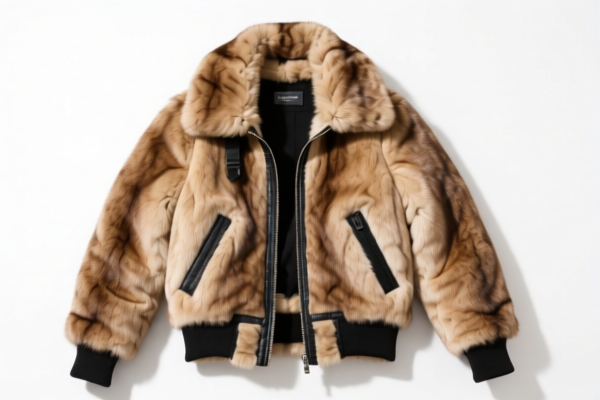
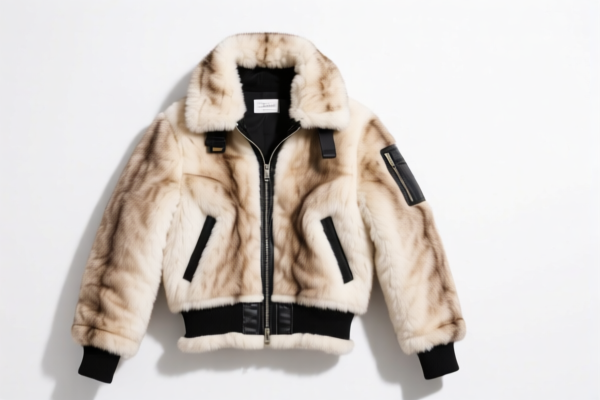
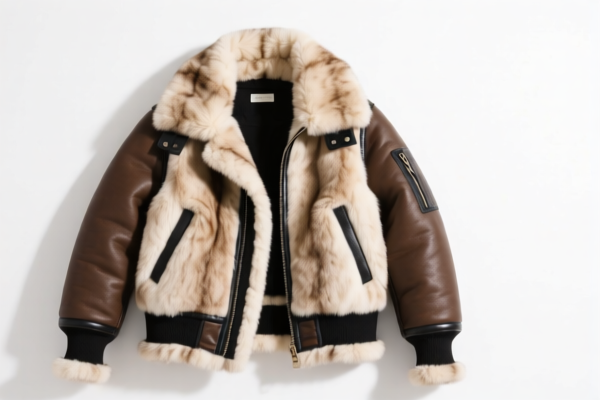
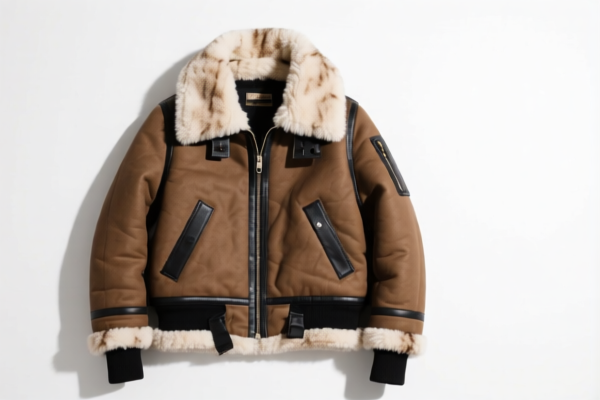
AI分析
🧥 Fur Jacket (Leather & Fur Outerwear)
🌐 HS Code Reference & Customs Clearance Guide | 2026 Latest Tariff Analysis | Professional Compliance Strategy
📌 I. Product Definition & Classification: What Exactly Is a "Fur Jacket"?
In international trade, "Fur Jacket" is a broad term that can refer to two distinct categories depending on the material and construction. Misclassification is the most common cause of customs delays and penalty fines for this product.
1. Genuine Leather Outerwear (Leather Coats/Jackets):
Jackets where the primary visible surface is leather (cow, sheep, goat, etc.). Even if lined with fur or faux fur, if the outer shell is leather, it falls under Chapter 42.
2. Fur Garments (Real Fur):
Jackets made primarily from animal fur skins (e.g., mink, fox, rabbit). These often fall under different HS codes depending on whether they are "dressed fur skins" or "articles of fur."
⚠️ Key Distinction Point:
- If the outer material is Leather → Look at HS 4203 or 4107 (Leather Apparel).
- If the outer material is Fur Skins → Look at 4302 (Fur Articles) or 4107 (if treated as leather).
- Note: The provided data focuses heavily on Leather-based classifications (4203 & 4107). Please ensure your product is indeed Leather, not pure Fur, to match these codes.
📦 II. HS Code Classification Details (2026 Latest Tariff Alignment)
Based on the provided data, here are the specific classifications for Leather Outerwear intended for the US market (implied by the "122 Clause" and "Additional Duties").
| HS Code | Product Description | Key Features | Target Audience / Use |
|---|---|---|---|
4203.10.40.30 |
Leather Outerwear | Material: Leather; Form: Jacket/Coat | General Outerwear |
4203.10.40.60 |
Leather Outerwear | Material: Leather; Form: Jacket/Coat | Specific Category: "Others" (Non-standard/Other) |
4107.11.70.40 |
Leather Apparel | Material: Leather; Use: Clothing | General Clothing |
4107.12.70.40 |
Leather Apparel | Material: Leather; Use: Clothing | General Clothing |
🔍 Crucial Clarification:
- Chapter 42 (4203): Specifically covers "Articles of apparel and clothing accessories, of leather or composition leather." This is the most accurate chapter for finished leather jackets. - Chapter 41 (4107): Covers "Leather (other than fur-skin) and pieces thereof, other than those of heading 41.06; worked leather." While4107can cover leather apparel,4203is often preferred for ready-made garments. However, if the customs authority classifies it as "worked leather articles,"4107may apply. - Why two codes for similar items?4203.10.40.30vs4203.10.40.60often depends on specific sub-category definitions in the HTSUS (Harmonized Tariff Schedule of the United States) regarding style, type of leather, or specific regulatory exemptions.4107codes may be used for certain types of dressed leather intended for clothing.
💰 III. 2026 Latest Tariff Rate Breakdown (Including Additional Duties)
✅ Applicable Country: United States (US)
✅ Origin: China (CN)
✅ Effective Time: Current rates apply (post-2025 adjustments)
🎯 1. Category A: 4203.10.40.30 & 4203.10.40.60
Product: Leather Outerwear (Jackets/Coats)
Total Tax Rate: 41.0%
| Item | Content |
|---|---|
| Base MFN Duty | 6.0% |
| Section 301 Additional Duty | 25.0% |
| Section 122 Duty (IEEPA) | 10.0% |
| Total Effective Rate | 41.0% |
| Tax Calculation | CIF Value × 41.0% |
| De Minimis Eligibility | ❌ No (Section 321 de minimis does not apply to goods subject to Section 301 or IEEPA duties) |
| Legal Basis Path | USITC:4203.10.40.30 → Section 301 Footnote → IEEPA 122 Clause |
📌 Explanation:
- The 6% Base Duty is the standard Most Favored Nation (MFN) rate for leather apparel from China. - The 25% Additional Duty is imposed under Section 301 of the Trade Act of 1974, targeting specific Chinese imports. - The 10% Additional Duty is imposed under Section 122 of the Trade Expansion Act of 1962 (often administered via IEEPA authorities for national security/economic reasons). - Total 41% is a significant cost barrier. Accuracy in description is vital to avoid under-declaration penalties.
🎯 2. Category B: 4107.11.70.40 & 4107.12.70.40
Product: Leather Apparel (Clothing)
Total Tax Rate: 15.0%
| Item | Content |
|---|---|
| Base MFN Duty | 5.0% |
| Section 301 Additional Duty | 0.0% |
| Section 122 Duty (IEEPA) | 10.0% |
| Total Effective Rate | 15.0% |
| Tax Calculation | CIF Value × 15.0% |
| De Minimis Eligibility | ❌ No (Section 122 duties still apply) |
| Legal Basis Path | USITC:4107.11.70.40 → IEEPA 122 Clause |
📌 Explanation:
- This category offers a significant savings of 26% compared to the4203codes. - The Base Duty is lower (5% vs 6%). - Most importantly, these specific sub-headings under 4107 are exempt from the 25% Section 301 tariff. - However, the 10% Section 122 duty still applies, resulting in a total of 15%. - Strategic Note: If your product qualifies for4107(e.g., if classified as "worked leather" rather than "apparel of leather"), this is the preferred clearance path. Ensure your product documentation supports this classification (e.g., specific leather treatment processes).
🛠️ IV. Customs Clearance Practical Advice (Avoid Pitfalls)
✅ 1. Essential Documentation Checklist
| Document | Required? | Notes |
|---|---|---|
| ✅ Commercial Invoice | ✔️ | Must clearly state "Leather Jacket" and specify the type of leather (e.g., Cowhide, Sheepskin). |
| ✅ Product Description | ✔️ | Detailed description: "Men's/Women's Leather Jacket, 100% Genuine Leather, Lined with Polyester/Faux Fur." |
| ✅ Material Composition Certificate | ✔️ | Crucial for distinguishing between "Leather Apparel" (4203) and "Worked Leather" (4107). |
| ✅ Photos of Product | ✔️ | Include inner lining, labels, and zippers. Helps customs verify if it's truly leather. |
| ✅ Country of Origin Certificate | ✔️ | To confirm CN origin and apply correct duty rates. |
| ✅ IEEPA/Section 301 Declaration | ✔️ | Explicitly acknowledge the 10% (and potentially 25%) duties to avoid hold-ups. |
✅ 2. Classification Strategy & Tips
🔥 "Leather vs. Fur: One Word Changes Everything!"
| Scenario | Correct HS Code Approach | Risk if Wrong |
|---|---|---|
| Outer Shell is Leather, Lining is Fur | Likely 4203.10.40.30/60 (41% Total) or 4107 (15% Total) depending on classification rule. | Misclassifying as "Fur Garment" (4302) may trigger different quotas or bans. |
| Outer Shell is Real Fur | Not covered in this data. Likely falls under 4302. Check current 4302 rates. | Using 4203 codes for real fur = Severe Penalty/Contraband. |
| Outer Shell is Synthetic/Faux Leather | Likely 6203/6204 (Synthetic Textile). Tax rate may be different. | Overpaying duty if misclassified as genuine leather. |
Key Recommendation:
- If your jacket is 100% Leather, try to argue for 4107.11/12 if the leather treatment fits the definition of "worked leather for apparel" rather than just "apparel of leather." This saves 26% in duties.
- If the jacket has significant fur trim or lining, ensure the primary characteristic is defined correctly. If the leather is the main value component, 4203/4107 applies.
✅ 3. Special Circumstances
| Situation | Handling Advice |
|---|---|
| Mixed Material Jacket (e.g., Leather sleeves, Fabric body) | Classified based on "Essential Character." If leather is >50% by value/weight, likely 4203/4107. |
| Customs Audit | Provide a physical sample or high-res photos showing the leather grain and finish. |
| Section 122 Exemption | Currently, no general exemption for the 10% IEEPA duty. Budget for this cost. |
🌍 V. Global Market Comparison (2026)
| Country/Region | Recommended HS Code (Leather Jacket) | Duty Rate (China Origin) | Key Certification |
|---|---|---|---|
| 🇺🇸 USA | 4203.10.40.30 or 4107.11.70.40 |
41% (4203) or 15% (4107) | None specific, but accurate labeling required |
| 🇪🇺 EU | 4203.21 (Leather Apparel) |
~4% (Base) + Anti-dumping? | CE (if safety gear), No specific leather ban |
| 🇨🇳 China | 4203.21 or 4107 |
~10-13% (Import Duty) | CCC (if applicable), Standard Quality Cert |
| 🇬🇧 UK | 4203.21 |
~4% (Base) | UKCA Mark (if applicable) |
📌 Conclusion:
- The US market is the most challenging due to the Section 122 (10%) and Section 301 (25%) duties.
- The EU and UK have lower base tariffs and no similar punitive "Section 122" type duties, making them more cost-effective for leather goods.
- Optimization Strategy: For US imports, strictly validate if4107classification is possible to reduce the rate from 41% to 15%. This requires strong technical documentation.
📌 VI. Common Errors & Pitfalls (Lessons Learned)
❌ Error 1: Calling it "Fur Coat" when it's actually a "Leather Jacket with Fur Lining"
👉 Result: Incorrect HS Code (4302 vs 4203). May lead to seizure if fur species are restricted (CITES).
👉 Fix: Clearly describe: "Leather Outerwear, Lined with Fur."
❌ Error 2: Assuming all Leather Jackets pay 6% duty
👉 Result: Underpayment of 35% (301 + 122 duties). Customs will assess back-taxes + interest + penalties.
👉 Fix: Always add 35% to base duty for China-origin leather apparel to the US.
❌ Error 3: Ignoring the "122 Clause" (IEEPA)
👉 Result: Package held at port, delayed clearance, storage fees.
👉 Fix: Pre-apply for or acknowledge the 10% IEEPA duty in your commercial invoice.
❌ Error 4: Using Generic Terms Like "Jacket"
👉 Result: Customs cannot determine material. Request for further information (RFI).
👉 Fix: Use "Genuine Leather Jacket" or "Cowhide Leather Coat."
✅ Correct Description Example:
"Men's Genuine Leather Jacket, 100% Cowhide Leather, Black, Lined with Polyester, Size M, Made in China."
🎯 VII. Conclusion: Professional Classification Saves Money!
🎯 Remember These Rules:
🔹 "Leather Jacket to US? Expect 41% or 15%."
🔹 "Check 4107 First! It Saves 26% vs 4203."
🔹 "Section 122 (10%) is Always On. Section 301 (25%) is On for 4203."
🔹 "Don't Mix Up Leather and Fur. One Mistake = Seizure."
📌 Pro Tip:
If your leather jacket is not made in China (e.g., Vietnam, Italy, USA), you may be exempt from Section 301 and Section 122 duties, reducing the rate to just the Base MFN (5-6%).
✅ Action:
📞 Consult a Customs Broker: Confirm if your specific leather type and manufacturing process qualifies for 4107.
📄 Pre-Classification Ruling: Request an US CBP Ruling before shipping to lock in the lower 15% rate.
📣 Immediate Action:
🚀 Audit Your Product: Is it Leather or Fur?
💰 Calculate Costs: 41% vs 15% is a huge difference on high-value leather goods.
📦 Prepare Docs: Ensure "Leather" is explicitly stated, not just "Material: Skin."
✨ Professional Customs Clearance Starts with Accurate Classification!
💼 Every Percent of Duty Saved is Pure Profit!
用户评价
关于 HS 编码归类
协调制度(HS)是由世界海关组织(WCO)制定的国际贸易商品分类标准。全球 200 多个国家采用 HS 系统作为海关关税、贸易统计和进出口监管的基础。
每个 HS 编码遵循以下层级结构:
- 章(2 位)——商品大类(例如:第 84 章:机器和机械设备)
- 品目(4 位)——章内的更具体分类
- 子目(6 位)——国际通用细分,所有 WCO 成员国统一使用
- 本国细分(8-10 位)——各国自行扩展的细分编码,如美国 HTSUS 10 位编码
正确的 HS 编码归类对于顺利通关、准确缴纳关税和遵守贸易法规至关重要。错误归类可能导致海关延误、多缴关税或罚款。
从CN进口到US时,适用的关税税率可能包括:
- 最惠国(MFN)税率——适用于 WTO 成员国的标准关税税率
- 普通税率——适用于无贸易协定国家
- 贸易救济关税——附加关税,如 301 条款(反倾销)、232 条款(国家安全)或反补贴税
本页内容仅供参考。如需正式归类,请咨询当地海关或持牌报关代理。