furniture cleaning cloth
CN → US| HS编码 | 关税税率 | 原产国 | 目的国 | 文档 |
|---|---|---|---|---|
| 5907008090 | 35.0% | CN | US | 官方文档 |
| 5907001500 | 43.0% | CN | US | 官方文档 |
| 6307102027 | 22.8% | CN | US | 官方文档 |
| 6302910045 | 26.7% | CN | US | 官方文档 |
| 6307102028 | 22.8% | CN | US | 官方文档 |
| 6302910005 | 26.7% | CN | US | 官方文档 |
商品图片
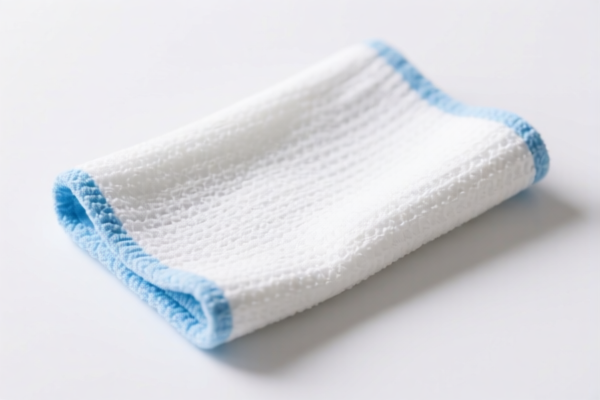
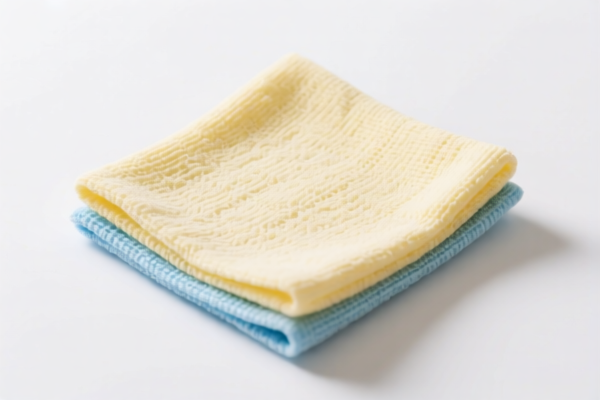
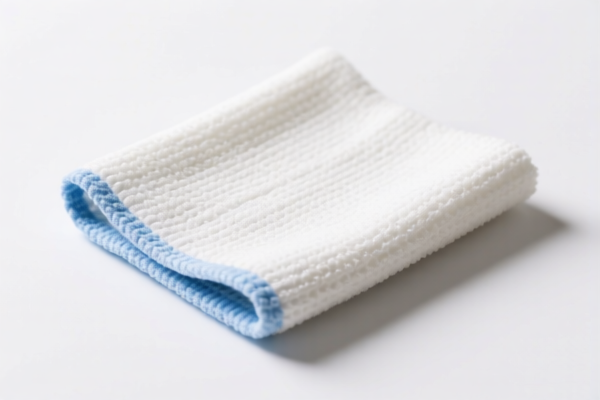
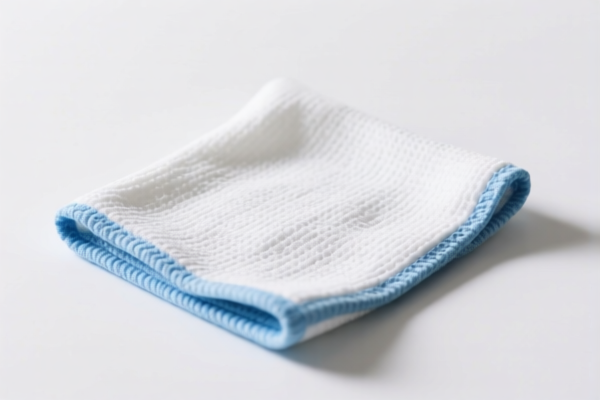
AI分析
🧼 Furniture Cleaning Cloth (Household Rags & Textiles)
🌐 HS Code Reference & Customs Clearance Guide | 2026 Latest Tariff Analysis | Professional Clearance Strategy
📌 I. Product Definition & Classification: What Exactly is a "Cleaning Cloth"?
In international trade, "Furniture Cleaning Cloths" are classified based on their material composition, manufacturing process (impregnated/coated vs. plain), and specific use. They generally fall under Chapter 59 (Impregnated textiles) or Chapter 63 (Other made-up textile articles).
Key Distinctions: * Impregnated/Coated Textiles (Chapter 59): Cloths treated with chemicals, wax, polish, or cleaning agents to enhance cleaning efficiency. * Plain Made-up Articles (Chapter 63): Plain woven, knitted, or tufted fabrics (like microfiber or cotton rags) used for general wiping without specific chemical impregnation.
⚠️ Critical Classification Point:
- If the cloth is treated/impregnated (e.g., silicone-infused microfiber) → Likely Chapter 59.
- If the cloth is plain fabric (e.g., standard cotton rag or dry microfiber) → Likely Chapter 63.
- Misclassification Risk: Declaring a plain rag as "impregnated" may trigger higher duties (25%+ Section 301); declaring an impregnated rag as "plain" may lead to rejection or penalty.
📦 II. HS Code Classification Details (2026 Latest Tariff Authority对照)
Based on the provided data, here are the specific HS Codes for Furniture Cleaning Cloths:
| HS Code | Product Description | Material/Process | Total Tax Rate | Key Characteristics |
|---|---|---|---|---|
5907.00.80.90 |
Other impregnated, coated or covered textiles | Fibers/Textile, impregnated/coated | 35.0% | Fits "Other" impregnated textiles; no specific chemical listed. |
5907.00.15.00 |
Impregnated/coated textile fabrics | Fibers/Textile, impregnated/coated | 43.0% | Standard impregnated textile classification. |
6307.10.20.27 |
Rags, cleaning cloths, dusters, polishing pads | Cotton/Other Fiber, Plain Made-up | 22.8% | General "Rag" category; no impregnation specified. |
6302.91.00.45 |
Household linen & similar articles (Cotton) | Cotton, for household use | 26.7% | Specifically for household cleaning/wiping; cotton-based. |
6307.10.20.28 |
Other made-up articles (Rags/Cloths) | Any Fiber, Plain Made-up | 22.8% | Fallback category for rags not specifically listed elsewhere. |
6302.91.00.05 |
Household linen & similar articles (Cotton/Tufted) | Cotton, Tufted/Pile structure | 26.7% | For tufted or pile-type cleaning cloths used in households. |
🔍 Important Note:
- Chapter 59 (Impregnated) carries higher tariffs (35-43%) due to Section 301 and IEEPA surcharges.
- Chapter 63 (Plain Textiles) carries lower tariffs (22.8-26.7%) but still includes significant附加税.
- Material matters: Cotton items (6302 series) have slightly different rates than general rags (6307 series).
💰 III. 2026 Latest Tariff Rate Breakdown (Detailed Tax Components)
✅ Applicable Country: United States (US)
✅ Country of Origin: China (CN)
✅ Effective Time: From November 10, 2025 (including subsequent imports)
🎯 1. Impregnated/Coated Cloths (HS 5907 Series)
Applies to: 5907.00.80.90, 5907.00.15.00
| Component | Rate | Source/Legal Basis | Explanation |
|---|---|---|---|
| Basic MFN Duty | 0% - 8% | HTSUS Base Rate | Varies by subheading. 5907.15 is 8%; 5907.80 is 0%. |
| Section 301 (Trade Act) | +25% | USITC Footnote 9903.88.01 | Applies to Chinese goods under List 3/4. |
| IEEPA Surcharge | +10% | IEEPA:9903.01.25 | Additional tariff for Chinese products under Executive Order. |
| Total Effective Tax | 35% - 43% | Sum of Above | High-risk category for duty costs. |
| De Minimis Eligibility | ❌ Denied | deny_de_minimis | Cannot use $800 de minimis exemption. |
📌 Explanation:
- 35.0% Total (5907.00.80.90): 0% Basic + 25% Section 301 + 10% IEEPA.
- 43.0% Total (5907.00.15.00): 8% Basic + 25% Section 301 + 10% IEEPA.
- These codes assume the cloth is chemically treated (e.g., silicone, wax, or cleaning solution infused).
🎯 2. General Rags & Household Textiles (HS 6307/6302 Series)
Applies to: 6307.10.20.27, 6307.10.20.28, 6302.91.00.45, 6302.91.00.05
| Component | Rate | Source/Legal Basis | Explanation |
|---|---|---|---|
| Basic MFN Duty | 5.3% - 9.2% | HTSUS Base Rate | Varies by specific subheading. |
| Section 301 (Trade Act) | +7.5% | USITC Footnote 9903.88.01 | Reduced rate compared to other categories (List 4B). |
| IEEPA Surcharge | +10% | IEEPA:9903.01.25 | Standard surcharge for Chinese goods. |
| Total Effective Tax | 22.8% - 26.7% | Sum of Above | Moderate-high risk category. |
| De Minimis Eligibility | ❌ Denied | deny_de_minimis | Cannot use $800 de minimis exemption. |
📌 Explanation:
- 22.8% Total (6307.10.20.27&28): 5.3% Basic + 7.5% Section 301 + 10% IEEPA.
- Note: These are "Rags, Cleaning Cloths, Dusters" under Chapter 63.
- 26.7% Total (6302.91.00.45&05): 9.2% Basic + 7.5% Section 301 + 10% IEEPA.
- Note: These fall under "Household Linen," often for cotton-based wiping cloths.
🛠️ IV. Customs Clearance Practical Advice (Battle-Tested Guide)
✅ 1. Essential Documentation Checklist (Non-negotiable)
| Document | Required? | Purpose |
|---|---|---|
| Product Specification Sheet | ✔️ | Must detail material (Cotton, Polyester, Microfiber), weave type, and whether impregnated/coated. |
| Product Photos (Clear Label) | ✔️ | Show packaging, brand, and any "Impregnated with [Chemical]" claims. |
| Commercial Invoice | ✔️ | Must clearly state "Cleaning Cloth" or "Rag" and NOT "Impregnated" if it’s plain. |
| Certificate of Origin (CO) | ✔️ | Crucial for proving Chinese origin to apply correct Section 301/IEEPA rates. |
| Third-Party Test Report | ✔️ | If claiming "Impregnated," provide test results for the chemical treatment. |
| Packing List | ✔️ | Confirm quantity and weight to avoid discrepancies. |
✅ 2. Declaration Strategies (Key Mantras)
🔥 "Plain vs. Impregnated: The 15% Difference!"
| Scenario | Correct Declaration | Wrong Declaration | Consequence |
|---|---|---|---|
| Plain Microfiber Rag | 6307.10.20.27 (22.8%) |
5907.00.80.90 (35.0%) |
Overpaid Tax + Audit Risk |
| Silicone-Infused Cloth | 5907.00.15.00 (43.0%) |
6307.10.20.27 (22.8%) |
Customs Rejection + Penalty |
| Cotton Household Rag | 6302.91.00.45 (26.7%) |
6307.10.20.28 (22.8%) |
Slight Overpayment |
| General "Cleaning Cloth" | 6307.10.20.28 (22.8%) |
Vague "Textile" | Classification Dispute |
✅ 3. Special Handling Tips
| Situation | Advice |
|---|---|
| OEM/Private Label | Ensure the invoice matches the label exactly. If the label says "Microfiber," do not declare as "Cotton." |
| Mixed Shipments | If a container has both impregnated and plain cloths, separate declarations are mandatory. Mixing codes leads to severe penalties. |
| "Wiped" vs. "Impregnated" | "Wiped" with solvent after manufacturing may still be considered impregnated. If no chemical remains, it may qualify for Chapter 63. Provide test data! |
| De Minimis Evasion | Do not try to split large shipments into packages under $800 to avoid tariffs. CBP actively audits this for textiles. All entries are subject to duty. |
🌍 V. Global Market Comparison (2026 Snapshot)
| Market | Recommended HS Code | Est. Total Duty (China Origin) | Notes |
|---|---|---|---|
| 🇺🇸 USA | 6307.10.20.27 / 5907.00.15.00 |
22.8% - 43.0% | High Section 301 & IEEPA surcharges. No de minimis. |
| 🇪🇺 EU | 6307.90.98 |
~0-6% | Generally lower duties, no Section 301. CE marking may be required. |
| 🇨🇦 Canada | 6307.90.98 |
~0-5% | Lower tariffs, FTA benefits if originating. |
| 🇦🇺 Australia | 6307.90.99 |
~5-10% | Moderate duties, no major surcharges. |
📌 Conclusion for US Importers:
- The US market is the most expensive due to political tariffs (Section 301 + IEEPA).
- Chapter 63 (Plain Rags) is significantly cheaper than Chapter 59 (Impregnated).
- Accurate material description is your best defense against audits.
📌 VI. Common Mistakes & Pitfalls (Lessons Learned)
❌ Mistake 1: Declaring "Impregnated Cloths" as "Plain Rags" to save 15% duty.
👉 Result: Customs inspection reveals chemical residue → Back-taxes + 20% penalty.
❌ Mistake 2: Using "Cleaning Cloth" as the only description without specifying material.
👉 Result: CBP assigns a default higher duty code → Unnecessary overpayment.
❌ Mistake 3: Attempting de minimis shipment splitting.
👉 Result: CBP flags pattern → Container held, audit initiated, all shipments blocked.
❌ Mistake 4: Confusing "Household Linen" (6302) with "Other Made-up Articles" (6307).
👉 Result: 1.2% duty difference + potential classification challenge. Be specific.
✅ Best Practice:
"Microfiber Cleaning Cloth, 12x12 inch, Plain Woven, No Impregnation, Made in China"
→ Declared under6307.10.20.27(22.8%).
🎯 VII. Conclusion: Precision Saves Money!
🎯 Key Takeaway:
🔹 "Plain = 22.8% | Impregnated = 35-43%"
🔹 "No De Minimis: Plan for Full Duty!"
🔹 "Material + Process = Code. Get it right, save thousands."
📌 Pro Tip:
If your cleaning cloths are plain microfiber (no chemical treatment), fight for classification under 6307.10.20.27 to save 12-20% in duties compared to impregnated codes. Always provide a material specification sheet to support your claim.
📣 Immediate Action Items:
- Test your product: Is it impregnated? If yes, expect 35%+ duty.
- Prepare docs: Invoice, CO, and Product Spec.
- Apply for Ruling: Consider a Binding Ruling from CBP to lock in your HS Code before shipment.
✨ Professional Clearance Starts with Accurate Classification!
💼 Every 1% of duty saved is pure profit. Don't leave it on the table!
用户评价
关于 HS 编码归类
协调制度(HS)是由世界海关组织(WCO)制定的国际贸易商品分类标准。全球 200 多个国家采用 HS 系统作为海关关税、贸易统计和进出口监管的基础。
每个 HS 编码遵循以下层级结构:
- 章(2 位)——商品大类(例如:第 84 章:机器和机械设备)
- 品目(4 位)——章内的更具体分类
- 子目(6 位)——国际通用细分,所有 WCO 成员国统一使用
- 本国细分(8-10 位)——各国自行扩展的细分编码,如美国 HTSUS 10 位编码
正确的 HS 编码归类对于顺利通关、准确缴纳关税和遵守贸易法规至关重要。错误归类可能导致海关延误、多缴关税或罚款。
从CN进口到US时,适用的关税税率可能包括:
- 最惠国(MFN)税率——适用于 WTO 成员国的标准关税税率
- 普通税率——适用于无贸易协定国家
- 贸易救济关税——附加关税,如 301 条款(反倾销)、232 条款(国家安全)或反补贴税
本页内容仅供参考。如需正式归类,请咨询当地海关或持牌报关代理。