fuzzy slippers
CN → US| HS编码 | 关税税率 | 原产国 | 目的国 | 文档 |
|---|---|---|---|---|
| 6404193020 | 22.5% | CN | US | 官方文档 |
| 6404192520 | 25.0% | CN | US | 官方文档 |
| 6402993110 | 16.0% | CN | US | 官方文档 |
| 6405209015 | 22.5% | CN | US | 官方文档 |
| 6405909060 | 22.5% | CN | US | 官方文档 |
商品图片
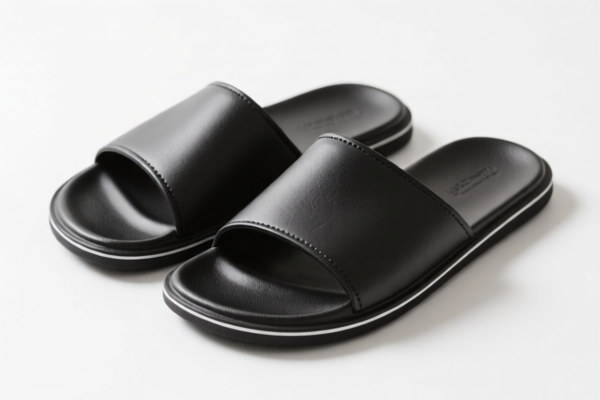
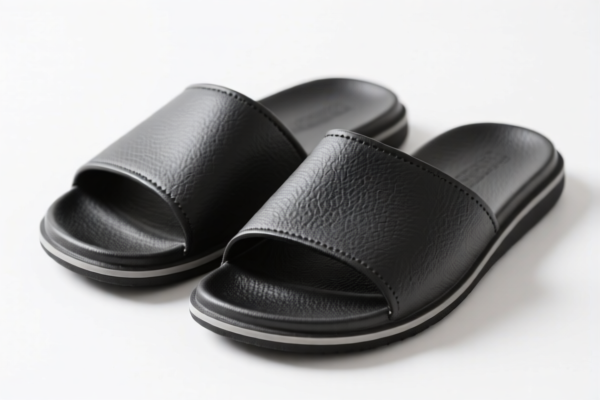
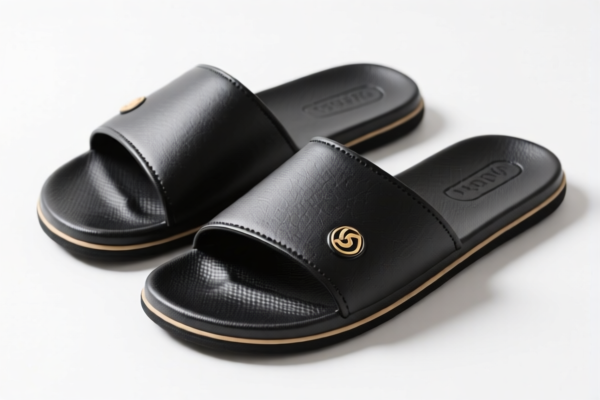
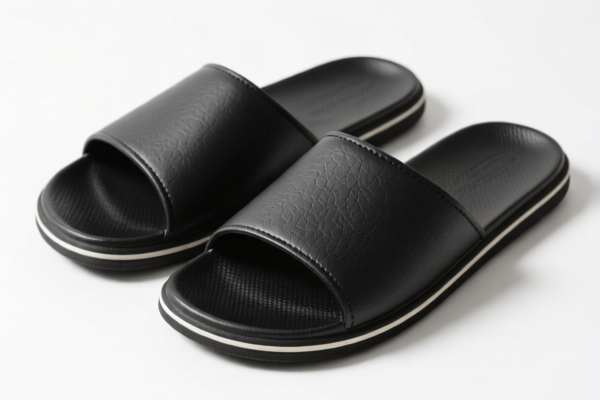
AI分析
🩴 Fuzzy Slippers (House Slippers)
🌐 HS Code Reference & Customs Clearance Guide | 2026 Latest Tariff Analysis | Professional Clearance Strategy
📌 I. Product Definition & Classification: Do You Really Understand "Fuzzy Slippers"?
Fuzzy slippers are soft, indoor footwear designed for comfort and warmth, typically featuring plush or textile uppers. In international trade, they are categorized based on sole material and upper material. The classification is critical because the total tax rate can vary significantly depending on whether the sole is rubber/plastic or textile, and whether it is specifically designed for indoor use.
⚠️ Key Distinction Points:
- Sole Material is King: Is the outsole made of rubber/plastic or textile? This determines the primary HS chapter (64 vs. 6405).
- Upper Material: Is the "fuzzy" part textile or plant fiber (e.g., straw/jute)?
- Usage: Are they strictly for indoor use? This affects specific subheadings.
📦 II. HS Code Classification Details (2026 Latest Tariff Authority Reference)
Based on the provided data, here are the possible HS Codes for fuzzy slippers, ranked by likelihood and tax efficiency.
| HS Code | Product Description | Material Inference | Total Tax Rate |
|---|---|---|---|
6402.99.31.10 |
Indoor Slippers, Slip-on | Rubber/Plastic Sole & Upper | 16.0% ✅ (Best Rate) |
6402.99.49.20 |
Indoor Slippers, Slip-on | Rubber/Plastic Sole & Upper (Higher tier) | 55.0% ❌ (High Risk) |
6404.19.30.20 |
Slippers, Textile Upper + Rubber/Plastic Sole | Textile Upper, Rubber/Plastic Sole | 22.5% |
6405.20.90.15 |
House Slippers | Textile Upper | 22.5% |
6404.19.25.20 |
Indoor Slippers | Plant Fiber Upper, Rubber/Plastic Sole | 25.0% |
6405.90.90.60 |
Other Footwear (Non-infant) | Material Agnostic (Default) | 22.5% |
🔍 Critical Analysis:
- Most Common "Fuzzy" Slippers: Typically have a textile/plush upper and a rubber or plastic non-slip sole. This fits6404.19.30.20(22.5%) or potentially6402.99.31.10(16.0%) if the upper is also partially rubber/plastic coated.
- Avoid6402.99.49.20: This code carries a 55.0% total tax rate due to higher base tariffs (37.5%). Only use if your product strictly matches the specific sub-category requirements, which often trigger additional scrutiny.
- Plant Fiber Distinction: If "fuzzy" implies natural fibers like woven straw/jute, it may fall under6404.19.25.20(25.0%).
💰 III. 2026 Latest Tariff Rate Breakdown (Including Surcharges & Policy Add-ons)
✅ Applicable Country: United States (US)
✅ Origin: China (CN)
✅ Effective Time: Post-November 2025 (Current 2026 Tariff Regime)
🎯 1. 6402.99.31.10 —— Indoor Slippers (Rubber/Plastic Sole & Upper) – OPTIMAL CHOICE
| Item | Detail |
|---|---|
| Base Tariff | 6.0% (ad valorem) |
| Section 301 Surcharge | 0.0% (No additional 25% tariff for this specific subheading) |
| 122 Clause Tariff | +10% (Section 122 specific surcharge for certain footwear) |
| Total Tax Rate | 16.0% ✅ |
| Tax Calculation | CIF Value × 16.0% |
| De Minimis Exemption | ❌ Not Available (Footwear generally excluded from $800 de minimis relief for Chinese origin under current strict enforcement) |
| Legal Basis Path | USITC:6402.99.31.10 → FOOTNOTE:122 |
📌 Explanation:
- This is the most cost-effective classification for rubber-soled slippers.
- The 122 Clause Tariff (+10%) is applied, but the Section 301 25% surcharge does NOT apply to this specific subheading, saving significant cost compared to other codes.
🎯 2. 6404.19.30.20 —— Slippers (Textile Upper, Rubber/Plastic Sole) – COMMON CHOICE
| Item | Detail |
|---|---|
| Base Tariff | 12.5% (ad valorem) |
| Section 301 Surcharge | 0.0% (No additional 25% tariff) |
| 122 Clause Tariff | +10% |
| Total Tax Rate | 22.5% |
| Tax Calculation | CIF Value × 22.5% |
| De Minimis Exemption | ❌ Not Available |
| Legal Basis Path | USITC:6404.19.30.20 → FOOTNOTE:122 |
📌 Explanation:
- This is the standard code for plush/textile upper slippers with rubber bottoms.
- Higher base tariff (12.5%) than6402.99.31.10, but avoids the 25% Section 301 surcharge.
🎯 3. 6405.20.90.15 —— House Slippers (Textile Upper)
| Item | Detail |
|---|---|
| Base Tariff | 12.5% (ad valorem) |
| Section 301 Surcharge | 0.0% |
| 122 Clause Tariff | +10% |
| Total Tax Rate | 22.5% |
| Tax Calculation | CIF Value × 22.5% |
📌 Explanation:
- Used if the entire slipper (including sole) is considered textile-based or if the sole does not meet the rubber/plastic definition in Chapter 64.
- Same total rate as6404.19.30.20.
🚫 4. 6402.99.49.20 —— Indoor Slippers (High Risk)
| Item | Detail |
|---|---|
| Base Tariff | 37.5% (ad valorem) |
| Section 301 Surcharge | 7.5% |
| 122 Clause Tariff | +10% |
| Total Tax Rate | 55.0% ❌ |
| Tax Calculation | CIF Value × 55.0% |
📌 Warning:
- AVOID THIS CODE unless absolutely necessary. The base tariff is extremely high (37.5%).
- Likely results in customs detention or forced reclassification if not strictly compliant.
🛠️ IV. Customs Clearance Practical Advice (Battle-Tested Pitfall Guide)
✅ 1. Required Documentation Checklist (Non-Negotiable)
| Document | Must Provide | Description |
|---|---|---|
| ✅ Product Spec Sheet | ✔️ | Must clearly state: Upper Material (e.g., Polyester Plush), Sole Material (e.g., EVA, Rubber), Inner Lining |
| ✅ High-Res Photos | ✔️ | Clear images of the sole (to prove rubber/plastic) and upper (to prove textile/plush). Show the tag/label. |
| ✅ Commercial Invoice | ✔️ | Must list item as "Indoor Fuzzy Slippers" or "House Slippers", not just "Shoes" or "Footwear" |
| ✅ Packing List | ✔️ | Confirm weight, dimensions, and pair count |
| ✅ Country of Origin | ✔️ | China (CN) → Triggers 122 Clause Tariff |
✅ 2. Declaration Strategy (Key Mantra)
🔥 “Sole Defines Chapter, Upper Defines Subheading, Be Precise to Save Cost!”
| Scenario | Correct Declaration | Incorrect Action |
|---|---|---|
| Plush Top + Rubber Bottom | 6404.19.30.20 (22.5%) |
Declare as "Fabric Shoes" → Risk of 6402 misclassification |
| All-Rubber Slippers (with fuzzy lining) | 6402.99.31.10 (16.0%) |
Declare as "Textile Slippers" → Missed 6.5% savings |
| Plant Fiber (Jute/Straw) Top + Rubber Bottom | 6404.19.25.20 (25.0%) |
Declare as "Textile" → Audit risk if material is natural fiber |
| Unspecified "Slippers" | High Risk | Vague description → Customs detention, random inspection |
✅ 3. Special Case Handling
| Situation | Handling Advice |
|---|---|
| EVA Sole vs. Rubber Sole | EVA is often classified under Rubber/Plastic (Ch 64). Ensure specs say "EVA/Rubber" to fit 6402 or 6404. Avoid "Foam" if it might be classified under Ch 61. |
| Children’s Slippers | If size < 100mm, check for Infant Footwear codes. Some have different rates. The provided data assumes non-infant. |
| Customs Audit Trigger | If the sole looks like fabric but is coated, provide a material composition test report from a third-party lab (e.g., SGS, Intertek) to prove it is rubber/plastic. |
| 122 Clause Eligibility | All footwear from China is subject to the 122 Clause (+10%). No exemption available. Factor this into pricing. |
🌍 V. Global Market Comparison (2026 Latest)
| Market | Recommended HS Code | Est. Total Tax (CN Origin) | Key Requirement |
|---|---|---|---|
| 🇺🇸 USA | 6402.99.31.10 or 6404.19.30.20 |
16.0% or 22.5% | Strict material declaration; 122 Clause applies |
| 🇨🇳 China | 6402.99.31.10 |
~6-13% | Lower base rates; no 122 Clause |
| 🇪🇺 EU | 6402.99.31 |
~0-17% | CE marking not required for footwear, but REACH compliance is |
| 🇬🇧 UK | 6402.99.31 |
~0-17% | Post-Brexit rules apply; no de minimis |
📌 Conclusion:
- The US market is the most complex due to the 122 Clause and potential Section 301 variations.
-6402.99.31.10(16.0%) is the gold standard for cost optimization if your slippers have a rubber/plastic upper and sole.
-6404.19.30.20(22.5%) is the standard safe choice for textile-uppers with rubber soles.
📌 VI. Common Errors & Pitfall Guide (Blood & Tears Lessons)
❌ Error 1: Declaring all "Slippers" under one generic code.
👉 Consequence: Customs may audit material composition. If you claimed textile but found rubber, you face penalties.
👉 Fix: Split codes based on sole material.
❌ Error 2: Ignoring the 122 Clause.
👉 Consequence: Underpaying 10% of CIF value.
👉 Fix: Always add 10% to your tax calculation for Chinese footwear.
❌ Error 3: Misclassifying EVA/Plastic Soles as "Textile Footwear".
👉 Consequence: Risk of higher duty classification or refusal.
👉 Fix: Use HS Code 6402 or 6404 (both involve rubber/plastic). Do not use Chapter 61 (Textile) for rubber-soled slippers.
❌ Error 4: Not providing Photos.
👉 Consequence: Customs cannot verify "Fuzzy" vs. "Leather" vs. "Plant Fiber".
👉 Fix: Attach clear photos of the sole and upper to the customs declaration package.
✅ Correct Declaration Example:
"Fuzzy Indoor House Slippers, Polyester Plush Upper, EVA/Rubber Non-Slip Sole, Unisex, Model XYZ, Made in China"
🎯 VII. Conclusion: Precision Classification, Cost Control, Smooth Clearance!
🎯 Remember the Mantra:
🔹 "Sole is Rubber? Check 6402/6404. Upper is Textile? Check 6404. Avoid 55% Trap!"
🔹 "122 Clause +10% is Mandatory. Base Rate Varies by Material."
📌 Pro Tip:
If your product is 100% Rubber/Plastic (including upper, even if textured), aim for 6402.99.31.10 (16.0%).
If it is Textile Upper + Rubber Sole, stick to 6404.19.30.20 (22.5%).
Never use 6402.99.49.20 (55.0%) unless you have no other option.
📣 Immediate Action:
📞 Contact your freight forwarder with the material breakdown.
📷 Upload product photos (sole + upper).
🚀 Optimize your HS Code to save up to 39% in taxes compared to incorrect codes!
✨ Professional Clearance Starts with Accurate Classification!
💼 Every Percent Saved is Pure Profit!
用户评价
关于 HS 编码归类
协调制度(HS)是由世界海关组织(WCO)制定的国际贸易商品分类标准。全球 200 多个国家采用 HS 系统作为海关关税、贸易统计和进出口监管的基础。
每个 HS 编码遵循以下层级结构:
- 章(2 位)——商品大类(例如:第 84 章:机器和机械设备)
- 品目(4 位)——章内的更具体分类
- 子目(6 位)——国际通用细分,所有 WCO 成员国统一使用
- 本国细分(8-10 位)——各国自行扩展的细分编码,如美国 HTSUS 10 位编码
正确的 HS 编码归类对于顺利通关、准确缴纳关税和遵守贸易法规至关重要。错误归类可能导致海关延误、多缴关税或罚款。
从CN进口到US时,适用的关税税率可能包括:
- 最惠国(MFN)税率——适用于 WTO 成员国的标准关税税率
- 普通税率——适用于无贸易协定国家
- 贸易救济关税——附加关税,如 301 条款(反倾销)、232 条款(国家安全)或反补贴税
本页内容仅供参考。如需正式归类,请咨询当地海关或持牌报关代理。