gaskets
CN → US| HS编码 | 关税税率 | 原产国 | 目的国 | 文档 |
|---|---|---|---|---|
| 8484900000 | 37.5% | CN | US | 官方文档 |
| 4016935010 | 37.5% | CN | US | 官方文档 |
| 3926904510 | 38.5% | CN | US | 官方文档 |
| 4016931010 | 37.5% | CN | US | 官方文档 |
| 8484900000 | 37.5% | CN | US | 官方文档 |
商品图片
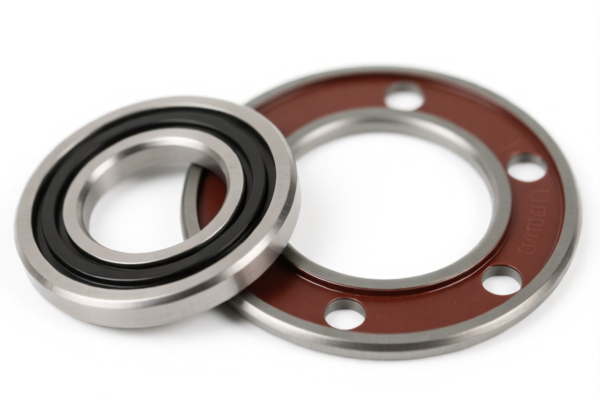
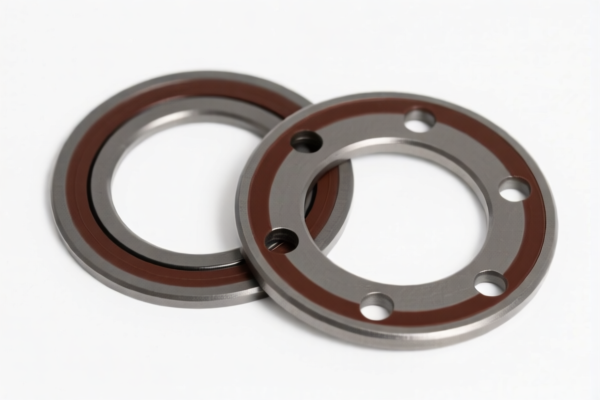
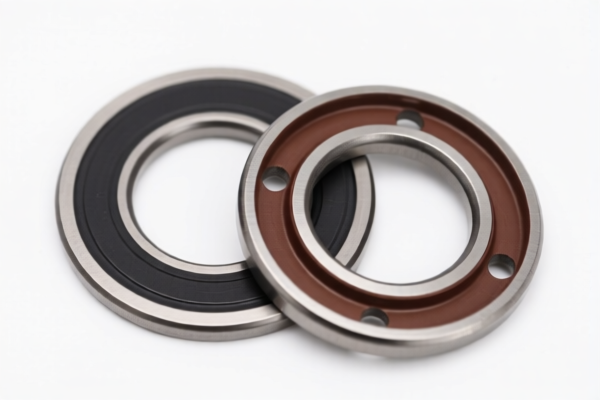
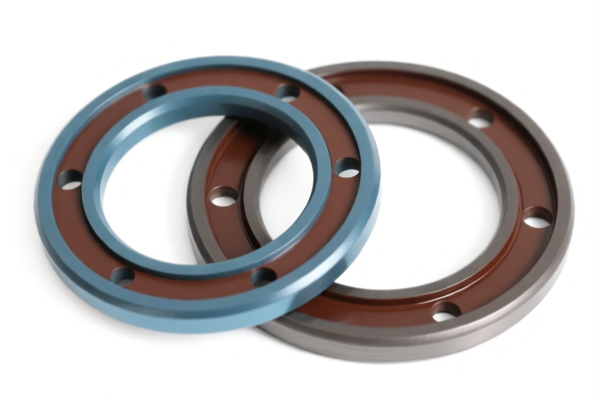
AI分析
🔧 Gaskets (Sealing Rings & Washers)
🌐 HS Code Reference & Customs Clearance Guide | 2026 Latest Tariff Analysis | Professional Entry Strategy
📌 I. Product Definition & Classification: What Exactly Are "Gaskets"?
Gaskets are mechanical seals that fill the space between two or mating surfaces, generally to prevent leakage from or contamination of the fluid or gas within any sealed object, while tolerating vibration, temperature changes and/or compression or disassembly.
In international trade, they are primarily categorized by Material (Rubber vs. Metal/Composite) and Function (General Sealing vs. Specific Mechanical Seals).
⚠️ Key Distinction Point:
- If the gasket is made of Rubber/Elastomer → It falls under Chapter 40 (Rubber and Articles Thereof).
- If the gasket is a Composite/Metallic Seal or part of a specific mechanical system (like engine parts) → It often falls under Chapter 84 (Machinery).
- If made of Plastic/Composite Rubber in specific contexts → It may fall under Chapter 39 or remain in Chapter 40 depending on the primary material.
📦 II. HS Code Classification Details (Based on Provided Data)
| HS Code | Product Description | Summary of Matching Basis | Total Tax Rate |
|---|---|---|---|
4016.93.50.10 |
Rubber Gaskets (Sealing Rings) | Material Match: "Rubber" corresponds to "Vulcanized Rubber". Form Match: "Seat Gasket Seal" fits the use/form of "Gaskets, washers and other seals". |
37.5% |
4016.93.10.10 |
Rubber Gaskets (General Seals) | Material Match: "Rubber" meets the material requirement. Form Match: "Seat Gasket Seal" belongs to the category of gaskets/seals, consistent with the target category's seal form. No conflict in material or form. |
37.5% |
3926.90.45.10 |
Plastic/Rubber Composite Gaskets | Form Match: "Sealing Pad" fits the description of "Gaskets, washers and other seals". Material Match: "Rubber" fits the scope of plastic/synthetic rubber products. Context: "Seat" form is a specific manifestation of seals, consistent with O-ring classification logic. |
38.5% |
8484.90.00.00 |
Mechanical Seals / Metal Gaskets | Match 1: Product form is "Sealing Pad", belonging to mechanical seals. Match 2: Despite being "Rubber", it is a non-metal composite, fitting the "Other" category for gaskets, with no material conflict. Match 3: Explicitly includes "Metal" material and "Gasket" form, fitting the scope of metal sheet composite gaskets and similar joints. |
37.5% |
🔍 Critical Note on
8484.90.00.00:
This code is applied in the data for two distinct scenarios: 1. Composite/Rubber Mechanical Seals: Where the rubber seal is part of a larger mechanical assembly or composite structure. 2. Metal/Mixed Gaskets: Where the product explicitly contains metal components or is a metallic sheet composite. Ensure your specific product matches the physical description (rubber vs. metal) before selecting this code.
💰 III. 2026 Latest Tariff Rate Breakdown (Including Surcharges & Policy Add-ons)
✅ Applicable Country: United States (US)
✅ Origin: China (CN)
✅ Effective Date: From November 10, 2025 (including subsequent imports)
🎯 1. Rubber Gaskets (4016.93.50.10 & 4016.93.10.10) & Composite Mechanical Seals (8484.90.00.00)
| Item | Details |
|---|---|
| Base Tariff Rate | 2.5% (Ad Valorem) |
| Section 301 Surcharge | +25.0% (USITC Footnote associated with China origin) |
| Section 122 / IEEPA Surcharge | +10.0% (Targeting Chinese/Hong Kong products) |
| Total Tax Rate | 37.5% |
| Tax Calculation | CIF Value × 37.5% |
| De Minimis Exemption | ❌ Not Eligible (High tariff rates usually block $800 de minimis clearance) |
| Legal Basis Path | USITC:4016.93.x0.xx / USITC:8484.90.00.00 → USITC:Footnote_301 → IEEPA:9903 |
📌 Explanation:
- The 2.5% is the standard Most Favored Nation (MFN) rate for rubber/plastic gaskets or machinery parts.
- The 25% is the Section 301 tariff, a heavy penalty on Chinese industrial components.
- The 10% is an additional layer (often referred to as Section 122 or IEEPA-related surcharge in specific contexts) for Chinese-origin goods.
- Total 37.5% is a significant cost factor. Small parcels cannot bypass this; proper commercial clearance is required.
🎯 2. Plastic/Composite Gaskets (3926.90.45.10)
| Item | Details |
|---|---|
| Base Tariff Rate | 3.5% |
| Section 301 Surcharge | +25.0% |
| Section 122 / IEEPA Surcharge | +10.0% |
| Total Tax Rate | 38.5% |
| Tax Calculation | CIF Value × 38.5% |
| De Minimis Exemption | ❌ Not Eligible |
| Legal Basis Path | USITC:3926.90.45.xx → USITC:Footnote_301 → IEEPA:9903 |
📌 Note:
- The base rate is slightly higher (3.5% vs 2.5%) for this specific plastic/composite subheading.
- The surcharges remain identical.
- Total 38.5% makes this the most expensive option among the listed codes. Avoid if your product can be classified under rubber (4016) or mechanical seals (8484).
🛠️ IV. Customs Clearance Practical Advice (Pitfall Avoidance Guide)
✅ 1. Preparation Checklist (Non-Negotiable)
| Document | Mandatory | Purpose |
|---|---|---|
| ✅ Product Spec Sheet | ✔️ | Must specify material (e.g., NBR, Viton, Silicone, EPDM) and whether it contains metal reinforcement. |
| ✅ Material Composition Statement | ✔️ | Critical for distinguishing between 4016 (Rubber), 3926 (Plastic), and 8484 (Mechanical/Metal). |
| ✅ Photos (Label & Structure) | ✔️ | Show the gasket's shape, any metal inserts, and packaging. |
| ✅ Commercial Invoice | ✔️ | Clearly state "Rubber Gasket" or "Mechanical Seal Gasket," NOT just "Part." |
| ✅ Packing List | ✔️ | Ensure weight and value are accurate to avoid audits. |
✅ 2. Declaration Strategy (Key Mantras)
🔥 "Material Defines Code, Metal Moves to 8484, Rubber Stays in 4016!"
| Scenario | Correct HS Code | Wrong Declaration | Consequence |
|---|---|---|---|
| Pure Rubber Gasket (O-ring, Flat Seal) | 4016.93.50.10 or 4016.93.10.10 |
"Plastic Gasket" | Higher tax (38.5%) or Misclassification Penalty |
| Gasket with Metal Core/Reinforcement | 8484.90.00.00 |
"Rubber Gasket" | Risk of audit; Correct code avoids conflict |
| Plastic/Synthetic Rubber Composite | 3926.90.45.10 |
"Rubber Gasket" | Under-reporting base rate (3.5% vs 2.5% is minor, but material accuracy is key) |
| Industrial Mechanical Seal Assembly | 8484.90.00.00 |
"Rubber Part" | May be accepted if it's a composite seal, but ensure it's not just a raw rubber piece |
✅ 3. Special Considerations
| Situation | Recommendation |
|---|---|
| High-Volume Imports | Consider Section 301 Exclusions. Check if your specific HTS code had exclusions granted in previous years (though rare for standard rubber gaskets). |
| Transshipment | Do NOT re-label Chinese goods as "Made in Vietnam" or "Made in Malaysia." Customs tracks rubber/plastic exports closely. This leads to seizure. |
| De Minimis ($800) | Do not attempt. With a 37.5%-38.5% tax rate, the financial risk and potential for penalty outweigh the convenience. Use standard commercial entry. |
| Composite Materials | If the gasket is >50% rubber by weight, 4016 is safest. If it's a metal sheet with rubber coating, 8484 might be argued. Document the weight ratio. |
🌍 V. Global Market Comparison (2026)
| Country/Region | Recommended HS Code | Est. Total Tariff | Certification Requirements | Notes |
|---|---|---|---|---|
| 🇺🇸 USA | 4016.93.50.10 |
37.5% | None (General) | Highest cost due to 301 + 122/IEEPA tariffs. |
| 🇨🇳 China | 4016.93.50.10 |
~5-10% | CCC (if applicable) | No Section 301 tariffs on import into China. |
| 🇪🇺 EU | 4016.93.50 |
~4-6% | REACH (Chemicals) | No Section 301. Standard MFN rates apply. |
| 🇬🇧 UK | 4016.93.50 |
~4-6% | UKCA (if applicable) | Post-Brexit tariffs may vary slightly. |
| 🇯🇵 Japan | 4016.93.50 |
~0-4% | PSE (if electronic) | Low tariffs, favorable trade agreements. |
📌 Conclusion:
- The USA is the most expensive market for rubber/plastic gaskets from China due to multiple layers of punitive tariffs.
- EU/Asia markets offer significantly lower entry costs (5-10% vs 37.5%).
- For US-bound goods, cost-optimization strategies (such as sourcing from non-China origins if possible, though supply chain locked) are critical.
📌 VI. Common Errors & Pitfall Guide (Lessons Learned)
❌ Error 1: Declaring "Rubber Gaskets" for products that are Plastic/Polymer.
👉 Consequence: Incorrect material classification. If caught, penalties apply. Also, 3926 has a different base rate (3.5% vs 2.5%), affecting duty calculation.
❌ Error 2: Ignoring Metal Components.
👉 Consequence: If the gasket has a metal insert (common in engine head gaskets), declaring it as pure rubber (4016) is incorrect. It may be classified under 8484 or 8483, leading to disputes over the "Essential Character."
❌ Error 3: Attempting De Minimis (Section 321) Shipment.
👉 Consequence: With tariffs >37%, customs brokers often reject Section 321 entry for high-risk goods like industrial seals to avoid fraud. Package may be held or destroyed.
❌ Error 4: Vague Description "Sealing Parts."
👉 Consequence: CBP (Customs and Border Protection) will issue a "Request for Information" (RFI), delaying clearance by weeks. Always specify: "Viton O-Ring, 1 inch diameter" or "Rubber Seat Gasket, Vulcanized."
✅ Correct Declaration Example:
"Rubber Gasket, Vulcanized EPDM, Used for Plumbing Seat Sealing, No Metal Reinforcement, HTSUS 4016.93.50.10"
🎯 VII. Conclusion: Precision Saves Dollars!
🎯 Remember the Mantra:
🔹 "Rubber goes to 4016, Metal/Composite to 8484, Plastic to 3926."
🔹 "US Tariffs are 37.5%+, No De Minimis Allowed."
🔹 "Declare Material Accurately to Avoid Penalties."
📌 Pro Tip:
If you are importing large volumes into the US, consult a customs broker to verify if any Specific Exclusions from Section 301 tariffs apply to your specific gasket type. Sometimes, specific industrial components have temporary relief.
📣 Immediate Action:
📞 Verify Material Composition → 📋 Select Correct HS Code → 📄 Prepare Accurate Invoice
🚀 Avoid Customs Delays, Pay the Right Tax, Keep Your Supply Chain Smooth!
✨ Professional Customs Clearance Starts with Accurate Classification!
💼 Every Percent of Tax Matters—Optimize Your HS Code Today!
用户评价
关于 HS 编码归类
协调制度(HS)是由世界海关组织(WCO)制定的国际贸易商品分类标准。全球 200 多个国家采用 HS 系统作为海关关税、贸易统计和进出口监管的基础。
每个 HS 编码遵循以下层级结构:
- 章(2 位)——商品大类(例如:第 84 章:机器和机械设备)
- 品目(4 位)——章内的更具体分类
- 子目(6 位)——国际通用细分,所有 WCO 成员国统一使用
- 本国细分(8-10 位)——各国自行扩展的细分编码,如美国 HTSUS 10 位编码
正确的 HS 编码归类对于顺利通关、准确缴纳关税和遵守贸易法规至关重要。错误归类可能导致海关延误、多缴关税或罚款。
从CN进口到US时,适用的关税税率可能包括:
- 最惠国(MFN)税率——适用于 WTO 成员国的标准关税税率
- 普通税率——适用于无贸易协定国家
- 贸易救济关税——附加关税,如 301 条款(反倾销)、232 条款(国家安全)或反补贴税
本页内容仅供参考。如需正式归类,请咨询当地海关或持牌报关代理。