gauges
CN → US| HS编码 | 关税税率 | 原产国 | 目的国 | 文档 |
|---|---|---|---|---|
| 8487900040 | 38.9% | CN | US | 官方文档 |
| 8487900080 | 88.9% | CN | US | 官方文档 |
| 9031499000 | 35.0% | CN | US | 官方文档 |
| 9031494000 | 35.0% | CN | US | 官方文档 |
| 9017308000 | 38.9% | CN | US | 官方文档 |
商品图片
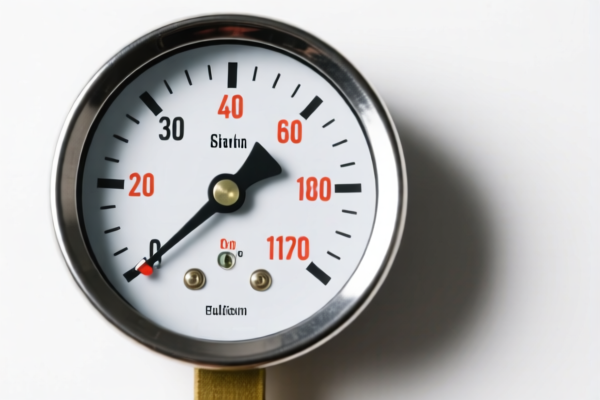
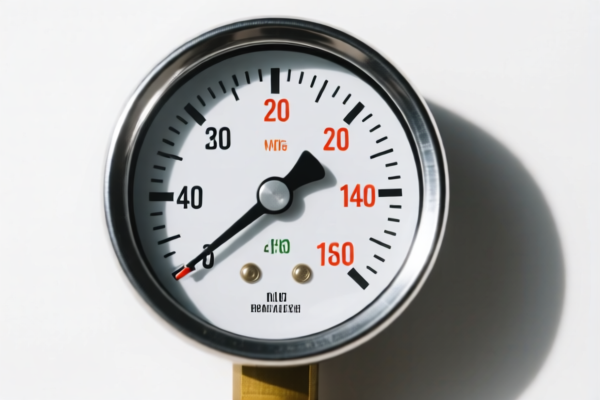
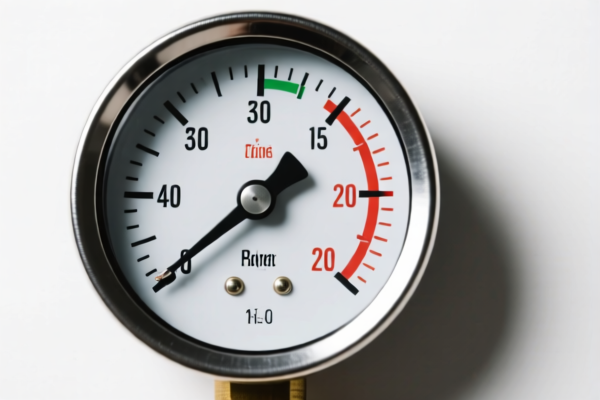
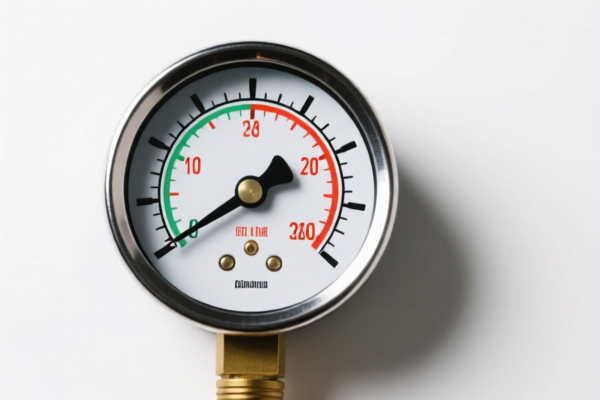
AI分析
📐 Gauges (Measurement & Inspection Tools)
🌐 HS Code Reference & Customs Clearance Guide | 2026 Latest Tariff Analysis | Professional-Level通关 Strategy
📌 I. Product Definition & Classification: Do You Really Understand "Gauges"?
In international trade, "gauges" (量规) refer to precision instruments used for measuring dimensions, checking tolerances, or verifying quality. They are not consumer gadgets but industrial inspection tools.
The classification depends heavily on: 1. Function: Is it a simple mechanical gauge or an optical/electronic measuring device? 2. Material: Is it made of metal, plastic, or other materials? 3. Context: Is it a standalone instrument or a part of a larger machine?
⚠️ Key Distinction Points:
- If it’s a simple mechanical checking tool (e.g., Go/No-Go gauges, calipers) without complex electronics → Often falls under 9017 or 8487 (parts).
- If it’s an optical or electronic measuring device (e.g., laser micrometers, vision systems) → Falls under 9031.
- No Material Conflict: The data implies gauges can be metallic or hard materials, which doesn't restrict classification under generic "measuring instruments."
📦 II. HS Code Classification Details (2026 Latest Tariff Authority Comparison)
Based on the provided data, here are the potential HS Codes and their logic:
| HS Code | Product Description | Applicability & Logic | Total Tax Rate |
|---|---|---|---|
| 9017.30.80.00 | Instruments & appliances, medical; Gauges (Specific Tool Form) | Best Match: The summary explicitly states "Gauges" matches the key usage "gauges." It’s a specific tool form under this category with no material/use conflict. | 38.9% |
| 9031.49.90.00 | Optical, photographic, cinematographic, measuring, checking, precision, medical or surgical instruments; Other measuring/checking instruments | Inferred Match: Gauges are considered measuring/inspection devices. Fits under optical/measuring equipment category. No material conflict. | 35.0% |
| 9031.49.40.00 | Other measuring/checking instruments (Specific Sub-category) | Possible Match: Gauges fit "measuring/checking instruments." Typically made of metal/hard materials, no conflict with unspecified material attributes. | 35.0% |
| 8487.90.00.80 | Machinery mechanical parts; Other mechanical parts (Fallback) | Fallback Match: Gauges are mechanical inspection tools. As a mechanical component/part, it fits the "other mechanical parts" fallback. High tax due to steel/aluminum/copper surcharges. | 88.9% |
| 8487.90.00.40 | Machinery mechanical parts; Other mechanical parts (Alternative Fallback) | Fallback Match: Similar to above. No clear material/form conflict. Default preference for "parts/components" applies. | 38.9% |
🔍 Critical Observation:
- 9017.30.80.00 is the most direct match for "Gauges" as a primary product.
- 9031.49.x0.x0 codes are competitive alternatives if the gauge has optical/electronic precision features.
- 8487.90.x0.x0 codes are higher-risk fallbacks, especially 8487.90.00.80 which carries a punitive 88.9% due to steel/aluminum surcharges.
💰 III. 2026 Latest Tariff Rate Breakdown (Including Surtaxes & Policy Surcharges)
✅ Applicable Country: USA (US)
✅ Origin: China (CN)
✅ Effective Date: 2025 Nov 10 onwards (for subsequent imports)
🎯 1. 9017.30.80.00 — Gauges (Direct Match)
| Item | Content |
|---|---|
| Base Tariff | 3.9% (ad valorem) |
| Section 301 Surtax | +25.0% (USITC Footnote 9903.88.01) |
| Section 122 Surtax | +10.0% (Targeting specific Chinese imports) |
| Total Rate | 38.9% |
| Tax Calculation | CIF Value × 38.9% |
| De Minimis Exemption? | ❌ NO (Deny de minimis for these surtaxes) |
| Legal Basis Path | Base Tariff → Section 301:9903.88.01 → Section 122: 10% |
📌 Explanation:
- This is the standard classification for mechanical gauges.
- The 38.9% total includes base duty + 301 tariff + Section 122 tariff.
- No material-based surcharge (like the 50% for steel/aluminum) applies here because it’s classified under instruments, not raw mechanical parts.
🎯 2. 9031.49.90.00 & 9031.49.40.00 — Measuring/Checking Instruments (Optical/Electronic)
| Item | Content |
|---|---|
| Base Tariff | 0.0% |
| Section 301 Surtax | +25.0% |
| Section 122 Surtax | +10.0% |
| Total Rate | 35.0% |
| Tax Calculation | CIF Value × 35.0% |
| De Minimis Exemption? | ❌ NO |
| Legal Basis Path | Base Tariff (0%) → Section 301:9903.88.01 → Section 122: 10% |
📌 Note:
- If your gauge is digital, laser-based, or optical, this classification may apply.
- Savings: Saves 3.9% in base tariff compared to9017.30.80.00.
- Risk: Must prove it’s a "precision measuring instrument" and not just a simple mechanical gauge. Customs may challenge this if it’s a basic steel plug gauge.
🎯 3. 8487.90.00.80 — Mechanical Parts (Fallback - HIGH RISK)
| Item | Content |
|---|---|
| Base Tariff | 3.9% |
| Section 301 Surtax | +25.0% |
| Section 122 Surtax | +10.0% |
| Steel/Aluminum/Copper Surtax | +50.0% (Critical!) |
| Total Rate | 88.9% |
| Tax Calculation | CIF Value × 88.9% |
| De Minimis Exemption? | ❌ NO |
| Legal Basis Path | Base Tariff → Section 301 → Section 122 → Steel/Aluminum Surtax: 50% |
🚨 Warning:
- DO NOT USE unless absolutely necessary.
- The 50% surcharge for steel/aluminum/copper components makes this the most expensive option.
- Only use if customs forces this classification and you cannot justify 9017/9031.
🎯 4. 8487.90.00.40 — Mechanical Parts (Alternative Fallback)
| Item | Content |
|---|---|
| Base Tariff | 3.9% |
| Section 301 Surtax | +25.0% |
| Section 122 Surtax | +10.0% |
| Steel/Aluminum/Copper Surtax | Not Applied (Assumed non-ferrous or exempt sub-category) |
| Total Rate | 38.9% |
| Tax Calculation | CIF Value × 38.9% |
| De Minimis Exemption? | ❌ NO |
| Legal Basis Path | Base Tariff → Section 301 → Section 122 |
📌 Note:
- Same tax as9017.30.80.00but higher risk of misclassification.
- Only use if the gauge is considered a "part" rather than an "instrument."
🛠️ IV. Customs Clearance Practical Advice (实战避坑指南)
✅ 1. Document Preparation Checklist (Non-negotiable)
| Document | Mandatory? | Description |
|---|---|---|
| ✅ Product Specification Sheet | ✔️ | Must specify: Type (Go/No-Go, Digital, Optical), Material, Tolerance, Accuracy. |
| ✅ Product Photos (with Labels) | ✔️ | Clear images of the gauge, model number, and any digital readouts. |
| ✅ Commercial Invoice | ✔️ | Clearly state: "Precision Gauge for Inspection," NOT just "Metal Part." |
| ✅ Packing List | ✔️ | Show items as a set if multiple gauges are shipped together. |
| ✅ Third-Party Test Report | ✔️ | Calibration certificate or accuracy test report helps prove "precision instrument" status. |
✅ 2. Declaration Tips (Key Mnemonics)
🔥 "Be Precise, Avoid 'Parts', Justify 'Instruments'!"
| Scenario | Correct Declaration | Wrong Declaration |
|---|---|---|
| Simple Steel Go/No-Go Gauge | 9017.30.80.00 – "Mechanical Gauge, Steel, for Dimension Checking" |
"Steel Mechanical Part" → Risk of 88.9% |
| Digital/Laser Gauge | 9031.49.90.00 – "Electronic Measuring Instrument, Laser-based" |
"Electronic Part" → Risk of 38.9% or 88.9% |
| Pack of Multiple Gauges | Declare as "Set of Gauges" under 9017.30.80.00 |
Declare as "Metal Accessories" → Risk of 88.9% |
✅ 3. Special Case Handling
| Situation | Handling Advice |
|---|---|
| Gauges with Software/Digital Display | Argue for 9031.49.x0.x0 to save 3.9% base tariff. Provide proof of electronic measurement. |
| Plain Steel Plug Gauges | Stick to 9017.30.80.00. Do not use 8487 codes to avoid the 50% surcharge. |
| Gauges as Spare Parts for Machines | If bundled with a machine, ensure they are declared as "Accessories" not "Parts" to avoid 8487. |
| OEM Custom Gauges | Provide design drawings to prove they are specialized measuring instruments, not generic parts. |
🌍 V. Global Market Comparison (2026 Latest)
| Country/Region | Recommended HS Code | Tariff (China Origin) | Certification Required | Notes |
|---|---|---|---|---|
| 🇺🇸 USA | 9017.30.80.00 or 9031.49.x0.x0 |
38.9% or 35.0% | None specific for gauges | Avoid 8487 (88.9%) |
| 🇨🇳 China | 9017.30.80.00 |
5.0% (approx.) | CCC (if electronic) | Lower base tariff |
| 🇪🇺 EU | 9017.20 or 9031.80 |
0-4% | CE (if electronic) | No Section 301/122 |
| 🇦🇺 Australia | 9017.20 |
5.0% | RCM (if electronic) | Lower tax burden |
| 🇯🇵 Japan | 9017.20 |
0-3% | PSE (if electronic) | Low tariffs |
📌 Conclusion:
- USA is the highest-cost market due to 301 & 122 surcharges.
- Classification is Critical:9017vs8487can mean a 50% difference in total tax.
- Optical/Electronic gauges offer a slight saving (35% vs 38.9%) but require stronger proof of precision.
📌 VI. Common Mistakes & Pitfalls (Blood Lessons)
❌ Mistake 1: Declaring "Gauges" as "Mechanical Parts" under 8487.90.00.80
👉 Consequence: 88.9% tax due to steel/aluminum surcharge → Profit Margins Destroyed!
❌ Mistake 2: Using generic terms like "Metal Tool" on Invoice
👉 Consequence: Customs may assign worst-case HS code → Delays + Penalties
❌ Mistake 3: Not providing calibration/test reports for digital gauges
👉 Consequence: Misclassified as 9017 instead of 9031 → Overpayment of 3.9% base tariff
❌ Mistake 4: Assuming "De Minimis" applies
👉 Consequence: No de minimis exemption for Section 301/122 tariffs → Full tax due on small shipments
✅ Correct Approach:
"Precision Mechanical Gauge, Steel, Go/No-Go Type, for Dimension Inspection, Model XYZ, Calibrated"
🎯 VII. Conclusion: Professional Declaration, Save Costs, Ensure Compliance!
🎯 Remember the Mnemonic:
🔹 "Gauges are Instruments, Not Parts! Use 9017/9031, Avoid 8487!"
🔹 "301 + 122 = 35-39%, Steel Surtax = 89%! Choose Wisely!"
📌 Pro Tip:
If your gauges are digital or laser-based, push for 9031.49.x0.x0 to save 3.9%.
If they are mechanical, stick to 9017.30.80.00 as the safest, most direct match.
Always apply for Advance Ruling if the product is unique or high-value.
📣 Immediate Action:
📞 Contact your freight forwarder + Provide Product Specs & Photos + Declare as "Precision Gauge"
🚀 Ensure smooth customs clearance, avoid 88.9% tax traps, and maximize profit!
✨ Professional Clearance Starts with Accurate Classification!
💼 Every Percent of Tax Matters!
用户评价
关于 HS 编码归类
协调制度(HS)是由世界海关组织(WCO)制定的国际贸易商品分类标准。全球 200 多个国家采用 HS 系统作为海关关税、贸易统计和进出口监管的基础。
每个 HS 编码遵循以下层级结构:
- 章(2 位)——商品大类(例如:第 84 章:机器和机械设备)
- 品目(4 位)——章内的更具体分类
- 子目(6 位)——国际通用细分,所有 WCO 成员国统一使用
- 本国细分(8-10 位)——各国自行扩展的细分编码,如美国 HTSUS 10 位编码
正确的 HS 编码归类对于顺利通关、准确缴纳关税和遵守贸易法规至关重要。错误归类可能导致海关延误、多缴关税或罚款。
从CN进口到US时,适用的关税税率可能包括:
- 最惠国(MFN)税率——适用于 WTO 成员国的标准关税税率
- 普通税率——适用于无贸易协定国家
- 贸易救济关税——附加关税,如 301 条款(反倾销)、232 条款(国家安全)或反补贴税
本页内容仅供参考。如需正式归类,请咨询当地海关或持牌报关代理。