gel cushion seat
CN → US| HS编码 | 关税税率 | 原产国 | 目的国 | 文档 |
|---|---|---|---|---|
| 9404909605 | 17.3% | CN | US | 官方文档 |
| 3926902100 | 21.7% | CN | US | 官方文档 |
| 9404909622 | 17.3% | CN | US | 官方文档 |
| 4016990500 | 20.9% | CN | US | 官方文档 |
| 4016100000 | 35.0% | CN | US | 官方文档 |
商品图片
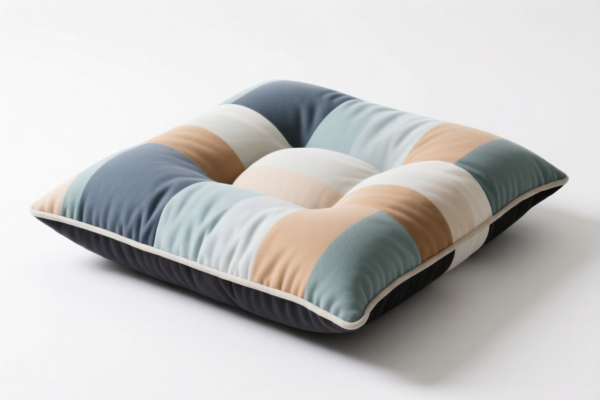
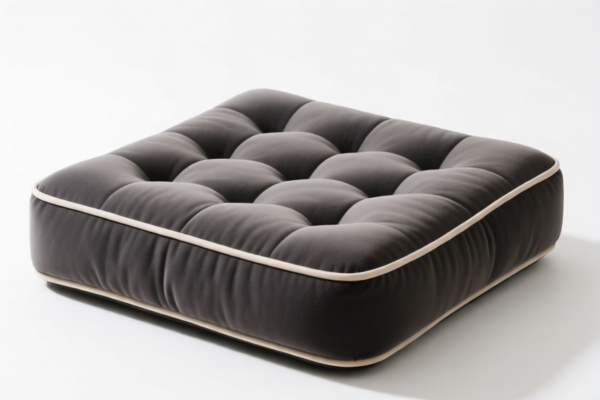
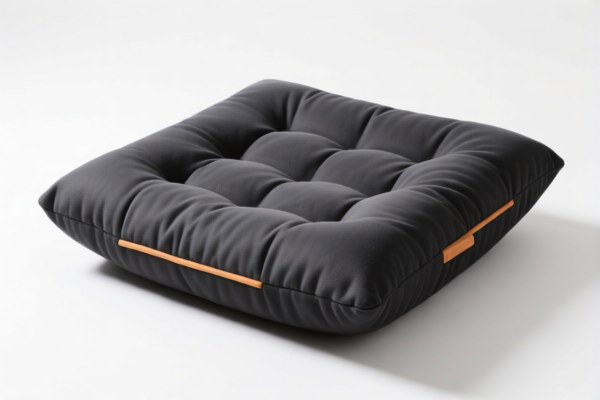
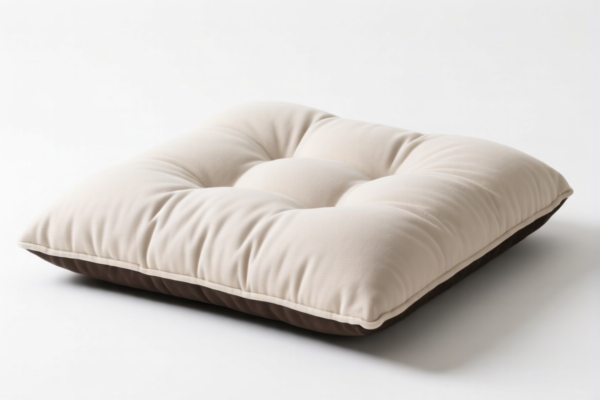
AI分析
🛋️ Gel Cushion Seat (凝胶座垫)
🌐 HS Code Reference & Customs Clearance Guide | 2026 Latest Tariff Analysis | Professional Logistics Strategy
📌 I. Product Definition & Classification: Do You Really Understand "Gel Cushions"?
A Gel Cushion Seat is a comfort product designed to distribute pressure, reduce vibration, and enhance sitting posture for vehicles, office chairs, or medical beds. In international trade, it is a "chameleon" product. Its Harmonized System (HS) code is not fixed by its name ("Cushion") but by its material composition and specific shape/function.
The data provided identifies 5 potential HS Codes, ranging from textile-based bedding to rubber/plastic industrial parts. The key to correct classification lies in answering two questions: 1. What is the outer shell made of? (Cotton, Polyester, Plastic?) 2. What is the filling/core material? (Foam, Honeycomb Rubber, Plastic Gel, Pure Gel?)
⚠️ Critical Distinction:
- If the primary characteristic is textile comfort → It falls under Chapter 94 (Bedding/Furniture).
- If the primary characteristic is industrial rubber/plastic structure → It falls under Chapter 40 or 39 (Rubber/Plastics).
- "Gel" is often a marketing term. Customs looks at the physical material. Is it a silicone polymer? A plastic insert? Or just foam infused with gel powder?
📦 II. HS Code Classification Details (Based on Provided Data)
Below are the 5 valid classifications derived from the input data. Each reflects a different material inference.
| HS Code | Product Description & Inference | Key Material/Shape Factor | Total Tax Rate |
|---|---|---|---|
9404.90.96.05 |
Textile-Based Seat Cushion: Matches shape and use. Shell is inferred to be cotton/textile. | Shell: Cotton/Textile Core: Any soft material |
17.3% |
3926.90.21.00 |
Plastic/Synthetic Polymer Article: Inferred as plastic or synthetic polymer. Fits "Other articles" of cushions. | Material: Plastic/Synthetic Form: Sheet/Pad |
21.7% |
9404.90.96.22 |
Mattress Support/Backrest Class: Matches shape of mattress supports or backrests. Material inferred as honeycomb rubber or plastic. | Structure: Honeycomb/Plastic Use: Support/Backrest |
17.3% |
4016.99.05.00 |
Sulfurized Rubber/ Elastomer: Material inferred as vulcanized rubber or elastomer. Use fits household item cushions. | Material: Vulcanized Rubber Use: Household Cushion |
20.9% |
4016.10.00.00 |
Pure Rubber Article: Based on inference that "gel" falls under vulcanized rubber/elastomer category. Fits "Other vulcanized rubber articles." | Material: Pure Vulcanized Rubber Form: General Article |
35.0% |
🔍 重点提醒 (Key Takeaway):
-9404codes (17.3%) are the most common and favorable for typical consumer gel cushions (fabric cover + foam/gel insert).
-4016and3926codes (20.9% - 35.0%) carry significantly higher tariffs and are typically reserved for industrial-grade rubber/plastic pads or where the "gel" is a solid plastic/rubber component without a textile shell.
-4016.10.00.00(35.0%) is the highest risk/highest cost classification. Avoid this unless the item is 100% solid rubber with no textile component.
💰 III. 2026 Latest Tariff Rate Breakdown (Including Surcharges)
✅ Applicable Country: United States (US)
✅ Origin: China (CN)
✅ Effective Date: From November 10, 2025 (including subsequent imports)
The tax detail provided indicates a consistent structure across all codes: Total Tax = Base Duty + Section 301 Duty (7.5% or 0%) + Section 122 Duty (10%)
🎯 1. 9404.90.96.05 & 9404.90.96.22 —— Textile & Support Cushions (Lowest Risk)
| Item | Content |
|---|---|
| Base Duty | 7.3% (Ad Valorem) |
| Section 301 Surcharge | 0.0% (Exempt or not applicable for these specific sub-headings in this data set) |
| Section 122 Duty | 10.0% (Newly applied surcharge) |
| Total Tax Rate | 17.3% |
| Tax Calculation | CIF Value × 17.3% |
| De Minimis Exemption | ❌ NO (Denied de minimis for Section 122 goods from China) |
| Legal Basis Path | Section 122 + HS:9404.90.96.xx |
📌 Explanation:
- These codes are classified under Chapter 94 (Furniture & Bedding).
- Section 122 is a new punitive tariff targeting specific Chinese goods. It adds a flat 10% on top of the base duty.
- Since Section 301 is 0% here, the total burden is manageable at 17.3%.
🎯 2. 3926.90.21.00 —— Plastic/Synthetic Articles
| Item | Content |
|---|---|
| Base Duty | 4.2% |
| Section 301 Surcharge | 7.5% |
| Section 122 Duty | 10.0% |
| Total Tax Rate | 21.7% |
| Tax Calculation | CIF Value × 21.7% |
| De Minimis Exemption | ❌ NO |
📌 Explanation:
- Classified under Chapter 39 (Plastics).
- Subject to both Section 301 (7.5%) and Section 122 (10%).
- Higher than textile options. Only use if the product is entirely plastic with no fabric.
🎯 3. 4016.99.05.00 —— Vulcanized Rubber Articles (Other)
| Item | Content |
|---|---|
| Base Duty | 3.4% |
| Section 301 Surcharge | 7.5% |
| Section 122 Duty | 10.0% |
| Total Tax Rate | 20.9% |
| Tax Calculation | CIF Value × 20.9% |
| De Minimis Exemption | ❌ NO |
📌 Explanation:
- Classified under Chapter 40 (Rubber).
- Similar tax burden to plastic codes (20.9%).
- Requires proof of rubber composition (vulcanization process).
🎯 4. 4016.10.00.00 —— Other Vulcanized Rubber Articles (Highest Risk)
| Item | Content |
|---|---|
| Base Duty | 0.0% |
| Section 301 Surcharge | 25.0% |
| Section 122 Duty | 10.0% |
| Total Tax Rate | 35.0% |
| Tax Calculation | CIF Value × 35.0% |
| De Minimis Exemption | ❌ NO |
📌 Warning:
- This code attracts the maximum Section 301 rate (25%).
- 35% Total Tax is extremely high.
- Do NOT use this code for a standard gel cushion unless it is a pure rubber block with no other materials. Misclassification here can lead to severe penalties.
🛠️ IV. Customs Clearance Practical Advice (Pitfall Avoidance Guide)
✅ 1. Required Documentation Checklist (Non-Negotiable)
| Document | Required? | Purpose |
|---|---|---|
| ✅ Product Specification Sheet | ✔️ | Must detail: Shell Material (e.g., 100% Cotton) and Filling Material (e.g., Memory Foam + Gel Beads). |
| ✅ Material Composition Breakdown | ✔️ | Critical for distinguishing between Chapter 94 (Textile) and Chapter 40/39 (Rubber/Plastic). |
| ✅ Product Photos (Labeled) | ✔️ | Show the texture of the surface (fabric vs. smooth plastic/rubber). |
| ✅ Commercial Invoice | ✔️ | Description must match HS code inference. E.g., "Textile Gel Seat Cushion" vs. "Rubber Gel Pad". |
| ✅ Packing List | ✔️ | Standard import requirement. |
✅ 2. Classification Strategy (The "Material First" Rule)
🔥 Golden Rule: "Look at the Skin, Then the Inside. Textile Wins, Plastic Costs More."
| Scenario | Recommended HS Code | Why? |
|---|---|---|
| Standard Consumer Cushion: Fabric cover + Gel/Foam core | 9404.90.96.05 |
17.3% Tax. Most common. Fits "Cushion" definition in Ch 94. |
| Medical/Office Support Pad: Honeycomb structure, possibly plastic/rubber core, but used as bedding/furniture support | 9404.90.96.22 |
17.3% Tax. Specific for "support/backrest" shapes. |
| Industrial Rubber Mat: Solid rubber, no fabric, used for vibration damping | 4016.99.05.00 |
20.9% Tax. No textile component. |
| Pure Plastic Gel Insert: No fabric, just a plastic mold with gel beads | 3926.90.21.00 |
21.7% Tax. Plastic article. |
| Avoid: Pure Rubber Block | 4016.10.00.00 |
35.0% Tax. Too expensive. Avoid unless absolutely necessary. |
✅ 3. Special Case Handling
| Situation | Handling Advice |
|---|---|
| "Gel" is actually Silicone | If 100% silicone without fabric, it may fall under 3926 or 4016. Check with a lab report. Do not claim it's "textile." |
| Hybrid Products | If the cushion has a removable fabric cover and a plastic/rubber core, customs often looks at the essential character. If the fabric makes up the majority of the value/appearance, try 9404. If the core is the functional/value driver, risk 3926/4016. |
| Section 122 Impact | Remember, all these codes currently attract a 10% Section 122 duty. There is no exemption. Factor this into your pricing model. |
🌍 V. Global Market Clearance Comparison (2026)
| Country/Region | Recommended HS Code (for Standard Fabric Cushion) | Est. Tax Rate | Notes |
|---|---|---|---|
| 🇺🇸 USA | 9404.90.96.05 |
17.3% | Includes Section 122 (10%). Section 301 is 0% for this code. |
| 🇨🇳 China | 9404.90.90 |
~5-10% | Lower base duty, no Section 122/301. |
| 🇪🇺 EU | 9404.90 |
0-3% | No major punitive tariffs for textiles. CE/RoHS may apply if electronic. |
| 🇬🇧 UK | 9404.90 |
0% | Post-Brexit tariff may vary, generally low for bedding. |
📌 Conclusion:
- The USA is the most complex market due to Section 122 and Section 301.
- Chapter 94 (Textiles) offers the best balance of tax efficiency (17.3%) and ease of classification for typical gel cushions.
📌 VI. Common Errors & Pitfall Guide (Lessons Learned)
❌ Error 1: Calling it "Gel Seat" without specifying material.
👉 Result: Customs will inspect. If they see plastic, they may shift you from 9404 (17.3%) to 3926 (21.7%) or 4016 (35%). Dispute risk!
❌ Error 2: Using 4016.10.00.00 for a fabric-covered cushion.
👉 Result: You pay 35% tax unnecessarily. You could have paid 17.3%. Overpayment!
❌ Error 3: Ignoring Section 122.
👉 Result: Underpricing goods. The 10% Section 122 duty applies to all these codes for Chinese origin. Budget correctly!
✅ Correct Practice:
"Textile Shell Gel Cushion, Size 18x18, with Removable Washable Cover, Model XYZ"
→ Leads to9404.90.96.05→ 17.3% Tax.
🎯 VII. Conclusion: Professional Classification Saves Money!
🎯 Remember the Mantra:
🔹 "Fabric Core, 9404, Low Tax."
🔹 "Plastic/Rubber Core, 3926/4016, Higher Tax."
🔹 "Section 122 is 10%, Pay It or Wait."
🔹 "Don't Pick 4016.10, Unless You Love Paying 35%."
📌 Pro Tip:
If you are shipping small quantities (e.g., samples), remember that Section 122 goods are NOT eligible for De Minimis (Section 321) exemption in the US. You must pay duties on every single item.
For bulk shipments, pre-classify with a US customs broker and request a Pre-Consultation if the material composition is ambiguous.
📣 Immediate Action:
📞 Contact a Licensed Customs Broker
📄 Provide Material Specs (Shell + Filling)
🚀 Select9404.90.96.05for standard fabric cushions
💰 Budget for 17.3% Total Duty
✨ Accurate Classification Starts Here!
💼 Your Margin Depends on Your HS Code!
用户评价
关于 HS 编码归类
协调制度(HS)是由世界海关组织(WCO)制定的国际贸易商品分类标准。全球 200 多个国家采用 HS 系统作为海关关税、贸易统计和进出口监管的基础。
每个 HS 编码遵循以下层级结构:
- 章(2 位)——商品大类(例如:第 84 章:机器和机械设备)
- 品目(4 位)——章内的更具体分类
- 子目(6 位)——国际通用细分,所有 WCO 成员国统一使用
- 本国细分(8-10 位)——各国自行扩展的细分编码,如美国 HTSUS 10 位编码
正确的 HS 编码归类对于顺利通关、准确缴纳关税和遵守贸易法规至关重要。错误归类可能导致海关延误、多缴关税或罚款。
从CN进口到US时,适用的关税税率可能包括:
- 最惠国(MFN)税率——适用于 WTO 成员国的标准关税税率
- 普通税率——适用于无贸易协定国家
- 贸易救济关税——附加关税,如 301 条款(反倾销)、232 条款(国家安全)或反补贴税
本页内容仅供参考。如需正式归类,请咨询当地海关或持牌报关代理。