general purpose animal muzzles training
CN → US| HS编码 | 关税税率 | 原产国 | 目的国 | 文档 |
|---|---|---|---|---|
| 3926902100 | 21.7% | CN | US | 官方文档 |
| 3926909989 | 22.8% | CN | US | 官方文档 |
| 6307909891 | 24.5% | CN | US | 官方文档 |
| 4201006000 | 37.8% | CN | US | 官方文档 |
| 8205906000 | 0.0% | CN | US | 官方文档 |
商品图片
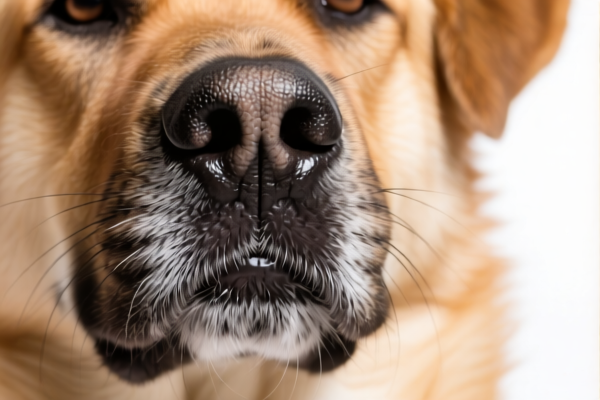
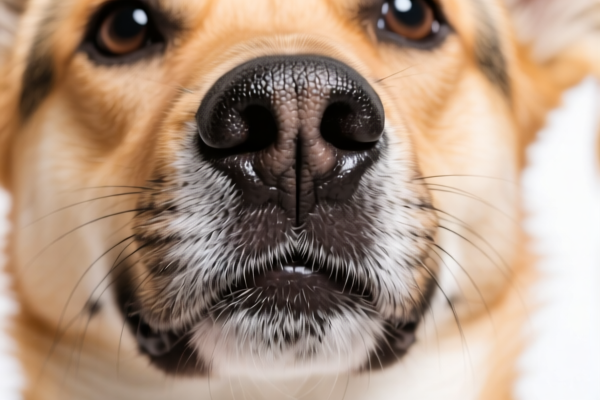
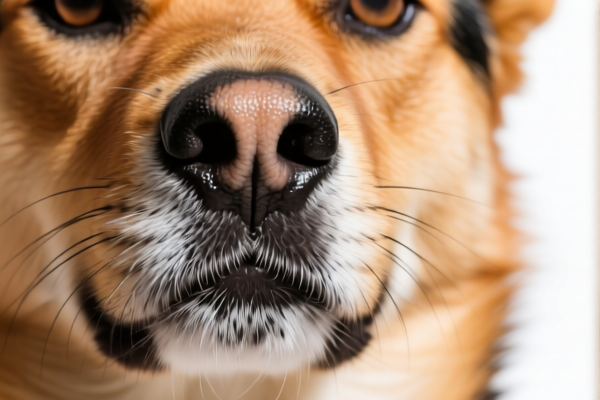
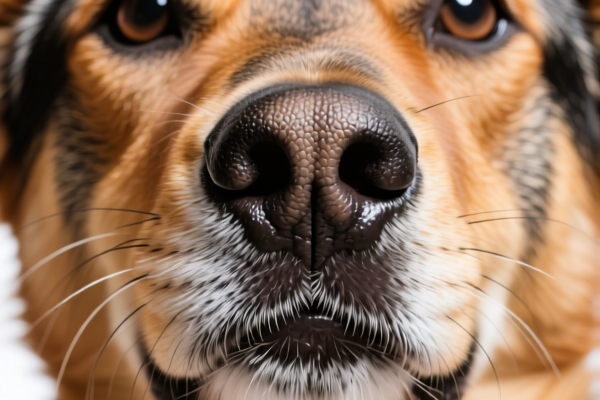
AI分析
🐕 General Purpose Animal Muzzles (Training & Utility)
🌐 HS Code Reference & Customs Clearance Guide | 2026 Latest Tariff Analysis | Professional Entry Strategy
📌 Part 1: Product Definition & Classification: What Exactly Are "General Purpose Animal Muzzles"?
General purpose animal muzzles are safety devices designed to prevent animals (primarily dogs, but sometimes other pets) from biting, eating foreign objects, or excessive panting. In international trade, they are not a single unified commodity but are classified based on material composition and functional design.
The classification hinges on two critical questions:
1. What is the primary material? (Plastic, Rubber, Textile, Leather)
2. Is it a standalone item or part of a training set?
⚠️ Key Distinction Points:
- If made of plastic/rubber → Falls under Chapter 39 (Plastics);
- If made of textile/leather → Falls under Chapter 63 (Textiles) or Chapter 42 (Leather);
- If sold as a kit with leashes/training tools → May fall under Chapter 42 (Harnesses/Trappings).
📦 Part 2: HS Code Classification Details (2026 Latest Tariff Authority对照)
Based on the provided data, here are the four possible HS Code classifications for "General Purpose Animal Muzzles" and "Pet Training Sets," along with their tax implications.
| HS Code | Product Description & Inference | Material/Type | Total Tax Rate (China Origin → US) |
|---|---|---|---|
3926.90.21.00 |
General Purpose Lightweight Animal Muzzle | Plastic, Fabric, or Rubber Specific use category under other plastic articles |
21.7% |
3926.90.99.89 |
General Purpose Lightweight Animal Muzzle | Plastic or Rubber General "basket" category for other plastic articles |
22.8% |
6307.90.98.91 |
General Purpose Lightweight Animal Muzzle | Fabric or Leather Categorized as other made-up articles |
24.5% |
4201.00.60.00 |
Pet Training Set (Includes muzzles, leashes, etc.) |
Harnesses/Trappings Set form for training |
37.8% |
8205.90.60.00 |
Pet Training Set (Based on residual classification) |
Hand Tools/Other Residual category for training tools |
35.0%* |
🔍 Critical Note on
8205.90.60.00:
The tax rate is listed asThe rate of duty applicable to that article in the set subject to +35.0%. This indicates a complex calculation based on set rules, often resulting in a high effective duty due to the "residual" nature of the classification.
💰 Part 3: 2026 Latest Tariff Rate Detailed Breakdown (Including Surcharges & Policy Add-ons)
✅ Applicable Country: United States (US)
✅ Origin: China (CN)
✅ Effective Date: Ongoing (Subject to current trade policies)
🎯 1. 3926.90.21.00 – Plastic/Fabric/Rubber Muzzle (Specific Use)
| Item | Detail |
|---|---|
| Base Tariff | 4.2% |
| Section 301 Surcharge | +7.5% |
| Section 122 Tariff | +10% |
| Total Tax Rate | 21.7% |
| Calculation Basis | CIF Value × 21.7% |
| De Minimis Exemption | ❌ Not Eligible (High tariff rates typically void de minimis for commercial shipments) |
📌 Explanation:
- This is the most favorable classification for muzzles made primarily of plastic or specific fabric blends.
- The "Section 122" tariff (10%) is a specific trade remedy that applies to certain goods, significantly impacting the total cost.
🎯 2. 3926.90.99.89 – Plastic/Rubber Muzzle (General Basket)
| Item | Detail |
|---|---|
| Base Tariff | 5.3% |
| Section 301 Surcharge | +7.5% |
| Section 122 Tariff | +10% |
| Total Tax Rate | 22.8% |
| Calculation Basis | CIF Value × 22.8% |
| De Minimis Exemption | ❌ Not Eligible |
📌 Explanation:
- Slightly higher than21.00due to a higher base tariff (5.3% vs 4.2%).
- Used when the plastic muzzle does not fit the "specific use" subcategory of21.00.
🎯 3. 6307.90.98.91 – Textile/Leather Muzzle
| Item | Detail |
|---|---|
| Base Tariff | 7.0% |
| Section 301 Surcharge | +7.5% |
| Section 122 Tariff | +10% |
| Total Tax Rate | 24.5% |
| Calculation Basis | CIF Value × 24.5% |
| De Minimis Exemption | ❌ Not Eligible |
📌 Explanation:
- Highest base tariff among the muzzle categories (7.0%).
- If your muzzle is made of canvas, nylon, or genuine leather, this is the likely classification. Avoid this if possible by optimizing material composition towards plastic.
🎯 4. 4201.00.60.00 – Pet Training Set (Muzzle + Leash etc.)
| Item | Detail |
|---|---|
| Base Tariff | 2.8% |
| Section 301 Surcharge | +25.0% |
| Section 122 Tariff | +10% |
| Total Tax Rate | 37.8% |
| Calculation Basis | CIF Value × 37.8% |
| De Minimis Exemption | ❌ Not Eligible |
📌 Explanation:
- WARNING: Selling muzzles as part of a "Set" triggers a massive 25% Section 301 surcharge instead of 7.5%.
- Even though the base tariff is low (2.8%), the total cost is nearly double that of a standalone plastic muzzle.
- Strategy: Ship muzzles separately from leashes/collars to avoid "Set" classification.
🎯 5. 8205.90.60.00 – Pet Training Set (Residual/Hand Tools)
| Item | Detail |
|---|---|
| Base Tariff | Variable ("Rate applicable to article in set") |
| Section 301 Surcharge | +25.0% |
| Section 122 Tariff | +10% |
| Total Tax Rate | 35.0% (Effective) |
| Calculation Basis | Complex Set Rule Application |
| De Minimis Exemption | ❌ Not Eligible |
📌 Explanation:
- This is a residual category. The high 25% Section 301 surcharge applies because it’s treated as a set or specific tool category.
- Highly risky for customs audits due to vague classification.
🛠️ Part 4: Customs Clearance Practical Advice (Avoiding Pitfalls)
✅ 1. Material Documentation is Key
| Material | Recommended HS Code | Risk Level |
|---|---|---|
| Plastic (e.g., Polypropylene, ABS) | 3926.90.21.00 |
🟢 Low (21.7%) |
| Rubber (Solid/Soft) | 3926.90.99.89 |
🟡 Medium (22.8%) |
| Fabric/Nylon/Leather | 6307.90.98.91 |
🔴 High (24.5%) |
📌 Action:
- Provide Material Composition Reports for every SKU.
- If a muzzle is 60% plastic and 40% fabric, argue for Chapter 39 (Plastic) as the essential character.
- If it’s mostly fabric, be prepared for the 24.5% rate.
✅ 2. Avoid "Set" Classification (Critical Cost-Saving Tip)
| Scenario | Correct Declaration | Wrong Declaration |
|---|---|---|
| Muzzle Only | 3926.90.21.00 (21.7%) |
❌ Do NOT declare as "Training Kit" |
| Muzzle + Leash Sold Together | Ship as Two Separate Line Items | ❌ Do NOT declare as "Pet Training Set" (37.8%) |
| Muzzle + Collar + Leash in One Box | Declare as Multiple Items with separate values | ❌ Do NOT declare as one "Set" |
🔥 Golden Rule:
"Separate SKUs, Separate Invoices Lines. Never combine muzzles with leashes in one HS Code."
Combining them triggers the 25% Section 301 surcharge (Section 42 classification), increasing taxes by ~16% compared to a standalone plastic muzzle.
✅ 3. Required Documents for Clearance
| Document | Requirement | Notes |
|---|---|---|
| Commercial Invoice | Must list Material (e.g., "PP Plastic Muzzle") | Avoid generic terms like "Pet Accessory" |
| Product Photos | Show Structure & Material | Highlight if it’s hard plastic vs. soft fabric |
| Material Test Report | Recommended | To prove plastic content >50% if mixed |
| Country of Origin | CN (China) | Subject to all surcharges |
| HS Code Pre-Ruling | Optional but Recommended | For large volumes, apply for Advance Ruling |
🌍 Part 5: Strategic Clearance Recommendations
🎯 Strategy 1: Optimize Material for Plastic (Chapter 39)
- Goal: Achieve 21.7% total tax.
- Action: Design muzzles using injected molded plastic (PP/ABS) or rubber.
- Why: Plastic muzzles have the lowest base tariff (4.2%) and the lowest Section 301 surcharge (7.5%).
🎯 Strategy 2: Separate Accessories
- Goal: Avoid 37.8% or 35% set rates.
- Action: If selling bundles, ensure the invoice lists:
3926.90.21.00– Animal Muzzle (Plastic) – $X4201.00.00.00– Leash (Textile/Leather) – $Y- Why: Keeps the muzzle at 21.7% and the leash at its respective rate, rather than lumping them into a high-tax "Set."
🎯 Strategy 3: Avoid Leather/Textile if Possible
- Goal: Avoid 24.5% tax.
- Action: Minimize use of genuine leather or heavy canvas. If used, ensure it’s a minor component (<40%) to argue for plastic classification.
📌 Part 6: Common Errors & Pitfalls (Lessons Learned)
❌ Error 1: Declaring a Plastic Muzzle as "Textile Article"
👉 Result: Higher tax (24.5% vs 21.7%).
👉 Fix: Provide material spec sheet showing >50% plastic.
❌ Error 2: Shipping Muzzle + Leash as One HS Code ("Training Set")
👉 Result: Tax jumps from 21.7% to 37.8%.
👉 Fix: Split into two separate line items on the commercial invoice.
❌ Error 3: Using Generic Description "Pet Muzzle"
👉 Result: Customs may misclassify or delay.
👉 Fix: Use specific descriptions: "Hard Plastic Dog Muzzle, Bask Type, PP Material."
✅ Correct Declaration Example:
Item: Lightweight Dog Muzzle
HS Code:3926.90.21.00
Material: Polypropylene (Plastic)
Description: "General purpose animal muzzle, made of hard plastic, used for bite prevention."
🎯 Part 7: Conclusion – Professional Declaration, Cost Efficiency!
🎯 Remember the Key Takeaways:
🔹 Material Matters: Plastic = 21.7% | Fabric/Leather = 24.5%
🔹 Sets are Expensive: Avoid "Training Sets" to escape the 25% Section 301 surcharge.
🔹 Declare Separately: Muzzles and leashes should NEVER be combined under one HS Code.
📌 Pro Tip:
For high-volume imports, apply for a Binding Ruling from US Customs (CBP) to lock in the
3926.90.21.00classification. This provides legal certainty and avoids surprise audits.
📣 Immediate Action:
✅ Audit your product material composition.
✅ Separate SKUs in your invoicing system.
✅ Work with your freight forwarder to ensure HS Code3926.90.21.00is used for plastic muzzles.
✨ Professional Customs Clearance Starts with Precise Classification!
💼 Every 1% Tax Savings Equals 1% More Profit!
用户评价
关于 HS 编码归类
协调制度(HS)是由世界海关组织(WCO)制定的国际贸易商品分类标准。全球 200 多个国家采用 HS 系统作为海关关税、贸易统计和进出口监管的基础。
每个 HS 编码遵循以下层级结构:
- 章(2 位)——商品大类(例如:第 84 章:机器和机械设备)
- 品目(4 位)——章内的更具体分类
- 子目(6 位)——国际通用细分,所有 WCO 成员国统一使用
- 本国细分(8-10 位)——各国自行扩展的细分编码,如美国 HTSUS 10 位编码
正确的 HS 编码归类对于顺利通关、准确缴纳关税和遵守贸易法规至关重要。错误归类可能导致海关延误、多缴关税或罚款。
从CN进口到US时,适用的关税税率可能包括:
- 最惠国(MFN)税率——适用于 WTO 成员国的标准关税税率
- 普通税率——适用于无贸易协定国家
- 贸易救济关税——附加关税,如 301 条款(反倾销)、232 条款(国家安全)或反补贴税
本页内容仅供参考。如需正式归类,请咨询当地海关或持牌报关代理。