glass bottle
CN → US| HS编码 | 关税税率 | 原产国 | 目的国 | 文档 |
|---|---|---|---|---|
| 7013999090 | 24.7% | CN | US | 官方文档 |
| 7010905039 | 35.0% | CN | US | 官方文档 |
| 7010905025 | 35.0% | CN | US | 官方文档 |
| 7020004000 | 41.6% | CN | US | 官方文档 |
| 7013492090 | 32.5% | CN | US | 官方文档 |
| 7013495090 | 25.0% | CN | US | 官方文档 |
商品图片

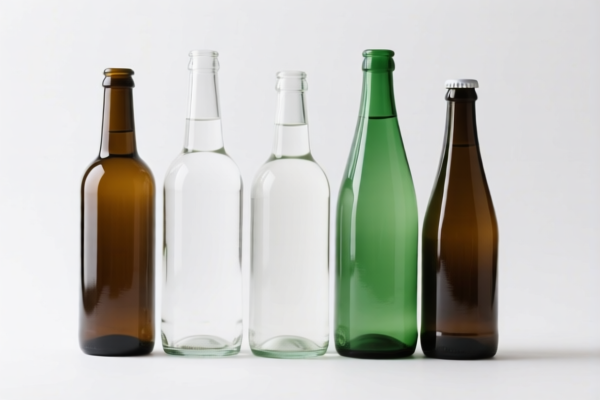
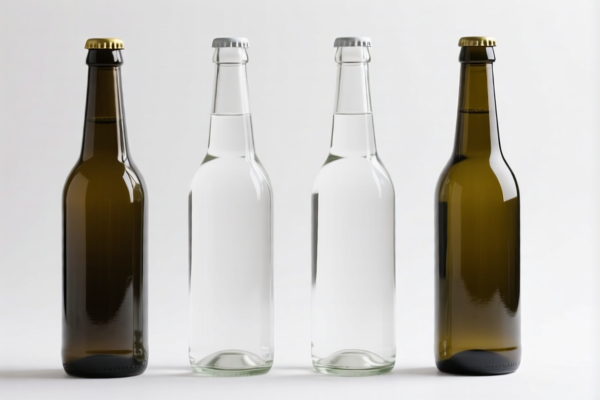

AI分析
🌿 Glass Bottle – Comprehensive HS Code & Tariff Guide (2026 Update)
🌐 HS Code Classification & Customs Clearance Strategy | 2026 U.S. Tariff Deep Dive | Expert-Level Compliance
📌 One Product, Multiple Codes — Know the Difference to Avoid 40%+ Tariff Traps!
📦 1. Product Definition & Classification: What Really Is a "Glass Bottle"?
A glass bottle is a container made of glass, typically used for storing liquids, food, or decorative purposes. In U.S. customs classification, not all glass bottles are treated the same — their intended use, material composition, and design features determine the correct HS Code and resulting tariff.
⚠️ Critical Insight:
- Decorative glass bottles (e.g., flower vases) → 7013.99.90.90
- Functional glass containers (e.g., food jars, kitchenware) → 7010.90.50.39 / 7010.90.50.25 / 7013.49.20.90 / 7013.49.50.90 / 7020.00.40.00
- Misclassification = 35%+ tariffs — even if the product looks identical!
📊 2. HS Code Breakdown (2026 U.S. Tariff Authority) – All Codes from
| HS Code | Product Description | Use Case | Key Classification Factor |
|---|---|---|---|
7013.99.90.90 |
Glass bottle, for indoor decoration (non-functional) | Home decor, floral arrangements, art pieces | Not for food/liquid storage |
7010.90.50.39 |
Glass jar, made of glass, general container | Food storage, pickles, sauces, cosmetics | No description? Use this default |
7010.90.50.25 |
Glass jar, made of glass, default code when description missing | Same as above | Fallback code if details unclear |
7020.00.40.00 |
Other glass containers, not elsewhere specified | Industrial, lab, or specialty storage | Higher tariff due to "other" classification |
7013.49.20.90 |
Glass jar, for table or kitchen use (e.g., condiments, spices) | Kitchenware, dining table storage | Functional, household use |
7013.49.50.90 |
Glass jar, for kitchen or table use, non-liquid storage | Dry goods, herbs, sugar, etc. | Lower base tariff, but still high overall |
🔍 Pro Tip:
- 7010.90.50.25 is the default fallback when product description is missing — always verify! - 7013.49.20.90 and 7013.49.50.90 are functional kitchenware — lower base tariff but still subject to high add-ons.
💰 3. 2026 U.S. Tariff Breakdown (With Full Legal Basis)
✅ Applicable Country: United States (US)
✅ Origin: China (CN)
✅ Effective Date: 2025–2026 (ongoing under Section 301 & IEEPA)
🎯 1. 7013.99.90.90 — Decorative Glass Bottle (Indoor Decoration)
| Item | Detail |
|---|---|
| Base Tariff | 7.2% (ad valorem) |
| Section 301 (USITC) Add-on | +7.5% |
| Section 122 (IEEPA) Add-on | +10% |
| Total Effective Tariff | 24.7% |
| Tax Calculation | CIF Value × 24.7% |
| De Minimis Threshold | ❌ Not eligible (no de minimis for China-origin goods) |
| Legal Pathway | IEEPA:9903.01.25 → USITC:7013.99.90.90 → FOOTNOTE:9903.88.01 |
📌 Why This Matters:
- Even though base tariff is low (7.2%), the combined 122 + 301 tariffs push it to 24.7%. - If you claim "decorative", ensure it has no functional closure, no sealing, no food-safe labeling.
🎯 2. 7010.90.50.39 — Glass Jar (General Container)
| Item | Detail |
|---|---|
| Base Tariff | 0.0% |
| Section 301 (USITC) Add-on | +25.0% |
| Section 122 (IEEPA) Add-on | +10% |
| Total Effective Tariff | 35.0% |
| Tax Calculation | CIF × 35.0% |
| De Minimis | ❌ Not eligible |
| Legal Pathway | IEEPA:9903.01.25 → USITC:7010.90.50.39 → FOOTNOTE:9903.88.01 |
📌 Red Flag Alert:
- 0% base tariff sounds good — but 25% + 10% = 35% is extremely high. - This code applies to any glass jar without a clear functional purpose — even if used for food.
🎯 3. 7010.90.50.25 — Glass Jar (Default Code When Description Missing)
| Item | Detail |
|---|---|
| Base Tariff | 0.0% |
| Section 301 (USITC) Add-on | +25.0% |
| Section 122 (IEEPA) Add-on | +10% |
| Total Effective Tariff | 35.0% |
| Tax Calculation | CIF × 35.0% |
| De Minimis | ❌ Not eligible |
| Legal Pathway | IEEPA:9903.01.25 → USITC:7010.90.50.25 → FOOTNOTE:9903.88.01 |
📌 Critical Warning:
- This is the default code when no description is provided. - If your invoice says "glass jar" with no further detail, U.S. Customs will apply this code. - You cannot avoid it unless you provide a full product description.
🎯 4. 7020.00.40.00 — Other Glass Containers (Unspecified Use)
| Item | Detail |
|---|---|
| Base Tariff | 6.6% |
| Section 301 (USITC) Add-on | +25.0% |
| Section 122 (IEEPA) Add-on | +10% |
| Total Effective Tariff | 41.6% |
| Tax Calculation | CIF × 41.6% |
| De Minimis | ❌ Not eligible |
| Legal Pathway | IEEPA:9903.01.25 → USITC:7020.00.40.00 → FOOTNOTE:9903.88.01 |
📌 High-Risk Code:
- "Other" classification = highest tariff. - Use only if the product doesn’t fit any other category. - Avoid this code at all costs — it’s a red flag for audits.
🎯 5. 7013.49.20.90 — Glass Jar for Table or Kitchen Use
| Item | Detail |
|---|---|
| Base Tariff | 22.5% |
| Section 301 (USITC) Add-on | +0.0% |
| Section 122 (IEEPA) Add-on | +10% |
| Total Effective Tariff | 32.5% |
| Tax Calculation | CIF × 32.5% |
| De Minimis | ❌ Not eligible |
| Legal Pathway | IEEPA:9903.01.25 → USITC:7013.49.20.90 → FOOTNOTE:9903.88.01 |
📌 Best Option for Functional Use:
- Higher base tariff (22.5%), but no 301 add-on. - Still 32.5% total — but better than 35% or 41.6%. - Use this if your jar is clearly for kitchen/table use.
🎯 6. 7013.49.50.90 — Glass Jar for Kitchen or Table Use
| Item | Detail |
|---|---|
| Base Tariff | 15.0% |
| Section 301 (USITC) Add-on | +0.0% |
| Section 122 (IEEPA) Add-on | +10% |
| Total Effective Tariff | 25.0% |
| Tax Calculation | CIF × 25.0% |
| De Minimis | ❌ Not eligible |
| Legal Pathway | IEEPA:9903.01.25 → USITC:7013.49.50.90 → FOOTNOTE:9903.88.01 |
📌 Most Favorable for Functional Jars:
- Only 25.0% total tariff — lowest among all codes. - Use only if the jar is clearly for kitchen/table use. - Must prove functionality — photos, labeling, usage instructions.
🛠️ 4. Customs Clearance Best Practices (Real-World Tips)
✅ 1. Documentation Checklist (Must-Have)
| Document | Required? | Why It Matters |
|---|---|---|
| ✅ Commercial Invoice | ✔️ | Must clearly state intended use (e.g., "for kitchen use", "decorative only") |
| ✅ Product Photos (360°) | ✔️ | Show closure type, labeling, size, shape |
| ✅ Product Specification Sheet | ✔️ | Include material, capacity, use case, sealing method |
| ✅ Labeling (if any) | ✔️ | "Not for food use", "For decorative purposes only" → avoids 301/IEEPA triggers |
| ✅ Certificate of Origin (CO) | ✔️ | Required for tariff eligibility |
| ✅ Test Reports (if applicable) | ✔️ | Food-grade safety, breakage resistance, etc. |
✅ 2.申报技巧(Pro Tips)
🔥 “Use the right name, pick the right code, avoid the 35% trap!”
| Scenario | Correct HS Code | Wrong Code | Risk |
|---|---|---|---|
| Decorative glass bottle (no function) | 7013.99.90.90 |
7010.90.50.39 |
24.7% vs 35.0% → Save 10.3% |
| Functional kitchen jar (spices, sugar) | 7013.49.50.90 |
7010.90.50.39 |
25.0% vs 35.0% → Save 10% |
| No description on invoice | 7010.90.50.25 |
7013.49.50.90 |
Default code applies — you lose control |
| Unknown use → "other" | ❌ Avoid 7020.00.40.00 |
Use 7013.49.50.90 if functional |
41.6% vs 25.0% → 16.6% extra |
✅ 3. Special Cases & Workarounds
| Situation | Solution |
|---|---|
| Product used for both decoration and storage | Declare as "decorative" only — avoid any food-related claims |
| No labeling or description | Apply 7010.90.50.25 by default — but you’re at 35% risk |
| Shipping to U.S. from Vietnam/Mexico | Apply for IEEPA exemption — may reduce to 0–5% |
| Bulk shipment with mixed types | Split by HS Code — don’t group all under one code |
🌍 5. Global Market Comparison (2026)
| Country | Recommended HS Code | Tariff | Certification | Notes |
|---|---|---|---|---|
| 🇺🇸 USA | 7013.49.50.90 (if functional) |
25.0% | None (but must prove use) | No de minimis for China |
| 🇨🇳 China | 7013.49.50.90 |
5% | CCC | No extra tariffs |
| 🇪🇺 EU | 7013.49.50.90 |
0% | CE | No 301/IEEPA |
| 🇦🇺 Australia | 7013.49.50.90 |
5% | RCM | No extra taxes |
| 🇯🇵 Japan | 7013.49.50.90 |
0% | PSE | No extra tariffs |
📌 Takeaway:
- Only the U.S. imposes 301 + IEEPA tariffs on Chinese glassware. - If you're exporting to the U.S. from China, you must plan for 25%–41.6%.
🚨 6. Common Mistakes & Costly Errors (Real Cases)
❌ Mistake 1: Declaring a kitchen jar as "decorative" to avoid 35%
👉 Result: Customs reclassifies it as functional → 35% tax + penalty
❌ Mistake 2: Using "glass jar" with no description
👉 Result: Default code 7010.90.50.25 → 35% tariff — avoidable!
❌ Mistake 3: Not providing photos or labeling
👉 Result: Customs delays, holds shipment, or demands reclassification
❌ Mistake 4: Grouping decorative and functional jars in one shipment
👉 Result: All items taxed at highest rate — 41.6% for "other" containers
✅ Correct Approach:
“Glass Jar, 500ml, for Kitchen Use (Spices), with Plastic Lid, Not Food-Grade, Not Sealed, For Decorative & Storage Use Only”
🎯 7. Final Verdict: Smart Classification = Lower Costs
🎯 Key Rule:
🔹 Functional = Use
7013.49.50.90→ 25.0%
🔹 Decorative = Use7013.99.90.90→ 24.7%
🔹 No description? →7010.90.50.25→ 35.0%
🔹 "Other" = Avoid at all costs → 41.6%
📌 Pro Tips for Exporters
- ✅ Always include a clear use case in your invoice and product description.
- ✅ Use high-quality photos showing no food contact, no sealing, no labels.
- ✅ Apply for Advance Ruling (Pre-Review) if you’re shipping large volumes.
- ✅ Consider shifting production to Vietnam/Mexico to avoid IEEPA tariffs.
📣 Act Now!
📞 Contact a U.S. customs broker + provide product photos + specs
🚀 Apply for HS Code pre-ruling before shipment
💼 Save thousands — one correct code at a time!
✨ Your Glass Bottle’s Future Starts with the Right HS Code!
💼 Don’t let misclassification destroy your margins!
用户评价
关于 HS 编码归类
协调制度(HS)是由世界海关组织(WCO)制定的国际贸易商品分类标准。全球 200 多个国家采用 HS 系统作为海关关税、贸易统计和进出口监管的基础。
每个 HS 编码遵循以下层级结构:
- 章(2 位)——商品大类(例如:第 84 章:机器和机械设备)
- 品目(4 位)——章内的更具体分类
- 子目(6 位)——国际通用细分,所有 WCO 成员国统一使用
- 本国细分(8-10 位)——各国自行扩展的细分编码,如美国 HTSUS 10 位编码
正确的 HS 编码归类对于顺利通关、准确缴纳关税和遵守贸易法规至关重要。错误归类可能导致海关延误、多缴关税或罚款。
从CN进口到US时,适用的关税税率可能包括:
- 最惠国(MFN)税率——适用于 WTO 成员国的标准关税税率
- 普通税率——适用于无贸易协定国家
- 贸易救济关税——附加关税,如 301 条款(反倾销)、232 条款(国家安全)或反补贴税
本页内容仅供参考。如需正式归类,请咨询当地海关或持牌报关代理。