glow in the dark reflective self adhesive roll
CN → US| HS编码 | 关税税率 | 原产国 | 目的国 | 文档 |
|---|---|---|---|---|
| 5907001500 | 43.0% | CN | US | 官方文档 |
| 3926909925 | 22.8% | CN | US | 官方文档 |
| 5907003500 | 43.0% | CN | US | 官方文档 |
| 3926909989 | 22.8% | CN | US | 官方文档 |
| 5907008090 | 35.0% | CN | US | 官方文档 |
商品图片
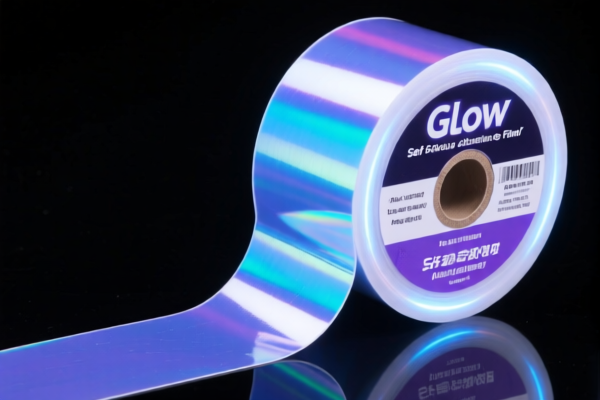
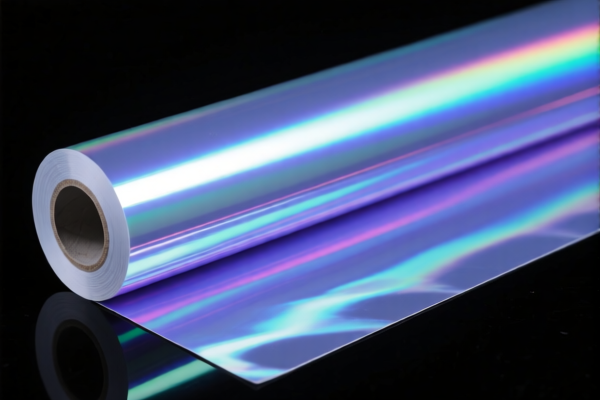
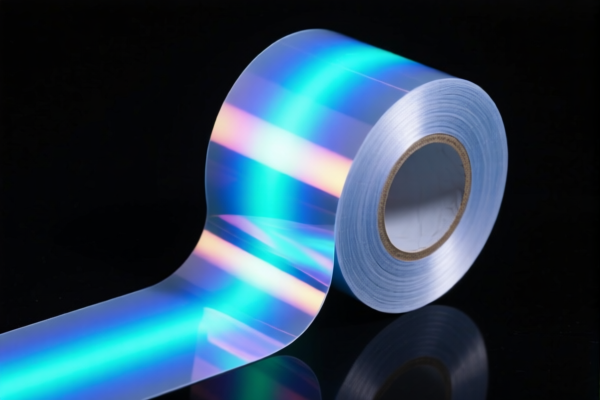
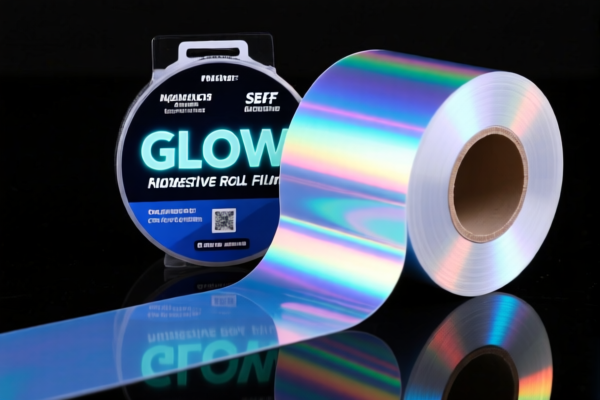
AI分析
🌙 Glow in the Dark Reflective Self-Adhesive Roll (Light-Activated Safety Tape)
🌐 HS Code Reference & Customs Clearance Guide | 2024/2025 Tariff Structure | Professional Clearance Strategy
📌 I. Product Definition & Classification: Do You Truly Understand "Reflective Tape"?
"Glow in the Dark Reflective Self-Adhesive Roll" is a composite safety material widely used in traffic safety, industrial marking, emergency signage, and consumer goods. In international trade, its classification is complex because it involves three distinct technical features: 1. Form: Roll (Flexible substrate) 2. Function: Reflective (Retro-reflective) + Glow-in-the-dark (Photoluminescent) 3. Structure: Self-adhesive (Backed with adhesive layer)
⚠️ Critical Classification Distinction:
- If the core material is Textile/Fabric treated with coating → Falls under Chapter 59 (Impregnated/Coated Textiles).
- If the core material is Plastic/Polymer film without textile base → Falls under Chapter 39 (Articles of Plastics).
- Why it matters: The base material determines whether you pay 43% or 22.8% in duties. Misclassification leads to massive cost discrepancies or customs seizures.
📦 II. HS Code Classification Details (Based on Provided Data)
| HS Code | Product Description | Key Characteristics | Base Material Inference | Total Tax Rate |
|---|---|---|---|---|
5907.00.15.00 |
Coated/Fabric Rolls: Polymer-coated fabric or film. | "Roll form," "Polymer-coated fabric/film," "Fits coated/classified category." | Textile/Fabric base with polymer coating | 43.0% |
3926.90.99.25 |
Plastic Sheets/Bands: Reflective warning signs. | "Sheet/Band form," "Reflective warning sign purpose," "Plastic material." | Plastic/Polymer base | 22.8% |
5907.00.35.00 |
Self-Adhesive Coated Fabrics: Reflective/Luminescent coating. | "Roll form," "Self-adhesive," "Reflective/Fluorescent coating," "Impregnated/Coated fabric." | Textile/Fabric base with self-adhesive + functional coating | 43.0% |
3926.90.99.89 |
Other Plastic Articles: Unspecified plastic rolls. | "Plastic/Polymer substrate," "Roll form," "Not specifically listed." | Plastic/Polymer base (Generic) | 22.8% |
5907.00.80.90 |
Textile Impregnation/Coating: Self-adhesive rolls. | "Roll form," "Textile impregnated/coated," "Fiber base," "Night-glow/Reflective = Coating function." | Fiber/Textile base | 35.0% |
🔍 Key Insight:
- Chapter 59 (HS 5907) applies when the primary identity is the textile/fabric being coated. Taxes are generally higher (35-43%). - Chapter 39 (HS 3926) applies when the primary identity is the plastic/polymer article. Taxes are lower (22.8%). - The "Self-Adhesive" aspect does not automatically change the chapter; it depends on whether the backing is textile (Ch 59) or plastic (Ch 39).
💰 III. 2024/2025 Tariff Rate Breakdown (Including Surcharges & Policy Add-ons)
✅ Applicable Country: USA (US)
✅ Origin: China (CN)
✅ Effective Time: Current US Trade Policy (Section 301 & IEEPA)
🎯 1. Textile-Based Classes (5907.00.15.00, 5907.00.35.00, 5907.00.80.90)
These codes fall under Chapter 59. Due to the high base tariff and additional surcharges, they carry the highest duty burden.
| Item | Detail |
|---|---|
| Base Tariff | 8.0% (for .15 & .35) / 0.0% (for .80) |
| Section 301 Surcharge | +25% (USITC Footnote 9903.88.01 / 9903.01.25) |
| IEEPA 122-Clause Tariff | +10% (Specific to certain Chinese goods under 122 Section) |
| Total Effective Rate | 43.0% (for .15 & .35) 35.0% (for .80) |
| Tax Calculation | CIF Value × 43% (or 35%) |
| De Minimis Exemption? | ❌ NO (deny_de_minimis applies) |
| Legal Basis Path | Base Tariff → USITC:301 → IEEPA:122 |
📌 Explanation:
- For5907.00.15.00and5907.00.35.00: Base 8% + 25% (Sec 301) + 10% (122) = 43%.
- For5907.00.80.90: Base 0% + 25% (Sec 301) + 10% (122) = 35%.
- Why is it so high? These are considered non-essential consumer/industrial textiles from China, subject to aggressive trade barriers.
🎯 2. Plastic-Based Classes (3926.90.99.25, 3926.90.99.89)
These codes fall under Chapter 39. Plastic articles generally benefit from lower base tariffs, resulting in a more manageable total duty rate.
| Item | Detail |
|---|---|
| Base Tariff | 5.3% |
| Section 301 Surcharge | +7.5% (Reduced rate for certain plastic articles under specific subheadings) |
| IEEPA 122-Clause Tariff | +10% |
| Total Effective Rate | 22.8% |
| Tax Calculation | CIF Value × 22.8% |
| De Minimis Exemption? | ❌ NO (deny_de_minimis applies) |
| Legal Basis Path | Base Tariff → USITC:301 → IEEPA:122 |
📌 Explanation:
- For3926.90.99.25and3926.90.99.89: Base 5.3% + 7.5% (Sec 301) + 10% (122) = 22.8%.
- Why lower? The Section 301 surcharge for these specific plastic subheadings is only 7.5%, not 25%, significantly reducing the total cost compared to textile-based tapes.
🛠️ IV. Customs Clearance Operational Advice (Practical Pitfall Guide)
✅ 1. Preparation Checklist (Essential Documents)
| Document | Required | Notes |
|---|---|---|
| ✅ Product Spec Sheet | ✔️ | Must detail: Base material (Fabric vs. Plastic), Adhesive type, Reflective material type (Glass beads vs. Prism), Glow-in-the-dark powder type. |
| ✅ Material Composition | ✔️ | Crucial: Explicitly state % of textile vs. plastic. If >50% textile by weight/value, likely Ch 59. |
| ✅ Product Photos | ✔️ | Show the roll, the adhesive side, and the reflective/glowing side under UV/light. |
| ✅ Commercial Invoice | ✔️ | Describe as "Reflective Safety Tape" or "Photoluminescent Adhesive Roll." Avoid vague terms like "Sticker." |
| ✅ Origin Certificate | ✔️ | If non-China origin, may qualify for lower duties (if applicable). |
| ✅ Testing Report | ✔️ | ASTM D4956 (Reflectivity) or similar standards to prove functional classification. |
✅ 2. Classification Strategy (The "Textile vs. Plastic" Decision)
🔥 "Base Material Dictates Tax Rate!"
| Scenario | Recommended HS Code | Tax Rate | Risk Level |
|---|---|---|---|
| Fabric Backing (e.g., Polyester cloth with coating) | 5907.00.35.00 |
43.0% | High Cost |
| Fabric Backing (Generic coated fabric roll) | 5907.00.15.00 |
43.0% | High Cost |
| Fabric Backing (Other textile coatings) | 5907.00.80.90 |
35.0% | Medium-High Cost |
| Plastic Film Backing (PVC/PE/PET film with adhesive) | 3926.90.99.25 |
22.8% | Lowest Cost |
| Plastic Film Backing (Generic unspecified plastic) | 3926.90.99.89 |
22.8% | Lowest Cost |
📌 Actionable Tip:
- If you have the flexibility to switch materials, switching from a Fabric-based tape to a Plastic-based tape can save you 20.2% in total duties (43% → 22.8%).
- Ensure the plastic backing is not "imprinted" with patterns that would push it into a different, potentially higher-tariff category.
✅ 3. Special Circumstances Handling
| Situation | Handling Advice |
|---|---|
| Mixed Materials (e.g., Plastic film on a textile backing) | Customs may apply the "essential character" rule. Usually, the textile backing dominates if it provides structural integrity → Ch 59 (43%). |
| Glow-in-the-Dark Only (No Retro-Reflective) | Still likely Ch 59 or Ch 39 depending on base. Ensure "Photoluminescent" is clearly stated to distinguish from purely reflective. |
| Small Rolls (<1m) | Same tax rate. No de minimis exemption for China-origin goods under current rules. |
| Customs Examination | Be prepared for a "Material Test." Customs may cut a sample and burn/test it to determine if the backing is textile or plastic. |
🌍 V. Global Market Comparison (2024/2025)
| Country/Region | Recommended HS Code | Estimated Total Duty | Certification Requirements | Notes |
|---|---|---|---|---|
| 🇺🇸 USA | 3926.90.99.25 |
22.8% | CE/FCC (if electronic components), ASTM D4956 | Best Option: Lower tax if plastic-based. |
| 🇨🇳 China | 3926.90.99.25 |
5-10% | CCC (if applicable) | No additional Section 301 surcharges. |
| 🇪🇺 EU | 3926.90.99 |
4-6.5% | CE Marking | No major anti-dumping duties on generic reflective tape. |
| 🇨🇦 Canada | 3926.90.99 |
5-10% | CPSIA (if for kids) | CFIA rules may apply if packaging claims safety. |
📌 Conclusion:
- The USA is the most expensive market due to Section 301 and IEEPA surcharges.
- Plastic-based tapes (3926) are significantly more cost-effective for US imports than Textile-based tapes (5907).
📌 VI. Common Errors & Pitfall Guide (Lessons Learned)
❌ Error 1: Classifying a Plastic-Based tape as 5907 (Textile)
👉 Consequence: Overpaying 20.2% in duties (43% vs 22.8%). Customs may audit and demand back payments.
❌ Error 2: Classifying a Fabric-Based tape as 3926 (Plastic)
👉 Consequence: Underpayment detected → Seizure, fines, and retroactive duties. Customs experts will identify the fabric backing during inspection.
❌ Error 3: Ignoring the IEEPA 122-Clause surcharge
👉 Consequence: If the product falls under specific 122-clause categories, an extra 10% is applied. Ensure your declaration matches the specific subheading to avoid disputes.
❌ Error 4: Vague Description "Adhesive Tape"
👉 Consequence: Customs will assign a default code, often the highest possible duty. Always specify: "Reflective/Glow-in-the-Dark Self-Adhesive Roll, [Material] Backing."
✅ Correct Declaration Example:
"Reflective & Photoluminescent Self-Adhesive Safety Tape, Roll Form, PVC Film Backing, for Traffic Safety Markings, Model XYZ, ASTM D4956 Compliant."
🎯 VII. Conclusion: Smart Classification, Smart Savings
🎯 Key Takeaway:
🔹 "Plastic Backing = 22.8% Tax"
🔹 "Fabric Backing = 35-43% Tax"
🔹 "Misclassification = Fines + Delay"
📌 Pro Tip:
If your product uses a polyester or nylon fabric backing, consider if switching to a high-density plastic (PVC/PET) backing is feasible for your application. The 20.2% duty savings can significantly boost your margin on high-volume shipments to the US.
📣 Immediate Action:
📞 Consult a licensed customs broker to verify your material composition.
🚀 Submit a Pre-Ruling Request if unsure about "Essential Character."
💼 Get the HS Code right from day one to avoid costly retroactive penalties.
✨ Professional Customs Clearance Starts with Precise Classification!
💼 Every percentage point of duty saved is pure profit earned!
用户评价
关于 HS 编码归类
协调制度(HS)是由世界海关组织(WCO)制定的国际贸易商品分类标准。全球 200 多个国家采用 HS 系统作为海关关税、贸易统计和进出口监管的基础。
每个 HS 编码遵循以下层级结构:
- 章(2 位)——商品大类(例如:第 84 章:机器和机械设备)
- 品目(4 位)——章内的更具体分类
- 子目(6 位)——国际通用细分,所有 WCO 成员国统一使用
- 本国细分(8-10 位)——各国自行扩展的细分编码,如美国 HTSUS 10 位编码
正确的 HS 编码归类对于顺利通关、准确缴纳关税和遵守贸易法规至关重要。错误归类可能导致海关延误、多缴关税或罚款。
从CN进口到US时,适用的关税税率可能包括:
- 最惠国(MFN)税率——适用于 WTO 成员国的标准关税税率
- 普通税率——适用于无贸易协定国家
- 贸易救济关税——附加关税,如 301 条款(反倾销)、232 条款(国家安全)或反补贴税
本页内容仅供参考。如需正式归类,请咨询当地海关或持牌报关代理。