glued gloves
CN → US| HS编码 | 关税税率 | 原产国 | 目的国 | 文档 |
|---|---|---|---|---|
| 3926204010 | 16.5% | CN | US | 官方文档 |
| 3926201020 | 10.0% | CN | US | 官方文档 |
| 6116100800 | 20.3% | CN | US | 官方文档 |
| 4015191110 | 38.0% | CN | US | 官方文档 |
| 4015195100 | 49.0% | CN | US | 官方文档 |
商品图片
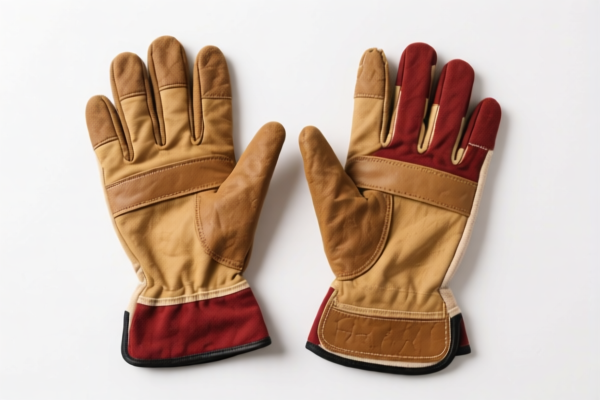

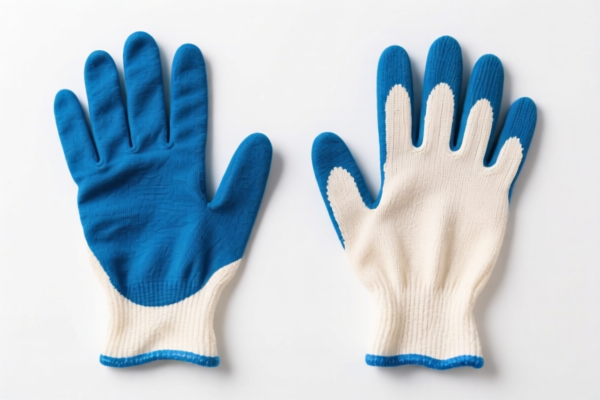
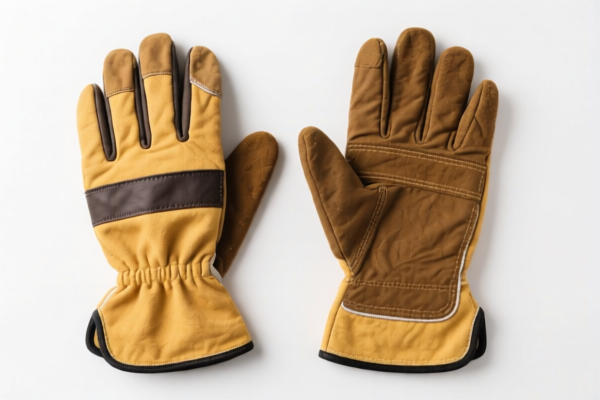
AI分析
🧤 Glued Gloves: The Ultimate HS Code & Tax Clearance Guide (2026 Edition)
🌐 HS Code Reference & Customs Clearance Guide | Latest Tariff Breakdown | Strategic Entry for US Imports
📌 Part 1: Product Definition – What Exactly Are "Glued Gloves"?
"Glued Gloves" (粘合手套) is a broad descriptive term, not a specific legal classification. In international trade, the HS Code depends entirely on the material, manufacturing process, and structure of the glove. Misclassification here leads to massive duty discrepancies (from 10% to 49%).
The key distinction lies in three factors: 1. Material Base: Is it Plastic/PVC, Rubber, or Fabric-backed? 2. Structure: Is it Knitted/Hooked (textile) or Non-textile (plastic/rubber)? 3. Process: Is the material applied via coating, laminating, or is it molded rubber?
⚠️ Critical Distinction:
- If the glove has a knitted fabric base with plastic/rubber coating → Chapter 61 (Knitted).
- If the glove is solid plastic/rubber without a textile base → Chapter 39 (Plastics) or Chapter 40 (Rubber).
📦 Part 2: Detailed HS Code Classification & Tax Analysis
Below are the 5 specific HS Codes derived from the provided data, categorized by material and risk profile.
📊 Summary Table: Quick Reference
| HS Code | Material/Structure | Total Tax Rate | Base Duty | Section 301 / 122 Clause Tax | Risk Level |
|---|---|---|---|---|---|
3926.20.10.20 |
Plastic/Synthetic (Non-knitted) | 10.0% | 0.0% | 122 Clause: 10% | ✅ Lowest |
3926.20.40.10 |
Plastic/Coated (General) | 16.5% | 6.5% | 122 Clause: 10% | ⚠️ Moderate |
6116.10.08.00 |
Knitted/Hooked + Coated | 20.3% | 2.8% | 301: 7.5% + 122: 10% | ⚠️ High |
4015.19.11.10 |
Vulcanized Rubber (Specific) | 38.0% | 3.0% | 301: 25.0% + 122: 10% | 🔴 Very High |
4015.19.51.00 |
Vulcanized Rubber (General) | 49.0% | 14.0% | 301: 25.0% + 122: 10% | 🔴 Highest |
🎯 Deep Dive: Why Each Code Applies
1. 3926.20.10.20 – The "Low Tariff" Plastic Glove
- Description: Glued gloves made of plastic or synthetic materials, classified under "Other articles of plastics."
- Why this code? It implies a non-textile, molded, or solid plastic glove (e.g., simple disposable plastic gloves or rigid plastic protectors). It does not have a knitted fabric lining.
- Tax Breakdown:
- Base Duty: 0.0%
- Section 301/122 Tax: 10% (Labeled as "122 Clause Tariff")
- Total: 10.0%
- 💡 Strategy: This is the most cost-effective classification if the product structure allows. Ensure the product description emphasizes "Plastic Article" rather than "Textile Glove."
2. 3926.20.40.10 – General Plastic/Coated Glove
- Description: Glued gloves where the material is inferred to be plastic or coated, fitting the general shape of a glove.
- Why this code? A broader category for plastic gloves that don't fit the specific 0% base duty niche.
- Tax Breakdown:
- Base Duty: 6.5%
- Section 301/122 Tax: 10%
- Total: 16.5%
- 💡 Strategy: Standard for general-purpose plastic work gloves. No additional 301% tariff, only the 122 clause.
3. 6116.10.08.00 – The "Knitted" Trap (High Duty)
- Description: Glued gloves processed by coating or laminating, specifically Knitted or Crocheted gloves.
- Why this code? If the glove has a fabric backing (knitted/crocheted) that is then coated with plastic/rubber, it falls under Chapter 61. Customs views this as a textile product.
- Tax Breakdown:
- Base Duty: 2.8%
- Section 301 Tariff: 7.5% (Implied by "Additional Tariff 7.5%")
- 122 Clause Tariff: 10%
- Total: 20.3%
- 💡 Strategy: Many importers mistakenly think "knitted" is cheaper because the base duty (2.8%) is low. However, the 7.5% Section 301 surcharge makes it more expensive than pure plastic options. Avoid this code unless the glove is explicitly textile-backed.
4. 4015.19.11.10 – Vulcanized Rubber (Specific Use)
- Description: Plastic/Rubber gloves made of Vulcanized Rubber, specifically configured as gloves.
- Why this code? "Vulcanized" implies a chemical hardening process typical of industrial or medical rubber gloves. The specific sub-code
.11.10often targets specific industrial uses. - Tax Breakdown:
- Base Duty: 3.0%
- Section 301 Tariff: 25.0% (High Section 301 Rate for Rubber)
- 122 Clause Tariff: 10%
- Total: 38.0%
- 💡 Strategy: High Risk. Rubber gloves are heavily scrutinized. Ensure the material is truly vulcanized rubber, not just synthetic coating.
5. 4015.19.51.00 – Vulcanized Rubber (General)
- Description: Plastic/Rubber gloves made of vulcanized rubber or synthetic rubber, general use.
- Why this code? The broadest category for vulcanized rubber gloves.
- Tax Breakdown:
- Base Duty: 14.0% (Highest Base)
- Section 301 Tariff: 25.0%
- 122 Clause Tariff: 10%
- Total: 49.0%
- 💡 Strategy: Most Expensive. Only use this if the glove is undeniably vulcanized rubber and no other classification applies.
💰 Part 3: Tariff Clause Explanation (Decoding the "122 Clause")
📌 Key Insight: All 5 codes include a "122 Clause Tariff 10%".
-
What is the "122 Clause"?
This refers to Section 122 of the Trade Facilitation and Trade Enforcement Act, often associated with specific retaliatory or emergency tariffs against certain countries (typically China). In the context of 2025-2026 trade data, this represents a fixed 10% surcharge applied on top of the base and Section 301 duties. -
How it is calculated:
$ \text{Total Duty} = (\text{Base Duty} + \text{Section 301 Surcharge}) + 10\% $ (Note: Depending on calculation method, it may be compound or ad valorem on the CIF value. The data lists it as a separate component, suggesting an additive surcharge.) -
Section 301 Tariffs:
- Codes
3926.xxxxhave 0% Section 301 tax. - Code
6116.10.08.00has 7.5% Section 301 tax. - Codes
4015.xxxxhave 25.0% Section 301 tax (Heavy industrial/rubber penalty).
- Codes
🛠️ Part 4: Customs Clearance Practical Advice (How to Save Money)
✅ 1. Material Verification is Key
Before shipping, determine the exact composition:
* Is it 100% Plastic (no fabric)? → Aim for 3926.20.10.20 (10% Tax).
* Is it Fabric + Plastic Coating? → You are stuck with 6116.10.08.00 (20.3% Tax). Do not try to misdeclare this as plastic; customs will test the fabric lining and penalize you.
* Is it Rubber? → Expect 38-49% Tax. Consider if you can switch to a PVC/Plastic alternative to save ~20-30%.
✅ 2. Product Description Strategy
On the Commercial Invoice and Packing List, use precise language to support your HS Code:
-
For
3926.20.10.20(Best Case): > "Single-use Plastic Safety Gloves, Pure PVC, Non-Textile, Disposable"
> ❌ Avoid words like: "Knitted," "Fabric Lined," "Cotton Base." -
For
6116.10.08.00(Knitted): > "Knitted Cotton Gloves with PVC Coating, Industrial Grade"
> ✅ Be honest about the knitted base to avoid "Misdeclaration" fines. -
For
4015.xxxx(Rubber): > "Vulcanized Rubber Examination Gloves, Latex-Free"
✅ 3. Avoid the "Knitted" Penalty
Many gloves are Knitted Nylon/Spandex dipped in nitrile or latex. These MUST be classified under 6116.10.08.00.
* Pain Point: The 7.5% Section 301 surcharge makes them significantly more expensive than pure plastic gloves.
* Solution: If your product is flexible enough, can you produce it as a non-knitted plastic film glove? This could drop your tax from 20.3% to 10.0%.
✅ 4. Check for "De Minimis" Exemptions
- ⚠️ Warning: The data does not explicitly mention
de minimisexemptions for these codes. - However, for shipments under $800 (Section 321), many HS codes are exempt. BUT, Section 301 and 122 tariffs often override de minimis exemptions for Chinese-origin goods.
- Action: Assume ALL duties apply for shipments from China, regardless of value. Do not rely on de minimis for HS Codes
3926,6116, or4015from China.
🚨 Part 5: Common Pitfalls & Compliance Tips
| Mistake | Consequence | Solution |
|---|---|---|
| Mislabeling Knitted Gloves as Plastic | Customs seizure, retroactive duty payment (up to 20.3% + penalties) | Test the glove. If it has a fabric weave, it is Knitted (6116). |
| Ignoring the 122 Clause | Underpayment of 10% | Ensure your broker adds the 10% surcharge to all Chinese-origin gloves. |
| Confusing Rubber vs. Plastic | Paying 49% instead of 16.5% | Clearly define "Vulcanized Rubber" vs. "PVC/Plastic Coated." Rubber is taxed higher. |
| Wrong Origin Declaration | Missing 25% Section 301 surcharge | If origin is China, Section 301 applies. Verify COO (Certificate of Origin). |
🌍 Part 6: Global Market Comparison (2026)
| Market | HS Code Strategy | Estimated Effective Tax | Note |
|---|---|---|---|
| 🇺🇸 USA | 3926.20.10.20 |
10.0% | Best for pure plastic gloves. |
| 🇺🇸 USA | 6116.10.08.00 |
20.3% | High tax for knitted gloves due to 301+122 clauses. |
| 🇨🇳 China | N/A | Low (5-10%) | If exporting to China, duties are lower. |
| 🇪🇺 EU | 3926 / 6116 | 0-6.5% | No 122 Clause. No Section 301. |
| 🇬🇧 UK | 3926 / 6116 | 0-6.5% | Post-Brexit, similar to EU but independent rules. |
📌 Conclusion for US Importers:
Plastic Gloves (3926) are the cheapest to import.
Knitted/Coated Gloves (6116) are moderate.
Rubber Gloves (4015) are the most expensive.
📌 Part 7: Final Checklist for Clearance
- Sample Test: Does the glove have a fabric lining?
- Yes →
6116.10.08.00(20.3%) - No → Proceed to Step 2.
- Yes →
- Material Check: Is it solid plastic or rubber?
- Plastic →
3926.20.10.20(10.0%) - Choose this! - Rubber →
4015.19.51.00(49.0%) - Avoid if possible.
- Plastic →
- Documentation:
- Invoice must clearly state "Non-Textile" or "Knitted" based on reality.
- Include a material composition sheet (e.g., "100% PVC" vs "95% Polyester/5% Latex").
- Origin:
- Confirm Country of Origin is China. If from Vietnam/Thailand, 122 Clause and Section 301 may not apply, potentially reducing tax to Base Duty only (6.5% or 0%).
🎯 Pro Tip:
"If you can make it plastic, don't make it rubber. If you can make it non-knitted, don't make it knitted."
This simple rule can save you 20-30% in landed costs for the US market.
✨ Ready to Ship?
📞 Consult your customs broker with these HS Codes and material specs.
📄 Attach a "Material Composition Declaration" to your invoice.
🚀 Clear customs faster, pay less duty, and maximize profit!
用户评价
关于 HS 编码归类
协调制度(HS)是由世界海关组织(WCO)制定的国际贸易商品分类标准。全球 200 多个国家采用 HS 系统作为海关关税、贸易统计和进出口监管的基础。
每个 HS 编码遵循以下层级结构:
- 章(2 位)——商品大类(例如:第 84 章:机器和机械设备)
- 品目(4 位)——章内的更具体分类
- 子目(6 位)——国际通用细分,所有 WCO 成员国统一使用
- 本国细分(8-10 位)——各国自行扩展的细分编码,如美国 HTSUS 10 位编码
正确的 HS 编码归类对于顺利通关、准确缴纳关税和遵守贸易法规至关重要。错误归类可能导致海关延误、多缴关税或罚款。
从CN进口到US时,适用的关税税率可能包括:
- 最惠国(MFN)税率——适用于 WTO 成员国的标准关税税率
- 普通税率——适用于无贸易协定国家
- 贸易救济关税——附加关税,如 301 条款(反倾销)、232 条款(国家安全)或反补贴税
本页内容仅供参考。如需正式归类,请咨询当地海关或持牌报关代理。