gold tassel lace
CN → US| HS编码 | 关税税率 | 原产国 | 目的国 | 文档 |
|---|---|---|---|---|
| 5806321095 | 41.0% | CN | US | 官方文档 |
| 5806393010 | 35.0% | CN | US | 官方文档 |
商品图片
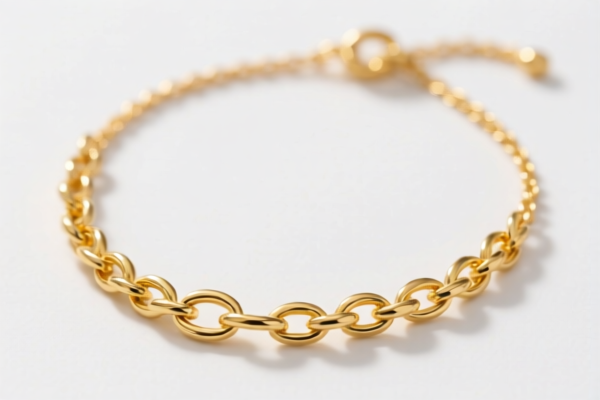
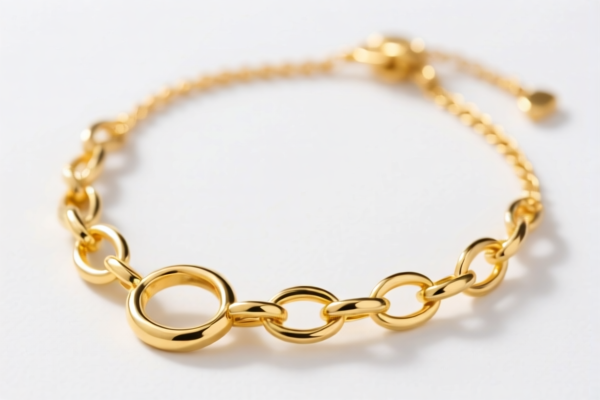
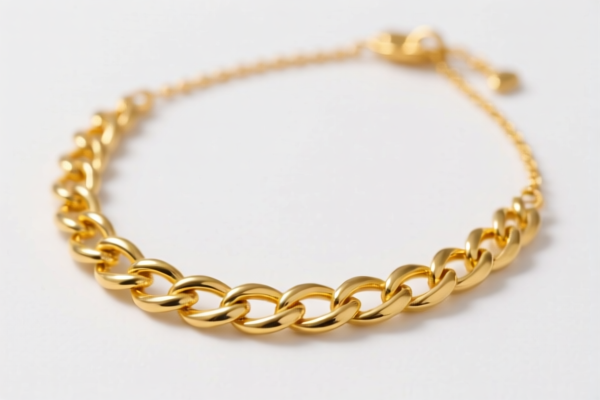
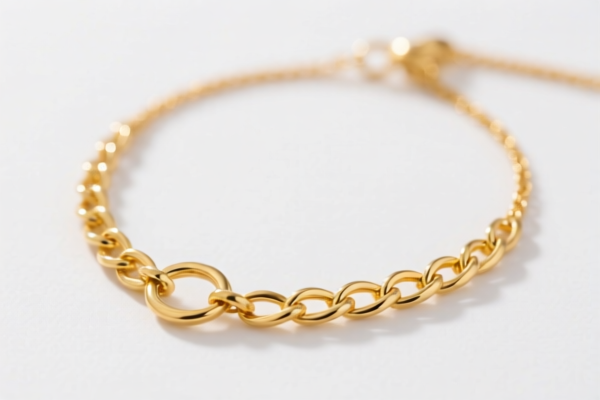
AI分析
✨ Gold Tassel Lace (Narrow Woven Fabrics & Ribbons)
🌐 HS Code Reference & Clearance Guide | 2026 Latest Tariff Analysis | Professional Customs Strategy
📌 I. Product Definition & Classification: Do You Really Understand "Gold Tassel Lace"?
"Gold Tassel Lace" is a decorative textile accessory, often used in high-end apparel, bridal wear, home decor, or gift packaging. In international trade, it falls under Chapter 58: Special Woven Fabrics; Tufted Textile Fabrics; Lace; Tapestry; Trimmings; Embroidery.
Specifically, it is classified based on: 1. Construction: Is it a woven narrow fabric (ribbon-like) or a lace fabric (openwork)? 2. Material Composition: Is it made of synthetic fibers (polyester, nylon) or natural fibers (silk, cotton)? 3. Width: Is it "narrow" (usually < 30cm)?
⚠️ Key Distinction Point:
- If it is a woven narrow fabric (warp and weft interlaced) used as a trim/ribbon → It falls under Heading 5806.
- If it is a lace fabric (net-like structure, often non-woven or knotted) → It may fall under Heading 5804 or 5807, depending on exact structure.
- Note: The provided<DATA>specifically points to Heading 5806 (Narrow Woven Fabrics). Therefore, we will focus on the Woven Ribbon/Narrow Fabric classification.
📦 II. HS Code Classification Details (2026 Latest Tariff Authority Reference)
Based on the provided <DATA>, the product "Gold Tassel Lace" (interpreted as a narrow woven fabric/ribbon with decorative tassels) is classified under two potential HS Codes, depending on the material composition:
| HS Code | Product Description | Material | Application Scenario | Tax Rate (US Import from China) |
|---|---|---|---|---|
5806.32.10.95 |
Narrow woven fabrics, other than goods of heading 5807; other woven fabrics: Of man-made fibers: Ribbons Other: Other | Man-made Fibers (e.g., Polyester, Nylon, Acrylic) | Synthetic decorative trims, cheap fashion accessories, industrial straps | 0.0% |
5806.39.30.10 |
Narrow woven fabrics, other than goods of heading 5807; other woven fabrics: Of other textile materials: Other: Containing 85 percent or more by weight of silk or silk waste | Silk (≥85% Silk) | Luxury bridal lace, high-end decorative trims, premium gift ribbons | 25.0% |
🔍 Critical Reminder:
- Synthetic Ribbons: If your "Gold Tassel Lace" is made of polyester or other synthetic fibers, it falls under5806.32.10.95.
- Silk Ribbons: If it is made of silk (≥85% silk content), it falls under5806.39.30.10.
- Mixed Materials: If the blend is <85% silk but still natural fiber, it may fall under "Other textile materials" but not the specific silk subheading5806.39.30.10. It would likely fall under a different "Other" subheading not listed in the provided data, or potentially5806.39.90depending on the exact blend.
- Tassel Component: If the tassel is a separate attachment (e.g., glued or sewn on), the entire item is still classified as the fabric itself. If the tassel is an integral part of the weaving process, it remains a narrow woven fabric.
💰 III. 2026 Latest Tariff Rate Breakdown (Including Surcharges, Policy Add-ons)
✅ Applicable Country: United States (US)
✅ Origin: China (CN)
✅ Effective Time: Current rates (as per provided data)
🎯 1. 5806.32.10.95 —— Narrow Woven Fabrics of Man-Made Fibers (Ribbons)
| Item | Content |
|---|---|
| Base Tariff | 0% (ad valorem) |
| Section 301 Surcharge (USITC) | 0% (No additional 25% tariff for this specific HS code) |
| IEEPA Surcharge | 0% (Not listed in the provided data) |
| Total Tax Rate | 0.0% |
| Calculation | CIF Value × 0% = $0 |
| De Minimis Eligibility | ✅ Yes (Likely eligible for Section 321 de minimis if value <$800, unless subject to other restrictions) |
| Legal Basis | HTSUS 2026, Chapter 58, Heading 5806 |
📌 Explanation:
- This is a low-tariff item.
- Man-made fiber ribbons/narrow fabrics are generally not subject to the high 301 tariffs that apply to many industrial goods or certain textiles.
- Benefit: High profitability margin, low customs clearance cost.
🎯 2. 5806.39.30.10 —— Narrow Woven Fabrics of Silk (≥85%)
| Item | Content |
|---|---|
| Base Tariff | 0% (ad valorem) |
| Section 301 Surcharge (USITC) | +25% |
| IEEPA Surcharge | 0% (Not listed in the provided data) |
| Total Tax Rate | 25.0% |
| Calculation | CIF Value × 25% |
| De Minimis Eligibility | ❌ No (Section 301 tariffs generally apply, de minimis may be suspended for China-origin goods under certain conditions, but 25% tax must be paid) |
| Legal Basis | HTSUS 2026, Chapter 58, Heading 5806, USITC Footnote for Section 301 |
📌 Explanation:
- High Surcharge: Although the base tariff is 0%, the 25% Section 301 tariff applies to silk narrow fabrics from China.
- Impact: This significantly increases the landed cost. For example, on a $1,000 shipment, you must pay $250 in customs duties.
- Strategy: This makes silk-based trims less competitive compared to synthetic ones unless positioned as luxury goods with high margins.
🛠️ IV. Customs Clearance Practical Advice (Real-World Pitfall Guide)
✅ 1. Required Documentation Checklist (Must-Have)
| Document | Required | Description |
|---|---|---|
| ✅ Commercial Invoice | ✔️ | Must clearly state: "Narrow Woven Fabric, Gold Tassel Lace, [Material: Polyester/Silk], HS Code: 5806.32.10.95 or 5806.39.30.10" |
| ✅ Packing List | ✔️ | Detailed weight, dimensions, and quantity. |
| ✅ Material Composition Certificate | ✔️ | Critical! Must specify exact fiber content (e.g., "100% Polyester" or "85% Silk, 15% Nylon"). Customs will verify this to determine if the 25% tariff applies. |
| ✅ Product Photos | ✔️ | Show the lace structure, width, and tassel attachment. |
| ✅ Certificate of Origin (CO) | ✔️ | Needed to prove origin (China). |
| ✅ Labeling | ✔️ | Ensure products are labeled with fiber content and country of origin as per US law. |
✅ 2. Declaration Tips (Key Mnemonics)
🔥 "Material Determines Tariff, Silk Triggers 25%, Synthetics Stay Low!"
| Scenario | Correct Declaration | Wrong Approach |
|---|---|---|
| Polyester Gold Lace | HS: 5806.32.10.95, Tax: 0% |
Misdeclare as Silk → Risk of fraud penalty |
| Silk Gold Lace (≥85%) | HS: 5806.39.30.10, Tax: 25% |
Misdeclare as Polyester → Severe Penalty + Back Taxes |
| Mixed Silk (e.g., 50% Silk) | HS: 5806.39.90 (Check other "Other" subheadings) |
Force into 5806.39.30.10 → Incorrect Classification |
| Tassel as Separate Item | Declare as fabric; tassel is part of fabric | Split declaration → Complex and risky |
✅ 3. Special Situation Handling
| Situation | Handling Advice |
|---|---|
| High-Value Silk Ribbons | Consider pricing strategy to absorb 25% tax, or explore sourcing from non-China countries (e.g., Italy, China's silk from Vietnam/Thailand if rules of origin allow). |
| Synthetic Ribbons | Enjoy 0% tariff. Focus on volume and speed. Ensure "Man-made fiber" is clearly stated. |
| Lace vs. Ribbon | If the product is true lace (net-like, non-woven), it might fall under 5804 or 5807. Do not use 5806 unless it is clearly a narrow woven fabric. Misclassification can lead to delays. |
| Customs Inquiry | If asked, provide a fiber analysis report from a third-party lab (e.g., SGS, Intertek) to prove material content. |
🌍 V. Global Market Comparison (2026 Latest)
| Country/Region | Recommended HS Code | Tariff (China Origin) | Certification Required | Notes |
|---|---|---|---|---|
| 🇺🇸 USA | 5806.32.10.95 (Synthetic) |
0% | None | Best Market for Synthetics |
| 🇺🇸 USA | 5806.39.30.10 (Silk) |
25% | None | High Cost for Silk |
| 🇪🇺 EU | 5806.32 (Synthetic) |
0% | CE (if functional), REACH | Free trade agreement benefits may apply |
| 🇪🇺 EU | 5806.39 (Silk) |
0% | REACH | No additional tariffs like US Section 301 |
| 🇨🇳 China | 5806.32 |
5% | None | Domestic production is cheap |
| 🇬🇧 UK | 5806.32 |
0% | UKCA | Post-Brexit rules similar to EU |
📌 Conclusion:
- USA is the most tax-sensitive market due to Section 301 tariffs on silk.
- EU and UK are more favorable for both synthetic and silk narrow fabrics (0% base tariff, no surcharges).
- For US imports, prioritize synthetic materials to avoid the 25% tax.
📌 VI. Common Errors & Pitfall Guide (Blood Tears Lessons)
❌ Error 1: Declaring Silk Lace as Synthetic to avoid 25% tax
👉 Consequence: Customs inspection reveals fiber content → Back taxes + 25% penalty + Possible seizure
❌ Error 2: Declaring Woven Ribbon as Lace (5804)
👉 Consequence: Incorrect HS code → Delayed clearance, requests for explanation, potential reclassification and tariff adjustment
❌ Error 3: Ignoring Tassel Weight/Composition
👉 Consequence: If tassels are heavy metal or different material, customs may ask for detailed breakdown. Ensure the entire item is homogeneous or clearly described.
❌ Error 4: Using "Lace" in the product name for a Woven Fabric
👉 Consequence: Confusion. Use "Narrow Woven Fabric, Ribbon, or Trim" in the description if it's woven. "Lace" usually implies 5804/5807.
✅ Correct Practice:
"Narrow Woven Fabric, Polyester Gold Tassel Ribbon, Width 2cm, HS 5806.32.10.95"
OR
"Narrow Woven Fabric, Silk Gold Tassel Ribbon, ≥85% Silk, Width 3cm, HS 5806.39.30.10"
🎯 VII. Conclusion: Professional Declaration, Save Time and Money!
🎯 Remember the Mnemonic:
🔹 "Synthetic Zero, Silk Twenty-Five, Material Certificate is Key!"
🔹 "HS Code Decides Tax, 25% Difference Matters, Correct Declaration Saves Thousands!"
📌 Tip:
- If your "Gold Tassel Lace" is mixed material (e.g., 50% silk, 50% polyester), it does not qualify for 5806.39.30.10 (which requires ≥85% silk). It will likely fall under a different "Other" subheading, possibly with different tax implications. Always verify the exact fiber blend.
- Consider pre-classification rulings with US Customs (CBP) if you are importing large volumes of mixed-material products.
📣 Immediate Action:
📞 Contact a professional customs broker + Provide fiber content certificate + Apply for HS Code Pre-Ruling if unsure.
🚀 Ensure your Gold Tassel Lace clears customs smoothly, efficiently, and cost-effectively!
✨ Professional Customs Clearance Starts with Accurate Classification!
💼 Every cent of your cost deserves precise calculation!
用户评价
关于 HS 编码归类
协调制度(HS)是由世界海关组织(WCO)制定的国际贸易商品分类标准。全球 200 多个国家采用 HS 系统作为海关关税、贸易统计和进出口监管的基础。
每个 HS 编码遵循以下层级结构:
- 章(2 位)——商品大类(例如:第 84 章:机器和机械设备)
- 品目(4 位)——章内的更具体分类
- 子目(6 位)——国际通用细分,所有 WCO 成员国统一使用
- 本国细分(8-10 位)——各国自行扩展的细分编码,如美国 HTSUS 10 位编码
正确的 HS 编码归类对于顺利通关、准确缴纳关税和遵守贸易法规至关重要。错误归类可能导致海关延误、多缴关税或罚款。
从CN进口到US时,适用的关税税率可能包括:
- 最惠国(MFN)税率——适用于 WTO 成员国的标准关税税率
- 普通税率——适用于无贸易协定国家
- 贸易救济关税——附加关税,如 301 条款(反倾销)、232 条款(国家安全)或反补贴税
本页内容仅供参考。如需正式归类,请咨询当地海关或持牌报关代理。