guitar accessories: tailpiece
CN → US| HS编码 | 关税税率 | 原产国 | 目的国 | 文档 |
|---|---|---|---|---|
| 9209928000 | 22.1% | CN | US | 官方文档 |
| 9209924000 | 0.0% | CN | US | 官方文档 |
| 3926902500 | 24.0% | CN | US | 官方文档 |
| 3926909989 | 22.8% | CN | US | 官方文档 |
| 7326908688 | 87.9% | CN | US | 官方文档 |
商品图片
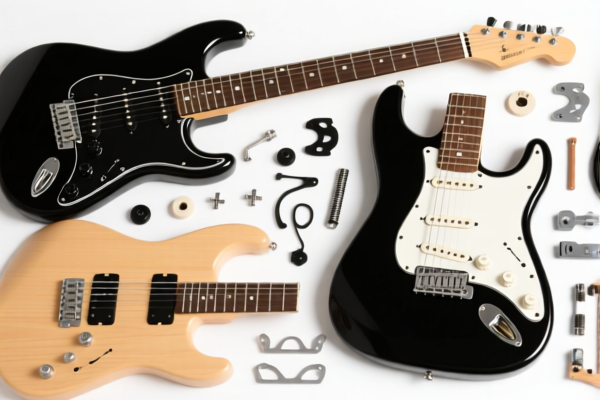
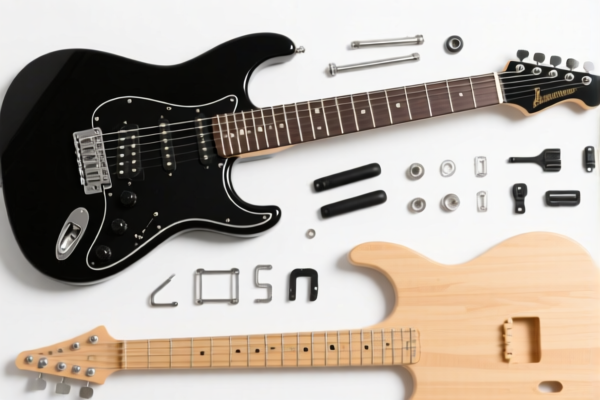
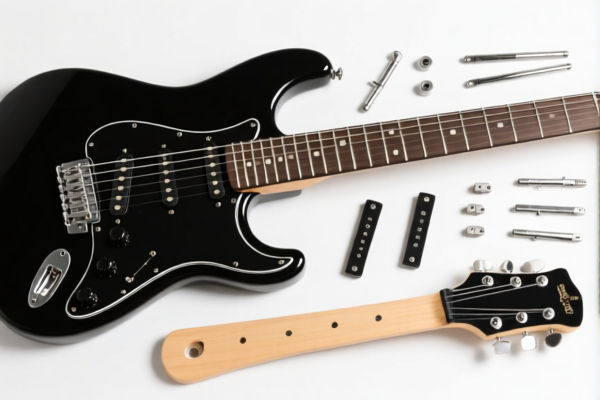
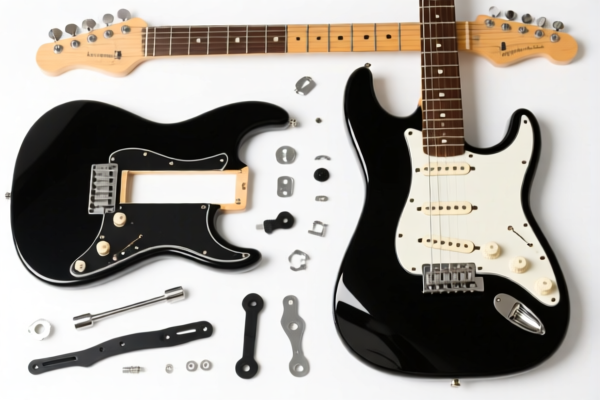
AI分析
🎸 Guitar Accessories: Tailpiece (Guitar Hardware)
🌐 HS Code Reference & Customs Clearance Guide | 2026 Latest Tariff Analysis | Professional Clearance Strategy 📌 I. Product Definition: What Exactly is a "Tailpiece"?
The Tailpiece is a critical hardware component in stringed instruments (particularly electric and hollow-body guitars). Its primary function is to anchor the strings at the body end of the guitar, transferring string vibration to the instrument's body and allowing for precise tension adjustment.
In international trade, the classification of a tailpiece depends heavily on its material composition and specific design purpose:
- Musical Instrument Parts: If clearly identifiable as a part of a musical instrument (Chapter 92).
- Plastic Articles: If made primarily of plastic and not specifically described as an instrument part elsewhere (Chapter 39).
- Metal Articles (Steel/Iron): If made of steel or iron/steel alloys (Chapter 73).
⚠️ Key Distinction Point: - If the tailpiece is metal (steel/iron): It often faces the highest tariffs due to Section 232 (Steel/Aluminum) and Section 301 duties. - If it is plastic: It falls under general plastic articles, avoiding the high steel-specific tariffs but still subject to general anti-dumping/Section 301 duties. - Specific Instrument Part vs. General Part: Classification under 9209 (Parts of Musical Instruments) is often preferred for specialized hardware, but customs may reclassify it based on material if it doesn't meet the strict "specialized part" definition for that specific HS code subheading.
📦 II. HS Code Classification Details (2026 Tariff Authority Comparison)
Based on the provided data, here are the potential HS Codes and their corresponding tax implications for Guitar Tailpieces imported into the US from China:
| HS Code | Product Description | Material/Attribute | Primary Category |
|---|---|---|---|
9209.92.80.00 |
Parts & Accessories of Musical Instruments (Guitar Tailpiece) | General/Unspecified | Chapter 92: Musical Instruments |
9209.92.40.00 |
Other Parts of Musical Instruments (Guitar Tailpiece) | "Pins" context / General Part | Chapter 92: Musical Instruments |
3926.90.25.00 |
Other Plastic Articles (Guitar Tailpiece) | Plastic | Chapter 39: Plastics |
3926.90.99.89 |
Other Plastic Articles (Spares/Parts) | Plastic/Metal Mix | Chapter 39: Plastics |
7326.90.86.88 |
Other Articles of Iron or Steel (Guitar Tailpiece) | Steel/Iron | Chapter 73: Iron/Steel |
🔍 Critical Note: - Classification Conflict: Customs may dispute the classification if a "Plastic" or "Metal" tailpiece is declared under Chapter 92. It is safer to classify by material if the item is generic, unless it is a highly specialized, branded part exclusively for musical instruments. - Tariff Impact: The choice of HS Code drastically changes the total tax rate, ranging from ~10% to nearly 88%.
💰 III. 2026 Latest Tariff Rate Breakdown (Including Surcharges & Policies)
✅ Applicable Country: United States (US) ✅ Origin: China (CN) ✅ Effective Time: 2025/2026 (Current Trade Environment)
🎯 1. 9209.92.80.00 —— Parts of Musical Instruments (General)
| Item | Content |
|---|---|
| Base Tariff | 4.6% (Ad Valorem) |
| Section 301 Surcharge | +7.5% |
| Section 122 Tariff | +10% |
| Total Effective Rate | 22.1% |
| Tax Calculation | CIF Value × 22.1% |
| De Minimis Exemption | ❌ No (Section 301 duties apply) |
📌 Explanation: - This code is used when the tailpiece is considered a general part of a musical instrument. - The 22.1% total includes the base rate, the 301 tariff, and specific Section 122 levies. - This is a moderate tariff rate compared to metal goods.
🎯 2. 9209.92.40.00 —— Other Musical Instrument Parts (Pins/General)
| Item | Content |
|---|---|
| Base Tariff | $0.10 per 1,000 pins + 3.5% |
| Section 301 Surcharge | +7.5% |
| Section 122 Tariff | +10% |
| Total Effective Rate | ~3.5% + $0.10/1k pins + 17.5% surcharge |
| Tax Calculation | CIF Value × 3.5% + Specifc Charge + Surcharges |
| De Minimis Exemption | ❌ No |
📌 Note: - This code is less common for whole tailpieces but may be used if classified under "pins" or similar small components. - The structure is complex (mixed specific and ad valorem). The 17.5% surcharge (7.5% + 10%) is significant. - Caution: Ensure the "pin" basis is accurate; misclassification can lead to penalties.
🎯 3. 3926.90.25.00 —— Plastic Articles (Guitar Tailpiece)
| Item | Content |
|---|---|
| Base Tariff | 6.5% |
| Section 301 Surcharge | +7.5% |
| Section 122 Tariff | +10% |
| Total Effective Rate | 24.0% |
| Tax Calculation | CIF Value × 24.0% |
| De Minimis Exemption | ❌ No |
📌 Explanation: - Used for plastic tailpieces. - Slightly higher than the general instrument part code (
9209.92.80.00) due to a higher base rate (6.5% vs 4.6%). - Avoids the massive steel tariffs.
🎯 4. 3926.90.99.89 —— Other Plastic Articles (Spares/Parts)
| Item | Content |
|---|---|
| Base Tariff | 5.3% |
| Section 301 Surcharge | +7.5% |
| Section 122 Tariff | +10% |
| Total Effective Rate | 22.8% |
| Tax Calculation | CIF Value × 22.8% |
| De Minimis Exemption | ❌ No |
📌 Explanation: - Another plastic classification, slightly lower base rate than
3926.90.25.00. - Suitable for mixed material or generic plastic parts not specified elsewhere.
🎯 5. 7326.90.86.88 —— Iron/Steel Articles (Metal Tailpiece)
| Item | Content |
|---|---|
| Base Tariff | 2.9% |
| Section 301 Surcharge | +25.0% |
| Section 122 Tariff | +10% |
| Steel/Aluminum Surcharge | +50% (Section 232) |
| Total Effective Rate | 87.9% |
| Tax Calculation | CIF Value × 87.9% |
| De Minimis Exemption | ❌ No |
📌 CRITICAL WARNING: - This is the HIGHEST TARIFF BRACKET. - The 50% Section 232 tariff applies to steel/aluminum products. - Combined with 301 (25%) and 122 (10%), the total hits 87.9%. - Do NOT declare steel tailpieces under this code without extreme cost analysis. Consider if reclassification to plastic or instrument parts is possible (though customs may challenge this).
🛠️ IV. Customs Clearance Practical Advice (Battle-Tested Pitfall Guide)
✅ 1. Preparation Checklist (Mandatory)
| Document | Required | Notes |
|---|---|---|
| Product Specifications | ✔️ | Must detail material (Plastic vs. Steel), dimensions, and mounting type. |
| Material Certification | ✔️ | Proof of material composition (e.g., Mill Certificate for steel, Material Safety Data Sheet for plastic). |
| Product Photos | ✔️ | Clear images of the tailpiece, including logos, model numbers, and connection points. |
| Commercial Invoice | ✔️ | Must specify "Guitar Tailpiece" and clearly state "Made in China". |
| Packing List | ✔️ | Detail unit weight and quantity. |
| Classification Justification | ✔️ | If claiming 9209 (Instrument Part), provide evidence of its specific use in musical instruments. |
✅ 2. Classification Strategy (Key Mnemonic)
🔥 "Material Dictates Tariff, Chapter 73 is Death!"
| Scenario | Recommended HS Code | Total Tax | Why? |
|---|---|---|---|
| Steel Tailpiece | 7326.90.86.88 |
87.9% | Unavoidable if steel. High cost. |
| Plastic Tailpiece | 3926.90.25.00 |
24.0% | Best option for plastic. |
| Generic Instrument Part | 9209.92.80.00 |
22.1% | If customs accepts it as a "part" rather than raw material. |
✅ 3. Special Handling
| Situation | Handling Advice |
|---|---|
| OEM Branded Parts | Provide brand authorization. May help argue for 9209 classification as "specialized parts." |
| Mixed Material (Plastic Body + Metal Spring) | Declare based on essential character (usually the metal part if it dominates, or the plastic if it's the main visible part). Risk of reclassification exists. |
| Section 232 Exemption | Check if your specific steel alloy qualifies for an exemption. Rare for small hardware, but worth verifying. |
| De Minimis (Section 321) | ❌ Not Applicable. Section 301 and 232 tariffs generally bypass the $800 de minimis exemption. |
🌍 V. Global Market Comparison (2026)
| Country/Region | Recommended HS Code | Tariff Rate (China Origin) | Notes |
|---|---|---|---|
| 🇺🇸 USA | 9209.92.80.00 / 7326.90.86.88 |
22.1% - 87.9% | Highest due to 301, 122, and 232 tariffs. |
| 🇨🇳 China | 9209.92.80.00 |
~5-6% | Low export/import tax for domestic production. |
| 🇪🇺 EU | 9209.92.80.00 |
~4-6% | No Section 301/232 equivalent. Lower risk. |
| 🇬🇧 UK | 9209.92.80.00 |
~4-6% | Similar to EU post-Brexit. |
| 🇯🇵 Japan | 9209.92.80.00 |
~5% | No major retaliatory tariffs. |
📌 Conclusion: - The US market is the most expensive for guitar hardware due to layered tariffs. - Metal tailpieces are cost-prohibitive in the US market compared to plastic alternatives. - Consider sourcing from non-China origins (Vietnam, Indonesia) to potentially mitigate some Section 301 tariffs, but Section 232 may still apply depending on processing.
📌 VI. Common Errors & Pitfalls (Blood Lessons)
❌ Error 1: Declaring a Steel tailpiece as a Plastic one (3926) to avoid 87.9% tax.
👉 Consequence: Customs inspection reveals steel. Penalties, Back-tariffs, and possible seizure.
❌ Error 2: Declaring a Plastic tailpiece as 9209.92.80.00 without proof.
👉 Consequence: Customs reclassifies to 3926.90.25.00. Minor rate difference (22.1% vs 24.0%), but potential audit flags for inconsistent classification.
❌ Error 3: Ignoring Section 122 tariffs. 👉 Consequence: Many importers forget this 10% levy. Unexpected bill at customs.
✅ Correct Practice:
"Guitar Tailpiece, Model XYZ, Material: [Steel/Plastic], For Electric Guitar, Made in China, HS Code: [Correct Code Based on Material]"
🎯 VII. Conclusion: Professional Clearance, Cost Optimization!
🎯 Remember the Mantra:
🔹 "Steel is 88%, Plastic is 24%, Instrument Part is 22%!" 🔹 "Check Material First, Then Chapter!" 🔹 "Section 301, 122, and 232 are your Enemies in the US!"
📌 Pro Tip: If you are importing large volumes, consider Advance Rulings from US Customs (CBP) to secure the correct HS Code and avoid surprise bills. For steel parts, explore foreign trade zones or re-export opportunities if possible.
📣 Immediate Action:
📞 Contact your freight forwarder + Provide Material Specs + Verify HS Code with CBP 🚀 Optimize your supply chain to avoid the 87.9% Steel Tax Trap!
✨ Professional Clearance Starts with Accurate Classification! 💼 Every Percent Saved is Profit Gained!
用户评价
关于 HS 编码归类
协调制度(HS)是由世界海关组织(WCO)制定的国际贸易商品分类标准。全球 200 多个国家采用 HS 系统作为海关关税、贸易统计和进出口监管的基础。
每个 HS 编码遵循以下层级结构:
- 章(2 位)——商品大类(例如:第 84 章:机器和机械设备)
- 品目(4 位)——章内的更具体分类
- 子目(6 位)——国际通用细分,所有 WCO 成员国统一使用
- 本国细分(8-10 位)——各国自行扩展的细分编码,如美国 HTSUS 10 位编码
正确的 HS 编码归类对于顺利通关、准确缴纳关税和遵守贸易法规至关重要。错误归类可能导致海关延误、多缴关税或罚款。
从CN进口到US时,适用的关税税率可能包括:
- 最惠国(MFN)税率——适用于 WTO 成员国的标准关税税率
- 普通税率——适用于无贸易协定国家
- 贸易救济关税——附加关税,如 301 条款(反倾销)、232 条款(国家安全)或反补贴税
本页内容仅供参考。如需正式归类,请咨询当地海关或持牌报关代理。