hand wound packaging material
CN → US| HS编码 | 关税税率 | 原产国 | 目的国 | 文档 |
|---|---|---|---|---|
| 3923290000 | 38.0% | CN | US | 官方文档 |
| 4819300040 | 35.0% | CN | US | 官方文档 |
| 4819400040 | 35.0% | CN | US | 官方文档 |
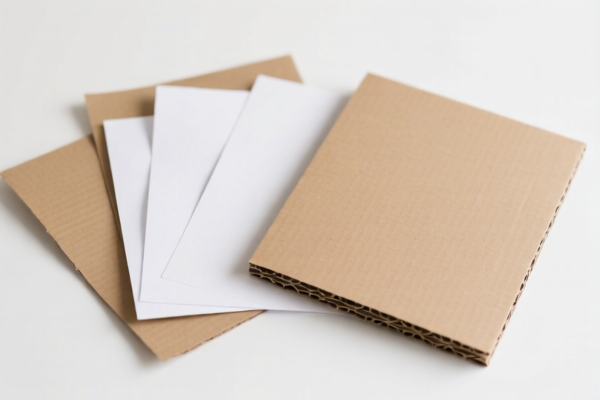
商品图片



AI分析
📦 Roll Packaging Materials (Hand-Wound / Roll Form)
🌐 HS Code Reference & Customs Clearance Guide | 2026 Latest Tariff Analysis | Professional Entry Strategy
📌 I. Product Definition & Classification: What Exactly is "Hand Wound Packaging Material"?
"Hand wound packaging material" typically refers to flexible packaging products supplied in rolls (coil form), intended for use in vertical form-fill-seal (VFFS) machines, baggers, or manual packaging stations. The key characteristic is the roll format and the flexible nature of the material.
In international trade, classification depends heavily on the raw material composition: * Plastic Films/Sheets: Polyethylene (PE), Polypropylene (PP), Laminates → Classified under Chapter 39. * Paper/Cardboard/Fiberboard: Kraft paper, coated paper, corrugated sheets → Classified under Chapter 48.
⚠️ Critical Distinction:
- If the material is plastic-based (even if it looks like paper due to coating) → Go to HS 3923.29.
- If the material is paper-based (cellulose/fiber) → Go to HS 4819.30 or 4819.40.
- "Hand-wound" itself is not a classification criterion; it is a form factor. Customs classifies by material and function.
📋 II. HS Code Classification Details (2026 Latest Tariff Authority)
Based on the provided data, there are three potential classifications. Below is the detailed breakdown for each, specifically tailored to US import regulations (China Origin).
| HS Code | Product Description | Material | Form/Usage | Key Classification Logic |
|---|---|---|---|---|
3923.29.00.00 |
Plastic articles for the conveyance or packaging of goods (Other) | Plastic (PE, PP, PVC, Laminates) | Rolls, Bags, Sacks | Inferred as plastic based on "packaging material usage" and compatibility with plastic transport/packaging goods. |
4819.30.00.40 |
Cartons, boxes, cases, bags, and other packaging articles, of paper, paperboard, cellulose wadding or webs of cellulose fibers (Other, not folded) | Paper/Cellulose | Rolls, Sheets | Inferred as paper/fiber based on "roll form packaging material" and flexible packaging characteristics. Falls into residual "other" category. |
4819.40.00.40 |
Sacks and bags (incl. cones) of paper, paperboard, cellulose wadding or webs of cellulose fibers | Paper/Cellulose | Rolls (for bag making) | Inferred as paper/fiber in roll form intended for containers/bags. Falls into "sacks and bags" residual category. |
🔍 Key Reminder:
- Plastic vs. Paper: You must know the base material. If it’s clear plastic film, use 3923.29. If it’s brown kraft paper or white coated paper, use 4819.30 or 4819.40. - "Hand Wound" Implication: This usually means the material is supplied on a core, ready for high-speed packaging machines. Do not describe it as "handmade" or "artisanal"; use terms like "Flexible Packaging Rolls" or "Film/Paper in Rolls".
💰 III. 2026 Latest Tariff Rate Breakdown (Including Additional Duties & Policy Surcharges)
✅ Applicable Country: United States (US)
✅ Country of Origin: China (CN)
✅ Effective Date: November 10, 2025 onwards (including subsequent imports)
🎯 1. 3923.29.00.00 —— Plastic Packaging Materials (Rolls/Films)
| Item | Content |
|---|---|
| Base Tariff Rate | 3.0% (ad valorem) |
| Section 301 Additional Duty | +25.0% (USITC Footnote 9903.88.01) |
| Section 122 Duty (IEEPA) | +10.0% (Against China/HK products, effective Nov 10, 2025) |
| Total Tariff Rate | 38.0% |
| Tax Calculation | CIF Value × 38% |
| De Minimis Eligibility | ❌ No (deny_de_minimis) |
| Legal Basis Path | IEEPA:9903.01.25 → IEEPA:9903.01.24 → USITC:3923.29.00.00 → FOOTNOTE:9903.88.01 |
📌 Explanation:
- 3% Base: Standard Most Favored Nation (MFN) rate for plastic packaging articles. - 25% Section 301: Standard Trump-era/Biden-era tariff on Chinese plastics/packaging. - 10% Section 122: Newer executive authority-based surcharge on Chinese goods. - Total 38%: This is a high tariff bracket. Plastic packaging from China is heavily taxed.
🎯 2. 4819.30.00.40 —— Paper Packaging (Non-Folded, Other)
| Item | Content |
|---|---|
| Base Tariff Rate | 0.0% (ad valorem) |
| Section 301 Additional Duty | +25.0% (USITC Footnote 9903.88.01) |
| Section 122 Duty (IEEPA) | +10.0% (Against China/HK products) |
| Total Tariff Rate | 35.0% |
| Tax Calculation | CIF Value × 35% |
| De Minimis Eligibility | ❌ No (deny_de_minimis) |
| Legal Basis Path | IEEPA:9903.01.25 → IEEPA:9903.01.24 → USITC:4819.30.00.40 → FOOTNOTE:9903.88.01 |
📌 Explanation:
- 0% Base: Paper packaging often enjoys lower base MFN rates. - 25% Section 301: Still applies heavily to Chinese paper products. - 10% Section 122: Applies equally to paper. - Total 35%: Slightly lower than plastic due to 0% base, but still significant.
🎯 3. 4819.40.00.40 —— Paper Sacks/Bags (in Roll Form)
| Item | Content |
|---|---|
| Base Tariff Rate | 0.0% (ad valorem) |
| Section 301 Additional Duty | +25.0% (USITC Footnote 9903.88.01) |
| Section 122 Duty (IEEPA) | +10.0% (Against China/HK products) |
| Total Tariff Rate | 35.0% |
| Tax Calculation | CIF Value × 35% |
| De Minimis Eligibility | ❌ No (deny_de_minimis) |
| Legal Basis Path | IEEPA:9903.01.25 → IEEPA:9903.01.24 → USITC:4819.40.00.40 → FOOTNOTE:9903.88.01 |
📌 Explanation:
- 0% Base: Similar to 4819.30, base rate is duty-free. - 25% + 10%: Same additional duties apply. - Total 35%: Identical to 4819.30. - Difference from 4819.30: This code is specifically for items classified as "sacks/bags" (even if in rolls for conversion). If your product is plain sheet stock for folding into boxes, use 4819.30. If it’s specifically for bag-making, use 4819.40.
🛠️ IV. Customs Clearance Practical Advice (Battle-Tested Pitfall Avoidance Guide)
✅ 1. Documentation Checklist (All Items Required)
| Document | Mandatory? | Notes |
|---|---|---|
| ✅ Product Specification Sheet | ✔️ | Must state: Material (e.g., "HDPE", "Kraft Paper"), Thickness, Width, Length, Roll Weight. |
| ✅ Product Photos | ✔️ | Show the roll core, the wound edge, and any printing/labels. |
| ✅ Commercial Invoice | ✔️ | Clearly state: "Packaging Film Rolls" or "Paper Packaging Rolls". Avoid vague terms like "Gift Wrap" if used industrially. |
| ✅ Packing List | ✔️ | Detail roll diameters and core sizes if critical for machine compatibility. |
| ✅ Certificate of Origin (CO) | ✔️ | Required to prove China origin for Section 301/122 assessment. |
| ✅ Letter of Authorization | (If branded) | If using a trademark, provide authorization to avoid IP seizure. |
✅ 2. Declaration Tips (Key Mantras)
🔥 “Material First, Form Second, Name Specific, Rate Accurate!”
| Scenario | Correct Declaration | Incorrect Practice | Consequence |
|---|---|---|---|
| Plastic Film Rolls | 3923.29.00.00 - "Plastic Packaging Rolls" |
Misdeclared as "Paper" | 35% vs 38% (Minor diff), but risk of audit. |
| Paper Rolls (Bag Stock) | 4819.40.00.40 - "Paper Bag Rolls" |
Misdeclared as "Cardboard Boxes" | Major classification error, heavy penalties. |
| Paper Rolls (Sheet Stock) | 4819.30.00.40 - "Paper Packaging Sheets/Rolls" |
Misdeclared as "Paper Bags" | Minor diff, but inconsistent with physical form. |
| Mixed Contents | Separate lines for Plastic/Paper | Mixed on one line | Custom refusal, delays. |
📌 Note:
- Do not declare "Hand Wound" as the primary keyword. Customs does not classify by winding method. Use "In Rolls" or "Coiled". - If the product is biodegradable plastic, ensure you provide certification. It may still fall under 3923.29 unless specifically exempted (rare).
✅ 3. Special Cases Handling
| Scenario | Handling Advice |
|---|---|
| Laminated Material (Paper + Plastic) | Classify based on essential character. If plastic layer dominates, use 3923.29. If paper dominates, use 4819.xx. Provide layer breakdown. |
| Custom Printing | Printing does not change HS code for packaging materials. Declare as "Printed Packaging Rolls". |
| Recycled Content | Mention in description, but does not change HS code for US tariffs. May affect ESG reporting but not duty. |
| Small Samples (Under $800) | ❌ No De Minimis. Section 301/122 duties apply even to small shipments from China. |
🌍 V. Global Market Customs Comparison (2026 Latest)
| Country/Region | Recommended HS Code | Tariff (China Origin) | Certification | Remarks |
|---|---|---|---|---|
| 🇺🇸 USA | 3923.29 / 4819.30 / 4819.40 |
35% - 38% | N/A | High tariffs due to Section 301 & 122. |
| 🇨🇳 China | 3923.29 / 4819.30 / 4819.40 |
0% - 5% | N/A | Low export duty, but focus on domestic consumption. |
| 🇪🇺 EU | 3923.29 / 4819.30 / 4819.40 |
0% - 6.5% | REACH, RoHS | No Section 301/122 equivalents. |
| 🇬🇧 UK | 3923.29 / 4819.30 / 4819.40 |
0% - 6.5% | UKCA, REACH | Post-Brexit tariffs similar to EU. |
| 🇯🇵 Japan | 3923.29 / 4819.30 / 4819.40 |
0% - 5% | PSE, Food Sanitation | Low tariffs, strict food contact rules. |
📌 Conclusion:
- The USA is the most expensive market for this product due to the 35-38% total tariff. - Europe and Asia have significantly lower tariffs (0-6.5%), making them more attractive if sourcing from China is not mandatory. - If your product is plastic, consider Mexico or Vietnam production to avoid US Section 301/122 duties.
📌 VI. Common Mistakes & Pitfalls (Lessons Learned the Hard Way)
❌ Mistake 1: Declaring "Hand Wound Paper" as "Craft Paper for Art"
👉 Result: Misclassification. If used for packaging, it’s 4819.30/40. Art paper has different tariffs and regulations.
❌ Mistake 2: Ignoring the "Section 122" 10% Duty
👉 Result: Underpaid taxes. Many importers only account for Section 301 (25%) and forget the new 10% IEEPA surcharge. Total is 35-38%, not 25-28%.
❌ Mistake 3: Claiming "De Minimis" for Small Shipments
👉 Result: Seizure. Section 301 and Section 122 duties do not apply to the $800 de minimis exemption. Even a 10kg roll from China will be taxed.
❌ Mistake 4: Vague Description: "Packaging Material"
👉 Result: Custom query, delay, potential penalty. Always specify: "Polyethylene Film Rolls, 0.5mm, for VFFS Machines" or "Kraft Paper Rolls, 50gsm, for Bag Making".
✅ Correct Practice:
"Flexible Packaging Rolls, Material: HDPE Plastic, Width: 300mm, Length: 1000m per Roll, for Industrial Packaging Use. HS 3923.29.00.00"
🎯 VII. Conclusion: Professional Declaration, Save Time, Reduce Cost!
🎯 Remember the Mantra:
🔹 "Material Dictates Code, Form Defines Category, 301/122 Add 35%+, Don’t Skip the Surcharge!"
🔹 "Plastic is 38%, Paper is 35%, No De Minimis for China, Plan Ahead!"
📌 Pro Tip:
If your packaging material is essential for food contact, ensure you have FDA Compliance documents ready. While this doesn’t affect HS code, it affects CBP inspection frequency and clearance speed.
📣 Immediate Action:
📞 Contact a licensed customs broker + Provide material specs + Pre-classify HS Code
🚀 Ensure your Commercial Invoice matches the Packing List and HS Code exactly.
💡 Consider Supply Chain Diversification: If US tariffs are too high, explore sourcing from ASEAN or Mexico to mitigate Section 301/122 risks.
✨ Professional Clearance Starts with Accurate Classification!
💼 Every Percent of Tariff Counts in the Age of Trade Wars!
用户评价
关于 HS 编码归类
协调制度(HS)是由世界海关组织(WCO)制定的国际贸易商品分类标准。全球 200 多个国家采用 HS 系统作为海关关税、贸易统计和进出口监管的基础。
每个 HS 编码遵循以下层级结构:
- 章(2 位)——商品大类(例如:第 84 章:机器和机械设备)
- 品目(4 位)——章内的更具体分类
- 子目(6 位)——国际通用细分,所有 WCO 成员国统一使用
- 本国细分(8-10 位)——各国自行扩展的细分编码,如美国 HTSUS 10 位编码
正确的 HS 编码归类对于顺利通关、准确缴纳关税和遵守贸易法规至关重要。错误归类可能导致海关延误、多缴关税或罚款。
从CN进口到US时,适用的关税税率可能包括:
- 最惠国(MFN)税率——适用于 WTO 成员国的标准关税税率
- 普通税率——适用于无贸易协定国家
- 贸易救济关税——附加关税,如 301 条款(反倾销)、232 条款(国家安全)或反补贴税
本页内容仅供参考。如需正式归类,请咨询当地海关或持牌报关代理。