heat shrink tube
CN → US| HS编码 | 关税税率 | 原产国 | 目的国 | 文档 |
|---|---|---|---|---|
| 3917320050 | 38.1% | CN | US | 官方文档 |
| 8547900020 | 89.6% | CN | US | 官方文档 |
| 8547900010 | 89.6% | CN | US | 官方文档 |
| 3917390050 | 13.1% | CN | US | 官方文档 |
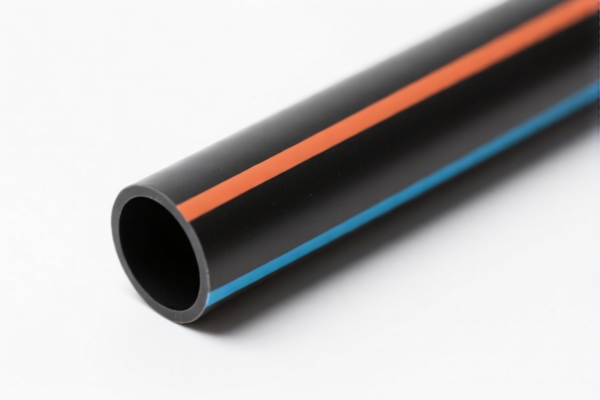
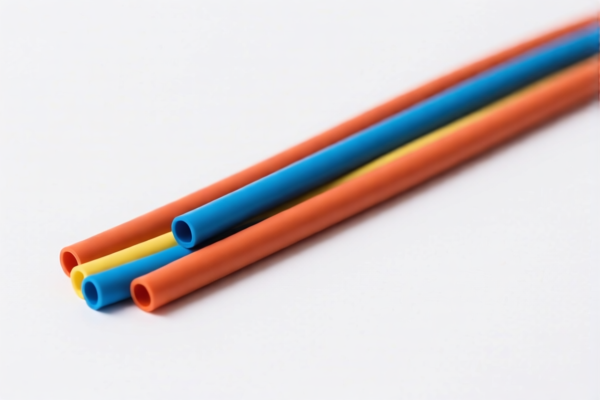
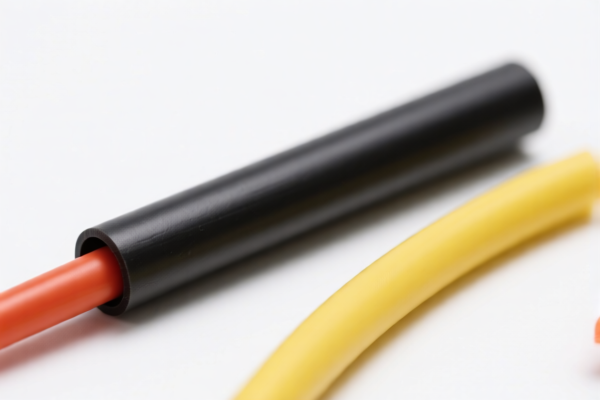
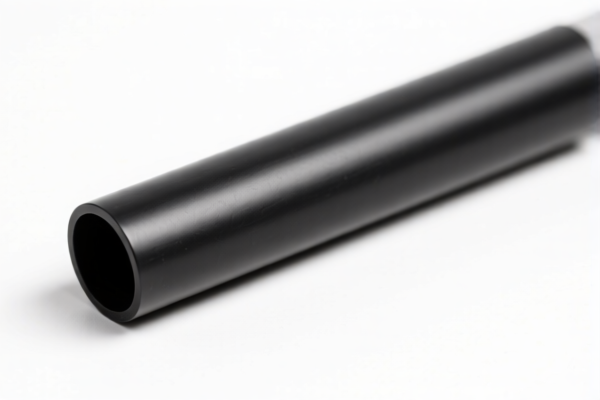
商品图片
AI分析
🔥 Heat Shrink Tube (Thermally Shrinkable Insulating Tubing)
🌐 HS Code & Tariff Guide | 2026 Global Trade Compliance | Expert Clearing Strategy
📌 One Product, Multiple Classifications — Know the Right HS Code to Avoid 89.6% Tariffs!
📦 1. Product Definition & Classification: What Exactly Is a Heat Shrink Tube?
A heat shrink tube is a flexible, thermoplastic tubing that contracts in diameter when heated, forming a tight, protective seal around wires, cables, or joints. It is widely used in electrical, automotive, aerospace, and industrial applications for:
- Electrical insulation
- Environmental protection (moisture, dust, chemicals)
- Mechanical strain relief
- Cable bundling and identification
⚠️ Critical Distinction:
- If made of plastic/thermoplastic polymer (e.g., polyolefin, PVC, fluoropolymer) → HS Code 3917.32/39/3917.39
- If used as electrical insulation for conductors → HS Code 8547.90
- Not a metal or metallic component → No steel/aluminum/copper tariff triggers✅ Key Insight:
The same product can fall under two different HS codes depending on intended use and material composition. Misclassification = up to 89.6% tariff!
📊 2. HS Code Breakdown (2026 Official Tariff Schedule – US Focus)
| HS Code | Product Description | Material | Use Case | Tax Rate |
|---|---|---|---|---|
3917.32.00.50 |
Heat shrink tubing, in tube/soft hose form, plastic (polymer) | Plastic (polymer), non-metallic | General-purpose insulation, not specifically electrical | 38.1% |
8547.90.00.20 |
Electrical insulation tubing (for wires/cables), plastic/resin | Plastic/resin, insulating | Used in electrical circuits, wire harnesses, connectors | 89.6% |
8547.90.00.10 |
Accessories for electrical insulation, made of polyolefin or similar | Polyolefin, thermoplastic | Designed for electrical insulation, part of cable systems | 89.6% |
3917.39.00.50 |
Other tubes, pipes, and hoses (plastic, thermoplastic), not specified elsewhere | Polyolefin, thermoplastic | General plastic tubing, non-electrical application | 13.1% |
🔍 Why the Difference?
- 3917.32/39 = General plastic tubing, no electrical function → lower tariff
- 8547.90 = Electrical insulation component → triggers high-tech tariff rules due to use in electronics and power systems
💰 3. 2026 Tariff Breakdown (US Market – China-Origin Goods)
✅ Applicable Country: United States (US)
✅ Origin: China (CN)
✅ Effective Date: November 10, 2025 (post-2025 tariff adjustments)
🎯 1. 3917.32.00.50 — General Plastic Heat Shrink Tubing
| Tax Component | Rate | Legal Basis | Notes |
|---|---|---|---|
| Basic Duty | 3.1% | US HTSUS §3917.32.00 | Standard tariff for plastic tubing |
| Section 301 (USITC) | 25.0% | USITC Footnote 9903.88.01 | Tariff from China trade dispute |
| Section 122 (IEEPA) | 10% | IEEPA: 9903.01.25 | Emergency economic powers, China-specific |
| Total Effective Tax | 38.1% | — | High but manageable |
📌 Explanation:
- Applies when the tube is not marketed or used for electrical insulation
- Common in industrial, automotive, or DIY applications
- No steel/aluminum/copper tariffs apply — not a metal product
🎯 2. 8547.90.00.20 & 8547.90.00.10 — Electrical Insulation Tubing (High-Risk Category)
| Tax Component | Rate | Legal Basis | Notes |
|---|---|---|---|
| Basic Duty | 4.6% | HTSUS §8547.90.00 | For electrical accessories |
| Section 301 (USITC) | 25.0% | USITC Footnote 9903.88.01 | Applies to all Chinese electronics |
| Section 122 (IEEPA) | 10% | IEEPA: 9903.01.25 | Emergency powers, China-targeted |
| Steel/Aluminum/Copper Additional Tariff | 50% | HTSUS §9903.88.01 | ONLY IF the product is deemed to contain or be used in metal-based systems |
⚠️ Critical Warning:
- Even though heat shrink tubes are plastic, if they are used in electrical systems involving steel, aluminum, or copper conductors, the 50% additional tariff applies!
- This is not based on material, but on intended use and system context
- Total Tax = 4.6% + 25% + 10% + 50% = 89.6%📌 Legal Pathway:
IEEPA:9903.01.25→USITC:9903.88.01→HTSUS:8547.90.00→FOOTNOTE:9903.88.01→ADDITIONAL:50% (Steel/Aluminum/Copper)
🛠️ 4. Customs Clearance Best Practices (Pro Tips to Save Thousands!)
✅ 1. Documentation Checklist (MUST-HAVE)
| Document | Required? | Why It Matters |
|---|---|---|
| ✅ Product Specification Sheet | ✔️ | Shows material (polyolefin), shrink ratio, temp rating |
| ✅ Application Diagram / Use Case | ✔️ | Proves whether used for electrical insulation or general protection |
| ✅ Product Photos (with label) | ✔️ | Shows brand, model, size, and packaging |
| ✅ Material Safety Data Sheet (MSDS) | ✔️ | Confirms non-metallic composition |
| ✅ Commercial Invoice | ✔️ | Must clearly state intended use (e.g., “for wire insulation” vs “general plastic tubing”) |
| ✅ Certificate of Origin (CO) | ✔️ | Required for tariff claims; if from Vietnam/Mexico, may qualify for IEEPA exemption |
| ✅ Test Report (UL, RoHS, CE) | ✔️ | Helps prove safety and compliance |
✅ 2.申报技巧(Smart Declaration Rules)
🔥 "Use Case Defines Tax – Not Material!"
| Scenario | Correct HS Code | Risk of Over-Tax |
|---|---|---|
| Used in automotive wiring harness | 8547.90.00.20 |
❌ High risk: triggers 89.6% |
| Used in plumbing or industrial piping | 3917.32.00.50 |
✅ Safe: 38.1% only |
| Used in DIY electronics, hobby projects | 3917.39.00.50 |
✅ Lowest: 13.1% |
| Marketed as "insulating sleeve for wires" | 8547.90.00.10 |
❌ 89.6% if used with metal conductors |
📌 Golden Rule:
- If the product is sold with wires, connectors, or in electrical kits, it will be treated as electrical insulation → 89.6%
- If sold alone, as a standalone tubing, and not marketed for electrical use, use 3917.39.00.50 → 13.1%
✅ 3. Special Cases & Mitigation Strategies
| Situation | Recommended Action |
|---|---|
| Selling in bundles with wires | Do NOT split — declare as complete electrical system → 8547.90.00.20 → 89.6% |
| Selling in bulk, no wires included | Use 3917.39.00.50 → 13.1% |
| From Vietnam, Mexico, Thailand, Malaysia | Apply for IEEPA exemption → 0% on 122/301 tariffs |
| Used in non-electrical systems (e.g., HVAC, plumbing) | Use 3917.32.00.50 → 38.1% |
| Need to avoid 89.6% | Repackage — sell as general plastic tubing, not as "electrical insulation" |
🌍 5. Global Tariff Comparison (2026)
| Country | Recommended HS Code | Base Duty | Additional Taxes | Total Effective Tax |
|---|---|---|---|---|
| 🇺🇸 USA (China origin) | 8547.90.00.10 |
4.6% | +25% +10% +50% | 89.6% |
| 🇨🇳 China | 3917.39.00.50 |
5% | None | 5% |
| 🇪🇺 EU | 3917.39.00.50 |
0% | None | 0% |
| 🇦🇺 Australia | 3917.39.00.50 |
5% | None | 5% |
| 🇯🇵 Japan | 3917.39.00.50 |
0% | None | 0% |
📌 Key Insight:
- USA is the only market with 89.6% tariff risk
- China, EU, Japan, Australia treat heat shrink tubes as general plastic tubing → low or zero duty
🚫 6. Common Mistakes & Costly Errors (Real-World Examples)
❌ Mistake 1: Selling heat shrink tubing in wire kits → 89.6% tariff
👉 Fix: Declare as "Electrical Insulation Kit" → 89.6% — unavoidable
👉 Better: Sell tubing separately, label as "plastic tubing for general use"
❌ Mistake 2: Using "insulating tube" in product name → triggers 8547.90
👉 Fix: Use "heat shrink tubing", "plastic hose", "thermoplastic sleeve" instead
❌ Mistake 3: Not providing use case evidence → customs assumes electrical use → 89.6%
👉 Fix: Attach a short PDF explaining how it’s used (e.g., "for protecting garden hose joints")
🎯 7. Final Verdict: How to Win the Tariff Game
🔹 If you want to avoid 89.6%:
→ Don’t market it as electrical insulation
→ Sell it alone, not with wires
→ Use3917.39.00.50→ 13.1% total tax🔹 If you must sell as electrical component:
→ Use8547.90.00.10/20→ 89.6%
→ But only if you can’t avoid it — it’s non-negotiable in US🔹 Best Strategy:
- Split your product line:
- One version: General plastic tubing →3917.39.00.50→ 13.1%
- One version: Electrical insulation kit →8547.90.00.20→ 89.6%
📌 8. Pro Tips & Action Plan
✅ Do This Now: 1. Audit your product packaging & website — remove "electrical insulation" from descriptions
2. Reclassify your product as "plastic heat shrink tubing for general use"
3. Apply for HS Code Pre-Ruling (Advance Ruling) with USCB — $1,000–$3,000 fee, but worth it
4. Switch to non-China origin (Vietnam, Mexico) → qualify for 0% IEEPA/301 tariffs📞 Contact:
- US Customs Broker + Trade Compliance Specialist
- Request "Product Classification Ruling" for3917.39.00.50
- Attach use case, photos, specs, and invoice
🎯 Summary: The 3-Step Rule to Save 76.5% in Tariffs
🔹 Step 1: Don’t say “insulation” — use “plastic tubing”
🔹 Step 2: Sell it alone, not with wires
🔹 Step 3: Use HS Code3917.39.00.50→ 13.1% tax instead of 89.6%🚨 Remember:
“A tube is just a tube — unless you call it an insulator.”
— Your HS Code is your tax fate.
📣 Act Now:
📞 Call a customs expert today — get a free HS Code pre-ruling
🚀 Reduce your US import cost by 70%+ — before the next tariff wave hits!
✨ Smart Exporting Starts with Smart Classification!
💼 Your product’s value depends on its HS Code — get it right, or pay the price.
用户评价
关于 HS 编码归类
协调制度(HS)是由世界海关组织(WCO)制定的国际贸易商品分类标准。全球 200 多个国家采用 HS 系统作为海关关税、贸易统计和进出口监管的基础。
每个 HS 编码遵循以下层级结构:
- 章(2 位)——商品大类(例如:第 84 章:机器和机械设备)
- 品目(4 位)——章内的更具体分类
- 子目(6 位)——国际通用细分,所有 WCO 成员国统一使用
- 本国细分(8-10 位)——各国自行扩展的细分编码,如美国 HTSUS 10 位编码
正确的 HS 编码归类对于顺利通关、准确缴纳关税和遵守贸易法规至关重要。错误归类可能导致海关延误、多缴关税或罚款。
从CN进口到US时,适用的关税税率可能包括:
- 最惠国(MFN)税率——适用于 WTO 成员国的标准关税税率
- 普通税率——适用于无贸易协定国家
- 贸易救济关税——附加关税,如 301 条款(反倾销)、232 条款(国家安全)或反补贴税
本页内容仅供参考。如需正式归类,请咨询当地海关或持牌报关代理。