heated finger cots
CN → US| HS编码 | 关税税率 | 原产国 | 目的国 | 文档 |
|---|---|---|---|---|
| 6217909085 | 32.1% | CN | US | 官方文档 |
| 6217109550 | 32.1% | CN | US | 官方文档 |
| 8543708500 | 35.0% | CN | US | 官方文档 |
| 8543704500 | 37.6% | CN | US | 官方文档 |
商品图片
AI分析
🖐️ Heated Finger Cots (Heated Finger Protectors/Gloves)
🌐 HS Code Reference & Customs Clearance Guide | 2026 Latest Tariff Analysis | Professional Compliance Strategy
📌 I. Product Definition & Classification: What Exactly Are "Heated Finger Cots"?
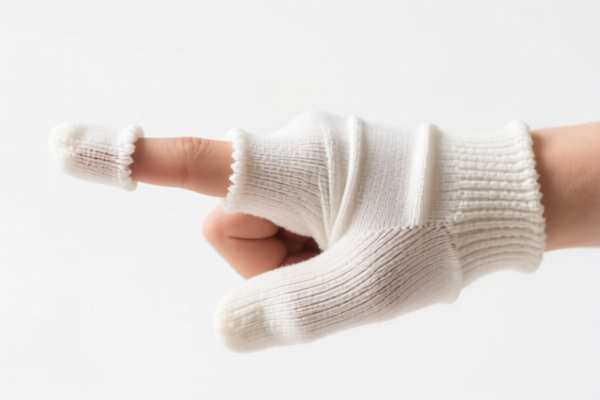
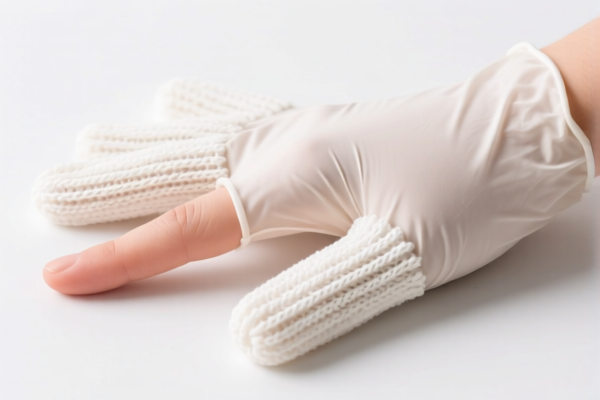
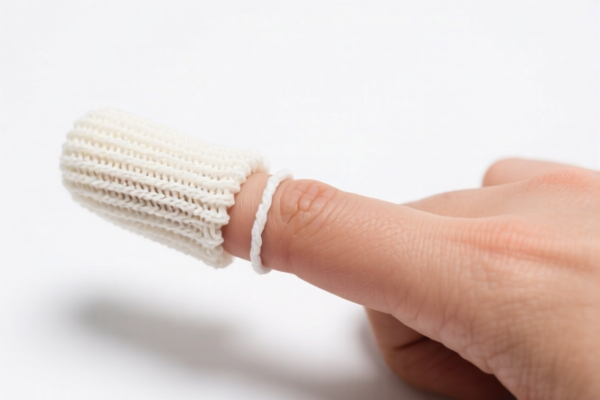
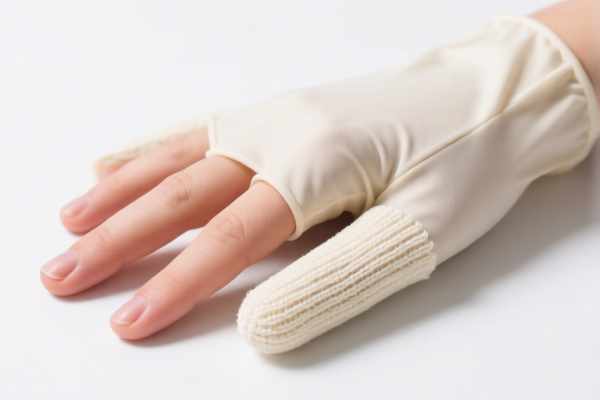
Heated Finger Cots are specialized wearable accessories designed to provide thermal comfort or therapeutic heat to individual fingers. In international trade, their classification is complex because they straddle the line between electrical appliances and apparel accessories.
Key Distinction Logic:
- Electrical/Functional Device: If the primary function is defined by its heating element/circuitry (e.g., battery-powered, USB-heated, with specific electrical stimulation capabilities), it falls under Chapter 85 (Electrical Machinery).
- Apparel/Accessory: If the primary function is wearability and the heating component is secondary or considered an "attachment" to the textile/fabric, it falls under Chapter 62 (Articles of Apparel and Clothing Accessories).
⚠️ Critical Classification Trap:
- If the product is described as a "heating device" with specific electrical functions → Chapter 85 (Higher complexity, potentially higher duties due to trade wars).
- If described as a "glove/finger cot accessory" with heating capability → Chapter 62 (Often treated as apparel/footwear parts, subject to different duty structures).
📦 II. HS Code Classification Details (2026 Latest Tariff Authority Cross-Reference)
Based on the inferred functionality and material composition, here are the two primary classification paths:
| HS Code | Product Description | Logic Summary | Tax Rate (Total) |
|---|---|---|---|
8543.70.85.00 |
Electrical Heating/Stimulation Devices | Function-based: Classified as an "electrical machine with individual functions" specifically for heating or stimulation. Fits the "electrical nerve stimulation/other electrical machines" category. | 35.0% |
8543.70.45.00 |
Other Independent Electrical Heating Devices | Function-based: Classified as a "device with electrical heating performance" under "other electrical machines." Recognized as a heating apparatus. | 37.6% |
6217.90.90.85 |
Other Made-Up Clothing Accessories | Form-based: Classified as "garment accessories/parts." Material inferred as artificial fiber. Fits "other artificial fiber made" accessories. | 32.1% |
6217.10.95.50 |
Other Clothing Accessories (General) | Form-based: Classified under "garment or wearable accessories." Uses "catch-all" principle for accessories where material isn't strictly defined by conflict. | 32.1% |
🔍 Focus Reminder:
- Electrical Classification (8543): Focuses on the heating mechanism. Higher duties apply due to Section 301 and IEEPA tariffs.
- Apparel Classification (6217): Focuses on the wearable form. Generally lower base duties but still subject to trade war tariffs.
💰 III. 2026 Latest Tariff Rate Breakdown (Including Surcharge & Policy Surcharges)
✅ Applicable Country: United States (US)
✅ Country of Origin: China (CN)
✅ Effective Date: November 10, 2025 (and subsequent imports)
🎯 1. 8543.70.85.00 – Electrical Heating/Stimulation Devices
| Item | Content |
|---|---|
| Base Duty Rate | 0.0% |
| Section 301 Surcharge | +25.0% (Additional Tariff) |
| IEEPA Surcharge (Section 122) | +10.0% (Targeting China/HK products) |
| Total Effective Rate | 35.0% |
| Tax Calculation | CIF Value × 35% |
| De Minimis Exemption | ❌ Denied (Not eligible for de minimis exemption under current trade rules) |
| Legal Basis Path | IEEPA:122 → Section 301: 25% → USITC:8543.70.85.00 |
📌 Explanation:
- Despite a 0% base duty, the 35% total rate is driven entirely by trade policy surcharges.
- This classification treats the item as a high-tech electrical device, attracting stricter scrutiny and higher punitive tariffs.
🎯 2. 8543.70.45.00 – Other Independent Electrical Heating Devices
| Item | Content |
|---|---|
| Base Duty Rate | 2.6% |
| Section 301 Surcharge | +25.0% |
| IEEPA Surcharge (Section 122) | +10.0% |
| Total Effective Rate | 37.6% |
| Tax Calculation | CIF Value × 37.6% |
| De Minimis Exemption | ❌ Denied |
| Legal Basis Path | IEEPA:122 → Section 301: 25% → USITC:8543.70.45.00 |
📌 Note:
- This code carries a small base duty (2.6%) plus the same surcharges.
- Total 37.6% makes this the most expensive option for electrical classification.
- Applies to generic heating devices not specifically listed elsewhere.
🎯 3. 6217.90.90.85 & 6217.10.95.50 – Apparel Accessories (Alternative Path)
| Item | Content |
|---|---|
| Base Duty Rate | 14.6% |
| Section 301 Surcharge | +7.5% |
| IEEPA Surcharge (Section 122) | +10.0% |
| Total Effective Rate | 32.1% |
| Tax Calculation | CIF Value × 32.1% |
| De Minimis Exemption | ❌ Denied |
| Legal Basis Path | IEEPA:122 → Section 301: 7.5% → USITC:6217.90.90.85 |
📌 Comparison:
- While the base duty is higher (14.6% vs 0-2.6%), the Section 301 surcharge is lower (7.5% vs 25%).
- Total 32.1% is the lowest among all options, making this the cost-effective choice if classification as an "accessory" is defensible.
🛠️ IV. Customs Clearance Practical Advice (Real-World Pitfall Prevention)
✅ 1. Documentation Checklist (Non-Negotiable)
| Document | Required? | Description |
|---|---|---|
| ✅ Product Specification Sheet | ✔️ | Must detail power source (battery/USB), voltage, heating temperature, and material composition. |
| ✅ Technical Diagram/Circuitry | ✔️ | Crucial: Proves whether the heating element is integral (Electrical) or auxiliary (Apparel). |
| ✅ Product Photos (Including Labels) | ✔️ | Show branding, model number, input/output specs, and how it fits on the finger. |
| ✅ Material Composition Statement | ✔️ | Explicitly state fabric content (e.g., "95% Polyester, 5% Spandex with embedded heating wire"). |
| ✅ Commercial Invoice | ✔️ | Use precise terminology. Avoid vague terms like "Gadget." Use "Heated Finger Cot" or "Thermal Glove Accessory." |
| ✅ Certificate of Origin (CO) | ✔️ | If not Chinese, may offer tariff benefits. If Chinese, confirms origin for surcharge calculation. |
| ✅ Packing List | ✔️ | Clarify if items are sold individually or as a set. |
✅ 2. Declaration Strategy (Key Mnemonics)
🔥 “Function Defines Code, Form Saves Duty, Material Confirms Class!”
| Scenario | Recommended Declaration | Risk of Misclassification |
|---|---|---|
| Standalone Heating Element | 8543.70.85.00 (35%) |
High risk if sold as part of a glove kit. |
| Integrated into Glove/Cot | 6217.90.90.85 (32.1%) |
Best Value. Ensure primary function is "wearable accessory." |
| Generic Heating Pad | 8543.70.45.00 (37.6%) |
Highest cost. Avoid unless no other option fits. |
| OEM Custom Design | Provide Client Order + Design Specs | Prevents "general merchandise" flagging. |
✅ 3. Special Situation Handling
| Situation | Recommendation |
|---|---|
| Mixed Packaging (Gloves + Heated Cots) | Declare Separately. Do not bundle into one HS code. Heated items go to 8543/6217, regular gloves to 6116/6216. |
| Medical vs. Consumer Use | If marketed as "therapeutic/healing," it may trigger FDA scrutiny. For general warmth, stick to consumer apparel classification. |
| Battery-Powered vs. USB-Powered | Both fall under electrical/apparel. Ensure battery compliance (UN38.3) is documented separately for safety, not just duty. |
| Origin Marking | Clearly mark "Made in China" on product and packaging to avoid origin fraud penalties. |
🌍 V. Global Market Customs Comparison (2026 Update)
| Country/Region | Recommended HS Code | Total Duty (China Origin) | Key Certification | Notes |
|---|---|---|---|---|
| 🇺🇸 USA | 6217.90.90.85 |
32.1% | FCC (if wireless), RoHS | Lowest rate via apparel path. |
| 🇪🇺 EU | 6217.10.95.50 |
~6-12% | CE, REACH | No Section 301 equivalents. Lower base duty. |
| 🇨🇳 China | 8543.70.85.00 |
~7.5-14% | CCC | Import duties vary. Re-export focus. |
| 🇦🇺 Australia | 6217.90.90.85 |
~5-10% | RCM | Lower overall tax burden. |
| 🇯🇵 Japan | 8543.70.85.00 |
~8-10% | PSE | Electrical classification common. |
📌 Conclusion:
- USA is the most challenging market due to Section 301 and IEEPA tariffs.
- Optimization Strategy: Argue for Chapter 62 (Apparel Accessories) to reduce the Section 301 surcharge from 25% to 7.5%, saving 2.9%-5.5% on total duty.
- EU/Australia are far more tariff-friendly, with no punitive "trade war" surcharges.
📌 VI. Common Errors & Pitfall Guide (Lessons Learned)
❌ Error 1: Classifying heated cots as simple gloves (e.g., 6116.92)
👉 Consequence: Customs will reclassify to 8543 or 6217, leading to back taxes + penalties.
❌ Error 2: Ignoring IEEPA Section 122 surcharges
👉 Consequence: Underpayment of 10% on top of 301 duties → Seizure or delayed release.
❌ Error 3: Vague Description "Heated Gloves" without material/power details
👉 Consequence: Customs cannot determine if it’s Electrical (8543) or Apparel (6217) → Audit triggered.
❌ Error 4: Assuming De Minimis ($800) applies
👉 Consequence: Denied. Electronic/apparel items from China are excluded from de minimis exemptions under current US trade policy.
✅ Correct Approach:
“Heated Finger Cots, Battery-Powered, Polyester/Spandex Blend, USB Charging, Model XYZ, FCC Certified”
🎯 VII. Conclusion: Professional Classification, Cost Efficiency!
🎯 Remember the Key Strategy:
🔹 “Apparel Path < Electrical Path”: Aim for 6217 (32.1%) over 8543 (35-37.6%).
🔹 “Document the Form, Not Just the Function”: Emphasize wearable accessory nature.
🔹 “32.1% is Your Target, 37.6% is Your Enemy”.
📌 Pro Tip:
If your product can be argued as a "clothing accessory" (6217), it saves up to 5.5% in total duties compared to pure electrical classification.
Always request a Binding Tariff Ruling if shipping high volumes to the US.
📣 Take Action Now:
📞 Consult a Customs Broker + Provide Product Specs + Apply for Advance Ruling
🚀 Ensure Smooth Customs Clearance, Maximize Profit Margins!
✨ Professional Classification Starts with Precision!
💼 Every Percent of Duty Saved is Pure Profit!
用户评价
关于 HS 编码归类
协调制度(HS)是由世界海关组织(WCO)制定的国际贸易商品分类标准。全球 200 多个国家采用 HS 系统作为海关关税、贸易统计和进出口监管的基础。
每个 HS 编码遵循以下层级结构:
- 章(2 位)——商品大类(例如:第 84 章:机器和机械设备)
- 品目(4 位)——章内的更具体分类
- 子目(6 位)——国际通用细分,所有 WCO 成员国统一使用
- 本国细分(8-10 位)——各国自行扩展的细分编码,如美国 HTSUS 10 位编码
正确的 HS 编码归类对于顺利通关、准确缴纳关税和遵守贸易法规至关重要。错误归类可能导致海关延误、多缴关税或罚款。
从CN进口到US时,适用的关税税率可能包括:
- 最惠国(MFN)税率——适用于 WTO 成员国的标准关税税率
- 普通税率——适用于无贸易协定国家
- 贸易救济关税——附加关税,如 301 条款(反倾销)、232 条款(国家安全)或反补贴税
本页内容仅供参考。如需正式归类,请咨询当地海关或持牌报关代理。