heterogeneous catalyst additive
CN → US| HS编码 | 关税税率 | 原产国 | 目的国 | 文档 |
|---|---|---|---|---|
| 7110410050 | 35.0% | CN | US | 官方文档 |
| 3824991100 | 35.0% | CN | US | 官方文档 |
| 7110490050 | 35.0% | CN | US | 官方文档 |
| 3824999361 | 40.0% | CN | US | 官方文档 |
商品图片
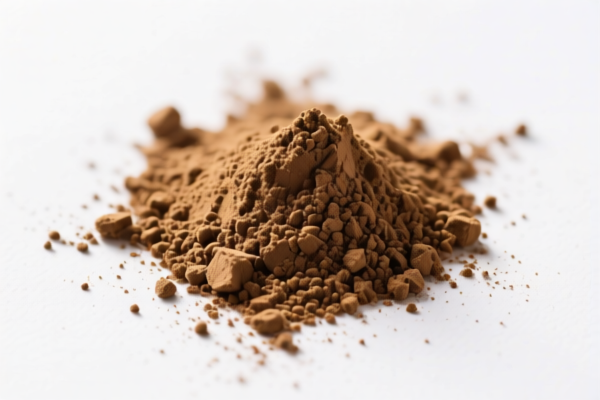
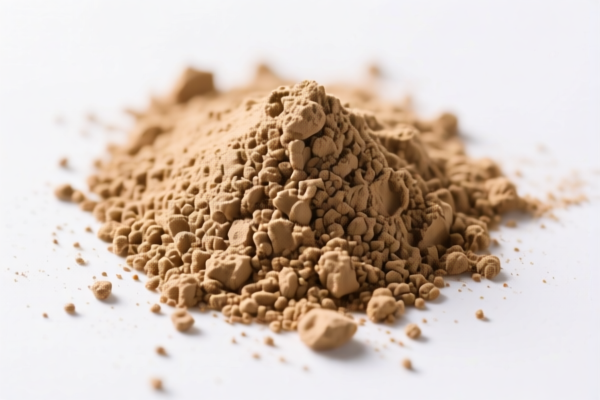
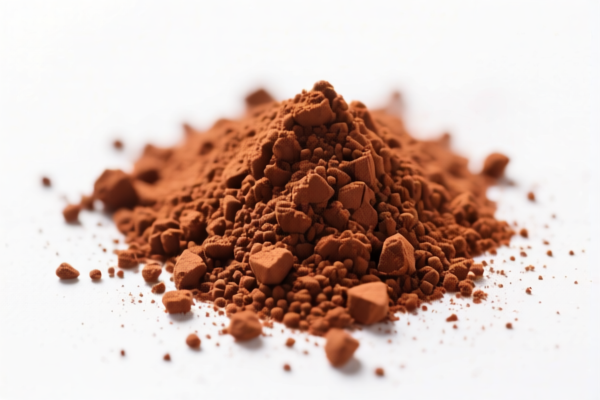
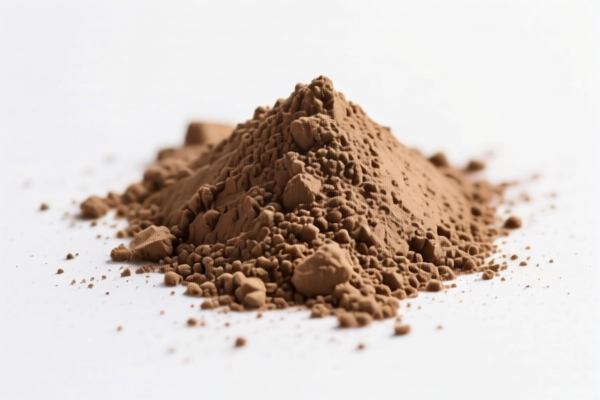
AI分析
⚗️ Heterogeneous Catalyst Additive (异构催化剂添加剂)
🌐 HS Code Reference & Customs Clearance Guide | 2026 Latest Tariff Analysis | Professional Strategy for Catalyst Ingredients
📌 1. Product Definition & Classification: What Exactly is a "Catalyst Additive"?
Heterogeneous Catalyst Additives are specialized chemical agents added to solid catalysts (typically used in petrochemical refining, such as isomerization, cracking, or reforming processes) to enhance stability, selectivity, or activity. Unlike homogeneous catalysts (liquid phase), heterogeneous catalysts remain in a different phase (solid) from the reactants.
In international trade, these products are ambiguous. They straddle the line between: * Precious Metals: If the additive is primarily Platinum Group Metals (PGMs) like Platinum (Pt), Palladium (Pd), or Rhodium (Rh) used to boost catalytic activity. * Chemical Preparations: If the additive is a complex mixture of oxides, zeolites, or organic compounds designed to modify the catalyst's physical or chemical properties.
⚠️ Key Distinction Point:
- If the primary value driver is the precious metal content → It leans towards Chapter 71 (Precious Metals).
- If the primary function is a chemical mixture/compound for industrial processing → It leans towards Chapter 38 (Chemical Products & Preparations).
📦 2. HS Code Classification Details (2026 Latest Tariff Authority Match)
Based on the input data, here are the potential HS Codes and their logical justifications. Note that two codes are duplicated in the source data due to similar reasoning, but we list the unique classifications.
| HS Code | Summary Justification (from DATA) | Key Characteristic | Tax Rate |
|---|---|---|---|
7110.41.00.50 |
Based on the "Other" fallback principle. Heterogeneous catalyst additives usually contain Platinum Group Metals (PGMs), thus judged to fall under the "Other" category of these metal classes. | Metal Content Focus: High PGM content (Pt/Pd/Rh). | 35.0% |
7110.49.00.50 |
Based on material inference. Catalysts and additives usually contain metals, specifically Platinum Group Metals. In the absence of material conflicts, it is judged to potentially comply with this category. | Material Inference: General PGM inclusion in catalysts. | 35.0% |
3824.99.11.00 |
The term "Additive" in the product name belongs to chemical industry-related chemical products and preparations, fitting the usage description of this code. | Chemical Preparation: Defined by its role as a chemical additive. | 35.0% |
3824.99.93.61 |
The product is a chemical industry-related additive, made of chemical preparations, in the form of a chemical mixture, with no obvious conflicts. | Complex Mixture: Defined by its chemical composition and mixture nature. | 40.0% |
🔍 Critical Analysis:
- Chapter 71 (7110): Assigns a 35% tax rate. This is chosen when the customs authority prioritizes the noble metal content (Platinum/Palladium) as the defining characteristic of the item.
- Chapter 38 (3824): Assigns either 35% (3824.99.11.00) or 40% (3824.99.93.61). This is chosen when the product is viewed primarily as a chemical preparation or mixture, regardless of metal content.
- Risk Alert: Misclassification between Chapter 71 and Chapter 38 can lead to disputes. If the product is a simple chemical mixture with trace metals, Chapter 38 is safer. If it is a metal-impregnated catalyst, Chapter 71 may be more accurate but risks higher scrutiny on metal valuation.
💰 3. 2026 Latest Tariff Rate Breakdown (Detailed Tax Clauses)
✅ Applicable Country: United States (US)
✅ Origin: China (CN)
✅ Effective Date: From November 10, 2025 (including subsequent imports)
🎯 Scenario A: Classification under Chapter 71 (Precious Metals)
Codes: 7110.41.00.50 / 7110.49.00.50
| Item | Content |
|---|---|
| Base Tariff | 0.0% (ad valorem) |
| Section 301 Tariff (USITC) | +25.0% (Additional duty on Chinese goods) |
| Section 122 Tariff (IEEPA) | +10.0% (Specific tariff clause for this category) |
| Total Tax Rate | 35.0% |
| Tax Calculation | CIF Value × 35% |
| De Minimis Exemption | ❌ Not Applicable (High risk of inspection) |
📌 Explanation:
- The 25% comes from the standard Section 301 trade war tariffs.
- The 10% is a specific "Section 122" tariff, often applied to strategic goods or specific chemical/metal derivatives.
- Total: 35%. This is a high-cost scenario. Importers must ensure the HS code justification is solid to avoid further penalties.
🎯 Scenario B: Classification under Chapter 38 (Chemical Preparations)
Code: 3824.99.11.00
| Item | Content |
|---|---|
| Base Tariff | 0.0% (ad valorem) |
| Section 301 Tariff (USITC) | +25.0% |
| Section 122 Tariff (IEEPA) | +10.0% |
| Total Tax Rate | 35.0% |
| Tax Calculation | CIF Value × 35% |
| De Minimis Exemption | ❌ Not Applicable |
📌 Note:
- The tax structure is identical to Scenario A (35%), but the legal basis shifts from "Precious Metal" to "Chemical Product."
- This classification may be preferred if the product is a bulk chemical mixture with low precious metal content, making it cheaper to source than pure metal imports.
🎯 Scenario C: Classification under Specific Chemical Sub-category
Code: 3824.99.93.61
| Item | Content |
|---|---|
| Base Tariff | 5.0% (ad valorem) |
| Section 301 Tariff (USITC) | +25.0% |
| Section 122 Tariff (IEEPA) | +10.0% |
| Total Tax Rate | 40.0% |
| Tax Calculation | CIF Value × 40% |
| De Minimis Exemption | ❌ Not Applicable |
📌 Warning:
- This is the most expensive option (40%).
- It applies when the product is classified as a "Other chemical products" with a specific sub-category code that carries a 5% base rate.
- Avoid this code unless the product's chemical composition strictly matches this specific sub-heading. It offers no advantage over the 35% codes.
🛠️ 4. Customs Clearance Operational Advice (Practical Pitfall Guide)
✅ 1. Document Preparation Checklist (All Required)
| Document | Required | Explanation |
|---|---|---|
| ✅ Product Specification Sheet | ✔️ | Must detail chemical composition, metal content (% by weight), and physical form (powder, liquid, granule). |
| ✅ Technical Data Sheet (TDS) | ✔️ | Explains the function as a "Catalyst Additive" and its industrial application. |
| ✅ Safety Data Sheet (SDS) | ✔️ | Required for chemical imports to comply with OSHA/Hazmat regulations. |
| ✅ Certificate of Origin (CO) | ✔️ | Proves Chinese origin to trigger the correct Section 301/122 tariffs. |
| ✅ Commercial Invoice | ✔️ | Clearly state "Heterogeneous Catalyst Additive" – do not use vague terms like "Chemical Mixture." |
| ✅ Packing List | ✔️ | Detailed weight/volume breakdown. |
✅ 2. Declaration Strategy (Key Mnemonics)
🔥 "Metal vs. Mix: Define the Core! Name is Key, Tax Drops by Half!"
| Scenario | Correct Declaration | Wrong Action |
|---|---|---|
| High Platinum Content | Declare as 7110.41.00.50 with emphasis on PGM content |
Declaring as simple chemical mix → Risk of downgrade to higher tax or penalty. |
| Chemical Mixture (Low Metal) | Declare as 3824.99.11.00 with emphasis on chemical preparation |
Declaring as precious metal → Unjustified high base value scrutiny. |
| Complex Chemical Compound | Declare as 3824.99.93.61 (Last Resort) |
Avoid if possible due to 40% total tax. |
✅ 3. Special Circumstances Handling
| Situation | Handling Advice |
|---|---|
| OEM Custom Additive | Provide client contracts and formulation agreements to prove intended use and composition. |
| High-Value Catalyst (High PGM) | Consider if the product is a "used" catalyst (Chapter 78/71) vs. "new" additive (Chapter 71/38). |
| Dual-Use Items | Ensure no export control restrictions (BIS) apply if the additive contains strategic metals. |
| Chemical Hazard | Verify if the additive is classified as hazardous under DOT/USDOT regulations. |
🌍 5. Global Market Comparison (2026 Latest)
| Country/Region | Recommended HS Code | Total Tariff (China Origin) | Certification Required | Notes |
|---|---|---|---|---|
| 🇺🇸 USA | 7110.41.00.50 or 3824.99.11.00 |
35% | SDS, EPA (if applicable) | High tariff due to 301+122 clauses. |
| 🇨🇳 China | 3824.99.11.00 |
~5-10% | No extra | Lower base rate, no US sanctions. |
| 🇪🇺 EU | 3824.99.80 |
0-6.5% | REACH Registration | REACH compliance is critical for chemical imports. |
| 🇦🇺 Australia | 3824.99.00 |
5% | Australian Industrial Chemicals Introduction Scheme (AICIS) | Check AICIS listing. |
📌 Conclusion:
- USA is the most expensive market due to the combination of Base + Section 301 + Section 122 tariffs.
- EU and China have significantly lower or zero base tariffs, but regulatory compliance (REACH, etc.) is stricter.
- For US imports, optimize the HS code choice between 7110 and 3824 based on actual metal content to ensure accuracy and avoid audits.
📌 6. Common Errors & Pitfall Guide (Lessons Learned)
❌ Error 1: Misclassifying a precious-metal-heavy additive as a general chemical.
👉 Consequence: Customs may reclassify to Chapter 71, leading to additional duty assessments and penalties for undervaluation.
❌ Error 2: Ignoring the "Section 122" 10% tariff.
👉 Consequence: Budget shortfall. Many importers only budget for the 25% Section 301 tariff, missing the additional 10%.
❌ Error 3: Vague product description ("Catalyst Stuff").
👉 Consequence: CBP Request for Information (RFI), shipment delay, potential seizure.
✅ Correct Practice:
"Heterogeneous Catalyst Additive, Platinum-Modified Zeolite Composition, Powder Form, for Use in Isomerization Process, SDS Available"
🎯 7. Conclusion: Precise Classification Saves Money!
🎯 Remember the Mantra:
🔹 "PGM Heavy = Chapter 71 (35%);
🔹 "Chemical Mix = Chapter 38 (35-40%);
🔹 "Section 301 + 122 = 35% Total;
🔹 "Accuracy Avoids Audit Pain!"
📌 Pro Tip:
If your additive has <1% precious metal content, strongly consider 3824.99.11.00 (35%) over 7110 to avoid complex metal valuation.
If it has >10% precious metal content, 7110.41.00.50 (35%) is more appropriate and defensible.
📣 Immediate Action:
📞 Consult a licensed customs broker with your Technical Data Sheet (TDS) and Material Safety Data Sheet (SDS).
🚀 Apply for an Advance Ruling (CBP Form 5562) to lock in your HS Code and tax rate before shipping!
✨ Professional Clearance Starts with Accurate Classification!
💼 Every Percent of Tax Saved is Pure Profit!
用户评价
关于 HS 编码归类
协调制度(HS)是由世界海关组织(WCO)制定的国际贸易商品分类标准。全球 200 多个国家采用 HS 系统作为海关关税、贸易统计和进出口监管的基础。
每个 HS 编码遵循以下层级结构:
- 章(2 位)——商品大类(例如:第 84 章:机器和机械设备)
- 品目(4 位)——章内的更具体分类
- 子目(6 位)——国际通用细分,所有 WCO 成员国统一使用
- 本国细分(8-10 位)——各国自行扩展的细分编码,如美国 HTSUS 10 位编码
正确的 HS 编码归类对于顺利通关、准确缴纳关税和遵守贸易法规至关重要。错误归类可能导致海关延误、多缴关税或罚款。
从CN进口到US时,适用的关税税率可能包括:
- 最惠国(MFN)税率——适用于 WTO 成员国的标准关税税率
- 普通税率——适用于无贸易协定国家
- 贸易救济关税——附加关税,如 301 条款(反倾销)、232 条款(国家安全)或反补贴税
本页内容仅供参考。如需正式归类,请咨询当地海关或持牌报关代理。