high impact polystyrene hips
CN → US| HS编码 | 关税税率 | 原产国 | 目的国 | 文档 |
|---|---|---|---|---|
| 3903190000 | 41.5% | CN | US | 官方文档 |
| 3903110000 | 41.5% | CN | US | 官方文档 |
| 3903190000 | 41.5% | CN | US | 官方文档 |
| 3903110000 | 41.5% | CN | US | 官方文档 |
| 3903190000 | 41.5% | CN | US | 官方文档 |
商品图片

AI分析
🧪 High Impact Polystyrene (HIPS)
(Polystyrene, High Impact; Primary Shapes)
🌐 HS Code Reference & Customs Clearance Guide | 2026 Latest Tariff Analysis | Professional Clearance Strategy
📌 I. Product Definition & Classification: What Exactly is HIPS?
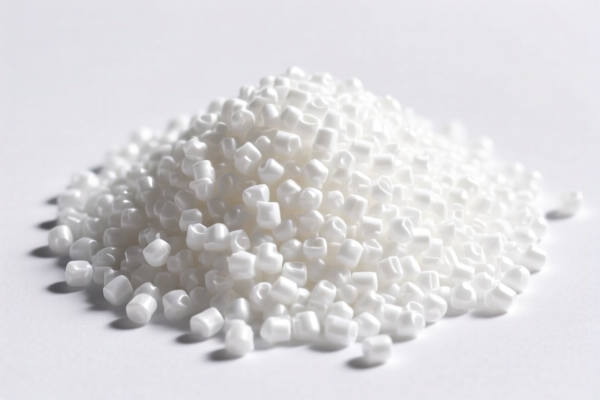
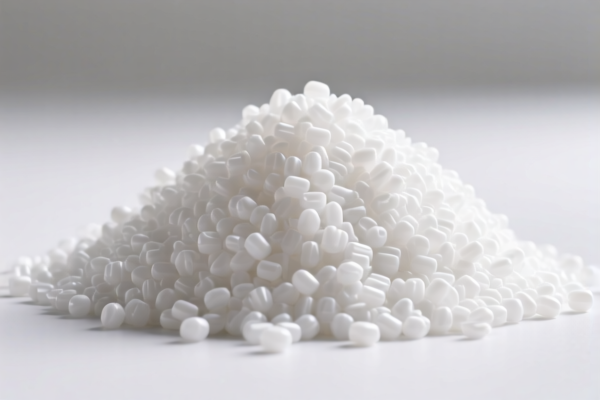
High Impact Polystyrene (HIPS) is a modified version of general-purpose polystyrene (GPPS). It is an amorphous thermoplastic polymer known for its excellent impact resistance, rigidity, and ease of processing. In international trade, the classification hinges on two key factors: 1. Material Composition: It is unequivocally Polystyrene (Chapter 39). 2. Form: It is imported in primary shapes (granules/pellets/raw material), not as finished articles.
⚠️ Key Classification Point:
- HIPS is NOT a separate chemical substance; it is a blend/modification of Polystyrene. Therefore, it falls under Chapter 39 (Plastics and Articles Thereof), specifically Heading 3903 (Polymers of Styrene, in Primary Forms).
- The term "High Impact" refers to performance specifications, not a different chemical category. It does not shift the HS Code to a different chapter.
📦 II. HS Code Classification Details (2026 Latest Tariff Authority)
Based on the provided data, HIPS falls into two primary HS Codes depending on specific regulatory interpretations of "primary shape" vs. "polymer properties." Both carry the same total tax rate.
| HS Code | Product Description | Classification Logic | Tax Rate |
|---|---|---|---|
3903.11.00.00 |
Polymers of Styrene, Mixed with Rubber | Interprets HIPS as a styrene-rubber blend (since impact resistance comes from added rubber/polybutadiene). Form: Primary shape (granules). | 41.5% |
3903.19.00.00 |
Other Polymers of Styrene, Primary Shapes | Interprets HIPS as a polystyrene polymer where "high impact" is a property attribute, not a separate chemical classification. Form: Primary shape. | 41.5% |
🔍 Critical Note:
- Both3903.11.00.00and3903.19.00.00are used for HIPS in primary shapes (granules/powder).
- The distinction is often semantic or based on specific customs rulings:
- If the customs authority views HIPS as a rubber-modified polymer, it may lean toward 3903.11.
- If they view it as a polystyrene derivative with enhanced properties, it may lean toward 3903.19.
- Crucially, the tax burden is identical (41.5%), so the choice primarily affects documentation clarity rather than cost.
💰 III. 2026 Latest Tariff Rate Breakdown (Including Surtaxes & Policy Surcharges)
✅ Applicable Country: United States (US)
✅ Country of Origin: China (CN)
✅ Effective Date: From November 10, 2025 (and subsequent imports)
🎯 1. 3903.11.00.00 – Polymers of Styrene, Mixed with Rubber
| Item | Content |
|---|---|
| Basic Tariff | 6.5% (Most Favored Nation Rate) |
| Section 301 Surtax | +25.0% (Due to China-US trade tensions) |
| Section 122 Tariff | +10.0% (Specific US tariff provision for certain chemicals/plastics) |
| Total Tax Rate | 41.5% |
| Tax Calculation | CIF Value × 41.5% |
| De Minimis Exemption | ❌ NOT Eligible (Section 301 and Section 122 tariffs apply to all shipments, including small packages) |
| Legal Basis Path | USITC:3903.11.00.00 → Section 301: 25% → Section 122: 10% → MFN: 6.5% |
📌 Explanation:
- The 6.5% is the standard WTO/USMFN tariff for polystyrene.
- The 25% is the Section 301 tariff imposed on a wide range of Chinese goods, including plastics.
- The 10% is the Section 122 tariff, a less common but applicable surcharge for specific chemical imports.
- Total: 41.5%. This is a very high tariff, significantly impacting profit margins.
🎯 2. 3903.19.00.00 – Other Polymers of Styrene, Primary Shapes
| Item | Content |
|---|---|
| Basic Tariff | 6.5% |
| Section 301 Surtax | +25.0% |
| Section 122 Tariff | +10.0% |
| Total Tax Rate | 41.5% |
| Tax Calculation | CIF Value × 41.5% |
| De Minimis Exemption | ❌ NOT Eligible |
| Legal Basis Path | USITC:3903.19.00.00 → Section 301: 25% → Section 122: 10% → MFN: 6.5% |
📌 Note:
- The tax structure is identical to3903.11.00.00.
- Whether classified as "rubber-mixed" or "other polymer," the US Customs and Border Protection (CBP) applies the same surcharges.
- Do not waste resources trying to switch between these codes to save money—the tax is the same.
🛠️ IV. Customs Clearance Practical Advice (Real-World Pitfall Guide)
✅ 1. Required Documentation Checklist (Non-Negotiable)
| Document | Must Provide | Description |
|---|---|---|
| ✅ Product Specification Sheet | ✔️ | Must state: "High Impact Polystyrene," "Polystyrene Polymer," "Primary Shape (Granules)." |
| ✅ Material Safety Data Sheet (MSDS) | ✔️ | Required for chemical/plastic imports. |
| ✅ Certificate of Origin (CO) | ✔️ | Proof of Chinese origin to determine surtax applicability. |
| ✅ Commercial Invoice | ✔️ | Must clearly describe goods as "HIPS Resin" or "Polystyrene Granules," not "plastic toys" or "finished parts." |
| ✅ Packing List | ✔️ | Details net/gross weight, carton count. |
| ✅ Bill of Lading/Air Waybill | ✔️ | Standard shipping document. |
✅ 2. Declaration Tips (Key Mnemonics)
🔥 “Raw Material, Not Finished Goods!”
| Scenario | Correct Declaration | Wrong Declaration |
|---|---|---|
| HIPS Granules | 3903.11.00.00 or 3903.19.00.00Desc: "Polystyrene, Primary Shape, HIPS Grade" |
"Plastic Toys" or "Plastic Parts" → Misclassification + Fines |
| HIPS Injection Molded Parts | Likely 3926.90.98.80 (Other plastic articles)Note: Different HS Code, potentially different tax |
Classifying molded parts as "granules" → Fraud Risk |
| Mixed Shipment (Granules + Parts) | Split Declaration Granules → 3903.xxParts → 3926.xx |
Declaring all as "Plastics" → Customs Audit |
✅ 3. Special Cases & Risk Management
| Scenario | Handling Advice |
|---|---|
| Small Package (De Minimis) | ❌ Do NOT rely on De Minimis exemption. Section 301 and 122 tariffs apply to all values, even under $800. Expect full 41.5% tax. |
| Third-Party Transshipment | If shipped from Vietnam/Malaysia but originates in China, US CBP may still apply the 41.5% tariff if they determine substantial transformation did not occur. |
| Brand Neutral vs. Branded | Irrelevant for HS Code. Tax is based on material and origin, not brand. |
🌍 V. Global Market Comparison (2026 Latest)
| Country/Region | Recommended HS Code | Basic Tariff | Surtaxes | Total Effective Rate | Notes |
|---|---|---|---|---|---|
| 🇺🇸 USA | 3903.11.00.00 / 3903.19.00.00 |
6.5% | +35% (301 + 122) | 41.5% | High barrier. Must plan for cost absorption or price increase. |
| 🇨🇳 China | 3903.11.00 |
6.5% | None | 6.5% | Standard import duty for Chinese domestic use. |
| 🇪🇺 EU | 3903.11 / 3903.19 |
6.5% | None | 6.5% | No additional surtaxes. Much more favorable than US. |
| 🇬🇧 UK | 3903.11 / 3903.19 |
6.5% | None | 6.5% | Post-Brexit, still aligned with similar rates. |
| 🇯🇵 Japan | 3903.11 / 3903.19 |
5.0% | None | 5.0% | Low tariff market. |
📌 Conclusion:
- The USA is the most expensive market for HIPS imports from China due to Section 301 and Section 122 tariffs.
- Consider supply chain diversification (e.g., sourcing from Korea, Taiwan, or EU) if targeting the US market to avoid the 35% surtax.
- For domestic use or export to non-US markets, the tariff burden is manageable (5-7%).
📌 VI. Common Mistakes & Pitfalls (Lessons Learned)
❌ Mistake 1: Declaring HIPS Granules as "Plastic Raw Material" without specifying "Polystyrene"
👉 Consequence: Customs may reject or reclassify, causing delays.
👉 Fix: Use precise HS Code and description: "Polystyrene, High Impact, Primary Shape."
❌ Mistake 2: Assuming small shipments are exempt from tariffs
👉 Consequence: Package held at customs, taxpayer liable for back-taxes + penalties.
👉 Fix: All HIPS from China is subject to 41.5% tax, regardless of value.
❌ Mistake 3: Confusing HIPS with ABS or Other Polymers
👉 Consequence: Misclassification → 3903.11/19 vs. 3903.30 (ABS). While tax might be similar, documentation mismatch triggers audits.
👉 Fix: Ensure MSDS and spec sheet confirm Polystyrene-based composition.
✅ Correct Approach:
“High Impact Polystyrene (HIPS) Resin, Polystyrene Polymer, Primary Shape, Granules, Model HIPS-100, Origin: China”
🎯 VII. Conclusion: Professional Declaration, Cost Control, Efficiency!
🎯 Remember Mnemonic:
🔹 “Granules = 3903, Granules = 41.5%, De Minimis = Myth for HIPS!”
🔹 “HS Code Determines Tax, 301 + 122 = 35%, Plan Your Supply Chain!”
📌 Pro Tip:
If your HIPS is shipped from Vietnam, Malaysia, or South Korea (and substantially transformed there), you may qualify for lower tariffs (6.5%).
- Action: Obtain a Certificate of Origin from the third country.
- Caution: Ensure substantial transformation criteria are met to avoid CBP scrutiny.
📣 Immediate Action Required:
📞 Consult a licensed customs broker
📄 Prepare MSDS + Specification Sheet
🧮 Calculate landed cost including 41.5% tax
🚀 Optimize supply chain to minimize tariff impact!
✨ Professional Clearance Starts with Accurate Classification!
💼 Every dollar of cost must be precisely calculated!
用户评价
关于 HS 编码归类
协调制度(HS)是由世界海关组织(WCO)制定的国际贸易商品分类标准。全球 200 多个国家采用 HS 系统作为海关关税、贸易统计和进出口监管的基础。
每个 HS 编码遵循以下层级结构:
- 章(2 位)——商品大类(例如:第 84 章:机器和机械设备)
- 品目(4 位)——章内的更具体分类
- 子目(6 位)——国际通用细分,所有 WCO 成员国统一使用
- 本国细分(8-10 位)——各国自行扩展的细分编码,如美国 HTSUS 10 位编码
正确的 HS 编码归类对于顺利通关、准确缴纳关税和遵守贸易法规至关重要。错误归类可能导致海关延误、多缴关税或罚款。
从CN进口到US时,适用的关税税率可能包括:
- 最惠国(MFN)税率——适用于 WTO 成员国的标准关税税率
- 普通税率——适用于无贸易协定国家
- 贸易救济关税——附加关税,如 301 条款(反倾销)、232 条款(国家安全)或反补贴税
本页内容仅供参考。如需正式归类,请咨询当地海关或持牌报关代理。