high specific surface area activated carbon
CN → US| HS编码 | 关税税率 | 原产国 | 目的国 | 文档 |
|---|---|---|---|---|
| 3802100020 | 39.8% | CN | US | 官方文档 |
| 3801105090 | 35.0% | CN | US | 官方文档 |
| 4402900100 | 35.0% | CN | US | 官方文档 |
| 4402200000 | 35.0% | CN | US | 官方文档 |
| 3802100050 | 39.8% | CN | US | 官方文档 |
商品图片
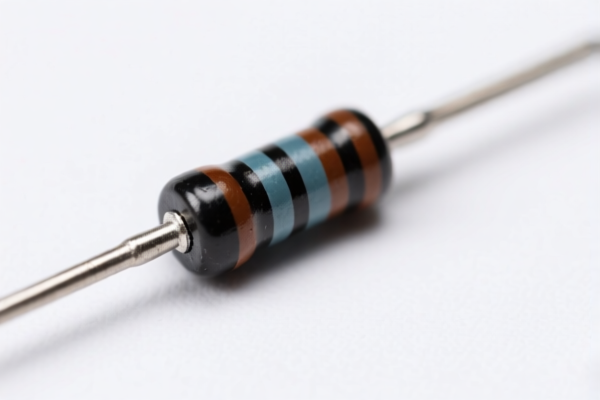
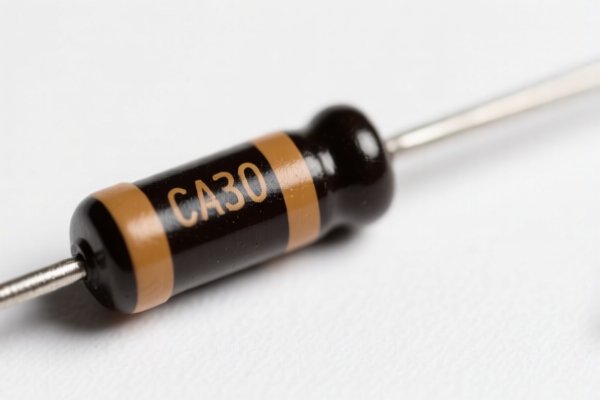
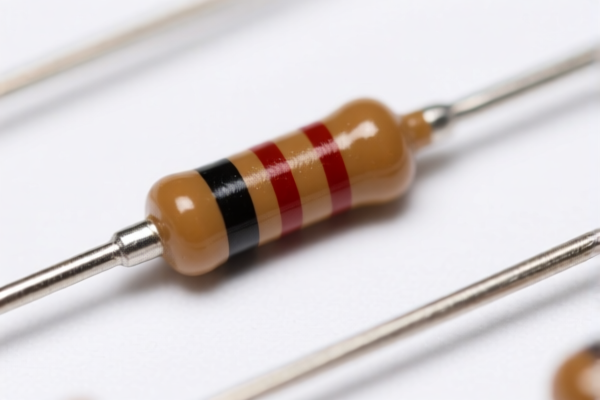
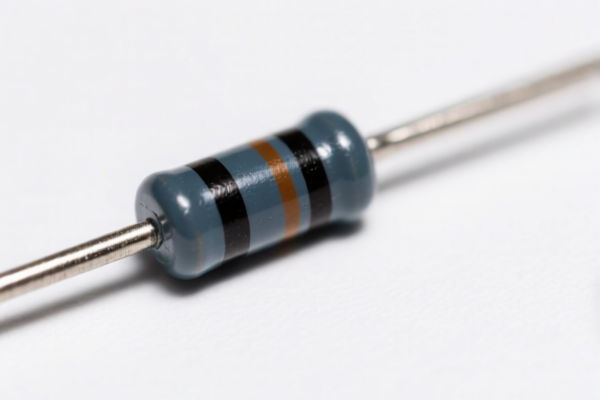
AI分析
🌿 Activated Carbon: High Specific Surface Area Classification & Customs Clearance Guide
🌐 HS Code Reference & Customs Clearance Guide | 2026 Latest Tariff Analysis | Professional Strategy
📌 1. Product Definition & Classification: What is "High Specific Surface Area Activated Carbon"?
Activated Carbon is a porous carbon material known for its massive surface area, primarily used for adsorption, purification, and filtration. The term "High Specific Surface Area" is a physical property description, not a separate chemical entity. It indicates that the carbon has undergone special activation processes to maximize porosity.
In international trade, the classification depends heavily on the base material (e.g., wood, coal, coconut shell) and the state (powder vs. granular/other).
⚠️ Key Distinction:
- If derived from wood/wood-based materials → Falls under Chapter 44 (Charcoal/Carbon derived from wood).
- If derived from other materials (coal, mineral, generic) or refined specifically for adsorption → Falls under Chapter 38 (Prepared binders, activated carbon, etc.).
📦 2. HS Code Classification Details (Based on Provided Data)
Based on the provided <DATA>, here are the valid HS Codes for High Specific Surface Area Activated Carbon, with detailed tax breakdowns.
| HS Code | Product Description & Logic | Total Tax Rate | Tax Breakdown |
|---|---|---|---|
| 4402.90.01.00 | Wood-based Activated Carbon Logic: Described as a derivative form of charcoal, consistent with material requirements. "High specific surface area" is a physical characteristic. Source: Summary 1 |
35.0% | Base: 0.0% Add-on: 25.0% Section 301 (122 Clause): 10% |
| 4402.20.00.00 | Wood-based Activated Carbon Logic: Activated carbon is a carbonization product, highly consistent with charcoal and its derivatives within the carbon-based material category. Source: Summary 2 |
35.0% | Base: 0.0% Add-on: 25.0% Section 301 (122 Clause): 10% |
| 3802.10.00.50 | Prepared Activated Carbon (Other) Logic: Consistent with the material classification. High specific surface area is a physical trait, no conflict with other activated carbon types. Source: Summary 3 |
39.8% | Base: 4.8% Add-on: 25.0% Section 301 (122 Clause): 10% |
| 3802.10.00.20 | Prepared Activated Carbon (Other) Logic: Completely consistent with material classification. High specific surface area is a physical trait, matches basic attributes without material conflict. Source: Summary 4 |
39.8% | Base: 4.8% Add-on: 25.0% Section 301 (122 Clause): 10% |
🔍 Critical Analysis:
- Codes 4402.xxxx imply the carbon is derived from wood/vegetable matter (Charcoal). These have a 0% Base Rate.
- Codes 3802.xxxx imply the carbon is "Prepared" or derived from other sources (e.g., coal, mineral). These have a 4.8% Base Rate.
- Both categories incur Section 301/122 Clause tariffs (Total Add-on: 35%).
- Total Tax Impact: Ranges from 35% to 39.8% depending on the base material origin.
💰 3. 2026 Latest Tariff Rate Breakdown (Detailed Policy)
✅ Applicable Context: Based on the data structure (Section 122, USITC Footnotes implied), this refers to US Imports from China.
🎯 Category A: Wood-Based Activated Carbon (HS 4402)
| Item | Detail |
|---|---|
| HS Codes | 4402.90.01.00, 4402.20.00.00 |
| Base MFN Rate | 0.0% |
| Section 301 Add-on | +25.0% |
| 122 Clause / IEEPA | +10.0% |
| Total Effective Rate | 35.0% |
| De Minimis Exemption? | ❌ No (High value, restricted category) |
📌 Explanation:
- Although wood charcoal often has low base duties, the Section 301 and 122 Clause tariffs significantly increase the cost.
- "High specific surface area" does not exempt it from these add-ons.
🎯 Category B: Prepared/Other Activated Carbon (HS 3802)
| Item | Detail |
|---|---|
| HS Codes | 3802.10.00.50, 3802.10.00.20 |
| Base MFN Rate | 4.8% |
| Section 301 Add-on | +25.0% |
| 122 Clause / IEEPA | +10.0% |
| Total Effective Rate | 39.8% |
| De Minimis Exemption? | ❌ No |
📌 Explanation:
- The 4.8% base rate makes this category slightly more expensive than wood-based charcoal.
- This category is typically used for coal-based or mineral-based activated carbon, or specifically "prepared" carbons not classified as simple charcoal.
🛠️ 4. Customs Clearance Practical Advice (Avoid Pitfalls)
✅ 1. Documentation Checklist
| Document | Requirement | Notes |
|---|---|---|
| Product Specification Sheet | ✔️ Essential | Must explicitly state "High Specific Surface Area" (e.g., >1000 m²/g) and Base Material (Wood, Coal, Coconut). |
| HS Code Justification | ✔️ Recommended | Explain why it falls under 4402 vs. 3802 (i.e., is it raw charcoal derivative or refined prepared carbon?). |
| Commercial Invoice | ✔️ Mandatory | Clearly describe as "Activated Carbon, High Specific Surface Area, Wood-Based" or similar. |
| Certificate of Origin (CO) | ✔️ If Applicable | If shipped from Vietnam/Thailand, may avoid Section 301/122 duties (verify eligibility). |
| TDS (Technical Data Sheet) | ✔️ Recommended | To prove physical properties (surface area, pore volume). |
✅ 2. Classification Strategy (How to Choose?)
| Scenario | Recommended HS Code | Reason |
|---|---|---|
| Raw Wood-Based Charcoal activated into carbon | 4402.90.01.00 / 4402.20.00.00 |
Fits "Charcoal" definition; lower base rate (0%). |
| Coal/Mineral-Based Activated Carbon | 3802.10.00.20 / 3802.10.00.50 |
"Prepared carbon" falls under Chapter 38. |
| Coconut Shell Activated Carbon | 4402.xxxx (if considered wood derivative) OR 3802.xxxx |
Note: Coconut shell is often classified under 4402, but verify with customs if it's considered "prepared." |
| Generic "Activated Carbon" without material proof | 3802.10.00.20 (Safe Default) |
Higher base rate but avoids misclassification penalties if material is unclear. |
🔥 Golden Rule:
"Material Determines Chapter, Surface Area is Just a Feature."
- If it's wood-based → Chapter 44 (Lower Base Tax).
- If it's coal/other → Chapter 38 (Higher Base Tax).
- High Specific Surface Area does not change the chapter; it only describes the product's quality.
✅ 3. Common Mistakes to Avoid
❌ Mistake 1: Claiming "High Surface Area" qualifies for a different chemical category.
👉 Result: Misclassification. Customs will still look at the base material (wood vs. coal).
❌ Mistake 2: Ignoring the 122 Clause/Section 301 tariffs.
👉 Result: Unexpected 35-39.8% duty on top of CIF value. Budget accordingly!
❌ Mistake 3: Using "Activated Carbon" without specifying base material.
👉 Result: Customs may assign the highest base rate or demand additional testing to determine origin.
🌍 5. Global Market Comparison (2026 Outlook)
| Region | Recommended HS Code | Est. Duty Rate (China Origin) | Key Notes |
|---|---|---|---|
| 🇺🇸 USA | 4402 or 3802 |
35% - 39.8% | Heavy Section 301 + 122 Clause duties. |
| 🇨🇳 China | 3802.10.00 (Import) |
~5-10% | No Section 301. Lower base rates for some variants. |
| 🇪🇺 EU | 3802.10.00 |
0% - 2.5% | No major anti-dumping duties on activated carbon generally. |
| 🇮🇳 India | 3802.10.00 |
10-15% | Check for Anti-Dumping Duties (ADD) on specific origins. |
📌 Conclusion for US Importers:
- Cost Pressure: The 35-39.8% total duty is significant.
- Mitigation: Consider supply chain diversification (e.g., sourcing from Vietnam, Malaysia, or Indonesia) to potentially avoid Section 301/122 tariffs, provided the product undergoes substantial transformation.
📌 6. Final Checklist for Importers
- Confirm Base Material: Is it Wood, Coal, or Coconut?
- Select HS Code:
- Wood/Coconut →
4402.90.01.00or4402.20.00.00 - Coal/Other →
3802.10.00.20or3802.10.00.50 - Calculate Landed Cost: Include 35% or 39.8% duty + freight + insurance.
- Prepare Documentation: TDS, Invoice, CO (if applicable).
- Consider Pre-Ruling: For large volumes, apply for a US Customs Binding Ruling to confirm classification.
🎯 Pro Tip:
"Don't let 'High Surface Area' distract you. The 'Base Material' is king.
Wood = Chapter 44 (Cheaper Base).
Coal/Other = Chapter 38 (Expensive Base).
Both = High US Duties."
✨ Professional Clearance, Precise Classification, Cost Efficiency!
💼 Every duty point counts in your profit margin.
用户评价
关于 HS 编码归类
协调制度(HS)是由世界海关组织(WCO)制定的国际贸易商品分类标准。全球 200 多个国家采用 HS 系统作为海关关税、贸易统计和进出口监管的基础。
每个 HS 编码遵循以下层级结构:
- 章(2 位)——商品大类(例如:第 84 章:机器和机械设备)
- 品目(4 位)——章内的更具体分类
- 子目(6 位)——国际通用细分,所有 WCO 成员国统一使用
- 本国细分(8-10 位)——各国自行扩展的细分编码,如美国 HTSUS 10 位编码
正确的 HS 编码归类对于顺利通关、准确缴纳关税和遵守贸易法规至关重要。错误归类可能导致海关延误、多缴关税或罚款。
从CN进口到US时,适用的关税税率可能包括:
- 最惠国(MFN)税率——适用于 WTO 成员国的标准关税税率
- 普通税率——适用于无贸易协定国家
- 贸易救济关税——附加关税,如 301 条款(反倾销)、232 条款(国家安全)或反补贴税
本页内容仅供参考。如需正式归类,请咨询当地海关或持牌报关代理。