highly doped silicon wafer
CN → US| HS编码 | 关税税率 | 原产国 | 目的国 | 文档 |
|---|---|---|---|---|
| 2804691000 | 15.3% | CN | US | 官方文档 |
| 8541100040 | 60.0% | CN | US | 官方文档 |
| 8541590040 | 60.0% | CN | US | 官方文档 |
| 3818000095 | 60.0% | CN | US | 官方文档 |
| 3818000020 | 60.0% | CN | US | 官方文档 |
| 2804610000 | 60.0% | CN | US | 官方文档 |
商品图片
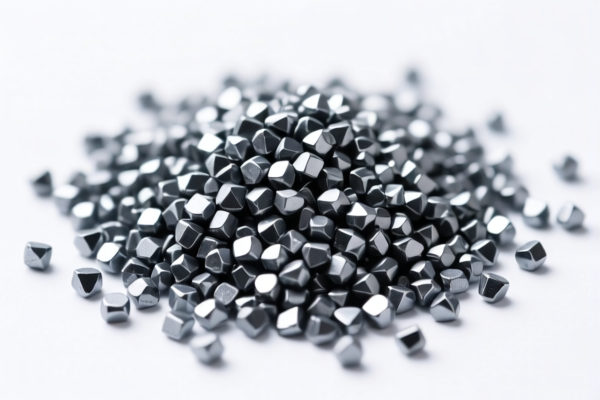
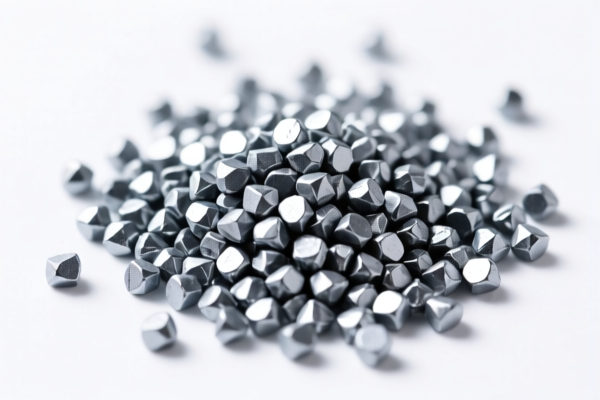
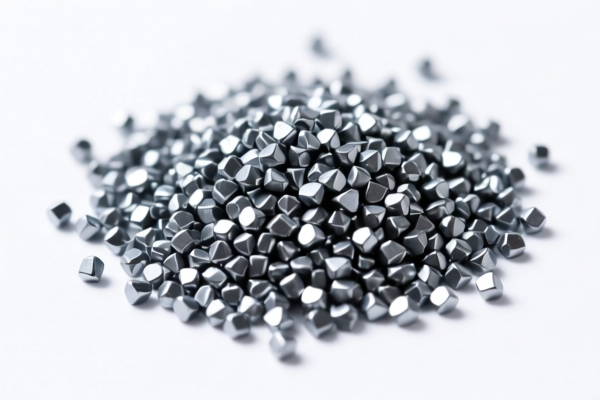
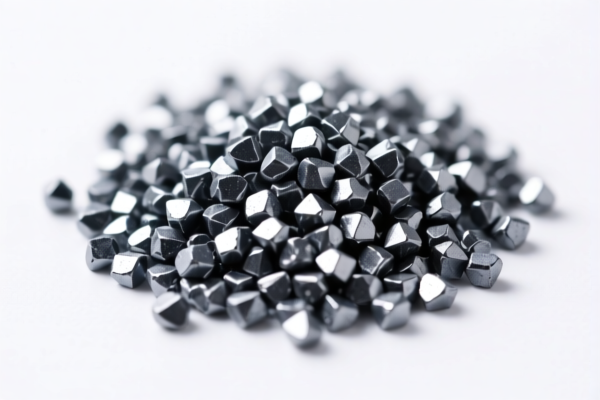
AI分析
⚛️ Highly Doped Silicon Wafer
🌐 HS Code Reference & Customs Clearance Guide | 2026 Latest Tariff Full Analysis | Professional Clearance Strategy
📌 I. Product Definition & Classification: Do You Truly Understand "Silicon Wafers"?
A Highly Doped Silicon Wafer is a critical semiconductor substrate. In international trade, its classification hinges on two key factors:
1. State of Processing: Is it a raw elemental material or a processed semiconductor component?
2. Functionality: Is it used as a passive material or an active electronic component?
⚠️ Critical Distinction:
- If it is considered a raw chemical material (elemental silicon with impurities for industrial use) →归类 to Chapter 28 (Inorganic Chemicals).
- If it is considered a semiconductor device/component (processed wafer/wafers for electronic use) → 归类 to Chapter 85 or Chapter 38 (Electrical Machinery/Semiconductors).
📦 II. HS Code Classification Details (2026 Latest Tariff Authority Comparison)
| HS Code | Product Description | Application Scenario | Tax Rate (Total) | Key Reasoning from DATA |
|--------|--------------------------|----------|----------------|
| 2804.69.10.00 | Other Silicon (Elemental Silicon, semi-finished form) | Raw silicon material, basic semiconductor substrate, non-electronic industrial use. | 15.3% | Match Success: The name "Silicon" matches the material requirement; "Wafer" is a semi-finished form, compatible with "Other Silicon".
🔹 Lowest Tax Option |
| 8541.10.00.40 | Uninstalled Chips, Dies, and Wafers (Semiconductor Materials) | Processed wafers (wafer state), doped silicon, used as active semiconductor material. | 60.0% | Match Basis: Form is "Silicon Wafer" (wafer state), material is "Doped Silicon" (semiconductor material); fits "Uninstalled chips, dies, and wafers". |
| 8541.59.00.40 | Other Semiconductor Devices (Unassembled Wafers) | Silicon wafers (wafers), silicon material, fits "Unassembled wafers" definition. | 60.0% | Match Basis: Form is "Silicon Wafer" (wafers), material is "Silicon" (semiconductor material); fits "Unassembled wafers". |
| 3818.00.00.95 | Cut Wafers (Other doped materials) | Cut wafers/discs, low-impedance doping, fits "Other doped materials" (excluding GaAs, Polysilicon, SiC). | 60.0% | Match Basis: Material "Silicon", form "Silicon Wafer" (disc/wafer), use "Low-impedance doping"; fits the residual category for other doped materials. |
| 3818.00.00.20 | Polysilicon Wafers, Doped | Doped silicon wafers, matches "Polysilicon wafers, doped" in material (Silicon) and use (Doping). | 60.0% | Match Success: "Doped Silicon Wafer" matches "Polysilicon wafers, doped" in material and use. |
| 2804.61.00.00 | Monosilicon (Elemental Silicon) | Silicon material, doped silicon wafer (semi-finished), fits material attribute definition. | 60.0% | Match Basis: Name "Silicon" matches material; "Doped Silicon Wafer" is semi-finished, fits material attribute definition, no conflict. |
🔍 Key Insight:
- There is a massive tax discrepancy between Chapter 28 (2804.69.10.00@ 15.3%) and Chapters 38/85 (all @ 60.0%).
- The core argument is whether the "Doped Silicon Wafer" is classified as a raw chemical product or a semiconductor component.
💰 III. 2026 Latest Tariff Rate Details (Including Surtaxes & Policy Add-ons)
✅ Applicable Country: United States (US)
✅ Origin: China (CN)
✅ Effective Time: From November 10, 2025 (including subsequent imports)
🎯 1. 2804.69.10.00 —— Other Silicon (Elemental Silicon)
🏆 BEST CASE SCENARIO: Lowest Tax Rate
| Item | Details |
|---|---|
| Base Tariff | 5.3% |
| USITC Surtax (Section 301) | +0.0% |
| 122 Clause Tariff (IEEPA) | +10.0% |
| Total Tariff Rate | 15.3% |
| De Minimis Exemption | ❌ Not Eligible (Deny De Minimis for China-origin goods under Section 301/IEEPA usually applies to higher value, but specific footnotes may apply; however, 15.3% is still significantly lower than 60%) |
| Legal Basis Path | USITC:2804.69.10.00 → FOOTNOTE:301/122 |
📌 Explanation:
- This classification treats the wafer as a chemical element (silicon) in a semi-finished state.
- Significant Cost Advantage: 15.3% vs. 60%.
- Risk: US Customs may reclassify it as a semiconductor if "doping" implies electronic function.
🎯 2. 8541.10.00.40 / 8541.59.00.40 / 3818.00.00.95 / 3818.00.00.20 / 2804.61.00.00
⚠️ HIGH TAX SCENARIO: Semiconductor/Component Classification
| Item | Details |
|---|---|
| Base Tariff | 0.0% (Most Chapter 85/38 items have 0% base) |
| USITC Surtax (Section 301) | +50.0% |
| 122 Clause Tariff (IEEPA) | +10.0% |
| Total Tariff Rate | 60.0% |
| De Minimis Exemption | ❌ Not Eligible |
| Legal Basis Path | USITC:8541.10.00.40 → FOOTNOTE:9903.88.01 / IEEPA:9903.01.25 → IEEPA:9903.01.24 |
📌 Explanation:
- 50% Section 301 Surtax: Applies to semiconductor devices and related materials from China.
- 10% IEEPA Surtax: Additional tariff under International Emergency Economic Powers Act.
- Total 60%: This is a prohibitive tax rate for many businesses.
🛠️ IV. Customs Clearance Practical Advice (Real-World Pitfall Avoidance Guide)
✅ 1. Preparation Checklist (Must-Haves)
| Material | Must Provide | Explanation |
|---|---|---|
| ✅ Product Specification Sheet | ✔️ | Detail doping concentration, resistivity, crystal orientation (e.g., <100>, <111>), diameter, thickness. |
| ✅ Technical Data Sheet (TDS) | ✔️ | Prove if it is used as a substrate (passive) or active semiconductor. |
| ✅ Product Photos (Clear) | ✔️ | Show surface quality, packaging, and any markings. |
| ✅ Certificate of Analysis (COA) | ✔️ | Confirm purity and doping levels. |
| ✅ Commercial Invoice | ✔️ | Clearly state "Silicon Wafer" vs. "Semiconductor Device". Avoid vague terms like "Chip". |
| ✅ Packing List | ✔️ | Ensure consistency with invoice. |
✅ 2. Declaration Strategy (Key Mnemonics)
🔥 “Low Resistivity = Chemical, High Precision = Semiconductor!”
| Scenario | Recommended HS Code | Risk Level |
|---|---|---|
| General Industrial Silicon Wafers (High resistivity, low doping, used as substrate) | 2804.69.10.00 |
✅ Low Risk (15.3%) |
| Highly Doped/Low Resistivity Wafers (Used for specific electronic devices, MEMS, sensors) | 8541.10.00.40 or 3818.00.00.95 |
⚠️ High Risk (60%) |
Polysilicon Wafers (Specifically mentioned in 3818.00.00.20) |
3818.00.00.20 |
⚠️ High Risk (60%) |
| Monocrystalline Silicon (If argued as raw material) | 2804.61.00.00 |
⚠️ High Risk (60% - Note: DATA shows 60% for this code due to surtaxes) |
📌 Crucial Note:
- Do NOT declare as "Silicon Wafer" if it is clearly a finished semiconductor component.
- If it is Highly Doped (Low Resistivity), US Customs is likely to classify it under Chapter 85 or 38, triggering the 60% tax.
- Argument for 15.3%: Emphasize that the wafer is a raw material for further manufacturing, not a finished electronic component.
✅ 3. Special Case Handling
| Situation | Handling Advice |
|---|---|
| Doping Level is Low | Provide COA showing high resistivity → Argue for 2804.69.10.00 (15.3%). |
| Doping Level is High (Low Resistivity) | Expect 60% tax. Consider supply chain restructuring if possible. |
| Polysilicon vs. Monosilicon | 3818.00.00.20 explicitly covers "Polysilicon Wafers, Doped". Monosilicon may have more argument space for 2804 but still risky. |
| Pre-Ruling | Highly Recommended! File an Advance Ruling with US Customs to confirm HS Code before shipment. |
🌍 V. Global Market Comparison (2026 Latest)
| Country/Region | Recommended HS Code | Tariff (China Origin) | Certification | Note |
|---|---|---|---|---|
| 🇺🇸 USA | 2804.69.10.00 |
15.3% | None | Best Case8541/3818: 60% |
| 🇺🇸 USA | 8541.10.00.40 |
60.0% | None | Worst Case |
| 🇪🇺 EU | 2804.69 |
Varies (Look for Free Trade Agreements) | CE, RoHS | EU may treat silicon wafers as raw materials. |
| 🇨🇳 China | 2804.69 |
5% (Import Duty) | None | Lower baseline tax. |
📌 Conclusion:
- USA is the most challenging market due to the 44.7% tariff gap (15.3% vs. 60%).
- China-origin silicon wafers face significant tariffs if classified as semiconductors.
📌 VI. Common Mistakes & Pitfall Avoidance (Blood & Tears Lessons)
❌ Mistake 1: Declaring "Highly Doped Silicon Wafer" as 2804.69.10.00 without justification.
👉 Consequence: Customs reclassifies to 8541 or 3818 → Back taxes + Penalties (44.7% difference).
❌ Mistake 2: Using vague description "Silicon Material".
👉 Consequence: Customs demands detailed specs → Delays or forced classification to highest tax rate.
❌ Mistake 3: Ignoring the "Doping" aspect.
👉 Consequence: "Doped" implies electronic function → Pushes classification toward Chapter 85/38.
❌ Mistake 4: Assuming all Silicon Wafers are the same.
👉 Consequence: Polysilicon, Monosilicon, and Doped wafers have different HS codes and tax implications.
✅ Correct Practice:
“Monocrystalline Silicon Wafer, Undoped/Weakly Doped, Resistivity > 10 Ohm-cm, for Semiconductor Substrate Use, Model XYZ, Diameter 150mm”
(Use this description to argue for2804.69.10.00)
🎯 VII. Conclusion: Professional Declaration Saves Money!
🎯 Remember the Mnemonic:
🔹 “Low Resistivity = 60%, High Resistivity = 15.3%!”
🔹 “Doping = Semiconductor, Raw Silicon = Chemical!”
🔹 “Pre-Ruling is King, Avoid 60% Tax Trap!”
📌 Pro Tip:
If your silicon wafers are highly doped and intended for electronic use, the 60% tariff is likely unavoidable under current US trade policies. Consider:
1. Advance Ruling: Get official confirmation from US CBP.
2. Supply Chain Diversification: Explore sourcing from non-China origins to mitigate Section 301/IEEPA tariffs.
3. Technical Argument: If possible, demonstrate that the wafer is a raw material with minimal electronic function to argue for 2804.69.10.00.
📣 Immediate Action:
📞 Contact a Customs Broker + Provide Doping Specs + File for Advance Ruling
🚀 Ensure Smooth Clearance, Minimize Tax Liability, Maximize Profit!
✨ Professional Clearance Starts with Accurate Classification!
💼 Every Cent of Cost Deserves Precise Calculation!
用户评价
关于 HS 编码归类
协调制度(HS)是由世界海关组织(WCO)制定的国际贸易商品分类标准。全球 200 多个国家采用 HS 系统作为海关关税、贸易统计和进出口监管的基础。
每个 HS 编码遵循以下层级结构:
- 章(2 位)——商品大类(例如:第 84 章:机器和机械设备)
- 品目(4 位)——章内的更具体分类
- 子目(6 位)——国际通用细分,所有 WCO 成员国统一使用
- 本国细分(8-10 位)——各国自行扩展的细分编码,如美国 HTSUS 10 位编码
正确的 HS 编码归类对于顺利通关、准确缴纳关税和遵守贸易法规至关重要。错误归类可能导致海关延误、多缴关税或罚款。
从CN进口到US时,适用的关税税率可能包括:
- 最惠国(MFN)税率——适用于 WTO 成员国的标准关税税率
- 普通税率——适用于无贸易协定国家
- 贸易救济关税——附加关税,如 301 条款(反倾销)、232 条款(国家安全)或反补贴税
本页内容仅供参考。如需正式归类,请咨询当地海关或持牌报关代理。