hog bristles for brushes
CN → US| HS编码 | 关税税率 | 原产国 | 目的国 | 文档 |
|---|---|---|---|---|
| 9603404040 | 14.0% | CN | US | 官方文档 |
| 9603404040 | 14.0% | CN | US | 官方文档 |
| 9603302000 | 20.1% | CN | US | 官方文档 |
| 4417004000 | 17.5% | CN | US | 官方文档 |
| 4417006000 | 35.0% | CN | US | 官方文档 |
| 9603404060 | 14.0% | CN | US | 官方文档 |
商品图片
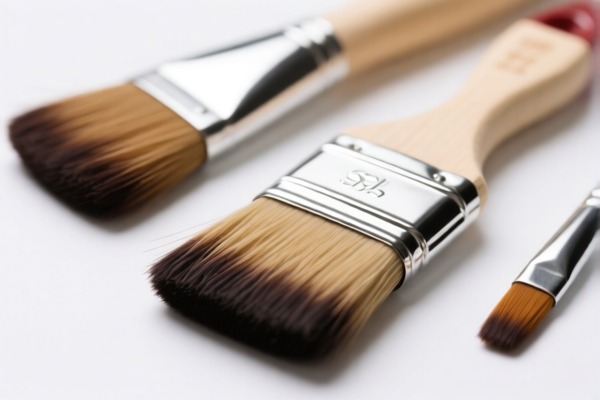
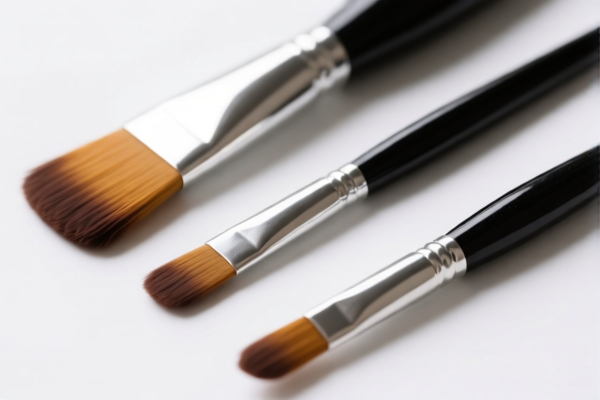
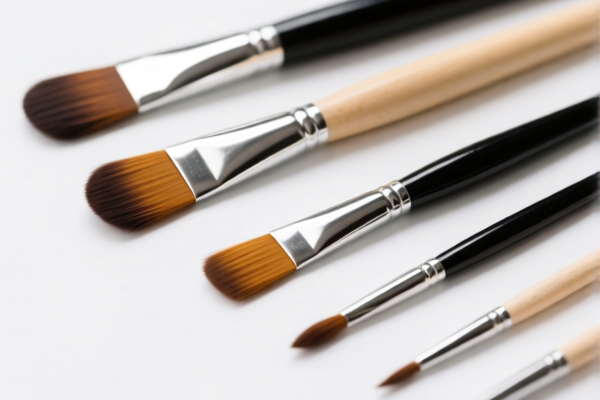
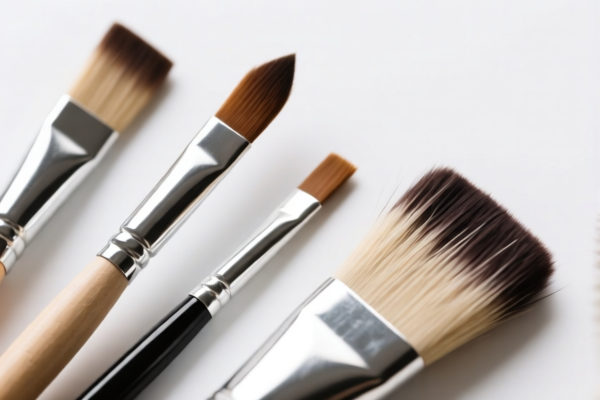
AI分析
🐗 Hog Bristles for Brushes – HS Code & Tariff Guide (2026 Update)
🌐 HS Code Classification & Customs Clearance Strategy | 2026 Tariff Breakdown | Expert-Level Compliance
📌 One Product, One Correct HS Code – Avoid Penalties, Save Costs!
📦 1. Product Definition & Classification: What Are Hog Bristles for Brushes?
Hog bristles for brushes refer to natural bristles harvested from pigs, primarily used in the manufacturing of brushes for industrial, artistic, or household applications. These bristles are valued for their durability, stiffness, and resilience, making them ideal for:
- Paintbrushes (especially oil & enamel)
- Hairbrushes
- Cleaning brushes
- Artistic brushmaking (e.g., traditional Chinese ink brushes)
⚠️ Key Classification Rule:
- If the bristles are unprocessed or only cleaned/trimmed → classified as raw material
- If already attached to a handle or shaped into a brush → classified as a finished brush (different HS Code)
📊 2. HS Code Breakdown (2026 Official Tariff List – US Focus)
| HS Code | Product Description | Applicable Tax Rate | Is It a Brush? | Raw Material? |
|---|---|---|---|---|
9603.40.40.40 |
Hog bristles, natural hair, for brushes (unmounted) | 14.0% | ❌ No | ✅ Yes |
9603.40.40.60 |
Brushes with bristles for painting, coloring, or similar use (e.g., paint, varnish, ink) | 14.0% | ✅ Yes | ❌ No |
✅ Note:
-9603.40.40.40applies only to loose, unmounted hog bristles
-9603.40.40.60applies when the bristles are already mounted in a brush form, even if not fully assembled
💰 3. 2026 Tariff Breakdown – Detailed Tax Clause Analysis
🎯 1. 9603.40.40.40 – Hog Bristles (Unmounted, Natural)
| Tax Component | Rate | Legal Basis | Explanation |
|---|---|---|---|
| Base Duty | 4.0% | US Tariff Schedule (HTSUS) | Standard rate for natural bristles |
| Additional Duty (Section 301) | 0.0% | USITC Section 301 | No additional 301 tariff on this item |
| Section 122 Tariff (IEEPA) | 10.0% | IEEPA (International Emergency Economic Powers Act) | Applies to all goods from China (CN), including raw natural fibers |
| Total Effective Rate | 14.0% | — | CIF × 14% |
📌 Critical Insight:
- Even though no 301 tariff is applied, the 10% IEEPA tariff is mandatory for all Chinese-origin hog bristles
- This means: $100,000 CIF value → $14,000 in duties
- No de minimis exemption (under $800 threshold) — you cannot avoid it
🎯 2. 9603.40.40.60 – Brushes with Bristles (Painting/Coloring Use)
| Tax Component | Rate | Legal Basis | Explanation |
|---|---|---|---|
| Base Duty | 4.0% | HTSUS 9603.40.40.60 | Standard rate for brush tools |
| Additional Duty (Section 301) | 0.0% | USITC 301 | Not subject to 301 tariff |
| Section 122 Tariff (IEEPA) | 10.0% | IEEPA (9903.01.24) | Applies to China-origin goods under IEEPA |
| Total Effective Rate | 14.0% | — | CIF × 14% |
📌 Key Point:
- Even if the brush is not fully assembled, if it’s designed for painting or coloring, it falls under this code
- Do not classify a brush as “raw bristles” just because it’s not glued yet — form and function matter
🛠️ 4. Customs Clearance Best Practices (Pro Tips to Avoid Delays)
✅ 1. Required Documentation (Must-Have)
| Document | Why It’s Critical |
|---|---|
| ✅ Commercial Invoice | Must clearly state: “Hog bristles, unmounted, for brush manufacturing” or “Paintbrush with hog bristles” |
| ✅ Packing List | Shows quantity, weight, and whether bristles are loose or mounted |
| ✅ Bill of Lading / Air Waybill | Proves origin and shipment details |
| ✅ Certificate of Origin (CO) | If from China → triggers 10% IEEPA tariff |
| ✅ Product Photos (Clear, High-Res) | Show bristles loose vs. mounted – critical for correct classification |
| ✅ Technical Specs (Optional but Recommended) | Include bristle length, diameter, source (e.g., "Pig bristles from Sichuan, China") |
✅ 2.申报技巧(Smart Classification Rules)
🔥 “Loose Bristles? →
9603.40.40.40| Mounted Brush? →9603.40.40.60”
| Scenario | Correct HS Code | Wrong Code | Risk |
|---|---|---|---|
| Pig bristles in bulk, not attached to handle | 9603.40.40.40 |
9603.40.40.60 |
Underpaid duties → penalties |
| Brush with hog bristles, used for oil painting | 9603.40.40.60 |
9603.40.40.40 |
Overpaid duties → loss of profit |
| Bristles in a plastic bag, labeled “for brushmaking” | 9603.40.40.40 |
9603.40.40.60 |
Risk of audit or seizure |
✅ 3. Special Cases & Risk Mitigation
| Situation | Recommended Action |
|---|---|
| Bristles from non-China origin (e.g., Vietnam, Poland) | Apply for IEEPA exemption → 0% IEEPA tariff → Total = 4% |
| Mixed shipment: bristles + finished brushes | Declare separately – don’t lump together |
| Custom brush design (e.g., artist’s tool) | Include purpose statement: “For professional painting, not household use” |
| High-value consignment (>$100K) | Request Advance Ruling (Pre-Clearance) from U.S. CBP |
🌍 5. Global Market Comparison (2026)
| Country | Recommended HS Code | Base Duty | IEEPA/301 Tax | Total Effective Duty |
|---|---|---|---|---|
| 🇺🇸 USA (China origin) | 9603.40.40.40 or 9603.40.40.60 |
4.0% | 10.0% | 14.0% |
| 🇨🇳 China | 9603.40.40.40 |
5.0% | 0% | 5.0% |
| 🇪🇺 EU | 9603.40.40.40 |
0% (if CE) | 0% | 0% |
| 🇦🇺 Australia | 9603.40.40.40 |
5.0% | 0% | 5.0% |
| 🇯🇵 Japan | 9603.40.40.40 |
0% | 0% | 0% |
📌 Insight:
- China-origin hog bristles are most expensive in the U.S. due to IEEPA
- Vietnam, Poland, or Thailand sources may avoid the 10% tariff → strong cost advantage
🚫 6. Common Mistakes & Real-World Penalties
❌ Mistake 1: Calling loose bristles “brushes” to get a lower rate
👉 Result: Customs may reclassify → penalties + interest + seizure
❌ Mistake 2: Not declaring origin → IEEPA tariff applied anyway
👉 Result: Back duties + 10% penalty if discovered post-entry
❌ Mistake 3: Using “natural hair” instead of “hog bristles” in invoice
👉 Result: Classification ambiguity → delayed clearance
✅ Correct Declaration Example:
“Hog bristles, unmounted, 2.5 cm long, for brushmaking, origin: China, CIF $50,000, HS Code: 9603.40.40.40”
🎯 7. Final Verdict: How to Win the Tariff Game
🔹 Loose hog bristles from China? →
9603.40.40.40→ 14.0%
🔹 Paintbrush with hog bristles? →9603.40.40.60→ 14.0%
🔹 Non-China origin? → 4.0% only (no IEEPA)
🔹 Always provide photos, CO, and clear description
📌 Summary: The 3 Golden Rules for Hog Bristles
- ✅ Form determines code: Loose bristles ≠ brush
- ✅ Origin triggers IEEPA: China → 10% extra
- ✅ Documentation is king: Photos + invoice + CO = smooth clearance
📣 Action Now:
📞 Contact a U.S. CBP-registered customs broker
🚀 Request HS Code pre-ruling for high-value shipments
💼 Switch to non-China sourcing? → Save 10% in duties
✨ Pro Tip:
If you’re exporting from China, consider transshipping via Vietnam or Mexico to avoid IEEPA 10% — legally compliant and cost-effective.
🎯 Your Bristles, Your Profit – Get the Code Right, Avoid the Penalty!
💼 One wrong HS Code can cost you 10% of your shipment value. Don’t gamble.
🌐 Stay compliant. Stay profitable. Stay ahead.
用户评价
关于 HS 编码归类
协调制度(HS)是由世界海关组织(WCO)制定的国际贸易商品分类标准。全球 200 多个国家采用 HS 系统作为海关关税、贸易统计和进出口监管的基础。
每个 HS 编码遵循以下层级结构:
- 章(2 位)——商品大类(例如:第 84 章:机器和机械设备)
- 品目(4 位)——章内的更具体分类
- 子目(6 位)——国际通用细分,所有 WCO 成员国统一使用
- 本国细分(8-10 位)——各国自行扩展的细分编码,如美国 HTSUS 10 位编码
正确的 HS 编码归类对于顺利通关、准确缴纳关税和遵守贸易法规至关重要。错误归类可能导致海关延误、多缴关税或罚款。
从CN进口到US时,适用的关税税率可能包括:
- 最惠国(MFN)税率——适用于 WTO 成员国的标准关税税率
- 普通税率——适用于无贸易协定国家
- 贸易救济关税——附加关税,如 301 条款(反倾销)、232 条款(国家安全)或反补贴税
本页内容仅供参考。如需正式归类,请咨询当地海关或持牌报关代理。