hole punching pliers
CN → US| HS编码 | 关税税率 | 原产国 | 目的国 | 文档 |
|---|---|---|---|---|
| 8203206060 | 0.0% | CN | US | 官方文档 |
| 8467891000 | 17.5% | CN | US | 官方文档 |
| 8205513060 | 38.7% | CN | US | 官方文档 |
| 8203406000 | 38.3% | CN | US | 官方文档 |
| 8467195090 | 35.0% | CN | US | 官方文档 |
| 8205595560 | 40.3% | CN | US | 官方文档 |
商品图片
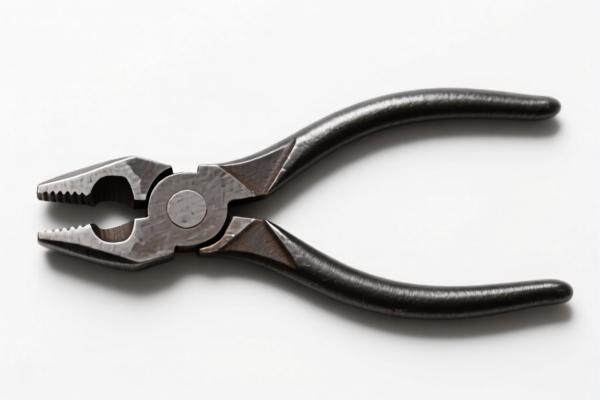
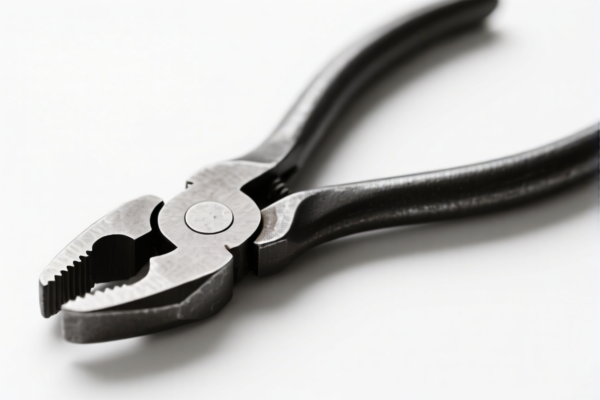
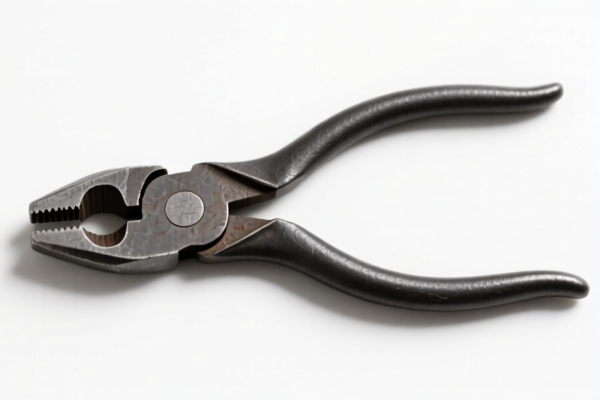
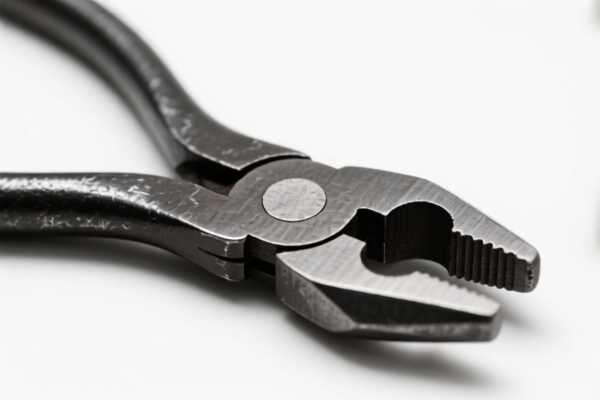
AI分析
🖌️ Hole Punching Pliers (Leather/Metal/Industrial Hand Tools)
🌐 HS Code Reference & Customs Clearance Guide | 2026 Latest Tariff Analysis | Professional Strategy
📌 I. Product Definition & Classification: What Exactly Are "Hole Punching Pliers"?
Hole punching pliers are versatile hand tools used to create clean, round holes in materials such as leather, fabric, cardboard, thin metal sheets, or plastic. In international trade, their classification depends heavily on material composition, power source (manual vs. pneumatic), and specific intended use.
⚠️ Key Distinction:
- If purely manual and made of base metal (iron/steel) without cutting edges → Likely 8203 or 8205.
- If pneumatic/power-assisted → Likely 8467.
- Misclassification can lead to massive tariff spikes (from 0% to 38.3%+) due to US trade remedies.
📦 II. HS Code Classification Details (Based on Provided Data)
| HS Code | Summary Description | Basis for Classification |
|---|---|---|
8203.40.60.00 |
Punching pliers classified as "perforating punches and similar tools" made of base metal. | Fits the functional description of perforating tools under Chapter 82 (tools of base metal). |
8467.19.50.90 |
Hand-held pneumatic tools, falling under residual categories for power-driven hand tools. | Applies if the tool is pneumatic (air-powered), not purely manual. |
8205.59.55.60 |
Iron or steel hand tools, not of the cutting type (e.g., not sharp-edged). | Applies if classified as general hand tools rather than specific "punches," provided they are non-cutting. |
8203.20.60.60 |
Hand tools for perforating punches and similar uses. | Specific subheading for perforating tools, often carrying specific unit charges plus ad valorem. |
8467.89.10.00 |
Manual tools suitable for metal or leather perforation, under residual power/non-power categories. | A broader category for tools used in metal/leather work, potentially lower base tariff but still subject to additional duties. |
🔍 Critical Note:
- 8203 codes generally attract the highest total tax (38.3% - 40.3%).
- 8467.89.10.00 offers a lower base tariff (0%) but is still subject to substantial additional duties.
- 8467.19.50.90 is for pneumatic versions only. Do not misdeclare manual pliers as pneumatic.
💰 III. 2026 Latest Tariff Rate Breakdown (Including Surtaxes & Policy Add-ons)
✅ Applicable Country: United States (US)
✅ Origin: China (CN)
✅ Effective Time: Current trade remedies active (Section 301, IEEPA)
🎯 1. 8203.40.60.00 & 8205.59.55.60 & 8203.20.60.60 —— The High-Tax Cluster
These HS codes fall under Chapter 82 (Tools of Base Metal), which are heavily targeted by US trade policies.
| Item | Content |
|---|---|
| Base Tariff | Varies: 0% to 5.3% (ad valorem) or 12¢/doz. + 5.5% |
| Section 301 Surtax | +25.0% (USITC Footnote 9903.88.01) |
| IEEPA Additional Duty | +10.0% (for Chinese-origin goods) |
| Total Effective Tax | 35.0% to 40.3% |
| De Minimis Exemption | ❌ NOT APPLICABLE |
| Legal Basis Path | USITC:8203... → FOOTNOTE:9903.88.01 → IEEPA:9903.01.24 |
📌 Explanation:
- 8203.40.60.00: Base 3.3% + 25% (301) + 10% (IEEPA) = 38.3%.
- 8205.59.55.60: Base 5.3% + 25% (301) + 10% (IEEPA) = 40.3%.
- 8203.20.60.60: Base (12¢/doz + 5.5%) + 25% (301) + 10% (IEEPA) = Highly Variable but ~35%+.
- Impact: These are prohibitively high for e-commerce dropshipping or small shipments. Clearance will be costly.
🎯 2. 8467.19.50.90 —— Pneumatic Tools Category
| Item | Content |
|---|---|
| Base Tariff | 0.0% |
| Section 301 Surtax | +25.0% |
| IEEPA Additional Duty | +10.0% |
| Total Effective Tax | 35.0% |
| De Minimis Exemption | ❌ NOT APPLICABLE |
| Legal Basis Path | USITC:8467... → FOOTNOTE:9903.88.01 → IEEPA:9903.01.24 |
📌 Note: Even with a 0% base tariff, the 35% total duty is still very high. This code only applies to pneumatic (air-powered) pliers.
🎯 3. 8467.89.10.00 —— The "Optimized" Category (Lower Base Rate)
| Item | Content |
|---|---|
| Base Tariff | 0.0% |
| Section 301 Surtax | +7.5% (Note: Lower surtax rate for this specific subheading) |
| IEEPA Additional Duty | +10.0% |
| Total Effective Tax | 17.5% |
| De Minimis Exemption | ❌ NOT APPLICABLE |
| Legal Basis Path | USITC:8467.89.10.00 → FOOTNOTE:7.5% → IEEPA:9903.01.24 |
📌 Strategic Advantage:
- 17.5% Total Tax is significantly lower than the 35-40% range.
- This code describes "manual tools suitable for metal or leather perforation" under a broader residual category.
- Caution: Must accurately reflect that it is a tool for perforation and not a general "hand tool" under 8203 to justify this lower rate. Requires strong product documentation.
🛠️ IV. Customs Clearance Operational Advice (Practical Pitfall Avoidance)
✅ 1. Document Checklist (Mandatory)
| Document | Required | Description |
|---|---|---|
| ✅ Product Specs Sheet | ✔️ | Detailed description: Material (Steel/Leather), Mechanism (Manual/Pneumatic), Hole Size Range. |
| ✅ Product Photos | ✔️ | Clear images showing jaws, handle, and any branding. Distinguish between manual handles and air inlet ports. |
| ✅ Commercial Invoice | ✔️ | Explicitly state: "Hand Tool for Perforation, Steel, Model XYZ". Avoid vague terms like "Accessory". |
| ✅ Packing List | ✔️ | List quantities, weights, and dimensions. Ensure no mixed shipments of different HS codes. |
| ✅ Origin Certificate | ✔️ | Crucial for proving CN origin to apply correct IEEPA tariffs. |
✅ 2. Declaration Strategy (Key Mantra)
🔥 "Material Matters, Power Source Defines, Accuracy Saves!"
| Scenario | Correct Declaration | Wrong Declaration | Risk |
|---|---|---|---|
| Manual Steel Pliers | 8467.89.10.00 (if justified) or 8203.40.60.00 |
Vague "Tool" | 17.5% vs 38.3% (Savings: ~20%) |
| Pneumatic Pliers | 8467.19.50.90 |
8203... |
35% vs 38.3% (Minor savings, but correct legal basis) |
| Sharp-edged Pliers | Not applicable (Cutting tools go elsewhere) | 8203... |
Misclassification, penalties |
| Non-CN Origin | Claim Free Trade Agreement (if applicable) | Claim CN Origin | Unjustified high tariffs |
📌 Critical Tip:
To claim the 17.5% rate under8467.89.10.00, you must prove the tool is primarily for perforation (punching holes) and fits the residual category description. If customs argues it is a "base metal tool of a kind used in hand tools" (Chapter 82), they will shift it to 8203, raising the tax to 38.3%.
Recommendation: Provide clear marketing materials and usage instructions showing "perforation" as the primary function.
✅ 3. Special Considerations
| Situation | Advice |
|---|---|
| Mixed Shipments | Separate Manual vs. Pneumatic tools. Do not combine in one line item. |
| Leather vs. Metal | If used for both, emphasize "Versatile Perforation Tool" to support 8467.89.10.00. |
| De Minimis (Section 321) | NOT AVAILABLE. All these HS codes are explicitly excluded from the $800 de minimis exemption for Chinese goods. Every shipment is subject to duty. |
| Customs Bond | Mandatory. Ensure you have a continuous bond for entry processing. |
🌍 V. Global Market Comparison (2026 Overview)
| Country/Region | Recommended HS Code | Est. Duty (China Origin) | Notes |
|---|---|---|---|
| 🇺🇸 USA | 8467.89.10.00 |
17.5% | Best option if defensible. Avoid 8203 unless necessary. |
| 🇺🇸 USA | 8203.40.60.00 |
38.3% | High risk, high cost. |
| 🇪🇺 EU | 8205.59.55.60 | ~6-10% | No Section 301 or IEEPA surcharges. |
| 🇨🇳 China | 8205.59.55.60 | ~5-10% | Domestic market duties are lower. |
| 🇨🇦 Canada | 8203.40.60.00 | ~0-5% | No major trade war surcharges like US. |
📌 Conclusion:
The US market is the most challenging due to high layered tariffs.
For US exports, strive to classify under8467.89.10.00to save ~20% in duties.
For EU/Canada, Chapter 82 classifications are more affordable.
📌 VI. Common Errors & Pitfalls (Lessons Learned)
❌ Error 1: Declaring Manual Pliers as "Pneumatic" (8467.19.50.90)
👉 Consequence: Customs inspection reveals no air inlet → Penalties, Seizure, or Forced Re-classification.
❌ Error 2: Using generic "Hand Tool" without specifying "Perforation"
👉 Consequence: Customs defaults to 8203 (38.3%) instead of 8467 (17.5%) → Lost Profit.
❌ Error 3: Assuming De Minimis applies to Hand Tools
👉 Consequence: Duty evasion alert. Every shipment is taxed. Back taxes + interest will accrue.
❌ Error 4: Confusing "Cutting" vs. "Punching"
👉 Consequence: Pliers with sharp cutting edges are NOT punching pliers. They may fall under different HS codes with different rates. Ensure product is strictly for perforation.
✅ Correct Approach:
"Manual Hole Punching Pliers, Carbon Steel, for Leather and Metal, Model ABC, Designed for Perforation Only"
🎯 VII. Conclusion: Strategic Classification for Cost Savings
🎯 Remember This Mantra:
🔹 "8203 is Expensive (38%+), 8467.89 is Smarter (17.5%)."
🔹 "Document for Perforation, Not Just 'Tool'."
🔹 "No De Minimis for China! Pay Duty Early, Avoid Delays."
📌 Pro Tip:
If you can substantially transform the product in a third country (e.g., final assembly in Vietnam or Mexico), you may qualify for preferential tariffs or avoid IEEPA surcharges. Consult a trade attorney for supply chain optimization.
📣 Immediate Action Plan:
📞 Engage a Customs Broker: Submit product photos and specs for Pre-Ruling.
📝 Update Your Invoice Language: Use precise descriptions like "Perforating Tool" rather than generic "Pliers".
📊 Calculate True Landed Cost: Factor in 17.5%-38.3% duty into your pricing model.
✨ Smart Classification, Smarter Profits!
💼 Don't Let Misclassification Cost You 20% of Your Margin!
用户评价
关于 HS 编码归类
协调制度(HS)是由世界海关组织(WCO)制定的国际贸易商品分类标准。全球 200 多个国家采用 HS 系统作为海关关税、贸易统计和进出口监管的基础。
每个 HS 编码遵循以下层级结构:
- 章(2 位)——商品大类(例如:第 84 章:机器和机械设备)
- 品目(4 位)——章内的更具体分类
- 子目(6 位)——国际通用细分,所有 WCO 成员国统一使用
- 本国细分(8-10 位)——各国自行扩展的细分编码,如美国 HTSUS 10 位编码
正确的 HS 编码归类对于顺利通关、准确缴纳关税和遵守贸易法规至关重要。错误归类可能导致海关延误、多缴关税或罚款。
从CN进口到US时,适用的关税税率可能包括:
- 最惠国(MFN)税率——适用于 WTO 成员国的标准关税税率
- 普通税率——适用于无贸易协定国家
- 贸易救济关税——附加关税,如 301 条款(反倾销)、232 条款(国家安全)或反补贴税
本页内容仅供参考。如需正式归类,请咨询当地海关或持牌报关代理。