horse leather belt material
CN → US| HS编码 | 关税税率 | 原产国 | 目的国 | 文档 |
|---|---|---|---|---|
| 4203300000 | 37.7% | CN | US | 官方文档 |
| 4205008000 | 35.0% | CN | US | 官方文档 |
| 4203406000 | 35.0% | CN | US | 官方文档 |
| 4205001000 | 35.0% | CN | US | 官方文档 |
| 4205000500 | 37.9% | CN | US | 官方文档 |
商品图片
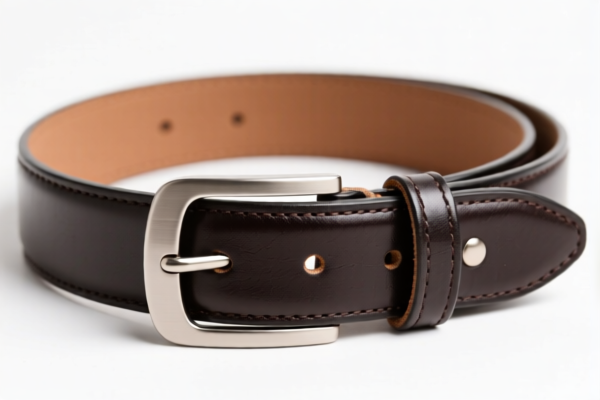
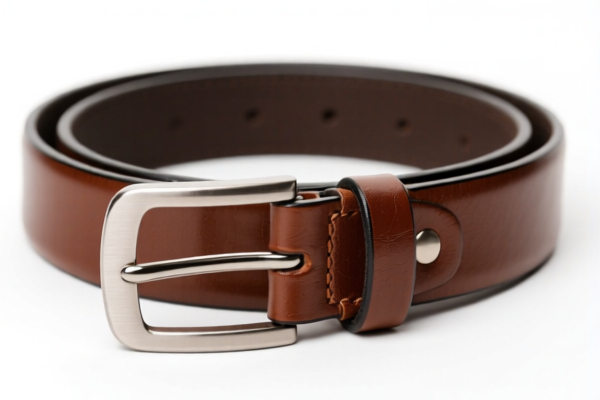
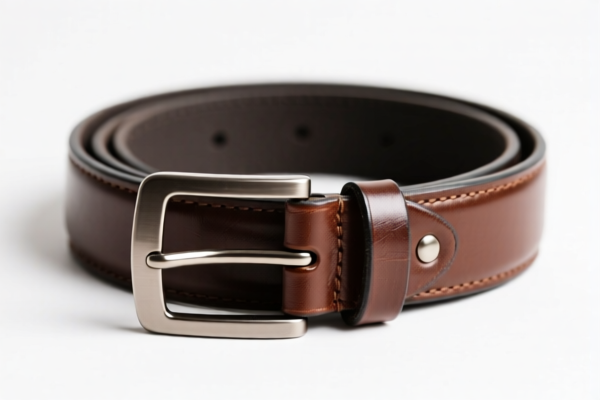
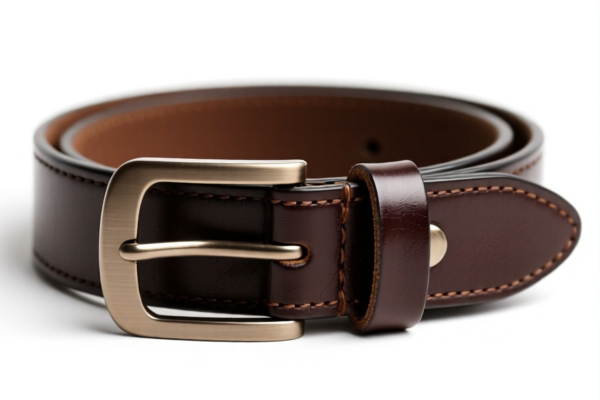
AI分析
🐎 Horse Leather Belt Material: Complete HS Code Classification & Customs Clearance Strategy
🌐 Global Trade Compliance Guide | 2026 Duty Rate Breakdown | Professional Customs Strategy
📌 Section 1: Product Definition & Classification Logic
Horse Leather Belt Material refers to processed horse hide prepared for manufacturing belts. It is classified based on: 1. Material Origin: Specifically Horse Leather. 2. Form/Shape: Whether it is an unprocessed hide, cut strips, or semi-finished "belt material." 3. Processing Level: If it is merely cured leather (Chapter 41) or converted into a specific belt component (Chapter 42).
⚠️ Critical Distinction: - Raw/Cured Skin: If the leather is not yet cut into specific shapes or is just "skin/hide" →归入 Chapter 41 (e.g., 4104.41.20.00). - Finished/Specific Shape: If cut into strips or intended specifically as "belt material" without further assembly →归入 Chapter 42 (e.g., 4205.00.05.00). - Processing Status: "Not further worked" vs. "Semi-finished" drastically changes the tariff base.
📦 Section 2: Detailed HS Code Breakdown (2026 Tariff Reference)
| HS Code | Product Description | Logic Applied | Total Duty Rate |
|---|---|---|---|
| 4104.41.20.00 | Horse Leather, semi-finished, not further worked (Unprocessed/Primary) | Material + Form: Horse leather in unprocessed/semi-finished state. | 37.4% |
| 4107.11.70.30 | Horse Leather, wear-resistant belt material | Material Logic: Specifically matches based on "Horse Leather" material. | 15.0% |
| 4205.00.05.00 | Horse Leather, wear-resistant belt material | Technical Logic: Matches "Leather Goods" category with specific wear-resistant function. | 37.9% |
| 4205.00.40.00 | Horse Leather, cut into strips (Belt Strips) | Shape Logic: Fits "Belt and Strap" characteristics under leather articles. | 36.8% |
| 4104.11.20.00 | Horse Leather, semi-finished (Primary/Intermediate) | Form Logic: Unprocessed or primary semi-finished horse skin. | 37.4% |
🔍 Analysis: - The "Sweet Spot": Only 4107.11.70.30 offers a significantly lower total duty rate (15.0%). - The Risk Zone: Codes 4205.00.05.00 (37.9%) and 4205.00.40.00 (36.8%) carry high duties due to the "Leather Articles" chapter logic combined with specific tariffs. - Semi-Finished Rates: Codes under 4104 and 4107 range from 15% to 37.4% depending on specific processing status.
💰 Section 3: 2026 Duty Rate Breakdown (Detailed Tax Structure)
✅ Applicable Market: US (USA) ✅ Origin: China (CN) ✅ Applicable Timeline: Current Trade War & 122 Clause Regimes
🎯 1. The High-Duty Scenarios (Total: ~37-38%)
Applicable Codes: 4104.41.20.00, 4205.00.05.00, 4205.00.40.00, 4104.11.20.00
| Tax Component | Rate | Legal Basis / Description |
|---|---|---|
| Base Duty | 1.8% - 2.9% | Standard USMF (Most Favored Nation) tariff for leather. |
| Section 301 / Additional Duty | 25.0% | Critical: Mandatory "Section 301" tariff on Chinese goods. This is the primary cost driver. |
| Section 122 Clause | 10.0% | Critical: Specific additional tariff for certain Chinese leather/footwear items under "Section 122" (often linked to national security or specific trade remedy). |
| Total Duty Rate | 36.8% - 37.9% | Sum = Base + 25% + 10% |
📌 Explanation: - Section 301 (25%): A penalty tariff imposed on a vast list of Chinese goods, including leather products. - Section 122 (10%): An additional "122 Clause" tariff often applied to specific textile/leather categories. - Result: Unless you can classify under the rare 15% code, expect to pay nearly 40% tax on top of the product cost.
🎯 2. The Low-Duty Scenario (Total: 15.0%)
Applicable Code: 4107.11.70.30
| Tax Component | Rate | Legal Basis / Description |
|---|---|---|
| Base Duty | 5.0% | Standard tariff for specific processed leather. |
| Section 301 / Additional Duty | 0.0% | EXEMPT: No Section 301 additional duty applies to this specific subheading. |
| Section 122 Clause | 10.0% | 122 Clause tariff still applies. |
| Total Duty Rate | 15.0% | Sum = 5% + 0% + 10% |
📌 Explanation: - This code is a "Golden Path." It avoids the heavy 25% Section 301 penalty, saving you 25% in immediate tax costs. - Requirement: The goods must strictly meet the criteria for "Horse Leather" (Chapter 4107) and "Wear-resistant belt material" logic without falling into the "Leather Articles" (Chapter 42) category.
🛠️ Section 4: Customs Clearance Practical Advice (Avoiding Pitfalls)
✅ 1. Critical Documentation Checklist
To clear customs smoothly and claim the correct classification:
| Document | Requirement | Why It Matters |
|---|---|---|
| Product Specification Sheet | Must explicitly state "Horse Leather" and "Belt Material" | Proves material origin and avoids generic "Leather" classification. |
| Photos & Diagrams | Clear images showing the cut (if any) and texture | Distinguishes between "Raw Leather" (4104) and "Belt Strips" (4205). |
| Processing Description | Detail if it is "Cured," "Dyed," or "Cut" | Determines if it is Chapter 41 (Material) or Chapter 42 (Article). |
| Commercial Invoice | Must list "Horse Leather Belt Material" clearly | Inconsistencies here lead to manual inspection and delays. |
| Origin Certificate | Proof of non-US origin (if applicable) | Confirms liability for Section 301/122 tariffs. |
✅ 2. Classification Strategy (The "How-To")
Strategy A: Aim for the 15% Rate (4107.11.70.30)
* Condition: The material is fully processed leather (not just cured) but NOT yet formed into a finished belt.
* Argument: "This is processed horse leather intended for belt manufacturing, classified under Chapter 41 (Leather), specifically as a wear-resistant material."
* Benefit: Saves 22% - 23% in total duty compared to other codes.
Strategy B: If Classified as "Leather Articles" (4205)
* Condition: If the leather is already cut into precise belt strips with holes or specific finishing.
* Risk: High duty (36.8% - 37.9%).
* Mitigation: If the strips are still "raw" or "semi-finished" strips, argue for Chapter 41 (4104) to avoid the "Article" tariff.
🔥 Golden Rule: "Don't let the shape dictate the chapter if the material is still raw." * If it's a strip but looks like a raw hide piece → 4104/4107 (Potentially 15%). * If it's a finished belt strip with hardware → 4205 (37%+).
✅ 3. Special Handling for Section 122 & 301
- Section 122 (10%): This is almost unavoidable for leather goods from China.
- Section 301 (25%): The Variable.
- You MUST prove the goods fit
4107.11.70.30to avoid this. - If the customs officer believes it is
4205.00.05.00or4104.41.20.00, the 25% applies automatically.
- You MUST prove the goods fit
- De Minimis Exception: ⚠️ None of these HS codes qualify for "De Minimis" (Section 321) exemption. Small shipments will still be taxed.
🌍 Section 5: Market Comparison & Strategic Summary
| Scenario | HS Code | Total Duty | Verdict |
|---|---|---|---|
| Best Case | 4107.11.70.30 |
15.0% | ✅ Recommended. Avoids Section 301. |
| Common Trap | 4104.41.20.00 |
37.4% | ❌ High cost due to 301 tax. |
| High Risk | 4205.00.05.00 |
37.9% | ❌ "Leather Goods" chapter + 301 tax. |
| High Risk | 4205.00.40.00 |
36.8% | ❌ Specific "Belt Strip" classification triggers high tax. |
📌 Conclusion: The difference between 15% and 37.4% is $22,400 on every $100,000 of goods. * Action: Do not use generic descriptions like "Leather Material." * Action: Ensure your product definition highlights "Horse Leather" and "Semi-finished/Unworked" status to target
4107.11.70.30. * Action: Prepare a technical dossier explaining why it is not yet a "Leather Article" (Chapter 42) but remains "Leather" (Chapter 41).
📢 Final Call to Action
🚀 Don't Let 25% Tax Destroy Your Margin! 1. Review your Product Labeling: Does it say "Horse Leather" or just "Leather"? 2. Consult a Customs Broker: Ask specifically about
4107.11.70.30eligibility. 3. Prepare Evidence: Have photos showing the material is not yet a finished belt.Professional clearance starts with the right code. Save 22% today!
✨ Precision in Trade, Profit in Return.
💼 Your leather supply chain deserves the best duty optimization.
用户评价
关于 HS 编码归类
协调制度(HS)是由世界海关组织(WCO)制定的国际贸易商品分类标准。全球 200 多个国家采用 HS 系统作为海关关税、贸易统计和进出口监管的基础。
每个 HS 编码遵循以下层级结构:
- 章(2 位)——商品大类(例如:第 84 章:机器和机械设备)
- 品目(4 位)——章内的更具体分类
- 子目(6 位)——国际通用细分,所有 WCO 成员国统一使用
- 本国细分(8-10 位)——各国自行扩展的细分编码,如美国 HTSUS 10 位编码
正确的 HS 编码归类对于顺利通关、准确缴纳关税和遵守贸易法规至关重要。错误归类可能导致海关延误、多缴关税或罚款。
从CN进口到US时,适用的关税税率可能包括:
- 最惠国(MFN)税率——适用于 WTO 成员国的标准关税税率
- 普通税率——适用于无贸易协定国家
- 贸易救济关税——附加关税,如 301 条款(反倾销)、232 条款(国家安全)或反补贴税
本页内容仅供参考。如需正式归类,请咨询当地海关或持牌报关代理。