ice pack
CN → US| HS编码 | 关税税率 | 原产国 | 目的国 | 文档 |
|---|---|---|---|---|
| 4202920809 | 42.0% | CN | US | 官方文档 |
| 6307909891 | 24.5% | CN | US | 官方文档 |
| 3923290000 | 38.0% | CN | US | 官方文档 |
| 6307909884 | 24.5% | CN | US | 官方文档 |
| 4202920807 | 42.0% | CN | US | 官方文档 |
| 3923210095 | 38.0% | CN | US | 官方文档 |
商品图片
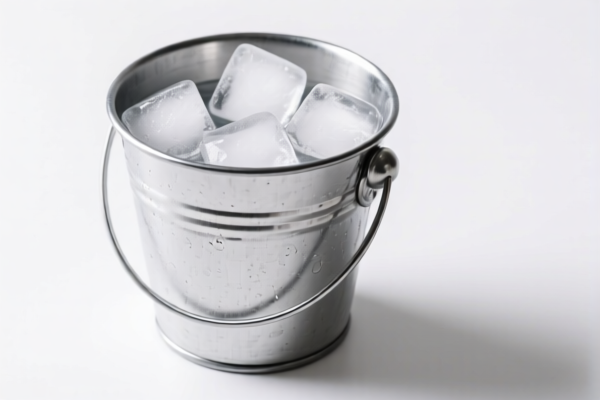
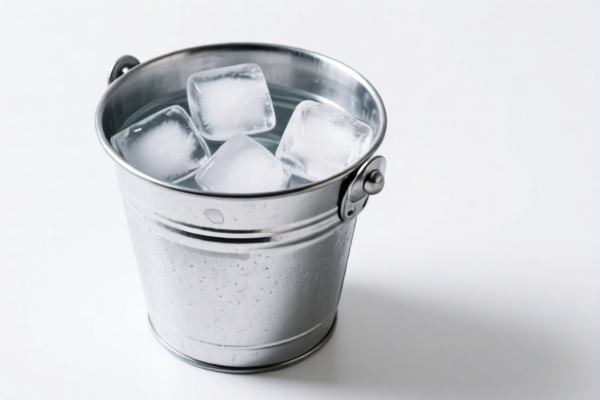
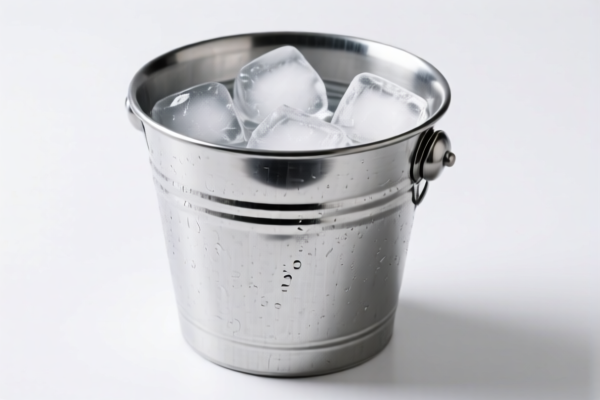
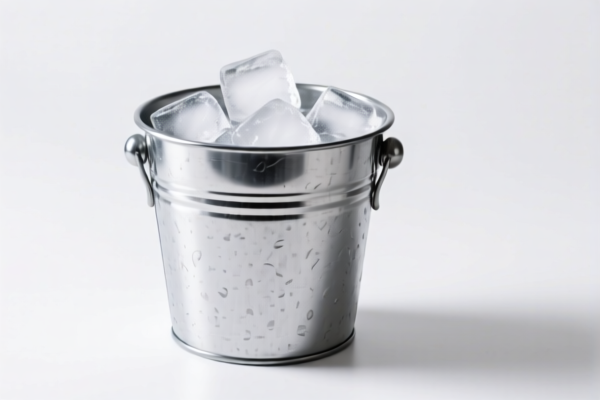
AI分析
🧊 Ice Pack (Reusable & Disposable Cold Compress)
🌐 HS Code Reference & Customs Clearance Guide | 2026 Latest Tariff Analysis | Professional Level Strategy
📌 I. Product Definition & Classification: Do You Really Know the "Ice Pack"?
The "Ice Pack" is a critical component in cold chain logistics, medical storage, and food preservation. In international trade, it is not a single HS code but a product whose classification depends heavily on material composition and primary function (insulation vs. packaging vs. simple bag).
Key Distinction Logic: * Insulating/Refrigerating Function: If the pack contains gel/powder for temperature control or acts as an insulator for food/medical samples → Often classified under Chapter 42 (Articles of Leather; Saddle harness). * Packaging/Bag Form: If it is primarily a container (bag/casing) made of plastic, textile, or composite materials → Classified under Chapter 39 (Plastics) or Chapter 63 (Other Made-up Articles).
⚠️ Critical Classification Point:
- If it is a finished insulated bag/case holding the ice core → Chapter 42 (Textile/Leather outer).
- If it is a plastic pouch/bag containing the cooling agent → Chapter 39 (Plastic).
- If it is a textile/plastic composite bag without specific insulating claims (simple storage) → Chapter 63 (Other made-up articles).
📦 II. HS Code Classification Matrix (Based on Provided Data)
| HS Code | Product Description | Material/Shape | Primary Function | Total Tax Rate |
|---|---|---|---|---|
4202.92.08.09 |
Insulated/Refrigerating Bag, Textile Material | Textile/Fabric | Thermal Insulation | 42.0% |
4202.92.08.07 |
Insulated Food Bag, Artificial Fiber | Artificial Fiber/Textile | Food Preservation/Insulation | 42.0% |
6307.90.98.91 |
Finished Bag, Plastic/Composite | Plastic/Composite | General Storage Bag | 24.5% |
6307.90.98.84 |
Bag-shaped Article, Plastic/Artificial Fiber | Plastic/Artificial Fiber | Other Made-up Article | 24.5% |
3923.29.00.00 |
Sack/Bag, Plastic, for Cargo | Plastic Film | Transport/Packaging | 38.0% |
3923.21.00.95 |
Sack/Bag, Polyethylene (PE) Film | PE Plastic | Packaging | 38.0% |
💰 III. Detailed Tariff Breakdown (2026 U.S. Import from China)
✅ Applicable Country: United States (US)
✅ Origin: China (CN)
✅ Effective Date: 2025/2026 Season
🎯 1. Chapter 42: Insulated/Refrigerating Bags (Textile Based)
HS Codes: 4202.92.08.09 & 4202.92.08.07
| Item | Detail |
|---|---|
| Product Type | Insulated bags, lunch bags, medical cooler bags, or food thermal bags. |
| Material | Outer material is textile (nylon, polyester) or artificial fiber. |
| Base Tariff | 7.0% |
| Section 301 Tariff (Retaliation) | 25.0% |
| Section 122 Tariff | 10.0% |
| Total Tax Rate | 42.0% |
| De Minimis Exemption | ❌ Not Eligible |
📌 Explanation:
These codes apply when the product is perceived as a "bag for transporting goods" with insulating properties. The high tax rate (42%) is due to the aggressive Section 301 tariffs on textile-based goods. If your ice pack is a finished insulated lunch box or cooler bag, this is likely your code.
🎯 2. Chapter 63: Other Made-up Articles (Plastic/Textile Composite Bags)
HS Codes: 6307.90.98.91 & 6307.90.98.84
| Item | Detail |
|---|---|
| Product Type | Finished bags made of plastic or artificial fibers that do not fall under specific Chapter 39 or 42 headings. Often used for general storage or non-specialized packaging. |
| Material | Plastic, composite materials, or artificial fibers. |
| Base Tariff | 7.0% |
| Section 301 Tariff (Retaliation) | 7.5% |
| Section 122 Tariff | 10.0% |
| Total Tax Rate | 24.5% |
| De Minimis Exemption | ❌ Not Eligible |
📌 Explanation:
This category is often used for plastic bags or textile bags that are "made-up" articles but lack the specific "insulating" function defined in Chapter 42. If the ice pack is a simple plastic pouch or a generic storage bag containing ice gel, and customs does not view it as a "thermal insulated container," this lower tax bracket (24.5%) may apply. Note: Misclassifying an insulated bag here to save tax can lead to audits.
🎯 3. Chapter 39: Plastic Sacks and Bags (Pure Plastic)
HS Codes: 3923.29.00.00 & 3923.21.00.95
| Item | Detail |
|---|---|
| Product Type | Sacks and bags, of plastics, for the transport or packaging of goods. |
| Material | Pure plastic (PE, PP, PVC) films or sheets. |
| Base Tariff | 3.0% |
| Section 301 Tariff (Retaliation) | 25.0% |
| Section 122 Tariff | 10.0% |
| Total Tax Rate | 38.0% |
| De Minimis Exemption | ❌ Not Eligible |
📌 Explanation:
If the ice pack is essentially a plastic pouch (like a Ziploc-style bag filled with gel) and is classified strictly as a packaging material rather than a reusable insulated container, it falls here. The base tariff is low (3%), but the Section 301 tariff (25%) and Section 122 (10%) push the total to 38.0%. This is common for disposable ice packs or those used solely as internal lining.
🛠️ IV. Customs Clearance Practical Advice (Pitfall Avoidance)
✅ 1. Documentation Checklist (Must-Haves)
| Document | Required? | Description |
|---|---|---|
| ✅ Product Specification Sheet | ✔️ | Detail material layers (e.g., "Outer: 600D Polyester, Inner: PE Liner, Core: Sodium Polyacrylate Gel"). |
| ✅ Commercial Invoice | ✔️ | Clearly state "Reusable Ice Pack" or "Insulated Cooler Bag," not just "Bag." |
| ✅ Packing List | ✔️ | List components separately if sold as kits (e.g., "Bag + Ice Gel Packs"). |
| ✅ Photos (Exterior & Interior) | ✔️ | Show zippers, handles, lining, and gel packs to prove "insulating function" vs. "simple packaging." |
| ✅ Material Declaration | ✔️ | Specify % of textile vs. plastic to help customs determine Chapter 42 vs. 39/63. |
✅ 2. Declaration Strategy (Key Tips)
🔥 "Function Dictates Code, Material Dictates Rate!"
| Scenario | Recommended HS Code | Why? |
|---|---|---|
| Reusable Insulated Lunch Bag | 4202.92.08.09 / 4202.92.08.07 |
It is a "bag for goods" with thermal function. High tax (42%), but correct for durable goods. |
| Disposable Gel Ice Pack in Plastic Pouch | 3923.21.00.95 / 3923.29.00.00 |
It is a plastic sack/bag. Tax 38%. Avoid claiming "insulation" if it's disposable. |
| Generic Plastic Storage Bag (No Insulation) | 6307.90.98.91 / 6307.90.98.84 |
If it's just a bag, not for thermal use. Lowest tax (24.5%), but risky if it contains ice gel. |
⚠️ Warning:
Do not declare a reusable insulated cooler bag as a "plastic sack" (3923...) to save tax. If customs inspects and finds thermal lining, they will reclassify it to Chapter 42 or 63, leading to back taxes, penalties, and seizure.
✅ 3. Special Cases
| Case | Advice |
|---|---|
| Kit: Bag + Gel Packs | Declare separately if possible. Bag under Chapter 42/63, Gel Pack under Chapter 39 (if plastic) or Chapter 30 (if medical/pharma gel). Do not bundle unless sold as a single unit. |
| Medical Cold Storage | If for medical use, ensure documentation highlights "medical grade" to potentially avoid certain Section 122 tariffs (check latest exemption lists). |
| Section 122 Tariff (10%) | Applies to many goods from China. Ensure your invoice does not allow misclassification to avoid this. It is currently hard to exempt. |
🌍 V. Global Market Comparison (2026)
| Market | Likely HS Code | Est. Total Tax (China Origin) | Notes |
|---|---|---|---|
| 🇺🇸 USA | 4202.92.08.09 / 3923.21.00.95 |
24.5% – 42.0% | High Section 301 & 122 tariffs. |
| 🇨🇳 China | 4202.92.00 / 3923.29.00 |
0% - 5% | No retaliatory tariffs. |
| 🇪🇺 EU | 4202.92 / 3923.29 |
4% - 10% | No Section 122 equivalent, but VAT applies. |
| 🇬🇧 UK | 4202.92 / 3923.29 |
4% - 10% | Post-Brexit tariffs apply. |
📌 Conclusion:
The US market is the most expensive for ice packs due to the combination of Base Tariffs, Section 301 (25% or 7.5%), and Section 122 (10%).
- Textile/Insulated: 42%
- Plastic/Packaging: 38%
- Other Bags: 24.5%
📌 VI. Common Mistakes & Pitfalls
❌ Mistake 1: Calling an "Insulated Cooler Bag" a "Plastic Bag" (3923...)
👉 Result: Customs reclassification → 42% tax + Penalties.
❌ Mistake 2: Ignoring Section 122 Tariff (10%)
👉 Result: Underpayment by 10% on every shipment. Always include it in cost calculations.
❌ Mistake 3: Misdeclaring "Gel Packs" as "Food Items"
👉 Result: FDA seizure. Gel packs must be declared as "Industrial/Commercial Cold Packs," not food.
✅ Correct Declaration Example:
"Reusable Insulated Cooler Bag, Outer Material: 600D Polyester, Inner: Aluminum Foil Liner, Model: CP-100, For Food Transport."
🎯 VII. Conclusion: Optimize Cost & Compliance
🎯 Key Takeaway:
🔹 Insulated/Textile = 42% (Highest Risk, Highest Cost)
🔹 Plastic Packaging = 38% (Moderate Cost)
🔹 Generic Bag = 24.5% (Lowest Cost, but must be genuine "bag")
📌 Action Plan:
1. Design for Classification: If cost is critical, consider if the product can be marketed as a "storage bag" rather than "insulated container" (only if functional).
2. Pre-Ruling: Apply for an Advance Ruling from US Customs (CBP) if shipping large volumes.
3. Source Alternatives: Consider sourcing from countries exempt from Section 301 (e.g., Vietnam, Mexico) to reduce tariff burden.
📣 Immediate Action:
📞 Consult a licensed customs broker.
📝 Prepare detailed material breakdowns.
🚀 Accurate classification saves money. Misclassification costs everything.
✨ Professional Clearance, Precision Starts Here!
💼 Every Percentage Point Counts!
用户评价
关于 HS 编码归类
协调制度(HS)是由世界海关组织(WCO)制定的国际贸易商品分类标准。全球 200 多个国家采用 HS 系统作为海关关税、贸易统计和进出口监管的基础。
每个 HS 编码遵循以下层级结构:
- 章(2 位)——商品大类(例如:第 84 章:机器和机械设备)
- 品目(4 位)——章内的更具体分类
- 子目(6 位)——国际通用细分,所有 WCO 成员国统一使用
- 本国细分(8-10 位)——各国自行扩展的细分编码,如美国 HTSUS 10 位编码
正确的 HS 编码归类对于顺利通关、准确缴纳关税和遵守贸易法规至关重要。错误归类可能导致海关延误、多缴关税或罚款。
从CN进口到US时,适用的关税税率可能包括:
- 最惠国(MFN)税率——适用于 WTO 成员国的标准关税税率
- 普通税率——适用于无贸易协定国家
- 贸易救济关税——附加关税,如 301 条款(反倾销)、232 条款(国家安全)或反补贴税
本页内容仅供参考。如需正式归类,请咨询当地海关或持牌报关代理。