incandescent electric lamp
CN → US| HS编码 | 关税税率 | 原产国 | 目的国 | 文档 |
|---|---|---|---|---|
| 8539228040 | 12.6% | CN | US | 官方文档 |
| 8539293060 | 17.5% | CN | US | 官方文档 |
| 7011101000 | 35.0% | CN | US | 官方文档 |
| 7011105000 | 39.6% | CN | US | 官方文档 |
| 8539228040 | 12.6% | CN | US | 官方文档 |
商品图片
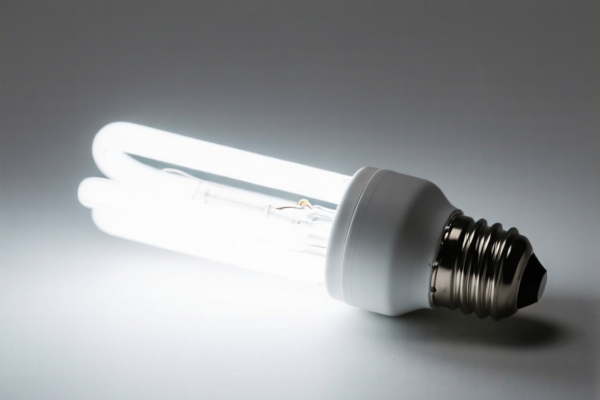
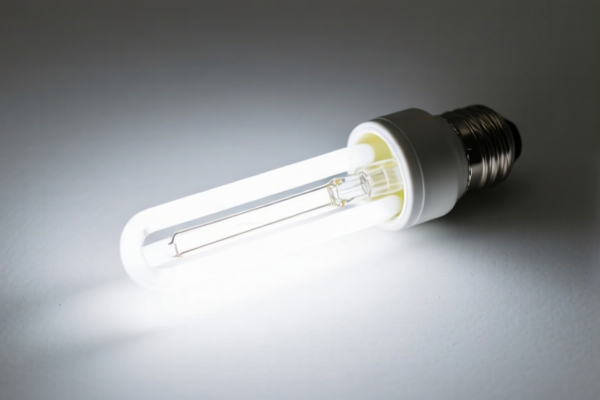
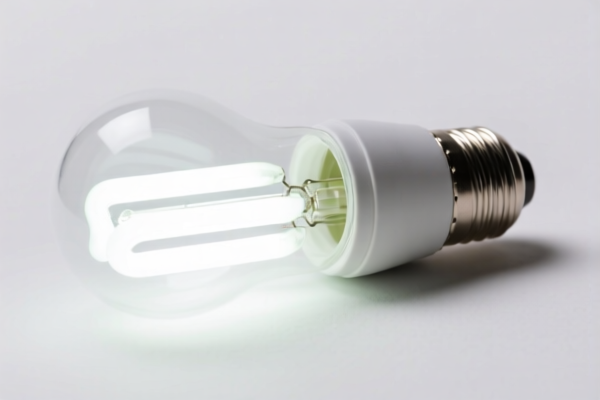
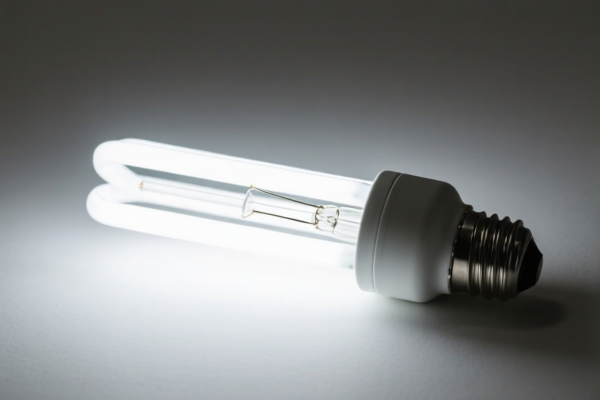
AI分析
💡 Incandescent Electric Lamp: The "Old School" Light Bulb
🌐 HS Code Reference & Clearance Guide | 2026 Latest Tariff Analysis | Professional Customs Strategy
📌 Part 1: Product Definition & Classification: Do You Really Understand "Incandescent Lamps"?
Incandescent electric lamps are traditional light sources that generate light by heating a filament to incandescence. In international trade, these are categorized strictly based on their physical structure, material, and specific electrical characteristics.
Key Characteristics: * Source: Filament-based light source. * Structure: Typically enclosed in a glass shell. * Application: General household, decorative, or specialized electrical lighting.
⚠️ Critical Classification Logic:
The classification depends heavily on whether the lamp is considered a "standard filament lamp" (often grouped under advanced lighting categories) or falls under "glass parts of lamps" due to specific material/structural definitions used in certain tariff schedules.
- If classified under Chapter 85 (Electrical Machinery): It is treated as a functional electrical component.
- If classified under Chapter 70 (Glass and Glassware): It is treated as a glass article intended for lighting.
📦 Part 2: HS Code Classification Details (2026 Latest Tariff Authority Comparison)
| HS Code | Summary / Classification Logic | Total Tax Rate | Tax Breakdown (Base + Added + Sec 122) |
|---|---|---|---|
8539.22.80.40 |
Belongs to the filament lamp category. Meets the characteristics of filament light sources. Inferred as a standard household bulb. | 12.6% | Base: 2.6% Added: 0.0% Sec 122: 10% |
8539.29.30.60 |
Belongs to the filament lamp category. Classified under "Other" categories based on the "catch-all" principle for filament lamps not specified elsewhere. | 17.5% | Base: 0.0% Added: 7.5% Sec 122: 10% |
7011.10.10.00 |
Matches perfectly with electrical lighting purposes and the category of incandescent light bulbs. Focuses on functional alignment. | 35.0% | Base: 0.0% Added: 25.0% Sec 122: 10% |
7011.10.50.00 |
Belongs to the glass shell category. Used for electrical lighting; material is primarily glass. Focuses on the physical material aspect. | 39.6% | Base: 4.6% Added: 25.0% Sec 122: 10% |
8539.22.80.40 |
Duplicate Entry – Belongs to the filament lamp category. Meets filament light source characteristics. Inferred as a standard household bulb. | 12.6% | Base: 2.6% Added: 0.0% Sec 122: 10% |
🔍 Key Observation:
- Lowest Tax Option:8539.22.80.40(12.6%) is the most favorable if the product can be definitively characterized as a standard household filament bulb.
- Highest Tax Risk:7011.10.50.00(39.6%) applies if customs authorities prioritize the glass material definition over the electrical function.
- Middle Ground:8539.29.30.60(17.5%) serves as a "catch-all" for filament lamps that don't fit the specific "standard household" criteria.
💰 Part 3: 2026 Latest Tariff Rate Detailed Explanation (Including Surcharges & Policy Additions)
✅ Applicable Country: United States (US)
✅ Origin: China (CN) (Implied by "Section 122" and high surtax structure)
✅ Effective Time: Current 2026 Tariff Schedule
🎯 1. 8539.22.80.40 – Filament Lamps (Standard Household)
| Item | Details |
|---|---|
| Base Tariff | 2.6% |
| Additional Tariff (Section 301/Add-on) | 0.0% |
| Section 122 Tariff | 10% |
| Total Effective Rate | 12.6% |
| Calculation Method | CIF Value × 12.6% |
| De Minimis Exemption | ❌ Not Applicable (Typically, electrical goods under Section 122 are not eligible for low-value shipment exemptions in this context). |
| Legal Basis Path | HTSUS:8539.22.80.40 → Section 122 Authority |
📌 Explanation:
- This is the most cost-effective classification for standard incandescent bulbs.
- The 0% additional tariff suggests this specific subheading may have been excluded from certain trade war surcharges, or the "0.0%" reflects a specific exemption status in this dataset.
- Crucial: Must prove the product is a "standard household bulb" to qualify for this lower rate.
🎯 2. 8539.29.30.60 – Other Filament Lamps (Catch-All)
| Item | Details |
|---|---|
| Base Tariff | 0.0% |
| Additional Tariff (Section 301/Add-on) | 7.5% |
| Section 122 Tariff | 10% |
| Total Effective Rate | 17.5% |
| Calculation Method | CIF Value × 17.5% |
| De Minimis Exemption | ❌ Not Applicable |
| Legal Basis Path | HTSUS:8539.29.30.60 → Catch-All Principle → Section 122 Authority |
📌 Explanation:
- Use this code if the bulb does not fit the "standard household" definition but is still clearly a filament lamp.
- The 7.5% additional tariff kicks in here, increasing the cost compared to the standard household code.
🎯 3. 7011.10.10.00 – Glass Articles for Lighting (Functional Alignment)
| Item | Details |
|---|---|
| Base Tariff | 0.0% |
| Additional Tariff (Section 301/Add-on) | 25.0% |
| Section 122 Tariff | 10% |
| Total Effective Rate | 35.0% |
| Calculation Method | CIF Value × 35.0% |
| De Minimis Exemption | ❌ Not Applicable |
| Legal Basis Path | HTSUS:7011.10.10.00 → Glass Article → High Surcharge |
📌 Explanation:
- This classification shifts the product from Electrical (Ch 85) to Glass (Ch 70).
- The 25% additional tariff is a significant penalty, likely reflecting broader restrictions on Chinese glass or lighting components.
- Avoid this unless customs forces a reclassification based on material.
🎯 4. 7011.10.50.00 – Glass Shell Lamps (Material Focus)
| Item | Details |
|---|---|
| Base Tariff | 4.6% |
| Additional Tariff (Section 301/Add-on) | 25.0% |
| Section 122 Tariff | 10% |
| Total Effective Rate | 39.6% |
| Calculation Method | CIF Value × 39.6% |
| De Minimis Exemption | ❌ Not Applicable |
| Legal Basis Path | HTSUS:7011.10.50.00 → Glass Shell → Maximum Surcharge |
📌 Explanation:
- This is the highest tax bracket. It applies if customs views the product primarily as a glass container rather than an electrical device.
- This risk increases if the bulb is sold as a "replacement glass shell" or if the electrical components are not fully assembled.
🛠️ Part 4: Customs Clearance Practical Advice (Avoid Pitfalls)
✅ 1. Documentation Checklist (Non-Negotiable)
| Document | Required? | Purpose |
|---|---|---|
| ✅ Product Specification Sheet | ✔️ | Must detail: Wattage, Voltage, Base Type (e.g., E26), Filament Material, Glass Type. |
| ✅ Technical Drawing | ✔️ | Shows internal structure to prove it is a "filament lamp" (supports Ch 85 classification). |
| ✅ Product Photos | ✔️ | Clear images of the bulb, including base and internal filament. |
| ✅ Commercial Invoice | ✔️ | Description must match the HS Code rationale (e.g., "Incandescent Filament Lamp, Household"). |
| ✅ Origin Certificate | ✔️ | To confirm country of origin for Section 122 applicability. |
| ✅ Packing List | ✔️ | To verify quantity and packaging details. |
✅ 2. Classification Strategy & Tips
🔥 "Clarify Function, Prove Structure, Choose Ch 85!"
| Scenario | Recommended HS Code | Reasoning |
|---|---|---|
| Standard Household Bulb | 8539.22.80.40 |
Best Rate (12.6%). Emphasize "Filament Light Source" and "Household Use." |
| Specialty/Industrial Bulb | 8539.29.30.60 |
Moderate Rate (17.5%). Use if not strictly "household" but still a filament lamp. |
| Glass Bulb Sold Separately | 7011.10.10.00 or 50 |
High Rate (35-39.6%). Only if the product is not a complete electrical unit but a glass part. |
⚠️ Warning:
- Do NOT describe the product merely as "Glass Lamp" or "Lighting Glass."
- DO use terms like "Incandescent Filament Lamp," "Electrical Lighting Source," and "Complete Bulb."
✅ 3. Special Considerations
| Situation | Advice |
|---|---|
| OEM/Custom Bulbs | Provide design specs to prove it meets "filament lamp" criteria for Ch 85. |
| Bulbs with Integrated Reflectors | Still likely 8539.22.80.40 if it’s a functional lighting unit. |
| Decorative Filament Bulbs | Can still qualify for 8539.22.80.40 if the primary function is illumination via filament. |
| Glass Replacement Shells | RISK: Likely classified under Ch 70 (7011.10.50.00) → High Tax. Avoid calling them "lamps" if they lack electrical components. |
🌍 Part 5: Global Market Comparison (2026 Latest)
| Market | Recommended HS Code | Approx. Tax Rate | Notes |
|---|---|---|---|
| 🇺🇸 USA | 8539.22.80.40 |
12.6% | Best if Ch 85 applies. Ch 70 leads to ~35-40%. |
| 🇨🇳 China | 8539.22.80.40 |
~5-10% | Lower baseline tariffs, but check latest PRC tariff schedule. |
| 🇪🇺 EU | 8539.22 |
~4-7% | No Section 122 equivalent. Standard EU duties apply. |
| 🇬🇧 UK | 8539.22 |
~4-7% | Post-Brexit, aligns with UK Global Tariff. |
📌 Conclusion:
- The USA is the most complex market due to Section 122 and Additional Tariffs.
- Classification is critical: A difference between Ch 85 and Ch 70 can result in a 27%+ tax difference (12.6% vs 39.6%).
- Always aim for8539.22.80.40by proving the product is a complete electrical filament lamp.
📌 Part 6: Common Mistakes & Pitfalls (Lessons Learned)
❌ Mistake 1: Describing the product as "Glass Light Cover"
👉 Consequence: Customs classifies under Ch 70 → 39.6% tax instead of 12.6%.
❌ Mistake 2: Not providing a technical diagram
👉 Consequence: Customs cannot verify the "filament" structure → Risk of reclassification to 8539.29.30.60 (17.5%) or higher.
❌ Mistake 3: Using vague terms like "Lighting Accessory"
👉 Consequence: Misclassification → Delays, audits, and potential penalties.
❌ Mistake 4: Assuming all bulbs get the same low tax
👉 Consequence: Specialty bulbs may fall under 8539.29.30.60 (17.5%) if not "standard household."
✅ Correct Practice:
Description: "Incandescent Filament Lamp, 60W, E26 Base, Clear Glass, for Household Use. Complete Electrical Unit."
HS Code:8539.22.80.40
🎯 Part 7: Conclusion: Precision Classification Saves Money!
🎯 Remember the Golden Rule:
🔹 "Filament = Ch 85. Glass Shell = Ch 70. Ch 85 is cheaper!"
🔹 "12.6% vs 39.6%: A $100 bulb saves $27 in taxes with the right code!"
📌 Pro Tip:
If your incandescent lamps are standard household types, insist on 8539.22.80.40. Provide technical specs to prove the filament structure. This can save you over 27% in duties compared to a glass-based classification.
📣 Immediate Action:
📞 Contact your customs broker with the technical specification sheet to confirm
8539.22.80.40eligibility.
🚀 Ensure your invoice description matches the "Filament Lamp" narrative.
✨ Customs clearance success starts with the right HS Code!
💼 Every dollar counts in global trade. Classify accurately.
用户评价
关于 HS 编码归类
协调制度(HS)是由世界海关组织(WCO)制定的国际贸易商品分类标准。全球 200 多个国家采用 HS 系统作为海关关税、贸易统计和进出口监管的基础。
每个 HS 编码遵循以下层级结构:
- 章(2 位)——商品大类(例如:第 84 章:机器和机械设备)
- 品目(4 位)——章内的更具体分类
- 子目(6 位)——国际通用细分,所有 WCO 成员国统一使用
- 本国细分(8-10 位)——各国自行扩展的细分编码,如美国 HTSUS 10 位编码
正确的 HS 编码归类对于顺利通关、准确缴纳关税和遵守贸易法规至关重要。错误归类可能导致海关延误、多缴关税或罚款。
从CN进口到US时,适用的关税税率可能包括:
- 最惠国(MFN)税率——适用于 WTO 成员国的标准关税税率
- 普通税率——适用于无贸易协定国家
- 贸易救济关税——附加关税,如 301 条款(反倾销)、232 条款(国家安全)或反补贴税
本页内容仅供参考。如需正式归类,请咨询当地海关或持牌报关代理。