industrial cleaning mixed gas
CN → US| HS编码 | 关税税率 | 原产国 | 目的国 | 文档 |
|---|---|---|---|---|
| 3815903000 | 35.0% | CN | US | 官方文档 |
| 3824992900 | 41.5% | CN | US | 官方文档 |
| 3815905000 | 40.0% | CN | US | 官方文档 |
| 2909191800 | 40.5% | CN | US | 官方文档 |
| 2909196000 | 40.5% | CN | US | 官方文档 |
商品图片
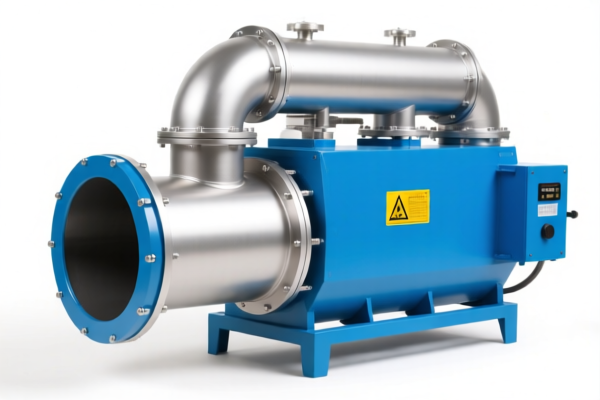
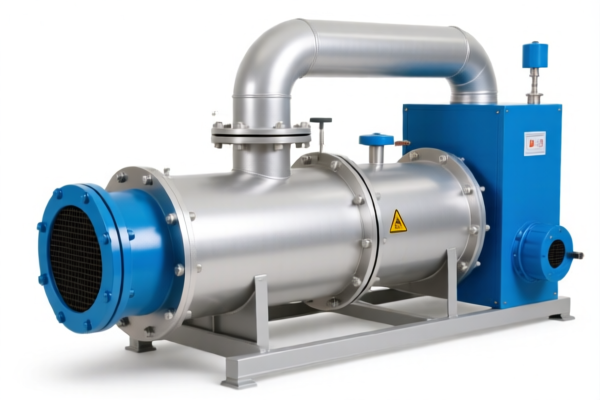
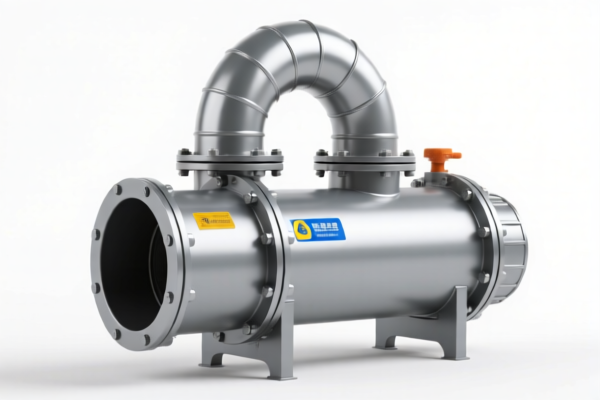
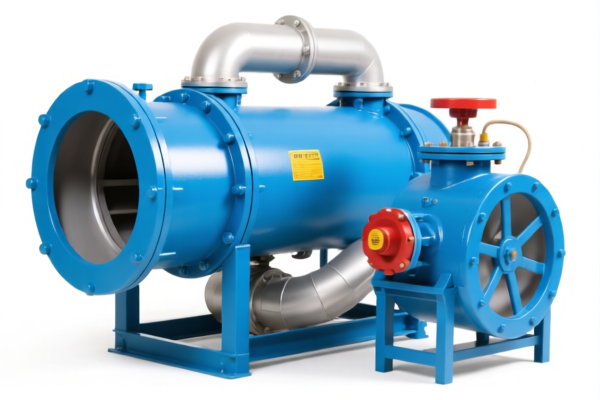
AI分析
🌬️ Industrial Cleaning Mixed Gas (Cleaned Gas Mixtures)
🌐 HS Code Reference & Customs Clearance Guide | 2026 Latest Tariff Analysis | Professional Clearance Strategy
📌 I. Product Definition & Classification: What Exactly is "Industrial Cleaning Mixed Gas"?
Industrial Cleaning Mixed Gas refers to specific gaseous or liquid-gaseous mixtures used primarily for cleaning semiconductor wafers, optical components, or precision electronic parts. These mixtures are not simple elemental gases but complex chemical preparations.
Key Distinction in Classification:
The core challenge lies in determining whether the mixture is classified as a:
1. Catalytic/Reaction-Inducing Agent (HS 3815): If it functions primarily to initiate or accelerate cleaning reactions.
2. General Chemical Preparation (HS 3824): If it is a general chemical mixture without specific catalytic function, falling under "other chemical products."
3. Ether/Alcohol Derivative (HS 2909): If the mixture is chemically defined by its organic solvent content (e.g., alcohols, ethers) rather than its cleaning function.
⚠️ Critical Note for Importers:
- If the gas is "cleaned" (purified) inorganic mixture → Likely 3815.90.30.00.
- If the gas is a chemical formulation for industrial use → Likely 3824.99.29.00.
- If the gas acts as a catalyst/reaction initiator → Likely 3815.90.50.00.
- If the gas is composed of organic ethers/alcohols → Likely 2909.19.18.00 or 2909.19.60.00.
📦 II. HS Code Classification Details (2026 Latest Tariff Authority对照)
Based on the provided data, here are the 5 possible HS Codes for Industrial Cleaning Mixed Gas, depending on the specific chemical composition and functional classification.
| HS Code | Product Description & Logic | Key Characteristic |
|---|---|---|
3815.90.30.00 |
Other Catalysts/Reaction Initiators: Inorganic chemical mixtures (cleaned gas). | Inorganic Mix: No organic or metal conflict. Based on fallback principle. |
3824.99.29.00 |
Other Chemical Preparations: Chemical industry-related products/formulations. | General Prep: Fits "other chemical products" based on usage. |
3815.90.50.00 |
Other Catalysts/Reaction Initiators: Chemical substances in mixtures. | Chemical Mix: Fits "other catalytic agents" with chemical component attributes. |
2909.19.18.00 |
Ethers, Alcohol Ethers, Halogenated Ethers: Single-hydroxyl alcohols (Ethanol, Isopropanol) and derivatives. | Organic Solvent: Composed of ethanol, isopropanol, etc. |
2909.19.60.00 |
Other Ethers, Alcohol Ethers, Halogenated Ethers: Multi-hydroxyl alcohol ethers & other chemical derivatives. | Organic Derivative: Chemical mixtures classified under ether/alcohol ether categories. |
🔍 Key Differentiator:
- Inorganic/Catalytic focus → HS 3815 or 3824.
- Organic Solvent focus → HS 2909.
- Customs Risk: Misclassifying an organic solvent mixture as "inorganic" (3815) can lead to severe penalties. Always check the MSDS (Material Safety Data Sheet).
💰 III. 2026 Latest Tariff Rate Breakdown (Including Additional Taxes)
✅ Applicable Country: United States (US)
✅ Country of Origin: China (CN)
✅ Effective Date: Includes imports from 2025 onwards (including Section 301 & IEEPA tariffs)
🎯 1. 3815.90.30.00 – Inorganic Chemical Mixtures (Fallback Principle)
| Item | Content |
|---|---|
| Base Duty Rate | 0.0% |
| Section 301 Additional Duty | +25.0% |
| IEEPA Additional Duty (122 Clause) | +10.0% |
| Total Tariff Rate | 35.0% |
| Tax Calculation | CIF Value × 35% |
| De Minimis Exemption | ❌ Not Eligible (Due to Section 301 & IEEPA) |
| Legal Basis Path | USITC:3815.90.30.00 → FOOTNOTE:Section301 → IEEPA:122Clause |
📌 Explanation:
- This classification assumes the gas is a purified inorganic mixture without organic characteristics.
- Total Cost Impact: 35% is relatively lower than organic solvent classifications, but still significant.
🎯 2. 3824.99.29.00 – Other Chemical Preparations
| Item | Content |
|---|---|
| Base Duty Rate | 6.5% |
| Section 301 Additional Duty | +25.0% |
| IEEPA Additional Duty (122 Clause) | +10.0% |
| Total Tariff Rate | 41.5% |
| Tax Calculation | CIF Value × 41.5% |
| De Minimis Exemption | ❌ Not Eligible |
| Legal Basis Path | USITC:3824.99.29.00 → FOOTNOTE:Section301 → IEEPA:122Clause |
📌 Explanation:
- Used if the gas is considered a general chemical preparation for the chemical industry.
- Total Cost Impact: Higher due to the 6.5% base duty.
🎯 3. 3815.90.50.00 – Other Catalytic Agents/Reaction Initiators
| Item | Content |
|---|---|
| Base Duty Rate | 5.0% |
| Section 301 Additional Duty | +25.0% |
| IEEPA Additional Duty (122 Clause) | +10.0% |
| Total Tariff Rate | 40.0% |
| Tax Calculation | CIF Value × 40.0% |
| De Minimis Exemption | ❌ Not Eligible |
| Legal Basis Path | USITC:3815.90.50.00 → FOOTNOTE:Section301 → IEEPA:122Clause |
📌 Explanation:
- Applicable if the gas is classified as a chemical mixture acting as a catalyst or reaction initiator.
- Total Cost Impact: 40%, slightly cheaper than general chemical preparations.
🎯 4. 2909.19.18.00 – Ethers of Single-Hydroxyl Alcohols
| Item | Content |
|---|---|
| Base Duty Rate | 5.5% |
| Section 301 Additional Duty | +25.0% |
| IEEPA Additional Duty (122 Clause) | +10.0% |
| Total Tariff Rate | 40.5% |
| Tax Calculation | CIF Value × 40.5% |
| De Minimis Exemption | ❌ Not Eligible |
| Legal Basis Path | USITC:2909.19.18.00 → FOOTNOTE:Section301 → IEEPA:122Clause |
📌 Explanation:
- Used if the cleaning gas is composed of ethanol, isopropanol, or their ethers.
- Total Cost Impact: 40.5%. High base duty + high additional tariffs.
🎯 5. 2909.19.60.00 – Other Ethers/Alcohol Derivatives
| Item | Content |
|---|---|
| Base Duty Rate | 5.5% |
| Section 301 Additional Duty | +25.0% |
| > IEEPA Additional Duty (122 Clause) | +10.0% |
| Total Tariff Rate | 40.5% |
| Tax Calculation | CIF Value × 40.5% |
| De Minimis Exemption | ❌ Not Eligible |
| Legal Basis Path | USITC:2909.19.60.00 → FOOTNOTE:Section301 → IEEPA:122Clause |
📌 Explanation:
- Similar to above, but for multi-hydroxyl alcohol ethers or other organic chemical derivatives.
- Total Cost Impact: Identical to2909.19.18.00at 40.5%.
🛠️ IV. Customs Clearance Practical Advice (Real-World Pitfall Avoidance)
✅ 1. Required Documentation Checklist (Mandatory)
| Document | Required | Description |
|---|---|---|
| ✅ MSDS (Material Safety Data Sheet) | ✔️ | Crucial! Must clearly state chemical composition (Inorganic vs. Organic). |
| ✅ Product Specification Sheet | ✔️ | Details the gas mixture ratio, purity, and intended cleaning process. |
| ✅ Commercial Invoice | ✔️ | Must explicitly state "Industrial Cleaning Mixed Gas" and correct HS Code. |
| ✅ Packing List | ✔️ | Shows cylinder/tank details, weight, and hazardous material classification (UN Number). |
| ✅ Certificate of Origin | ✔️ | For determining eligibility for any potential exemptions (though unlikely for CN origin). |
| ✅ Hazardous Materials Declaration | ✔️ | Required for air/ocean freight due to flammability/pressure risks. |
✅ 2. Declaration Tips (Key Mnemonics)
🔥 "Chemical Nature First, Function Second! Don't Guess the Composition!"
| Scenario | Correct Declaration | Wrong Practice |
|---|---|---|
| Inorganic Gas Mix (e.g., N₂, O₂, Ar mixtures) | HS 3815.90.30.00 | Misdeclare as organic solvent → 40.5% |
| Organic Solvent Gas (Ethanol/Isopropanol) | HS 2909.19.18.00 or 60.00 | Misdeclare as inorganic → 35.0% (Risk of Penalty) |
| Catalytic Gas | HS 3815.90.50.00 | Misdeclare as general chemical → 41.5% |
| General Chemical Prep | HS 3824.99.29.00 | Misdeclare as catalyst → 40.0% |
✅ 3. Special Case Handling
| Situation | Handling Advice |
|---|---|
| Mixed Composition | If the gas contains both inorganic and organic components, Customs may prioritize Organic (HS 29xx) or Catalytic (HS 3815). Check the primary component by weight. |
| Hazardous Class | Ensure the UN Number (e.g., UN 1978 for flammable gases) is declared. Failure to do so can result in freight rejection. |
| Low-Value Shipments | No De Minimis Exemption! Even small samples of Chinese-origin cleaning gas are subject to full tariffs (35-41.5%). |
| Pre-Ruling Application | Strongly Recommended! Submit an Advance Ruling Request to CBP with MSDS to lock in the HS Code before shipment. |
🌍 V. Global Market Comparison (2026 Update)
| Country/Region | Recommended HS Code | Tariff Rate (CN Origin) | Certification Requirements | Notes |
|---|---|---|---|---|
| 🇺🇸 USA | 3815.90.30.00 - 2909.19.60.00 |
35.0% - 41.5% | SDS, DOT/PHMSA Compliance | High Tariff Risk due to Section 301 & IEEPA. |
| 🇨🇳 China | Varies by composition | 0% - 5% | GB Standards | No additional tariffs. |
| 🇪🇺 EU | 3814.00 - 2909.19 |
0% - 6.5% | REACH, CLP | No Section 301 tariffs, but strict REACH registration needed. |
| 🇦🇺 Australia | 3814.00 - 2909.19 |
5% | GHS Labeling | Standard tariff, no major surcharges. |
| 🇯🇵 Japan | 3814.00 - 2909.19 |
0% - 5% | JIS Standards | No additional tariffs. |
📌 Conclusion:
- USA is the most challenging market due to 35-41.5% effective tariff rates.
- EU and Japan offer better tariff conditions but require strict chemical registration (REACH in EU).
- Cost Optimization: If using organic solvents (2909), consider if catalytic classification (3815) is technically justifiable to reduce the base rate from 5.5% to 0-5%.
📌 VI. Common Errors & Pitfall Guide (Lessons Learned)
❌ Error 1: Declaring "Industrial Gas" without specifying Inorganic vs. Organic.
👉 Consequence: Customs may assign the highest applicable tariff (41.5%) or demand a customs broker exam → Delays & Storage Fees.
❌ Error 2: Misidentifying Ethanol/Isopropanol Mixtures as "Inorganic Gases" (HS 3815).
👉 Consequence: Tariff Underpayment (35% vs 40.5%). Customs will issue a Bill for Additional Duties + Penalties.
❌ Error 3: Ignoring Hazardous Material Declarations.
👉 Consequence: Freight Rejection or Fines from DOT/PHMSA for unsafe transport of pressurized/flamable gases.
❌ Error 4: Assuming De Minimis Exemption for small samples.
👉 Consequence: All Chinese-origin chemicals are subject to Section 301 & IEEPA tariffs, regardless of value. No $800 exemption.
✅ Correct Approach:
"Industrial Cleaning Mixed Gas, [Specify Composition: e.g., N2/Ar Mix or Ethanol/Ether Mix], Purified, in Cylinders, SDS Provided, UN [Number] Hazardous Class."
🎯 VII. Conclusion: Professional Declaration, Cost Control, Compliance!
🎯 Remember Mnemonics:
🔹 "Check MSDS First! Inorganic is 35%, Organic is 40.5%, Catalyst is 40%, General Chem is 41.5%!"
🔹 "No De Minimis for Chinese Chemicals! Always Pay the Full Tariff!"
🔹 "HS Code Determines Your Cost. One Digit Change Can Save $1,000 per Container!"
📌 Pro Tip:
If your cleaning gas is originally from Vietnam, Mexico, or Thailand, it MAY be eligible for IEEPA Exemptions or lower Section 301 rates.
👉 Action: Request a Certificate of Origin and apply for an Advance Ruling with CBP before shipping.
📣 Immediate Action:
📞 Contact a Certified Customs Broker + Provide MSDS + Apply for HS Code Pre-Ruling.
🚀 Ensure your industrial cleaning gas clears customs smoothly, efficiently, and cost-effectively!
✨ Professional Customs Clearance Starts with Accurate Classification!
💼 Every Percent of Tariff Counts! Calculate Precisely!
用户评价
关于 HS 编码归类
协调制度(HS)是由世界海关组织(WCO)制定的国际贸易商品分类标准。全球 200 多个国家采用 HS 系统作为海关关税、贸易统计和进出口监管的基础。
每个 HS 编码遵循以下层级结构:
- 章(2 位)——商品大类(例如:第 84 章:机器和机械设备)
- 品目(4 位)——章内的更具体分类
- 子目(6 位)——国际通用细分,所有 WCO 成员国统一使用
- 本国细分(8-10 位)——各国自行扩展的细分编码,如美国 HTSUS 10 位编码
正确的 HS 编码归类对于顺利通关、准确缴纳关税和遵守贸易法规至关重要。错误归类可能导致海关延误、多缴关税或罚款。
从CN进口到US时,适用的关税税率可能包括:
- 最惠国(MFN)税率——适用于 WTO 成员国的标准关税税率
- 普通税率——适用于无贸易协定国家
- 贸易救济关税——附加关税,如 301 条款(反倾销)、232 条款(国家安全)或反补贴税
本页内容仅供参考。如需正式归类,请咨询当地海关或持牌报关代理。