industrial grade split cowhide
CN → US| HS编码 | 关税税率 | 原产国 | 目的国 | 文档 |
|---|---|---|---|---|
| 411190 | 0.0% | CN | US | 官方文档 |
| 411290 | 0.0% | CN | US | 官方文档 |
| 4107122000 | 37.4% | CN | US | 官方文档 |
| 4107127030 | 15.0% | CN | US | 官方文档 |
商品图片

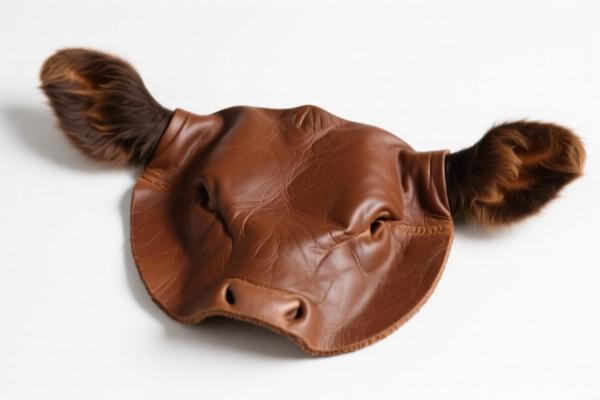
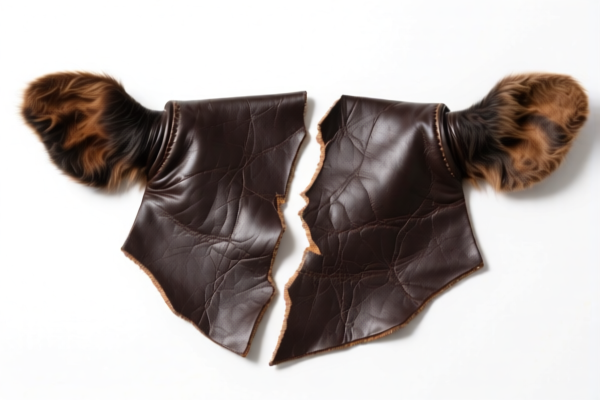
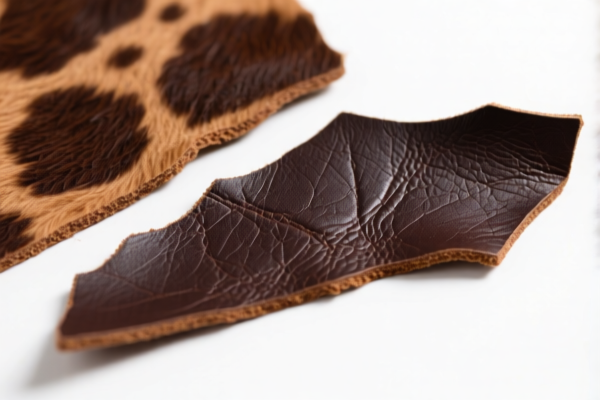
AI分析
🐄 Industrial Grade Split Cowhide (Leather)
🌐 HS Code Reference & Customs Clearance Guide | 2026 Latest Tariff Analysis | Professional Classification Strategy
📌 I. Product Definition & Classification: Do You Really Understand "Industrial Split Cowhide"?
Industrial grade split cowhide refers to the inner layer of bovine hides (including buffalo) that has been split from the grain layer. Unlike high-end fashion leather, this material is primarily used for technical, mechanical, and heavy-duty industrial applications.
In international trade, it is strictly categorized based on its degree of processing and final application:
1. Raw/Unfinished Splits (Limed/Beamhouse/Tanned):
Leather that has not been further processed beyond tanning or crusting. It is often used as raw material for manufacturing belts, hoses, or gaskets.
2. Further Prepared Splits (Parchment-dressed/Grain Splits):
Leather that has undergone additional finishing processes (e.g., parchment dressing) to achieve specific mechanical properties (durability, heat resistance) for technical uses like machinery parts or industrial wear components.
⚠️ Key Distinction Point:
- If the leather is not further worked than tanned and used for general industrial purposes (belts/hoses) → Look at 4111.90 / 4112.90.
- If the leather is further prepared (e.g., parchment-dressed) and specified for bovine/equine grain splits → Look at 4107.12.xxxx.
📦 II. HS Code Classification Details (2026 Latest Tariff Authoritative Comparison)
| HS Code | Product Description | Applicable Scenario | Processing Level |
|---|---|---|---|
4111.90 |
Other split leather, whether or not reconstituted, not further worked than limed, beamhouse processed, or tanned. Includes sheets/strips for industrial use (belts, hoses, etc.). | Raw industrial splits for manufacturing belts, hoses, or other technical applications. | ❌ Basic Tanning Only (Limed/Beamhouse/Tanned) |
4112.90 |
Other leather (including split leather), not further worked than tanned, reconstituted, or in sheets/strips, used in industrial applications (machinery parts, gaskets, industrial wear). | Industrial leather for machinery parts, gaskets, or wear components where further preparation isn't the primary classifier. | ❌ Basic Tanning Only |
4107.12.20.00 |
Leather further prepared after tanning or crusting (including parchment-dressed), of bovine/equine, without hair, whether or not split. Whole hides/skins: Grain splits: Of bovines, unit area ≤ 28 sq ft (2.6 m²): Other: Not fancy. | Parchment-dressed splits for technical use; bovine/equine; small surface area; non-fancy. | ✅ Further Prepared (Parchment-dressed/Finished) |
4107.12.70.30 |
Leather further prepared after tanning or crusting, of bovine/equine, without hair, split. Whole hides/skins: Grain splits: Other: Other: Not fancy Belting. | Specifically identified as "Belting" leather; further prepared; bovine; non-fancy. | ✅ Further Prepared (Specified for Belting) |
🔍 Critical Reminder:
- Degree of Processing is King: If the leather is merely tanned and used for generic industrial stuff, it falls under 4111/4112. If it is parchment-dressed or specifically processed for high-performance technical use (like belting), it may fall under 4107.
- "Not Further Worked Than Tanned": This phrase in 4111/4112 means no additional finishing (like dyeing, painting, or heavy embossing) beyond basic tanning.
- "Further Prepared": In 4107, this implies additional chemical or mechanical treatment beyond simple tanning.
💰 III. 2026 Latest Tariff Rate Detailed Explanation (Including Surtaxes & Policy Add-ons)
✅ Applicable Country: United States (US)
✅ Origin: China (CN)
✅ Effective Date: From November 10, 2025 onwards (including subsequent imports)
🎯 1. 4111.90 & 4112.90 —— Unfinished/Basic Tanned Industrial Splits
| Item | Content |
|---|---|
| Basic Tariff | Error / Failed to Retrieve |
| USITC Surtax | Failed to Retrieve |
| IEEPA Surtax | Failed to Retrieve |
| Total Tax | Error |
| Tax Calculation | Unable to calculate due to missing tax detail data. |
| De Minimis Eligibility | ❌ Not Applicable (Data error prevents confirmation) |
| Legal Basis Path | TARIC:4111.90 / 4112.90 → Tax retrieval failed. |
📌 Interpretation:
- For these broad categories, the tax data retrieval system encountered an error.
- Practical Advice: Typically, unworked split leather may have lower base duties, but Section 301 tariffs often apply to leather products from China. You must verify with a customs broker for the current "Section 301" rate, which is often 25% or higher depending on the exact subheading interpretation. Do not assume 0% or low tax.
🎯 2. 4107.12.20.00 —— Further Prepared Bovine Grain Splits (≤ 28 sq ft)
| Item | Content |
|---|---|
| Basic Tariff | 2.4% |
| USITC Surtax | +25.0% |
| IEEPA Surtax | Included in USITC/Total |
| Total Tax | 27.4% |
| Tax Calculation | CIF Value × 27.4% |
| De Minimis Eligibility | ❌ Not Applicable |
| Legal Basis Path | USITC:4107.12.20.00 → FOOTNOTE:301_4107 |
📌 Explanation:
- Base Duty (2.4%): Standard Most Favored Nation (MFN) rate for prepared bovine leather splits.
- Surtax (25.0%): This is the Section 301 tariff applied to Chinese-origin leather products.
- Total (27.4%): A significant cost factor. This applies to parchment-dressed or further prepared splits that are not "fancy" (e.g., not for high-end fashion).
🎯 3. 4107.12.70.30 —— Further Prepared Belting Leather
| Item | Content |
|---|---|
| Basic Tariff | 0.0% |
| USITC Surtax | 0.0% |
| IEEPA Surtax | 0.0% |
| Total Tax | 0.0% |
| Tax Calculation | No duty imposed. |
| De Minimis Eligibility | ❓ Check Specific Exclusions (Generally excluded from de minimis if high value) |
| Legal Basis Path | USITC:4107.12.70.30 |
📌 Note:
- Zero Duty: This specific subheading for "Belting" leather (further prepared) currently has a 0% total tariff rate.
- Why 0%? It may be classified under a duty-free item for specific industrial uses or due to specific US trade policy exceptions for certain technical materials.
- Caution: Ensure the product strictly meets the definition of "Belting" leather. If it is used for other purposes (e.g., upholstery), it may be reclassified to4107.12.20.00or other headings, triggering the 27.4% tax.
🛠️ IV. Customs Clearance Practical Advice (Avoiding Pitfalls)
✅ 1. Document Checklist (Non-negotiable)
| Document | Required | Description |
|---|---|---|
| ✅ Product Specification Sheet | ✔️ | Must detail: Tanning method, split layer, surface area, and specific industrial use (e.g., "for conveyor belts," "for hydraulic hose reinforcement"). |
| ✅ Processing Flow Chart | ✔️ | Clearly show if the leather is "Tanned Only" or "Further Prepared" (e.g., parchment-dressed). This determines between 4111/4112 and 4107. |
| ✅ Commercial Invoice | ✔️ | Must clearly state: "Industrial Grade Split Cowhide," HS Code, and Country of Origin. |
| ✅ Material Safety Data Sheet (MSDS) | ✔️ | If treated with chemicals, provide MSDS for customs safety review. |
| ✅ Test Report | ✔️ | Certify thickness, tensile strength, and abrasion resistance if claimed for industrial use. |
| ✅ Packing List | ✔️ | List unit surface area if claiming 4107.12.20.00 (≤ 28 sq ft). |
✅ 2. Declaration Tips (Key Mnemonics)
🔥 “Process Defines Code, Use Defines Tariff, Area Matters for Small Splits!”
| Scenario | Correct Declaration | Wrong Approach |
|---|---|---|
| Raw/Tanned Splits | 4111.90 or 4112.90 + "Not Further Worked Than Tanned" |
Mislabeling as "Finished Leather" → Risk of 27.4% if it's actually prepared. |
| Parchment-Dressed Splits (≤ 28 sq ft) | 4107.12.20.00 + "Not Fancy" |
Labeling as "Belting" → Incorrect subheading, potential audit. |
| Belting Leather (Prepared) | 4107.12.70.30 + "For Belting Applications" |
Generic "Leather for Industrial Use" → May be classified to 4107.12.20.00 (27.4%). |
| Large Surface Area (> 28 sq ft) | Not 4107.12.20.00 | Assuming all prepared splits are 0% or 2.4% → Check other subheadings for larger hides. |
✅ 3. Special Case Handling
| Situation | Handling Advice |
|---|---|
| OEM Custom Splits | Provide customer order + technical specs to prove "industrial use" vs. "fashion use." |
| Reconstituted Leather | Must declare as "Reconstituted" under 4111.90 or 4112.90. Do not misdeclare as genuine split leather if it is bonded. |
| Mixed Shipments | If a shipment contains both tanned splits and prepared splits, split the declaration to avoid misclassification penalties. |
| Origin Marking | Ensure "Made in China" is clearly marked on the hides or packaging to trigger accurate Section 301 assessment. |
🌍 V. Global Market Clearance Comparison (2026 Latest)
| Country/Region | Recommended HS Code | Tariff (China Origin) | Certification Requirements | Notes |
|---|---|---|---|---|
| 🇺🇸 USA | 4111.90 / 4112.90 / 4107.12.xxxx |
27.4% (for 4107.12.20.00) 0% (for 4107.12.70.30) Error/High (for 4111/4112) |
None specific | Critical: Verify if 4111/4112 also attracts 25% Section 301. |
| 🇨🇳 China | 4111.90 / 4107.12 |
~5-15% | CCC (if applicable for end-use) | No Section 301 surtax for imports into China. |
| 🇪🇺 EU | 4111.90 / 4112.90 |
~0-6% | REACH Compliance | No major surtaxes for leather. |
| 🇯🇵 Japan | 4111.90 / 4112.90 |
~0-6% | FSC (if for food contact) | Low tariffs for industrial leather. |
📌 Conclusion:
- USA is the highest risk market due to Section 301 tariffs.
- 0% tariff for4107.12.70.30is a potential cost-saving opportunity if your product strictly qualifies as "Belting" leather.
- Verify "Further Prepared" status to avoid unexpected 27.4% duties.
📌 VI. Common Errors & Pitfalls Guide (Blood & Tears Lessons)
❌ Error 1: Misclassifying "Further Prepared" leather as "Tanned Only"
👉 Consequence: Underpayment of duties. If Customs determines it is parchment-dressed, they will reclassify to 4107.12.20.00 → 27.4% tax.
❌ Error 2: Claiming 0% tariff for 4107.12.70.30 without proving "Belting" use
👉 Consequence: Customs may reject the specific subheading and assign 4107.12.20.00 (27.4%) or other higher-duty codes.
❌ Error 3: Ignoring Surface Area Limits
👉 Consequence: 4107.12.20.00 requires ≤ 28 sq ft. If your splits are larger, you must use a different subheading, potentially with different tax rates.
❌ Error 4: Assuming "Industrial Use" Automatically Means Low Tax
👉 Consequence: In the US, industrial leather is still subject to Section 301. "Industrial" does not equal "Exempt."
✅ Correct Practice:
"Split Cowhide, Tanned Only, For Industrial Belts, HS 4111.90, Origin: China"
OR
"Parchment-Dressed Bovine Split, For Belting, ≤ 28 sq ft, HS 4107.12.70.30, Origin: China"
🎯 VII. Conclusion: Precise Classification Saves Money!
🎯 Remember Mnemonics:
🔹 "Tanned Only = 4111/4112 (Risk High)"
🔹 "Parchment Small ≤ 28ft = 4107.20 (27.4%)"
🔹 "Parchment Belting = 4107.70 (0%!)"
🔹 "Check Section 301 for China!"
📌 Tip:
If your product is borderline between "Tanned" and "Further Prepared," provide detailed processing documents to support your classification.
Recommend Apply for a Binding Ruling (Pre-Ruling) with US Customs (CBP) if your shipment volume is high, to secure certainty on the 27.4% vs. 0% classification.
📣 Immediate Action:
📞 Consult a Licensed Customs Broker + Provide Processing Details + Apply for Advance Ruling
🚀 Ensure smooth clearance, avoid delays, and optimize your landed cost!
✨ Professional Customs Clearance Starts with Accurate Classification!
💼 Every Percentage Point of Tariff Matters!
用户评价
关于 HS 编码归类
协调制度(HS)是由世界海关组织(WCO)制定的国际贸易商品分类标准。全球 200 多个国家采用 HS 系统作为海关关税、贸易统计和进出口监管的基础。
每个 HS 编码遵循以下层级结构:
- 章(2 位)——商品大类(例如:第 84 章:机器和机械设备)
- 品目(4 位)——章内的更具体分类
- 子目(6 位)——国际通用细分,所有 WCO 成员国统一使用
- 本国细分(8-10 位)——各国自行扩展的细分编码,如美国 HTSUS 10 位编码
正确的 HS 编码归类对于顺利通关、准确缴纳关税和遵守贸易法规至关重要。错误归类可能导致海关延误、多缴关税或罚款。
从CN进口到US时,适用的关税税率可能包括:
- 最惠国(MFN)税率——适用于 WTO 成员国的标准关税税率
- 普通税率——适用于无贸易协定国家
- 贸易救济关税——附加关税,如 301 条款(反倾销)、232 条款(国家安全)或反补贴税
本页内容仅供参考。如需正式归类,请咨询当地海关或持牌报关代理。