industrial grade sulfite wood pulp
CN → US商品图片
AI分析
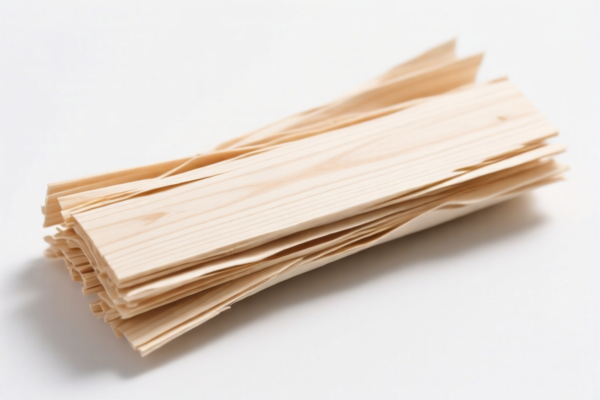
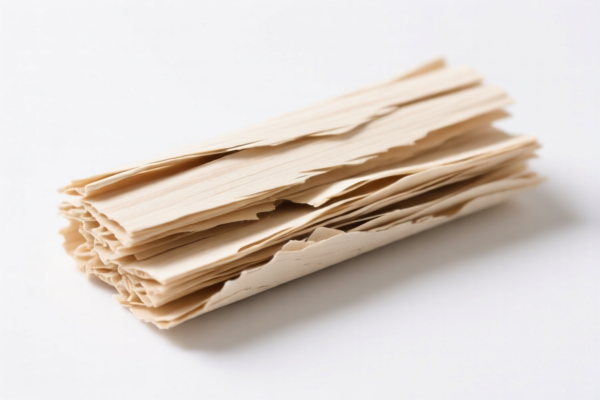
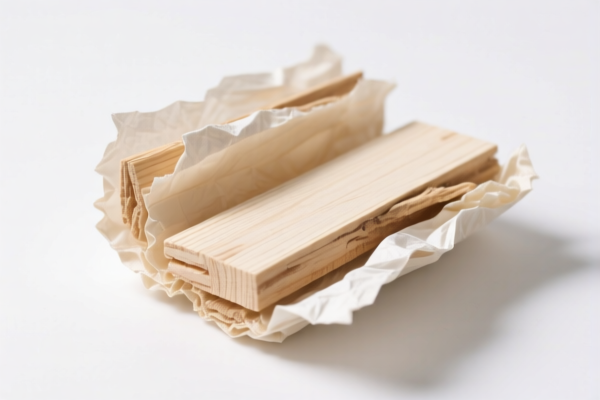
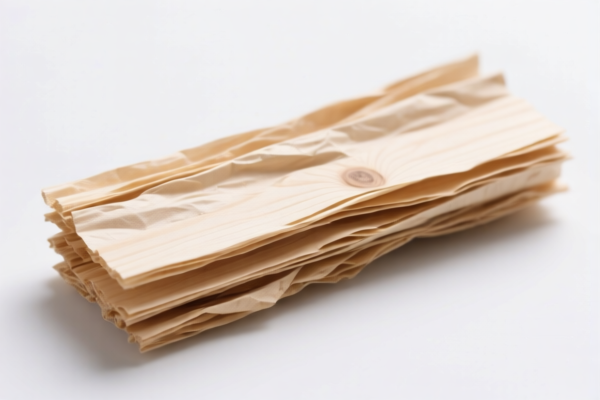
🌲 Industrial Grade Sulfite Wood Pulp (Chemical Pulp for Manufacturing & Industry)
🌐 HS Code Reference & Customs Clearance Guide | 2026 Latest Tariff Analysis | Professional Logistics Strategy 📌 Part 1: Product Definition & Classification: What Exactly Is "Sulfite Pulp"?
Industrial Grade Sulfite Wood Pulp is a chemical wood pulp produced by digesting wood chips with a solution of sulfites or bisulfites of magnesium, calcium, sodium, or ammonium. Unlike mechanical pulp, it has high brightness and strength, making it essential for high-quality paper manufacturing, cellulose derivatives, and industrial chemicals.
In international trade, it is strictly categorized under Chapter 47: Wood Pulp and Other Fibrous Cellulosic Pulp; Chemical Wood Pulp Dissolving Grade.
Key Distinctions: * Sulfite vs. Kraft (Sulfate): While both are chemical pulps, they are processed differently. However, for HS Code purposes, both generally fall under the same broad categories unless specified as "Dissolving Grade." * Standard Industrial Grade vs. Dissolving Grade: This is the most critical distinction. * Standard Industrial Grade: Used for paper production (tissue, printing/writing, packaging). * Dissolving Grade: Used for making viscose rayon, acetate, cellophane, and explosives (nitrocellulose). It requires higher alpha-cellulose content and lower lignin.
⚠️ Critical Classification Point: - If the pulp is intended for paper making (standard industrial use) → Generally 4704. - If the pulp is Dissolving Grade (high purity for chemicals) → Generally 4706 or specifically noted under 4704/4705 depending on origin and specific chemical tests, but often 4704.90 is the broad bucket for non-coniferous or mixed, while 4703/4704 are for coniferous/non-coniferous respectively. - Note: Most standard "Industrial Grade Sulfite" (non-dissolving) falls under 4704 (Coniferous) or 4705 (Non-Coniferous).
📦 Part 2: HS Code Classification Details (2026 Latest Harmonized System)
The HS Code depends heavily on whether the wood is Coniferous (softwood like pine, spruce) or Non-Coniferous (hardwood like eucalyptus, birch). Sulfite process is usually applied to both, but Softwood Sulfite is more common for long-fiber paper.
| HS Code | Product Description | Applicable Scenario | Chemical Process |
|---|---|---|---|
| 4704.21.00 | Chemical Wood Pulp, Coniferous, Sulfite Process, Bleached | High-quality paper, tissue, filter paper (Softwood) | ✅ Sulfite (Magnesium/Sodium etc.) |
| 4704.29.00 | Chemical Wood Pulp, Coniferous, Sulfite Process, Unbleached/Other | Packaging, cardboard, lower-grade paper (Softwood) | ✅ Sulfite |
| 4705.00.00 | Chemical Wood Pulp, Non-Coniferous, Sulfite Process | Hardwood sulfite pulp for specific paper grades | ✅ Sulfite (Birch, Eucalyptus, etc.) |
| 4706.90.90 | Other Waste and Scrap Pulp (Recovering Fiber) | Recycled pulp, sludge | ❌ Not Virgin Pulp |
| 4707.30.00 | Chemical Wood Pulp, De-inked | Recycled pulp from printed paper | ❌ Not Virgin Pulp |
🔍 Key Reminder: - 4704 is for Coniferous (Softwood) pulp. - 4705 is for Non-Coniferous (Hardwood) pulp. - Do not confuse with 4703 (Kraft/Sulfate Process). If your product is Sulfite, it must be 4704 or 4705. Misclassification can lead to significant duty discrepancies. - If the product is Dissolving Grade, some countries may require specific certification to classify it differently or apply different duties, but typically it still falls under 4704/4705 unless specific national sub-headings exist for dissolving pulp.
💰 Part 3: 2026 Latest Tariff Rate Breakdown (Including Additional Duties)
✅ Applicable Country: United States (US)
✅ Origin: China (CN)
✅ Effective Time: 2025-2026 (Current Trade War Status)
🎯 1. 4704.21.00 / 4704.29.00 —— Chemical Wood Pulp, Coniferous, Sulfite
| Item | Content |
|---|---|
| Base MFN Rate | 0% (Generally free under normal trade) |
| Section 301 Rate (USITC) | +25% (Category 3: Paper Products & Pulp) |
| IEEPA Surcharge | 0% (Pulp is generally not on the latest IEEPA lists for consumer goods, but check specific updates. Note: Section 301 is the dominant factor here.) |
| Total Effective Rate | 25% |
| Tax Calculation | CIF Value × 25% |
| De Minimis Eligibility | ❌ Not Eligible (High value bulk shipments) |
| Legal Basis | USITC:4704.xx.xx → FOOTNOTE:301-Category3 |
📌 Explanation: - Wood pulp is considered an intermediate industrial good. While the base MFN rate is often 0%, the Section 301 Tariff imposes an additional 25% on many Chinese-origin chemical wood pulps. - This is a critical cost driver. Do not assume 0% duty because MFN is low.
🎯 2. 4705.00.00 —— Chemical Wood Pulp, Non-Coniferous, Sulfite
| Item | Content |
|---|---|
| Base MFN Rate | 0% |
| Section 301 Rate (USITC) | +25% |
| Total Effective Rate | 25% |
| Tax Calculation | CIF Value × 25% |
📌 Note: Same logic applies. Hardwood sulfite pulp from China is also subject to the 25% Section 301 tariff.
🛠️ Part 4: Customs Clearance Practical Advice (Actionable Guide)
✅ 1. Required Documentation Checklist
| Document | Required | Description |
|---|---|---|
| ✅ Commercial Invoice | ✔️ | Must state "Chemical Wood Pulp, Sulfite Process, Bleached/Unbleached" |
| ✅ Packing List | ✔️ | Weight, quantity, number of bales/bags |
| ✅ Certificate of Origin (CO) | ✔️ | Essential for proving origin (CN) to apply Section 301 if applicable |
| ✅ Phytosanitary Certificate | ✔️ | CRITICAL for wood products. Must confirm no pests/bark |
| ✅ Bill of Lading (B/L) | ✔️ | Standard shipping document |
| ✅ Technical Data Sheet | ✔️ | Confirms pulp type (Sulfite vs. Kraft), brightness, viscosity |
| ✅ Fumigation Certificate | ✔️ | If wood packaging is used (ISPM 15 compliant) |
✅ 2. Declaration Strategy (Key Tips)
🔥 “Be Precise: Coniferous vs. Non-Coniferous, Bleached vs. Unbleached”
| Scenario | Correct Declaration | Risk if Wrong |
|---|---|---|
| Softwood Sulfite, Bleached | 4704.21.00 |
If declared as Hardwood (4705), customs may ask for correction |
| Softwood Sulfite, Unbleached | 4704.29.00 |
|
| Hardwood Sulfite | 4705.00.00 |
|
| Dissolving Grade | Check if specific sub-heading exists | If misclassified, may face different duty rates or regulatory scrutiny |
✅ 3. Special Considerations for Pulp Import
- Phytosanitary Compliance: The USDA APHIS is very strict. Any sign of bark, insects, or mold can lead to rejection or re-export. Ensure wood packaging is heat-treated (HT mark) or fumigated.
- Moisture Content: Pulp must be dried to standard moisture levels (typically 5-10%). High moisture can lead to mold during transit, triggering phytosanitary issues.
- Bale Identification: Each bale should be clearly labeled with Manufacturer, Product Code, Weight, and Net Weight. Mislabeled bales can cause customs delays.
- Section 301 Exclusions: Check if your specific HS Code + HTS Number is currently on the Exclusion List for Section 301. (As of 2026, most pulp remains subject to duties, but verify latest USITC exclusions).
🌍 Part 5: Global Market Comparison (2026)
| Country/Region | Recommended HS Code | Duty Rate (China Origin) | Certification Required | Notes |
|---|---|---|---|---|
| 🇺🇸 USA | 4704.xx.xx / 4705.00.00 |
25% (Section 301) | Phytosanitary, CO | High duty cost; verify exclusions |
| 🇨🇳 China | 4704.xx.xx / 4705.00.00 |
0% | None | Major importer of pulp; free trade zone benefits |
| 🇪🇺 EU | 4704.xx.xx / 4705.00.00 |
0% | Phytosanitary, FSC/PEFC (optional) | No Section 301 equivalent; low duty |
| 🇮🇳 India | 4704.xx.xx / 4705.00.00 |
~5-10% | Phytosanitary | Varies by trade agreement |
📌 Conclusion: - USA is the most expensive market due to Section 301 tariffs (25%). - EU and China are more cost-effective for pulp imports from China. - Always verify Phytosanitary requirements as this is the #1 cause of shipment delays for wood-based products.
📌 Part 6: Common Errors & Pitfalls (Lessons Learned)
❌ Error 1: Declaring "Sulfite Pulp" as "Kraft Pulp" (4703)
👉 Consequence: Misclassification leads to 25% duty discrepancy + penalties. Sulfite and Kraft have different HS codes (4704/4705 vs 4703/4704 depending on wood type).
❌ Error 2: Missing Phytosanitary Certificate
👉 Consequence: Shipment held at port or returned. No phytosanitary cert = No entry for wood products.
❌ Error 3: Ignoring Section 301 Eligibility
👉 Consequence: Underpaying duties. If you don’t pay the 25% additional tariff, you will face audits, back-taxes, and fines upon CBP audit.
✅ Correct Practice:
"Chemical Wood Pulp, Coniferous, Sulfite Process, Bleached, HS 4704.21.00, Phytosanitary Certificate Attached, Fumigated Packaging"
🎯 Part 7: Conclusion: Professional Declaration for Smooth Clearance
🎯 Remember the Key Points:
🔹 "Sulfite = 4704/4705, Not 4703!"
🔹 "Phytosanitary Cert is Mandatory for Wood Products!"
🔹 "Section 301 25% Duty Applies to China Origin Pulp!"
📌 Pro Tip:
If you are importing large volumes, consider Advance Ruling from US Customs (CBP) to confirm the exact HS Code and duty liability. This provides legal certainty and avoids surprises.
📣 Immediate Action:
📞 Verify Phytosanitary Requirements with USDA APHIS
📞 Confirm Section 301 Exclusion Status for your specific HS Code
🚀 Ensure Smooth Clearance for Your Industrial Pulp!
✨ Professional Customs Clearance Starts with Accurate Classification!
💼 Every Dollar Saved in Duties is Profit Earned!
用户评价
关于 HS 编码归类
协调制度(HS)是由世界海关组织(WCO)制定的国际贸易商品分类标准。全球 200 多个国家采用 HS 系统作为海关关税、贸易统计和进出口监管的基础。
每个 HS 编码遵循以下层级结构:
- 章(2 位)——商品大类(例如:第 84 章:机器和机械设备)
- 品目(4 位)——章内的更具体分类
- 子目(6 位)——国际通用细分,所有 WCO 成员国统一使用
- 本国细分(8-10 位)——各国自行扩展的细分编码,如美国 HTSUS 10 位编码
正确的 HS 编码归类对于顺利通关、准确缴纳关税和遵守贸易法规至关重要。错误归类可能导致海关延误、多缴关税或罚款。
从CN进口到US时,适用的关税税率可能包括:
- 最惠国(MFN)税率——适用于 WTO 成员国的标准关税税率
- 普通税率——适用于无贸易协定国家
- 贸易救济关税——附加关税,如 301 条款(反倾销)、232 条款(国家安全)或反补贴税
本页内容仅供参考。如需正式归类,请咨询当地海关或持牌报关代理。