industrial machinery hs code 1404902000
CN → US| HS编码 | 关税税率 | 原产国 | 目的国 | 文档 |
|---|---|---|---|---|
| 8479909596 | 85.0% | CN | US | 官方文档 |
| 8479899599 | 87.5% | CN | US | 官方文档 |
| 8479899599 | 87.5% | CN | US | 官方文档 |
| 4107917090 | 15.0% | CN | US | 官方文档 |
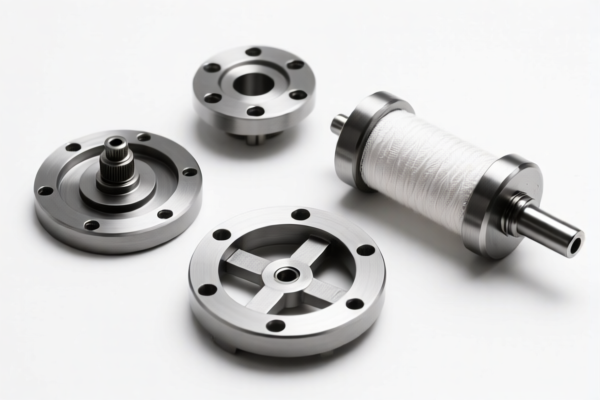
商品图片



AI分析
🏭 Industrial Machinery & Parts: HS Code Deep Dive (2026 Clearance Guide)
🌐 HS Code Reference & Clearance Guide | 2026 Latest Tariff Analysis | Professional Clearance Strategy
📌 I. Product Definition: What Are "Industrial Machinery"?
Industrial machinery refers to equipment used for manufacturing, processing, or assembling goods. In international trade, these are broadly classified under Chapter 84 (Nuclear reactors, boilers, machinery and mechanical appliances). However, specific components, parts, or specialized sub-assemblies may fall under different chapters (e.g., Chapter 41 for leather, as seen in the provided data).
⚠️ Critical Distinction:
- General Industrial Machinery: Usually falls under 8479 (Machinery having individual functions, not specified elsewhere).
- Parts & Accessories: Often fall under 8479.90 (Parts suitable for use solely or principally with the machinery of heading 8479).
- Specialized Materials/Components: Certain "parts" or "components" defined by material (e.g., leather, metals) may fall under other chapters (e.g., 4107 for processed leather).
📦 II. HS Code Classification Details (Based on Provided Data)
Note: The user input "1404902000" (Vegtable plaiting materials) does not match any of the HS Codes in the provided <DATA>. Therefore, this guide strictly analyzes the actual HS Codes provided in the <DATA>, which relate to industrial machinery and leather goods.
| HS Code | Product Description | Application Scenario | Classification Logic |
|---|---|---|---|
8479.90.95.96 |
Other parts/accessories of industrial machinery | General purpose machine parts, non-specific | "Other" catch-all category for machinery parts |
8479.89.95.99 |
Other machines/appliances with individual functions | Specialized industrial equipment | "Other" catch-all category for machinery |
8479.89.95.99 |
Other machinery for specific industrial use | Machinery not specified in other headings | Duplicate entry in data; same tariff treatment |
4107.91.70.90 |
Leather goods/parts (not machinery!) | Misclassification Alert: Data links this to "Industrial Machinery" via material/processing logic | Classified as "Other" based on material (leather) and processing form |
🔍 Key Insight:
- 8479.90.95.96 and 8479.89.95.99 are "catch-all" categories for industrial machinery and parts. They apply when the specific machine/parts do not fit more precise headings.
- 4107.91.70.90 is NOT machinery. It is a leather product. If your "industrial machinery" includes leather belts, hoses, or seals, it might be classified here. Do not misdeclare leather parts as machinery!
💰 III. 2026 Tariff Rate Breakdown (High-Cost Scenarios)
✅ Applicable Country: United States (US)
✅ Origin: China (CN)
✅ Effective Date: 2025/2026 (Post-Section 301 & IEEPA Tariffs)
🎯 1. 8479.90.95.96 – Parts of Industrial Machinery
| Item | Details |
|---|---|
| Base Tariff | 0.0% |
| Section 301 Add-on Tariff | +25.0% |
| Section 122 Tariff (Steel/Aluminum/Copper) | +10.0% (if applicable to material) |
| Additional 122 Tariff (Steel/Aluminum/Copper Products) | +50.0% (if material-specific) |
| Total Tariff Rate | 85.0% |
| De Minimis Exemption | ❌ Not Eligible (High risk of audit/penalty) |
| Legal Basis | Section 301 (Trade Act) + IEEPA (National Emergency) |
📌 Explanation:
- Base 0%: Standard MFN rate for machinery parts.
- 25% Section 301: Standard US-China trade war tariff on most industrial goods.
- 10% + 50% Section 122: If the part contains steel, aluminum, or copper, additional tariffs apply. This is a critical trap.
- Total 85%: Extremely high. Must verify material composition carefully.
🎯 2. 8479.89.95.99 – Other Industrial Machines
| Item | Details |
|---|---|
| Base Tariff | 2.5% |
| Section 301 Add-on Tariff | +25.0% |
| Section 122 Tariff (Steel/Aluminum/Copper) | +10.0% (if applicable) |
| Additional 122 Tariff (Steel/Aluminum/Copper Products) | +50.0% (if applicable) |
| Total Tariff Rate | 87.5% |
| De Minimis Exemption | ❌ Not Eligible |
| Legal Basis | Section 301 + IEEPA + Section 122 |
📌 Explanation:
- Base 2.5%: Standard rate for general machinery.
- Same Add-ons: If the machine contains steel/aluminum/copper, the 50% additional tariff applies, pushing the total to 87.5%.
- Double Counting Risk: Ensure the 10% and 50% are not double-counted for the same material.
🎯 3. 4107.91.70.90 – Leather Goods (Misclassified as Machinery?)
| Item | Details |
|---|---|
| Base Tariff | 5.0% |
| Section 301 Add-on Tariff | 0.0% (Not subject to Section 301 if not machinery) |
| Section 122 Tariff | +10.0% (If leather processed with steel/aluminum components?) |
| Total Tariff Rate | 15.0% |
| De Minimis Exemption | ❌ Not Eligible (Likely) |
| Legal Basis | Base rate + potential Section 122 |
📌 Warning:
- If you are importing leather belts, hoses, or gaskets for machinery, declaring them as "Industrial Machinery" (8479) is incorrect.
- Declaring as 4107 (Leather) is correct if the product is primarily leather.
- Tariff Difference: 15% vs. 85-87.5%. Massive savings if correctly classified!
🛠️ IV. Practical Clearance Advice (Avoid Pitfalls)
✅ 1. Documentation Checklist
| Document | Required | Notes |
|---|---|---|
| Product Specifications | ✔️ | Must detail material composition (Steel/Aluminum/Copper %). |
| Material Declaration | ✔️ | Critical for Section 122 tariffs. |
| Function Description | ✔️ | Must explain why it fits "Other" category. |
| Photos | ✔️ | Clear images of the product, label, and connections. |
| Commercial Invoice | ✔️ | Must match HS Code and description exactly. |
| Certificate of Origin | ✔️ | For proving Chinese origin (triggering tariffs). |
✅ 2. Classification Strategy
| Scenario | Correct HS Code | Tariff | Risk |
|---|---|---|---|
| Metal Part for Machine | 8479.90.95.96 |
85% | High (Section 122 applies) |
| Complete Industrial Machine | 8479.89.95.99 |
87.5% | High (Section 122 applies) |
| Leather Belt/Hose for Machine | 4107.91.70.90 |
15% | Low (Correct classification!) |
| Plastic Part for Machine | 8479.90.95.96 |
25-35% | Medium (No Section 122 if no metal) |
📌 Key Tip:
- Do NOT assume all "parts" are 85%.
- If the part is plastic, wood, or non-metal, the 50% Section 122 tariff may NOT apply.
- For leather parts, use 4107 to avoid 85% tariff.
✅ 3. Special Cases
| Case | Advice |
|---|---|
| OEM Parts | Provide original equipment manufacturer (OEM) documentation to prove "solely or principally" use. |
| Mixed Materials | Declare material percentages clearly. If >50% steel, Section 122 applies. |
| Software-Controlled Parts | If software is primary function, consider Chapter 85 (Electrical Machinery) instead. |
🌍 V. Global Market Comparison (2026)
| Country | HS Code | Tariff | Notes |
|---|---|---|---|
| 🇺🇸 USA | 8479.90.95.96 |
85% | High due to Section 301 + 122 |
| 🇺🇸 USA | 4107.91.70.90 |
15% | Low if classified as leather |
| 🇪🇺 EU | 8479.90 |
~0-2% | No Section 301/122 tariffs |
| 🇨🇳 China | 8479.90 |
~0-5% | Low base rate |
📌 Conclusion:
- US Tariffs are punitive for industrial machinery/parts.
- Correct classification is critical: Misdeclaring leather as machinery can lead to 70% tariff difference.
📌 VI. Common Errors & Pitfalls
❌ Error 1: Declaring leather belts as "Industrial Machinery"
👉 Result: Pay 85% instead of 15%. Overpayment of $70 per $100.
❌ Error 2: Assuming all parts are subject to Section 122
👉 Result: Unnecessary 50% tariff on plastic/wood parts. Reduce cost by reclassifying.
❌ Error 3: Ignoring material composition
👉 Result: Customs audit, penalties, and delayed shipment.
✅ Correct Practice:
"Leather Hydraulic Hose, 2-inch diameter, for Industrial Machinery, HS Code 4107.91.70.90"
🎯 VII. Conclusion
🎯 Remember:
🔹 "Leather is Leather, Not Machinery!"
🔹 "Metal Parts = High Tariff (85%)! Plastic/Wood = Lower (25-35%)!"
🔹 "Verify Material Composition Before Declaring!"
📌 Pro Tip:
- Apply for an Advance Ruling with US CBP if your product is complex.
- Work with a licensed customs broker to ensure correct classification.
- Audit your supply chain: Can you substitute steel parts with plastic to save 50%?
📣 Immediate Action:
📞 Contact a Customs Broker + Provide Material Specs + Verify HS Code
🚀 Optimize Tariff, Avoid Penalties, Save Up to 70% in Duties!
✨ Professional Clearance Starts with Accurate Classification!
💼 Every Dollar Saved is a Dollar Earned!
用户评价
关于 HS 编码归类
协调制度(HS)是由世界海关组织(WCO)制定的国际贸易商品分类标准。全球 200 多个国家采用 HS 系统作为海关关税、贸易统计和进出口监管的基础。
每个 HS 编码遵循以下层级结构:
- 章(2 位)——商品大类(例如:第 84 章:机器和机械设备)
- 品目(4 位)——章内的更具体分类
- 子目(6 位)——国际通用细分,所有 WCO 成员国统一使用
- 本国细分(8-10 位)——各国自行扩展的细分编码,如美国 HTSUS 10 位编码
正确的 HS 编码归类对于顺利通关、准确缴纳关税和遵守贸易法规至关重要。错误归类可能导致海关延误、多缴关税或罚款。
从CN进口到US时,适用的关税税率可能包括:
- 最惠国(MFN)税率——适用于 WTO 成员国的标准关税税率
- 普通税率——适用于无贸易协定国家
- 贸易救济关税——附加关税,如 301 条款(反倾销)、232 条款(国家安全)或反补贴税
本页内容仅供参考。如需正式归类,请咨询当地海关或持牌报关代理。