industrial technical textile fabric
CN → US| HS编码 | 关税税率 | 原产国 | 目的国 | 文档 |
|---|---|---|---|---|
| 5906913000 | 37.7% | CN | US | 官方文档 |
| 5906993000 | 38.3% | CN | US | 官方文档 |
| 5907001500 | 43.0% | CN | US | 官方文档 |
| 5907006000 | 35.0% | CN | US | 官方文档 |
| 5911101000 | 37.9% | CN | US | 官方文档 |
商品图片
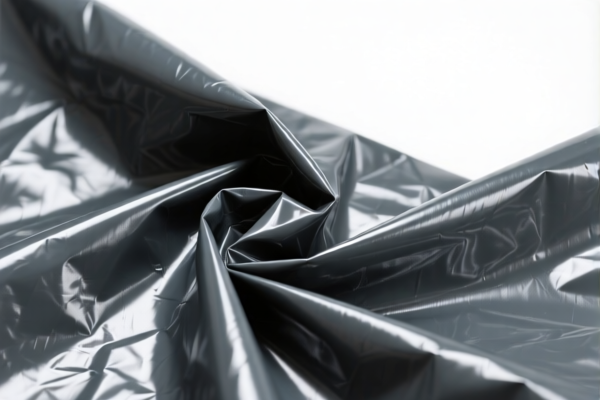
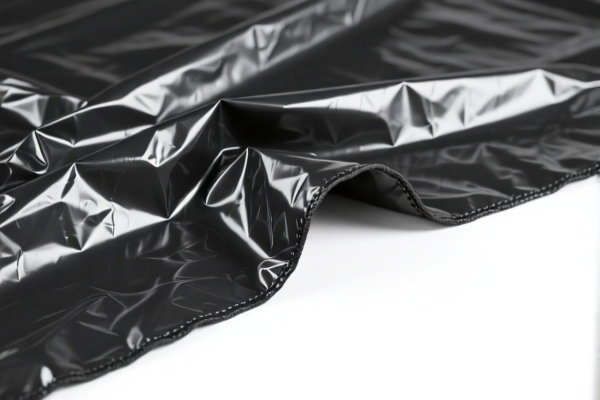
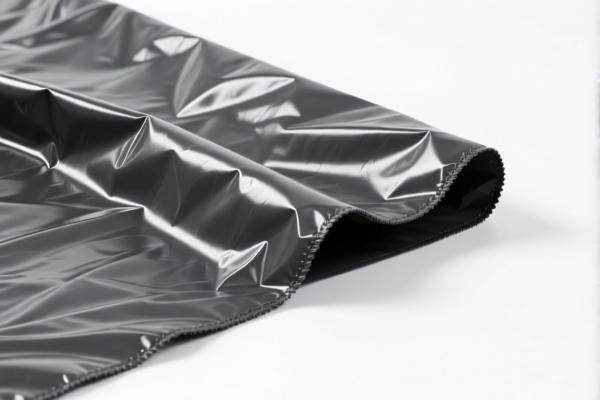
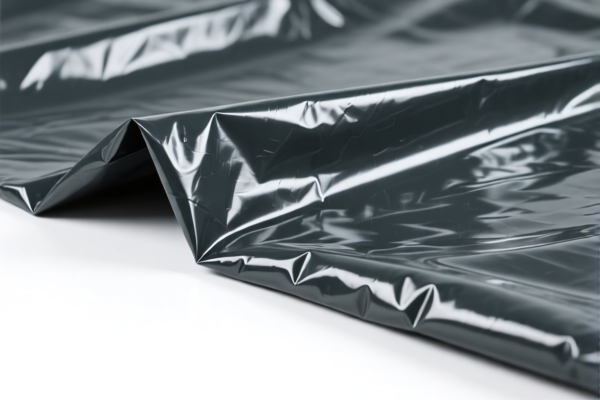
AI分析
🏭 Industrial Technical Textile Fabric: The Ultimate Classification & Tariff Guide (2026 Edition)
🌐 HS Code Reference & Customs Clearance Guide | 2026 Latest Tariff Analysis | Professional Clearance Strategy
📌 I. Product Definition & Classification: Do You Really Understand "Industrial Technical Textile"?
Industrial Technical Textile Fabric is not just "fabric." It is a high-performance material engineered for specific functional purposes beyond traditional clothing or home decor. In international trade, it is broadly categorized based on its processing method (coated, impregnated, rubberized) and material composition (synthetic, man-made, or others).
Key distinctions determine the HS Code: 1. Rubberized/Reinforced (Chapter 59): Fabrics treated with rubber or similar substances to enhance durability, waterproofing, or strength. 2. Impregnated/Coated with Paint/Emulsion (Chapter 59/5907): Fabrics treated for specific surface properties (e.g., flame retardancy, chemical resistance). 3. Technical Applications: Used in filtration, geotextiles, medical, agricultural, or industrial machinery.
⚠️ Critical Distinction:
- If the fabric is primarily defined by its functional coating/impregnation (like paint or heavy rubber), it often falls under 5907 or 5906.
- If it is a general "technical textile" for filtration or similar uses without specific heavy chemical coating, it may fall under 5911.
- The material base (synthetic vs. other) drastically affects the tariff rate.
📦 II. HS Code Classification Details (2026 Latest Tariff Authority Reference)
Based on the provided data, here are the precise classifications for Industrial Technical Textile Fabric:
| HS Code | Product Description | Key Characteristics | Material/Processing Basis |
|---|---|---|---|
5906.91.30.00 |
Industrial Fabric | Textile material with coating/membrane treatment for durability. | General industrial textile; assumes coating/membrane enhancement. |
5906.99.30.00 |
Other Rubberized Textile | Strong inference of rubberization or coating due to industrial reinforcement needs. | "Other" rubberized textiles; implies higher processing intensity. |
5907.00.15.00 |
Impregnated/Coated Fabric (Synthetic/Man-Made) | Fabric impregnated or coated with paint, varnish, or similar substances. | Specifically Artificial/Synthetic Fibers; high chemical treatment. |
5907.00.60.00 |
Other Impregnated/Coated Fabric (General) | Textile fabric impregnated or coated (catch-all for non-specific materials). | General "Other" category; assumes coating but unspecified base material. |
5911.10.10.00 |
Technical Textiles | Broad category for textiles used for technical applications. | Defined by purpose (technical use) rather than just chemical processing. |
🔍 Key Insight:
- 5906 vs. 5907: 5906 typically refers to rubberized fabrics, while 5907 refers to fabrics impregnated/coated with paints, varnishes, or similar substances.
- 5911: This is a "functional" classification. If the fabric is specifically for filtration, technical clothing, or similar, it may be preferred over chemical-based codes if it doesn't fit 5906/5907 perfectly.
💰 III. 2026 Latest Tariff Rate Breakdown (Including Surtaxes & Policy Add-ons)
✅ Applicable Country: United States (US)
✅ Origin: China (CN)
✅ Effective Date: Current rates include Section 301 and IEEPA surcharges.
🎯 1. 5906.91.30.00 – Industrial Fabric (Coated/Membrane)
| Item | Details |
|---|---|
| Base Tariff | 2.7% |
| Section 301 Surcharge | +25.0% |
| IEEPA Surcharge (122 Clause) | +10.0% |
| Total Tax Rate | 37.7% |
| Tax Calculation | CIF Value × 37.7% |
| De Minimis Exemption | ❌ Not Available |
| Legal Basis Path | Base Tariff → USITC Footnote 9903.88.01 (Section 301) → IEEPA 9903.01.25 (122 Clause) |
📌 Explanation:
- This code assumes the fabric has undergone significant durability enhancement (coating/membrane).
- The 37.7% total rate is a heavy burden. Importers must budget for this high effective tax rate.
- No de minimis (under $800) exemption applies to Chinese-origin goods under these surcharges.
🎯 2. 5906.99.30.00 – Other Rubberized Textile (Other)
| Item | Details |
|---|---|
| Base Tariff | 3.3% |
| Section 301 Surcharge | +25.0% |
| IEEPA Surcharge (122 Clause) | +10.0% |
| Total Tax Rate | 38.3% |
| Tax Calculation | CIF Value × 38.3% |
| De Minimis Exemption | ❌ Not Available |
| Legal Basis Path | Base Tariff → USITC Footnote 9903.88.01 → IEEPA 9903.01.25 |
📌 Explanation:
- Slightly higher base tariff (3.3%) due to being classified as "Other" rubberized goods.
- Total rate 38.3% is the highest among the 5906 options.
- Justification: Industrial fabrics often require "stronger" or "other" rubberization treatments not captured in the first subheading.
🎯 3. 5907.00.15.00 – Impregnated/Coated Fabric (Synthetic/Man-Made)
| Item | Details |
|---|---|
| Base Tariff | 8.0% |
| Section 301 Surcharge | +25.0% |
| IEEPA Surcharge (122 Clause) | +10.0% |
| Total Tax Rate | 43.0% |
| Tax Calculation | CIF Value × 43.0% |
| De Minimis Exemption | ❌ Not Available |
| Legal Basis Path | Base Tariff → USITC Footnote 9903.88.01 → IEEPA 9903.01.25 |
📌 Explanation:
- Highest Total Rate (43.0%).
- This code specifically targets artificial/synthetic fibers that are impregnated or coated with paint/varnish-like substances.
- The higher base tariff (8.0%) reflects the more processed nature of synthetic technical textiles.
- Warning: If your fabric is synthetic and coated, this code attracts the highest penalty.
🎯 4. 5907.00.60.00 – Other Impregnated/Coated Fabric (General)
| Item | Details |
|---|---|
| Base Tariff | 0.0% |
| Section 301 Surcharge | +25.0% |
| IEEPA Surcharge (122 Clause) | +10.0% |
| Total Tax Rate | 35.0% |
| Tax Calculation | CIF Value × 35.0% |
| De Minimis Exemption | ❌ Not Available |
| Legal Basis Path | Base Tariff (0%) → USITC Footnote 9903.88.01 → IEEPA 9903.01.25 |
📌 Explanation:
- Most Cost-Effective Option (35.0%) among the 5907 codes.
- Base tariff is 0%, making it attractive if the fabric can be classified here.
- Justification: Falls under "Other" impregnated/coated fabrics, likely non-synthetic or less specifically defined material.
- Strategy: Can you argue that your fabric falls under this "catch-all" category instead of the synthetic-specific 5907.00.15.00? This saves 8%.
🎯 5. 5911.10.10.00 – Technical Textiles
| Item | Details |
|---|---|
| Base Tariff | 2.9% |
| Section 301 Surcharge | +25.0% |
| IEEPA Surcharge (122 Clause) | +10.0% |
| Total Tax Rate | 37.9% |
| Tax Calculation | CIF Value × 37.9% |
| De Minimis Exemption | ❌ Not Available |
| Legal Basis Path | Base Tariff → USITC Footnote 9903.88.01 → IEEPA 9903.01.25 |
📌 Explanation:
- Mid-Range Rate (37.9%).
- Based on end-use (technical application) rather than just chemical processing.
- Justification: "Technical textiles" is a broad umbrella. If your fabric is used for filtration, geotextiles, or specialized industrial applications, this code is appropriate.
- Comparison: Slightly cheaper than5906.91.30.00(37.7%) but more expensive than5907.00.60.00(35.0%).
🛠️ IV. Customs Clearance Practical Advice (Avoid Pitfalls)
✅ 1. Documentation Checklist (Non-Negotiable)
| Document | Required? | Notes |
|---|---|---|
| ✅ Technical Data Sheet | ✔️ | Must detail: Material composition (%, fiber type), coating type, thickness, weight, and specific industrial application (e.g., "for filtration," "for conveyor belts"). |
| ✅ Product Photos | ✔️ | Show texture, coating layer, and any labels/branding. |
| ✅ Certificate of Origin | ✔️ | Crucial for proving Chinese origin (triggers surcharges). |
| ✅ Commercial Invoice | ✔️ | Must match HS Code description precisely. |
| ✅ Packing List | ✔️ | Weight and dimensions. |
| ✅ Import License (if applicable) | ❓ | Some technical textiles may require specific permits. |
✅ 2. Classification Strategy (Critical Decision Matrix)
🔥 "Function + Material = Correct Code"
| Scenario | Recommended HS Code | Reason |
|---|---|---|
| Fabric is clearly synthetic (polyester/nylon) AND coated with paint/emulsion | 5907.00.15.00 |
Highest technical accuracy but highest tax (43%). |
| Fabric is coated/impregnated but material is generic or "other" | 5907.00.60.00 |
Lowest tax (35%) if defensible. Best for cost optimization. |
| Fabric is rubberized (heavy rubber content) for industrial durability | 5906.99.30.00 |
If it fits "rubberized" definition, use this. Tax: 38.3%. |
| Fabric is for general industrial use, lightly coated | 5906.91.30.00 |
Common "catch-all" for industrial fabrics. Tax: 37.7%. |
| Fabric is specifically for technical use (filtration, geotextile) | 5911.10.10.00 |
Use if end-use is the primary defining feature. Tax: 37.9%. |
⚠️ Risk Warning:
- Misclassification Risk: If you declare5907.00.60.00(35%) but the fabric is clearly synthetic coated, Customs may reclassify it to5907.00.15.00(43%) + penalties.
- Justification Needed: To use5907.00.60.00, you must demonstrate the fabric does not fit the specific synthetic/impregnated description of 15.00.
✅ 3. Special Case Handling
| Situation | Advice |
|---|---|
| Mixed Shipments | If a shipment contains both synthetic coated and general coated fabrics, split the declaration if possible to optimize rates. |
| Sample vs. Bulk | Samples under $800 may be exempt from duties (de minimis) IF they are not subject to specific exclusions. However, Section 301 and IEEPA often still apply to Chinese goods. Check current USCBP enforcement on de minimis for China. |
| Pre-Ruling | Highly Recommended. File a Binding Ruling Request with USCBP to confirm the correct HS Code before shipping. Cost: ~$200-$500; Saves thousands in potential back-taxes. |
🌍 V. Global Market Comparison (2026)
| Market | HS Code Focus | Tariff Impact | Notes |
|---|---|---|---|
| 🇺🇸 USA | 5906.91.30.00, 5907.00.60.00, etc. |
High (35%-43%) | Subject to 25% Section 301 + 10% IEEPA. |
| 🇨🇳 China | Similar HS Codes | Low (0%-5%) | No surcharges for domestic trade. |
| 🇪🇺 EU | 5906/5907 |
Varies (0%-6.5%) | No Section 301/IEEPA. Standard MFN rates apply. |
| 🇬🇧 UK | Similar to EU | Varies | Post-Brexit tariffs may differ slightly from EU. |
| 🇨🇦 Canada | Similar HS Codes | Varies (0%-5%) | CUSMA may offer preferential rates for qualified goods. |
📌 Conclusion:
- The USA is the most expensive market for Chinese industrial textiles due to layered surcharges.
- Cost Optimization: Focus on qualifying for5907.00.60.00(35%) if technically defensible. Otherwise, expect ~38%+.
📌 VI. Common Errors & Pitfalls (Learn from Others' Mistakes)
❌ Error 1: Declaring all coated fabrics as 5907.00.60.00 to save money.
👉 Consequence: If Customs determines the fabric is synthetic, they will reclassify to 5907.00.15.00 (43%) + back taxes + penalties.
❌ Error 2: Ignoring the "Rubberized" aspect.
👉 Consequence: If the fabric contains significant rubber content, it may be correctly classified under 5906 (37.7%-38.3%), not 5907. Misclassification leads to delays.
❌ Error 3: Not specifying "Industrial Use" in documentation.
👉 Consequence: Customs may view it as general textile (lower HS, different tariff) or reject the "Technical Textile" claim under 5911.
❌ Error 4: Assuming De Minimis ($800) exemption applies to all shipments.
👉 Consequence: Section 301 and IEEPA surcharges often bypass de minimis. Check current CBP directives. Many Chinese goods are excluded from de minimis.
✅ Correct Practice:
"Industrial Technical Textile, Polyester Fabric, PVC Coated, for Conveyor Belts, Model XYZ, CN Origin"
🎯 VII. Conclusion: Strategic Clearance for Maximum Profit
🎯 Key Takeaways:
1. 35% is the Goal: Aim for 5907.00.60.00 if your fabric’s material doesn’t strictly fit "synthetic impregnated."
2. 43% is the Risk: Avoid 5907.00.15.00 unless you are certain the fabric is synthetic and coated.
3. 38% is the Middle Ground: 5906.99.30.00 (Rubberized) is a common fallback for durable industrial fabrics.
4. Get a Pre-Ruling: The cost of a binding ruling is negligible compared to the risk of a 38% vs. 43% misclassification penalty.
📌 Pro Tip:
If you have non-Chinese origin (e.g., Vietnam, Thailand) technical textiles, you can avoid the 25% Section 301 and 10% IEEPA surcharges, reducing the total tax to just the Base Tariff (0%-8%).
Strategy: Diversify sourcing to avoid US surcharges entirely.
📣 Immediate Action:
📞 Consult a Licensed Customs Broker
📄 Prepare Technical Data Sheets
📝 Apply for CBP Binding Ruling
🚀 Secure your supply chain, minimize duty exposure, and clear customs smoothly!
✨ Precision in Classification = Profit in Your Pocket!
💼 Every Percent Saved is Pure Margin!
用户评价
关于 HS 编码归类
协调制度(HS)是由世界海关组织(WCO)制定的国际贸易商品分类标准。全球 200 多个国家采用 HS 系统作为海关关税、贸易统计和进出口监管的基础。
每个 HS 编码遵循以下层级结构:
- 章(2 位)——商品大类(例如:第 84 章:机器和机械设备)
- 品目(4 位)——章内的更具体分类
- 子目(6 位)——国际通用细分,所有 WCO 成员国统一使用
- 本国细分(8-10 位)——各国自行扩展的细分编码,如美国 HTSUS 10 位编码
正确的 HS 编码归类对于顺利通关、准确缴纳关税和遵守贸易法规至关重要。错误归类可能导致海关延误、多缴关税或罚款。
从CN进口到US时,适用的关税税率可能包括:
- 最惠国(MFN)税率——适用于 WTO 成员国的标准关税税率
- 普通税率——适用于无贸易协定国家
- 贸易救济关税——附加关税,如 301 条款(反倾销)、232 条款(国家安全)或反补贴税
本页内容仅供参考。如需正式归类,请咨询当地海关或持牌报关代理。