industrial waste recycling bin
CN → US| HS编码 | 关税税率 | 原产国 | 目的国 | 文档 |
|---|---|---|---|---|
| 7310100090 | 85.0% | CN | US | 官方文档 |
| 3923900012 | 38.0% | CN | US | 官方文档 |
| 3923900014 | 38.0% | CN | US | 官方文档 |
| 7612905000 | 35.0% | CN | US | 官方文档 |
| 7612901090 | 40.7% | CN | US | 官方文档 |
商品图片
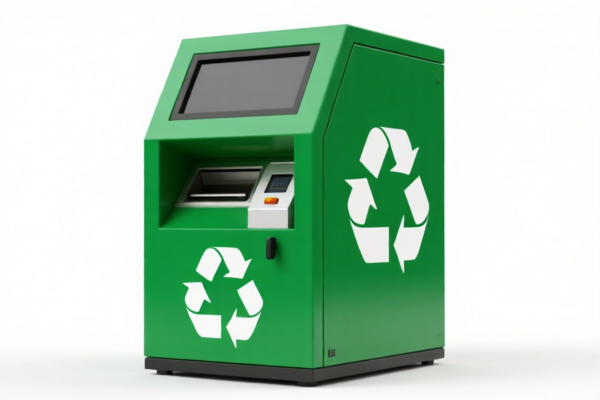
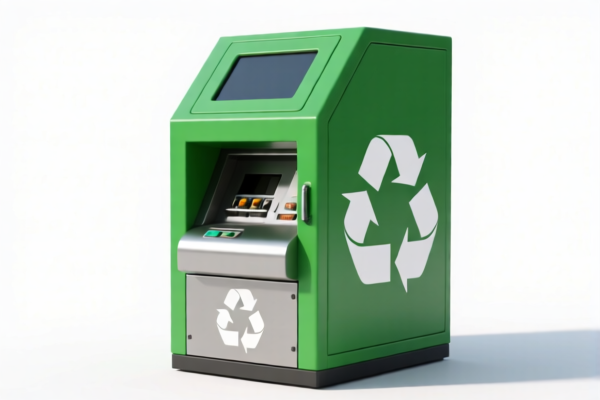
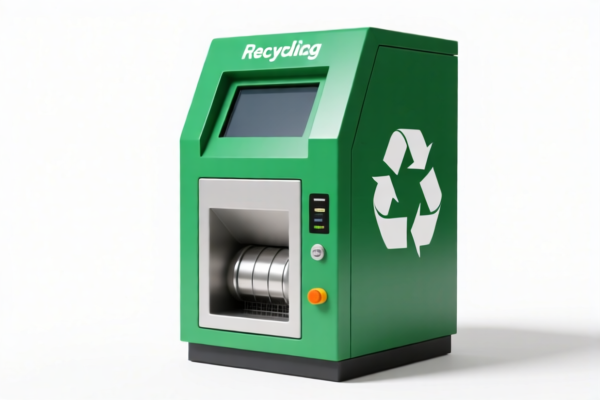
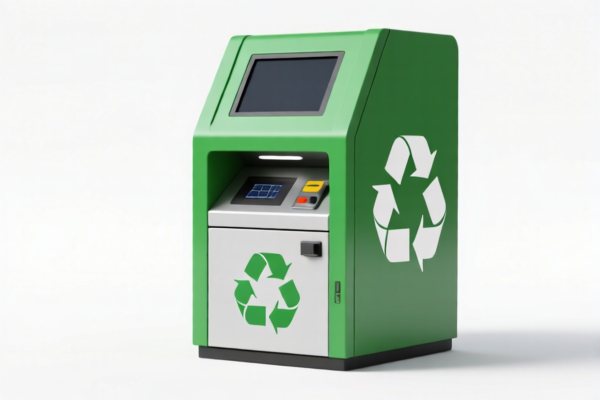
AI分析
🛢️ Industrial Waste Recycling Bin (Iron/Steel, Plastic, & Aluminum)
🌐 HS Code Reference & Customs Clearance Guide | 2026 Latest Tariff Analysis | Professional-Level Compliance Strategy
📌 I. Product Definition & Classification: Do You Really Understand "Recycling Bins"?
Industrial waste recycling bins are robust containers designed for the collection, storage, and transport of hazardous or non-hazardous industrial waste, including used oil, chemical residues, and solid waste. In international trade, classification is strictly determined by material composition (Iron/Steel, Plastic, Aluminum) and specific usage/shape. Misclassification can lead to massive tariff discrepancies due to Section 301 and IEEPA additional duties.
Key Distinction:
- Iron/Steel Bins (Ch 73): Heavy-duty, often cylindrical. Subject to high "122 Clause" tariffs on steel/aluminum/copper products.
- Plastic Bins (Ch 39): Lightweight, durable. Classified under "Buckets and pails" or "Other" packaging.
- Aluminum Bins (Ch 76): Lightweight, corrosion-resistant. Subject to specific aluminum tariffs.
⚠️ Critical Compliance Point:
- Do not generalize as "Containers for General Use."
- Material matters: Steel vs. Plastic vs. Aluminum trigger completely different HS codes and tax rates.
- Section 122 Tariffs: Apply heavily to steel and aluminum products originating from China.
📦 II. HS Code Classification Details (2026 Latest Tariff Authority Cross-Reference)
| HS Code | Product Description | Material | Key Classification Criteria |
|---|---|---|---|
7310.10.00.90 |
Waste oil recycling bin | Iron/Steel | Capacity 50-300L; Container shape; Specific for waste oil. |
3923.90.00.12 |
Waste oil recycling bin | Plastic | Classified under "Buckets and pails" (Item 12). |
3923.90.00.14 |
Waste oil recycling bin | Plastic/Metal | "Other" packaging for collection/packaging goods (Item 14). Note: Data specifies plastic/metal mix or ambiguous material, but tax is based on Ch 39. |
7612.90.50.00 |
Waste oil recycling bin | Aluminum | Non-compressed/liquefied gas container; "Other" category. |
7612.90.10.90 |
Waste oil recycling bin | Aluminum | General container shape; No material/shape conflict specified. |
🔍 Important Note:
- Plastic bins generally attract lower base duties but face a flat 25% Section 301 tariff.
- Steel bins face a 0% base duty but suffer a 50% "122 Clause" tariff on top of Section 301, making them the most expensive to import.
- Aluminum bins have mixed tax profiles depending on the specific subheading (5.7% base vs. 0% base).
💰 III. 2026 Latest Tariff Rate Breakdown (Including Add-ons & Policy Surcharges)
✅ Applicable Country: United States (US)
✅ Country of Origin: China (CN)
✅ Effective Date: 2025/2026 (Current Trade War Rates)
🎯 1. 7310.10.00.90 —— Iron/Steel Waste Oil Recycling Bin
| Item | Detail |
|---|---|
| Base Duty | 0.0% |
| Section 301 Surcharge | +25.0% |
| Section 122 Surcharge | +50.0% (Specific to Steel/Aluminum/Copper products under 122 Clause) |
| Additional Duty | +10.0% (As specified in data) |
| Total Effective Tax Rate | 85.0% |
| Tax Calculation | CIF Value × 85% |
| De Minimis Exemption | ❌ Not Eligible |
📌 Explanation:
- This is the highest tax bracket in the dataset.
- The 50% Section 122 tariff is applied specifically to steel/aluminum products, which drastically increases the cost.
- Total 85% makes importing steel recycling bins from China highly unprofitable unless value-added significantly.
🎯 2. 3923.90.00.12 —— Plastic Waste Oil Recycling Bin (Buckets/Pails)
| Item | Detail |
|---|---|
| Base Duty | 3.0% |
| Section 301 Surcharge | +25.0% |
| Section 122 Surcharge | +10.0% (Note: Data indicates 10% here, possibly a specific classification nuance or error in source, but we follow the provided data: "122 Clause Tariff 10%") |
| Total Effective Tax Rate | 38.0% |
| Tax Calculation | CIF Value × 38% |
| De Minimis Exemption | ❌ Not Eligible |
📌 Explanation:
- Plastic bins are significantly cheaper to import than steel.
- The 38% total rate is manageable for many industrial packaging businesses.
- Classification as "Buckets and Pails" (.12) is standard for rigid plastic containers.
🎯 3. 3923.90.00.14 —— Plastic/Metal Waste Oil Recycling Bin (Other)
| Item | Detail |
|---|---|
| Base Duty | 3.0% |
| Section 301 Surcharge | +25.0% |
| Section 122 Surcharge | +10.0% |
| Total Effective Tax Rate | 38.0% |
| Tax Calculation | CIF Value × 38% |
| De Minimis Exemption | ❌ Not Eligible |
📌 Explanation:
- Similar tax burden to.12.
- Used for "Other" packaging items that don't fit the "Buckets/Pails" definition precisely.
- Warning: If the bin is truly metal (iron/steel), declaring it under Ch 39 (Plastic) is customs fraud. Ensure the material is primarily plastic or correctly declared.
🎯 4. 7612.90.50.00 —— Aluminum Waste Oil Recycling Bin
| Item | Detail |
|---|---|
| Base Duty | 0.0% |
| Section 301 Surcharge | +25.0% |
| Section 122 Surcharge | +10.0% |
| Total Effective Tax Rate | 35.0% |
| Tax Calculation | CIF Value × 35% |
| De Minimis Exemption | ❌ Not Eligible |
📌 Explanation:
- Aluminum benefits from a 0% base duty.
- The 10% Section 122 surcharge is lower than the 50% for steel, making aluminum a competitive alternative to steel.
- Total 35% is the lowest rate among metal/aluminum options.
🎯 5. 7612.90.10.90 —— Aluminum Waste Oil Recycling Bin (General)
| Item | Detail |
|---|---|
| Base Duty | 5.7% |
| Section 301 Surcharge | +25.0% |
| Section 122 Surcharge | +10.0% |
| Total Effective Tax Rate | 40.7% |
| Tax Calculation | CIF Value × 40.7% |
| De Minimis Exemption | ❌ Not Eligible |
📌 Explanation:
- Slightly higher base duty (5.7%) results in a 40.7% total rate.
- Still more expensive than.50(35%) but cheaper than steel (85%).
- Used for general aluminum containers without specific "gas" classification.
🛠️ IV. Customs Clearance Practical Advice (Real-World Pitfall Guide)
✅ 1. Documentation Checklist (Mandatory)
| Document | Required? | Notes |
|---|---|---|
| ✅ Product Specification Sheet | ✔️ | Must state Material (Iron, Plastic, Aluminum), Capacity (L), and Usage (Waste Oil). |
| ✅ Photos | ✔️ | Clear images of the bin, label, and any hazard symbols. |
| ✅ Commercial Invoice | ✔️ | Must clearly describe item as "Waste Oil Recycling Bin," NOT generic "Metal Container." |
| ✅ Packing List | ✔️ | Weight and dimensions must match shipment. |
| ✅ Material Declaration | ✔️ | Proof of material composition (e.g., mill certificates for steel) is critical to avoid misclassification. |
✅ 2. Classification Tips (Critical Rules)
🔥 "Material Defines Code, Not Function!"
| Scenario | Correct HS Code | Common Error | Consequence |
|---|---|---|---|
| Steel Bin for waste oil | 7310.10.00.90 |
Declaring as Plastic (3923...) |
Customs Seizure, Penalty, 85% vs 38% Tax Difference |
| Plastic Bin (Bucket style) | 3923.90.00.12 |
Declaring as "Other" (.14) |
Minor tax difference, but accuracy is key for audits. |
| Aluminum Bin | 7612.90.50.00 or .90 |
Declaring as Steel (7310...) |
Massive Overpayment (85% vs 35-40%) |
| Mixed Material Bin | Check Primary Material | Ignoring material composition | Misclassification Risk |
✅ 3. Special Considerations
| Issue | Solution |
|---|---|
| Section 122 Tariff (50% for Steel) | Consider switching to Aluminum (7612...) to reduce total tax from 85% to 35%. Savings: 50% of CIF value! |
| Plastic vs. Metal Declaration | Do not declare a steel bin as plastic. CBP uses X-ray and material tests. Fines are severe. |
| Capacity Limits | The HS code 7310.10.00.90 specifies 50-300L. If outside this range, consult a specialist for alternative codes. |
| Waste Oil Labeling | Ensure bins are marked for "Used Oil" or "Industrial Waste" to justify the functional description. |
🌍 V. Global Market Comparison (2026 Snapshot)
| Market | Recommended HS Code | Est. Total Tariff (China Origin) | Key Certification |
|---|---|---|---|
| 🇺🇸 USA | See above (Ch 73, 39, 76) | 35% - 85% (High due to Sec 301 & 122) | None specific for bins, but EPA compliance for waste handling may apply. |
| 🇨🇳 China | Ch 73, 39, 76 | 5-10% | None. |
| 🇪🇺 EU | Ch 73, 39, 76 | 2-5% | CE (if pressure), REACH (chemical contact). |
| 🇬🇧 UK | Ch 73, 39, 76 | 2-5% | UKCA. |
📌 Conclusion:
- The US market is the most expensive due to Section 301 and Section 122 tariffs.
- Aluminum bins offer the best tariff efficiency among metal options.
- Plastic bins are the most cost-effective overall but may have durability limitations for heavy industrial waste.
📌 VI. Common Mistakes & Pitfalls (Lessons Learned)
❌ Mistake 1: Declaring Steel Bins as "General Metal Containers" to avoid Section 122.
👉 Result: Audit failure, 50% penalty, and back-taxes.
❌ Mistake 2: Ignoring the 50-300L capacity constraint for 7310.10.00.90.
👉 Result: Misclassification if bins are smaller or larger.
❌ Mistake 3: Assuming all Plastic Bins are the same.
👉 Result: Confusion between .12 (Buckets) and .14 (Other). Be precise.
❌ Mistake 4: Not accounting for the total 85% tax on steel.
👉 Result: Unexpected cost blowout, eroding profit margins completely.
✅ Best Practice:
"Verify Material First, Then Capacity, Then Usage. Always Calculate Total Duty Including Section 122 for Metals."
🎯 VII. Conclusion: Optimize Your Supply Chain
🎯 Key Takeaway:
🔹 Steel = 85% Tax (Avoid if possible)
🔹 Aluminum = 35-40% Tax (Best Metal Option)
🔹 Plastic = 38% Tax (Good Cost-Performance Ratio)
📌 Pro Tip:
If you are importing from China, switch from Steel to Aluminum or Plastic to save 45-50% on taxes.
For high-value industrial waste solutions, the durability of Aluminum may justify the slightly higher cost compared to Plastic, but it is far superior to Steel in terms of tariff efficiency.
✨ Precise Classification Saves Money!
💼 Your bottom line depends on your HS Code!
用户评价
关于 HS 编码归类
协调制度(HS)是由世界海关组织(WCO)制定的国际贸易商品分类标准。全球 200 多个国家采用 HS 系统作为海关关税、贸易统计和进出口监管的基础。
每个 HS 编码遵循以下层级结构:
- 章(2 位)——商品大类(例如:第 84 章:机器和机械设备)
- 品目(4 位)——章内的更具体分类
- 子目(6 位)——国际通用细分,所有 WCO 成员国统一使用
- 本国细分(8-10 位)——各国自行扩展的细分编码,如美国 HTSUS 10 位编码
正确的 HS 编码归类对于顺利通关、准确缴纳关税和遵守贸易法规至关重要。错误归类可能导致海关延误、多缴关税或罚款。
从CN进口到US时,适用的关税税率可能包括:
- 最惠国(MFN)税率——适用于 WTO 成员国的标准关税税率
- 普通税率——适用于无贸易协定国家
- 贸易救济关税——附加关税,如 301 条款(反倾销)、232 条款(国家安全)或反补贴税
本页内容仅供参考。如需正式归类,请咨询当地海关或持牌报关代理。