jacket pocket
CN → US| HS编码 | 关税税率 | 原产国 | 目的国 | 文档 |
|---|---|---|---|---|
| 3926909989 | 22.8% | CN | US | 官方文档 |
| 6217909025 | 32.1% | CN | US | 官方文档 |
| 6217909035 | 32.1% | CN | US | 官方文档 |
| 6217909025 | 32.1% | CN | US | 官方文档 |
| 6117909040 | 32.1% | CN | US | 官方文档 |
商品图片

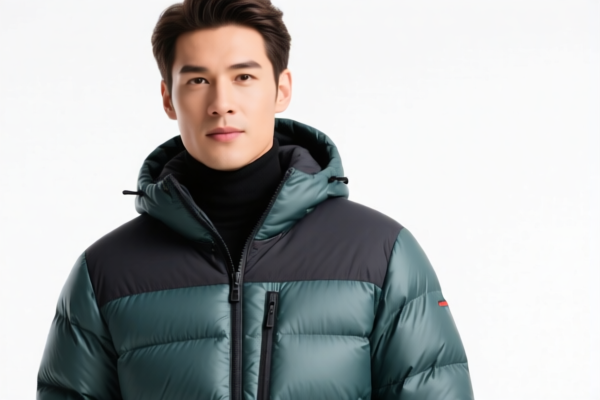
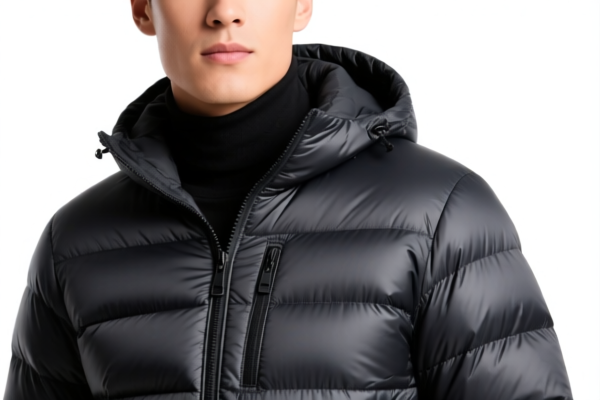
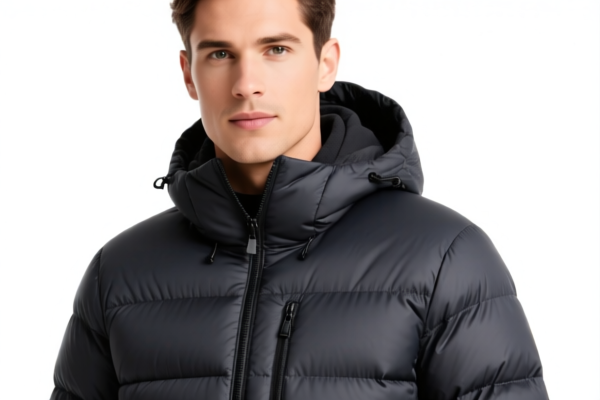
AI分析
🧥 Jacket Pocket (Garment Part / Pocket Component)
🌐 HS Code Reference & Customs Clearance Guide | 2026 Latest Tariff Analysis | Professional Clearance Strategy
📌 I. Product Definition and Classification: Do You Really Know "Jacket Pocket"?
A Jacket Pocket is a functional or decorative component of outerwear, commonly found on jackets, coats, and vests. It may be: - Integrated (sewn into the jacket body) - Detachable (zip-on or velcro-on pockets) - Material-specific (cotton, synthetic, blended)
In international trade, jacket pockets are classified based on: 1. Material composition (cotton, synthetic, blend) 2. Garment type (woven vs. knitted) 3. Functionality (decorative vs. functional)
⚠️ Key Differentiation: - If the pocket is part of a woven jacket →归类至 6217.90.90.25 / 6217.90.90.35 - If the pocket is part of a knitted jacket →归类至 6117.90.90.40 / 6117.90.90.50
📦 II. HS Code Classification Details (2026 Latest Tariff Reference)
| HS Code | Product Description | Application Scenario | Material Type |
|---|---|---|---|
6217.90.90.25 |
Jacket Part – Pocket (Woven Jacket) | Cotton or general textile jackets | Cotton or Generic Textile |
6217.90.90.35 |
Jacket Part – Pocket (Woven Jacket) | Synthetic or blended fabric pockets | Synthetic or Blend |
6117.90.90.40 |
Garment Accessory – Pocket (Knitted Jacket) | Cotton-based knitted jackets | Cotton or Cotton Blend |
6117.90.90.50 |
Garment Part – Pocket (Knitted Jacket) | Artificial fiber or blended fabric pockets | Artificial Fiber or Cotton Blend |
🔍 Critical Reminder:
- All pockets intended for jackets must be classified under 6217.90.90.25 / 6217.90.90.35 (woven) or 6117.90.90.40 / 6117.90.90.50 (knitted); - Misclassification can lead to higher tariffs and customs delays.
💰 III. 2026 Latest Tariff Rate Breakdown (Including Add-on Taxes & Policy Surcharges)
✅ Applicable Country: USA (US)
✅ Country of Origin: China (CN)
✅ Effective Date: From November 10, 2025 (for subsequent imports)
🎯 1. 6217.90.90.25 – Jacket Part (Woven, Cotton or General Textile)
| Item | Content |
|---|---|
| Base Tariff | 14.6% (ad valorem) |
| Section 301 Surcharge | +7.5% |
| Section 122 Tariff | +10% |
| Total Tariff Rate | 32.1% |
| Tax Calculation | CIF Value × 32.1% |
| De Minimis Exemption | ❌ Not Applicable |
| Legal Pathway | Section 301 → Section 122 → USITC:6217.90.90.25 |
📌 Explanation: - 14.6% is the standard MFN tariff; - 7.5% is the Section 301 surcharge on Chinese goods; - 10% is the Section 122 tariff under the International Emergency Economic Powers Act (IEEPA); - Total = 32.1%, which is very high and must be planned in advance!
🎯 2. 6217.90.90.35 – Jacket Part (Woven, Synthetic or Blend)
| Item | Content |
|---|---|
| Base Tariff | 14.6% |
| Section 301 Surcharge | +7.5% |
| Section 122 Tariff | +10% |
| Total Tariff Rate | 32.1% |
| Tax Calculation | CIF Value × 32.1% |
| De Minimis Exemption | ❌ Not Applicable |
| Legal Pathway | Section 301 → Section 122 → USITC:6217.90.90.35 |
📌 Note: - Same tariff as above; - Applies to all synthetic or blended fabric pockets for woven jackets.
🎯 3. 6117.90.90.40 – Garment Accessory (Knitted, Cotton)
| Item | Content |
|---|---|
| Base Tariff | 14.6% |
| Section 301 Surcharge | +7.5% |
| Section 122 Tariff | +10% |
| Total Tariff Rate | 32.1% |
| Tax Calculation | CIF Value × 32.1% |
| De Minimis Exemption | ❌ Not Applicable |
| Legal Pathway | Section 301 → Section 122 → USITC:6117.90.90.40 |
🎯 4. 6117.90.90.50 – Garment Part (Knitted, Synthetic or Blend)
| Item | Content |
|---|---|
| Base Tariff | 14.6% |
| Section 301 Surcharge | +7.5% |
| Section 122 Tariff | +10% |
| Total Tariff Rate | 32.1% |
| Tax Calculation | CIF Value × 32.1% |
| De Minimis Exemption | ❌ Not Applicable |
| Legal Pathway | Section 301 → Section 122 → USITC:6117.90.90.50 |
🛠️ IV. Customs Clearance Practical Advice (Risk Avoidance Guide)
✅ 1. Required Documentation Checklist (All Items Mandatory)
| Document | Required | Purpose |
|---|---|---|
| ✅ Product Specification Sheet | ✔️ | Material, size, function, attachment method |
| ✅ Technical Drawing or Photo | ✔️ | Show pocket shape, seams, and mounting |
| ✅ Commercial Invoice | ✔️ | Clearly state "Jacket Pocket" with HS Code |
| ✅ Packing List | ✔️ | Clarify if pockets are sold separately or with jackets |
| ✅ Certificate of Origin (CO) | ✔️ | For potential tariff exemptions |
| ✅ Third-party Test Report | ✔️ | If required (e.g., REACH, CPSIA) |
✅ 2. Declaration Tips (Key Formula)
🔥 "Material First, Structure Clear, Name Precise, Tariff Reduced!"
| Scenario | Correct Declaration | Wrong Practice |
|---|---|---|
| Pocket for woven jacket | 6217.90.90.25 or 6217.90.90.35 |
Report as "Garment Part" → 32.1% |
| Pocket for knitted jacket | 6117.90.90.40 or 6117.90.90.50 |
Report as "Accessory" → 32.1% |
| Pocket sold with jacket | Declare as "Jacket Part" | Split as "Clothing + Accessory" → 64.2% |
| Pocket made of mixed fabric | Specify material in invoice | Vague description → Delay or Penalty |
✅ 3. Special Cases Handling
| Situation | Recommendation |
|---|---|
| OEM Customized Pockets | Provide design drawings + client order to avoid misclassification |
| Detachable Pockets | Declare as "Garment Part" not "Accessory" |
| Pockets for Children's Jackets | May require CPSIA compliance; declare accordingly |
| Pockets with Special Function (e.g., heated, waterproof) | Provide technical specs to avoid "High-Tech Garment" classification |
🌍 V. Global Market Customs Comparison (2026 Latest)
| Country/Region | Recommended HS Code | Tariff Rate | Certification | Note |
|---|---|---|---|---|
| 🇺🇸 USA | 6217.90.90.25 / 6117.90.90.40 |
32.1% (China origin) | None | High tariff due to Section 301 + 122 |
| 🇨🇳 China | Same | 5% | CCC | No surcharges |
| 🇪🇺 EU | Same | 0–12% (depending on material) | CE + REACH | No Section 301 |
| 🇯🇵 Japan | Same | 0–10% | PSE | Lower tariff for natural fibers |
| 🇦🇺 Australia | Same | 5% | RCM | No surcharges |
📌 Conclusion:
- USA is the only market imposing Section 301 + Section 122 surcharges on Chinese textile parts; - Consider supply chain relocation to Vietnam, Mexico, or Thailand to avoid high tariffs.
📌 VI. Common Mistakes & Pitfalls (Lessons Learned)
❌ Mistake 1: Declaring pockets as "Garment Accessory" instead of "Jacket Part"
👉 Result: Same 32.1%, but may cause audit flags
❌ Mistake 2: Failing to distinguish between woven and knitted pockets
👉 Result: Misclassification, leading to 10–30% penalty + delay
❌ Mistake 3: Not specifying material in invoice
👉 Result: Customs holds shipment for further inspection
❌ Mistake 4: Declaring pockets as "Clothing" instead of "Parts"
👉 Result: Higher duty + compliance issues
✅ Best Practice:
"Jacket Pocket (Woven, Cotton), Model XYZ, HS Code 6217.90.90.25, China Origin, Section 301 Applicable"
🎯 VII. Conclusion: Precision Classification Saves Money!
🎯 Remember the Formula:
🔹 "Material & Type First, HS Code Right, Tariff 32.1%, Mistake Costly!"
🔹 "One Wrong Line, Penalty Over $5,000!"
📌 Pro Tip:
If your jacket pockets are sourced from Vietnam, Mexico, or Thailand, you may qualify for IEEPA exemption, reducing tariff to 0–5%.
👉 Apply for Advance Ruling before shipping to avoid surprises!
📣 Take Action Now:
📞 Contact professional customs broker + Provide product photos + Request HS Code Pre-Ruling
🚀 Ensure smooth clearance, reduced cost, and maximum profit!
✨ Professional Customs Clearance Starts with Accurate Classification!
💼 Every Dollar Saved is a Dollar Earned!
用户评价
关于 HS 编码归类
协调制度(HS)是由世界海关组织(WCO)制定的国际贸易商品分类标准。全球 200 多个国家采用 HS 系统作为海关关税、贸易统计和进出口监管的基础。
每个 HS 编码遵循以下层级结构:
- 章(2 位)——商品大类(例如:第 84 章:机器和机械设备)
- 品目(4 位)——章内的更具体分类
- 子目(6 位)——国际通用细分,所有 WCO 成员国统一使用
- 本国细分(8-10 位)——各国自行扩展的细分编码,如美国 HTSUS 10 位编码
正确的 HS 编码归类对于顺利通关、准确缴纳关税和遵守贸易法规至关重要。错误归类可能导致海关延误、多缴关税或罚款。
从CN进口到US时,适用的关税税率可能包括:
- 最惠国(MFN)税率——适用于 WTO 成员国的标准关税税率
- 普通税率——适用于无贸易协定国家
- 贸易救济关税——附加关税,如 301 条款(反倾销)、232 条款(国家安全)或反补贴税
本页内容仅供参考。如需正式归类,请咨询当地海关或持牌报关代理。