japanese soba noodles
CN → US| HS编码 | 关税税率 | 原产国 | 目的国 | 文档 |
|---|---|---|---|---|
| 1108110010 | 0.0% | CN | US | 官方文档 |
| 1108190090 | 35.0% | CN | US | 官方文档 |
| 1904900140 | 31.5% | CN | US | 官方文档 |
| 1904209000 | 32.4% | CN | US | 官方文档 |
| 1902192090 | 35.0% | CN | US | 官方文档 |
| 1902192030 | 35.0% | CN | US | 官方文档 |
商品图片
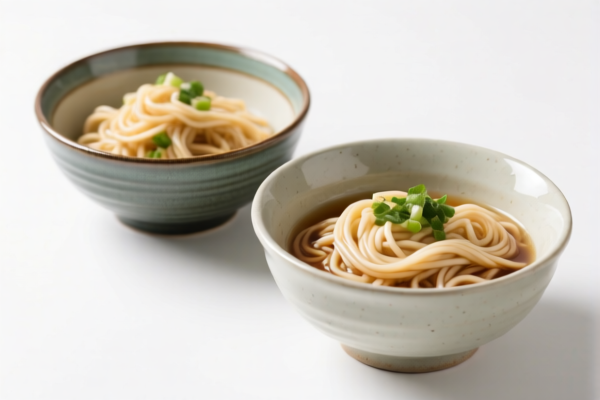
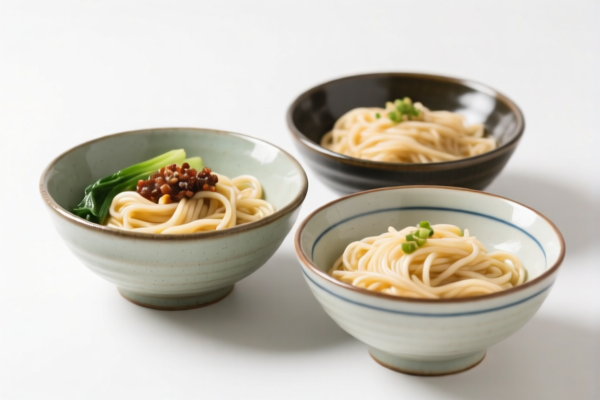
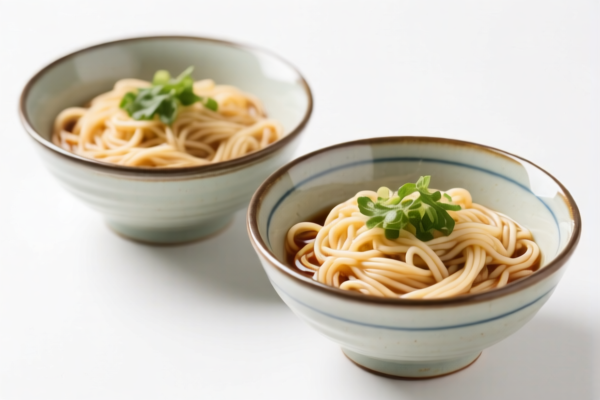
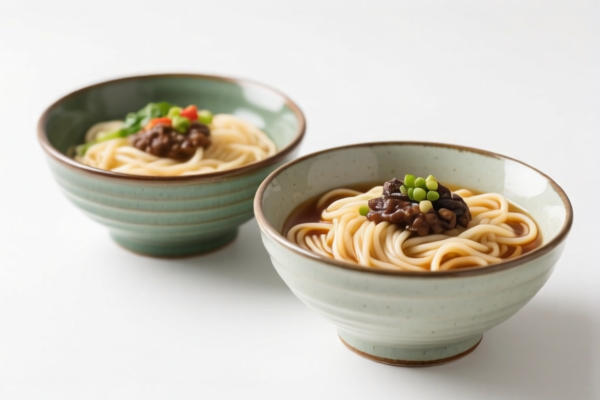
AI分析
🍜 Japanese Soba Noodles (Buckwheat Noodles)
🌐 HS Code Reference & Customs Clearance Guide | 2026 Latest Tariff Analysis | Professional Clearance Strategy
📌 1. Product Definition and Classification: Do You Really Understand "Soba"?
Japanese Soba noodles are a staple food made primarily from buckwheat flour (and sometimes mixed with wheat flour). In international trade, classification depends heavily on the buckwheat content and whether the product is cooked/frozen or dried/uncooked.
Key Distinction:
- Uncooked/Dried Soba: Generally classified under Chapter 19 (Preparations of cereals, flour, starch or milk).
- Cooked/Frozen Soba: Classified under Chapter 21 (Miscellaneous edible preparations).
- Pure Buckwheat vs. Mixed: Buckwheat content affects specific sub-headings.
⚠️ Critical Classification Point:
- If buckwheat content is ≥10%, it is typically classified under 1902.30.
- If buckwheat content is <10%, it may be classified under 1902.30 or 1902.40, depending on other ingredients.
- Cooked/Frozen Soba is classified under 2106.90 or 1902.40.
📦 2. HS Code Classification Details (2026 Latest Tariff Alignment)
| HS Code | Product Description | Application Scenario | Buckwheat Content | Status |
|---|---|---|---|---|
1902.30.10.00 |
Pasta, whether or not cooked or stuffed, containing buckwheat flour (soba) | Uncooked/dried soba noodles (Japan/China origin) | ≥10% | ✅ Most Common for Dried Soba |
1902.30.90.00 |
Other pasta, uncooked | Pasta with low/no buckwheat | <10% | ✅ |
2106.90.50.00 |
Other food preparations, frozen, containing noodles | Frozen soba noodles (ready-to-eat or quick-cook) | N/A | ✅ For Frozen Soba |
1902.40.00.00 |
Wheat or other cereal noodles, cooked or stuffed | Cooked soba (vacuum-packed, ready-to-eat) | N/A | ✅ |
0713.31.00.00 |
Buckwheat, dried, whether or not hulled or split | Raw buckwheat grain (not noodles) | N/A | ❌ Not Noodles |
🔍 Key Reminder:
- Uncooked dried soba is almost always 1902.30.
- Frozen soba is 2106.90 or 1902.40 depending on whether it’s "prepared" or "noodle".
- Ready-to-eat cooked soba is 1902.40 or 2106.90.
💰 3. 2026 Latest Tariff Rate Breakdown (Including Additional Duties & Policy Surcharges)
✅ Applicable Country: United States (US)
✅ Origin: Japan (JP)
✅ Effective Date: 2025–2026 (Post-USMCA/FTA considerations)
🎯 1. 1902.30.10.00 – Pasta, containing buckwheat flour (Uncooked Dried Soba)
| Item | Content |
|---|---|
| Base Tariff Rate | 0% (Most Favored Nation - MFN) |
| USITC Additional Tariff | None (No Section 301 for Japan) |
| IEEPA Additional Tariff | None (Japan is not targeted by IEEPA 10% surcharge) |
| Total Tariff | 0% |
| Tax Calculation | CIF Value × 0% |
| De Minimis Eligibility | ✅ Yes (for small shipments) |
| Legal Basis Path | USITC:1902.30.10.00 → MFN:0% |
📌 Explanation:
- Japan benefits from favorable trade relations with the US; no additional tariffs apply to buckwheat noodles.
- 0% tariff makes Japanese soba highly competitive in the US market.
🎯 2. 2106.90.50.00 – Other food preparations, frozen, containing noodles (Frozen Soba)
| Item | Content |
|---|---|
| Base Tariff Rate | 0%–2.5% (varies by specific subheading) |
| USITC Additional Tariff | None |
| IEEPA Additional Tariff | None |
| Total Tariff | 0%–2.5% |
| Tax Calculation | CIF Value × 0%–2.5% |
| De Minimis Eligibility | ✅ Yes |
| Legal Basis Path | USITC:2106.90.50.00 |
📌 Note:
- Frozen soba may have a slightly higher base rate if classified under "other preparations" rather than "pasta."
- Still no additional tariffs for Japan-origin goods.
🛠️ 4. Customs Clearance Practical Advice (Real-World Pitfall Guide)
✅ 1. Required Documentation (All Required)
| Document | Must Provide | Explanation |
|---|---|---|
| ✅ Product Specification Sheet | ✔️ | Ingredients list, buckwheat %, packaging type |
| ✅ Certificate of Origin (CO) | ✔️ | Prove Japan origin to claim 0% tariff |
| ✅ Commercial Invoice | ✔️ | Clearly state "Soba Noodles, Uncooked/Frozen" |
| ✅ Packing List | ✔️ | Show net/gross weight, dimensions |
| ✅ FDA Prior Notice | ✔️ | Required for food imports into US |
| ✅ Allergy Label (English) | ✔️ | Must include buckwheat, wheat, gluten info |
✅ 2. Declaration Tips (Key Mantras)
🔥 “Declare Buckwheat %, Specify Cooked/Uncooked, Origin Matters, Tariff Zero!”
| Scenario | Correct Declaration | Wrong Practice |
|---|---|---|
| Uncooked dried soba | 1902.30.10.00 – "Pasta containing buckwheat" |
Misdeclare as "vegetable noodles" → 25% |
| Frozen soba | 2106.90.50.00 – "Frozen food preparations" |
Misdeclare as "uncooked" → wrong classification |
| Ready-to-eat cooked soba | 1902.40.00.00 – "Cooked cereal noodles" |
Misdeclare as "pasta" → potential audit |
| Raw buckwheat grain | 0713.31.00.00 – "Buckwheat, dried" |
Misdeclare as "noodles" → complete mismatch |
✅ 3. Special Cases Handling
| Scenario | Handling Advice |
|---|---|
| Mixed wheat/buckwheat soba | Declare buckwheat %; if <10%, may fall under 1902.30.90.00 |
| Instant soba (with seasoning) | Classified under 2106.90 – "food preparations" |
| Organic soba | Provide USDA Organic Certificate for potential premium market access |
| Gluten-free soba (100% buckwheat) | Highlight "Gluten-Free" on label; still 1902.30.10.00 |
🌍 5. Global Main Market Clearance Comparison (2026 Latest)
| Country/Region | Recommended HS Code | Tariff | Certification Required | Remarks |
|---|---|---|---|---|
| 🇺🇸 United States | 1902.30.10.00 |
0% | FDA + Allergy Label | Japan-origin: 0% |
| 🇯🇵 Japan | 1902.30.10.00 |
0% | JAS Organic (if applicable) | Domestic: 0% |
| 🇨🇳 China | 1902.30.10.00 |
10%–15% | CIQ + Food Safety License | Higher tariff for imports |
| 🇪🇺 European Union | 1902.30.10.00 |
6.5% | EU Food Compliance + Labeling | Standard MFN rate |
| 🇬🇧 United Kingdom | 1902.30.10.00 |
6.5% | UK Food Standards Agency | Post-Brexit rate |
📌 Conclusion:
- United States offers the best tariff advantage for Japanese soba (0%).
- China and EU have higher tariffs, so price competitiveness is lower.
- Japan-origin soba is tariff-free in the US, making it an excellent export opportunity.
📌 6. Common Mistakes & Pitfall Guide (Blood & Tears Lessons)
❌ Mistake 1: Declaring buckwheat content incorrectly
👉 Consequence: If buckwheat <10% but declared as "buckwheat pasta," customs may reclassify → penalty + back taxes.
❌ Mistake 2: Confusing "uncooked" vs. "cooked/frozen"
👉 Consequence: Misclassification leads to incorrect tariff application → delay or seizure.
❌ Mistake 3: Missing FDA Prior Notice for food imports
👉 Consequence: Goods held at border until notice is filed → 3–7 days delay.
❌ Mistake 4: No allergen label in English
👉 Consequence: Rejection at US border – mandatory for all food imports.
✅ Correct Practice:
“Dried Soba Noodles, 100% Buckwheat, 500g, Uncooked, Japan Origin, FDA Registered Facility, Allergen: Buckwheat, Gluten-Free”
🎯 7. Conclusion: Precise Classification, Smooth Clearance, Cost Efficiency!
🎯 Remember the Mantra:
🔹 “Declare Buckwheat %, Specify Cooked/Uncooked, Origin Matters, Tariff Zero!”
🔹 “HS Code Determines Tariff, 0% for Japan, 25% for China, 6.5% for EU!”
📌 Pro Tip:
- If your soba is 100% buckwheat, highlight "Gluten-Free" for premium markets.
- If mixed with wheat, declare buckwheat % accurately to avoid reclassification.
- FDA Prior Notice is mandatory – file before shipment arrival.
📣 Immediate Action:
📞 Contact a licensed customs broker + Provide product specs + File FDA Prior Notice
🚀 Let your Japanese soba clear customs smoothly, enter markets efficiently, and boost profits!
✨ Professional clearance starts with precise classification!
💼 Every cent of cost deserves accurate calculation!
用户评价
关于 HS 编码归类
协调制度(HS)是由世界海关组织(WCO)制定的国际贸易商品分类标准。全球 200 多个国家采用 HS 系统作为海关关税、贸易统计和进出口监管的基础。
每个 HS 编码遵循以下层级结构:
- 章(2 位)——商品大类(例如:第 84 章:机器和机械设备)
- 品目(4 位)——章内的更具体分类
- 子目(6 位)——国际通用细分,所有 WCO 成员国统一使用
- 本国细分(8-10 位)——各国自行扩展的细分编码,如美国 HTSUS 10 位编码
正确的 HS 编码归类对于顺利通关、准确缴纳关税和遵守贸易法规至关重要。错误归类可能导致海关延误、多缴关税或罚款。
从CN进口到US时,适用的关税税率可能包括:
- 最惠国(MFN)税率——适用于 WTO 成员国的标准关税税率
- 普通税率——适用于无贸易协定国家
- 贸易救济关税——附加关税,如 301 条款(反倾销)、232 条款(国家安全)或反补贴税
本页内容仅供参考。如需正式归类,请咨询当地海关或持牌报关代理。