kelp basket
CN → US| HS编码 | 关税税率 | 原产国 | 目的国 | 文档 |
|---|---|---|---|---|
| 3923900012 | 38.0% | CN | US | 官方文档 |
| 7323999080 | 88.4% | CN | US | 官方文档 |
| 4602191200 | 40.8% | CN | US | 官方文档 |
| 4602191600 | 40.0% | CN | US | 官方文档 |
| 3923900080 | 38.0% | CN | US | 官方文档 |
商品图片
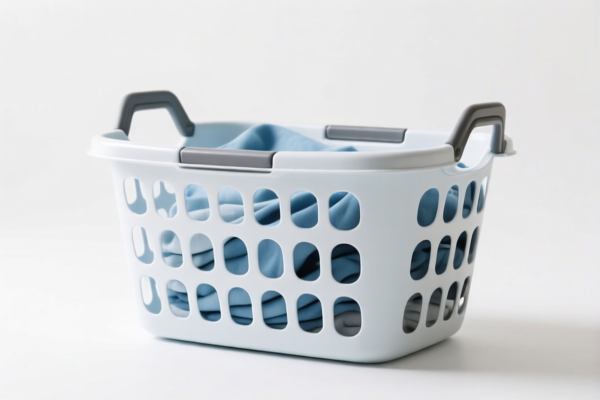
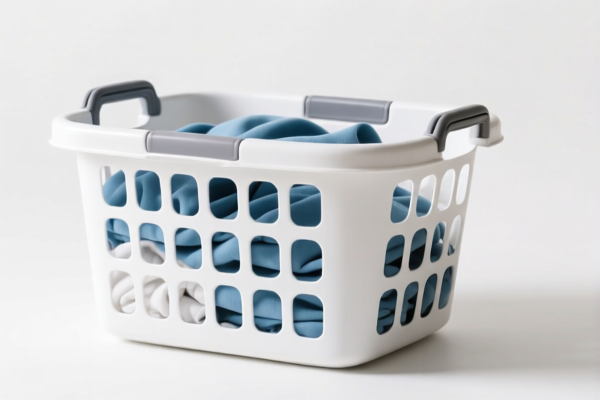
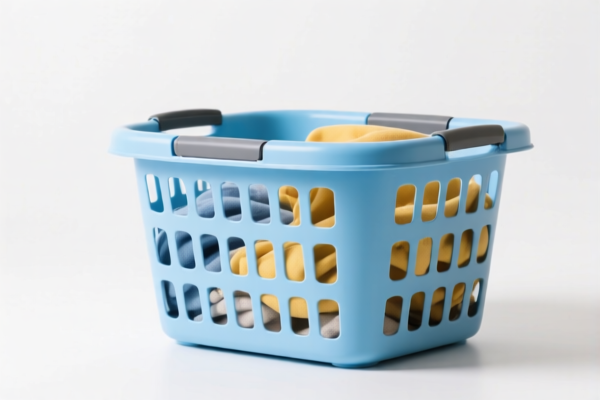
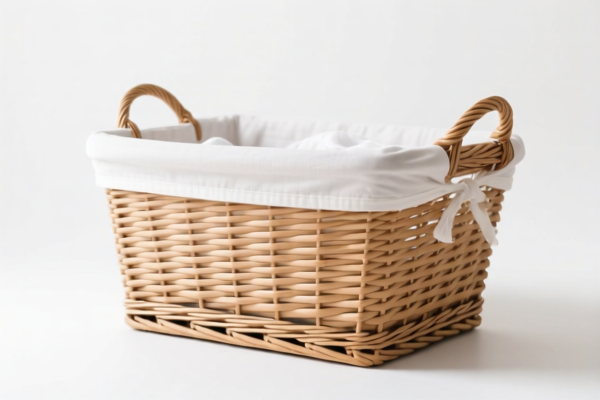
AI分析
🛍️ Kelp Basket (Seaweed Basket)
🌐 HS Code Reference & Customs Clearance Guide | 2026 Latest Tariff Analysis | Professional Entry Strategy
📌 I. Product Definition & Classification: What Exactly is a "Kelp Basket"?
In international trade, "Kelp Basket" is a functional term describing a container used for packaging or holding kelp/seaweed. However, Customs classifies goods by material and manufacturing process, not just by their intended use or content.
The "Kelp Basket" can fall into three distinct HS Code categories depending on its physical composition: 1. Plastic Material: Synthetic, molded, or formed plastic containers. 2. Ferrous/Steel Material: Iron or steel containers, often used for heavy-duty or industrial packaging. 3. Vegetable Fibers (Woven): Baskets made from natural plant fibers (such as dried kelp strands, reeds, or other vegetable materials) woven together.
⚠️ Key Classification Point:
- If made of plastic → Go to Chapter 39 (Plastics)
- If made of steel/iron → Go to Chapter 73 (Articles of Iron or Steel)
- If made of woven plant fibers → Go to Chapter 46 (Vegetable Plaiting Materials)
📦 II. HS Code Classification Details (2026 Latest Tariff Authority)
| HS Code | Product Description | Applicable Scenario | Material Type |
|---|---|---|---|
3923.90.00.12 |
Plastic baskets/containers for packaging | Retail packaging, lightweight kelp bags | ✅ Plastic |
3923.90.00.80 |
Other plastic articles (non-specific containers) | Generic plastic containers not specified elsewhere | ✅ Plastic |
7323.99.90.80 |
Iron or steel kitchen/household articles | Heavy-duty, industrial, or reusable steel baskets | ✅ Steel/Iron |
4602.19.12.00 |
Woven vegetable fiber baskets (e.g., kelp/reed) | Traditional woven baskets, eco-friendly packaging | ✅ Plant Fiber |
4602.19.16.00 |
Other vegetable material woven baskets | General woven plant-fiber baskets | ✅ Plant Fiber |
🔍 Critical Reminder:
- Plastic vs. Steel: Plastic is significantly cheaper to import due to lower tariffs (38%), while Steel carries a massive tariff burden (88.4%) due to Section 232/301 duties.
- Woven vs. Molded: If the basket is woven from natural fibers (like dried kelp strands), it must be classified under 4602, not 39 or 73. Misclassification here can lead to delays.
💰 III. 2026 Latest Tariff Rate Breakdown (Including Surcharges)
✅ Applicable Country: United States (US)
✅ Origin: China (CN)
✅ Effective Date: 2025/2026 (Current Trade Policies)
🎯 1. Plastic Kelp Baskets (3923.90.00.12 / 3923.90.00.80)
Best choice for cost efficiency.
| Item | Details |
|---|---|
| Basic Tariff | 3.0% |
| Additional Tariff (Section 301) | +25.0% |
| Section 122 Tariff | +10.0% |
| Total Tax Rate | 38.0% |
| Tax Calculation | CIF Value × 38% |
| De Minimis Exemption | ❌ Not Eligible (High risk of seizure if under $800) |
| Legal Basis | USITC:3923.90.00.12 → Footnote:301 → 122Clause |
📌 Explanation:
- Plastics are subject to standard Section 301 tariffs.
- The 38% total rate is manageable compared to steel, making this the most common classification for retail kelp packaging.
🎯 2. Steel/Iron Kelp Baskets (7323.99.90.80)
High cost, high barrier.
| Item | Details |
|---|---|
| Basic Tariff | 3.4% |
| Additional Tariff (Section 301) | +25.0% |
| Section 122 Tariff | +10.0% |
| Steel/Aluminum/Copper Surcharge | +50.0% |
| Total Tax Rate | 88.4% |
| Tax Calculation | CIF Value × 88.4% |
| De Minimis Exemption | ❌ Not Eligible |
| Legal Basis | USITC:7323.99.90.80 → SteelSurcharge50% → 301 → 122 |
📌 Warning:
- This is the most expensive category.
- The 50% additional tariff is specifically for steel/aluminum products under recent trade actions.
- Only use this classification if the basket is explicitly metal. Do not attempt to declare plastic as steel to avoid plastic-specific rules; the physical inspection will catch it.
🎯 3. Woven Vegetable Fiber Kelp Baskets (4602.19.12.00 / 4602.19.16.00)
Niche, eco-friendly, moderate cost.
| Item | Details |
|---|---|
| Basic Tariff | 5.0% - 5.8% |
| Additional Tariff (Section 301) | +25.0% |
| Section 122 Tariff | +10.0% |
| Total Tax Rate | 40.0% - 40.8% |
| Tax Calculation | CIF Value × ~40% |
| De Minimis Exemption | ❌ Not Eligible |
| Legal Basis | USITC:4602.19 → 301 → 122 |
📌 Explanation:
- If the basket is made from woven kelp strands or other plant fibers, it falls under Chapter 46.
- Rates are similar to plastic (~40%), but proof of material composition is required (photos, specs).
- Sub-code.12.00is for specific woven vegetable fiber baskets;.16.00is for general vegetable material baskets.
🛠️ IV. Customs Clearance Practical Advice (Pitfall Avoidance)
✅ 1. Document Checklist (Mandatory)
| Document | Required | Notes |
|---|---|---|
| ✅ Product Specification Sheet | ✔️ | Must clearly state Material Composition (e.g., "100% LDPE Plastic" or "Woven Dried Kelp") |
| ✅ Product Photos | ✔️ | Show texture, structure, and any labels. For woven baskets, show the weave pattern. |
| ✅ Commercial Invoice | ✔️ | Describe as "Plastic Packaging Basket" or "Woven Kelp Basket", NOT just "Kelp Basket" |
| ✅ Packing List | ✔️ | Confirm net/gross weight. Steel baskets are heavy; ensure weight matches HS code logic. |
| ✅ Material Proof | ✔️ | For Chapter 46 (Woven), provide fiber analysis report if requested. |
✅ 2. Declaration Tips (Key Mnemonic)
🔥 "Material First, Use Second. Plastic 38%, Steel 88%, Woven 40%!"
| Scenario | Correct HS Code | Common Mistake | Consequence |
|---|---|---|---|
| Plastic Container | 3923.90.00.12 |
Declaring as "Basket" (Ch 46) | Delayed inspection, fine for wrong classification |
| Steel Basket | 7323.99.90.80 |
Declaring as "Plastic" | Seizure, penalty, 88.4% back-payment |
| Woven Kelp Basket | 4602.19.12.00 |
Declaring as "Plastic" | Refusal of entry (wrong material) |
| Mixed Materials | Varies | Splitting shipment | Higher administrative burden, potential rejection |
✅ 3. Special Circumstances Handling
| Situation | Recommendation |
|---|---|
| Eco-Friendly Marketing | If claiming "Biodegradable Kelp Basket," ensure it is woven plant fiber (4602), not plastic. Plastic cannot be marketed as biodegradable without certification. |
| Steel Reuse | If steel baskets are returned/empty, they may qualify for return goods status, but initial import still incurs 88.4%. |
| Small Samples | Do not use De Minimis ($800 exemption) for steel or plastic baskets from China. US Customs is aggressive on Section 301 goods in packages. |
🌍 V. Global Market Comparison (2026)
| Country/Region | Recommended HS Code | Tariff Rate | Notes |
|---|---|---|---|
| 🇺🇸 USA | 3923.90.00.12 (Plastic) |
38% | High tariffs due to 301/122 clauses. |
| 🇨🇳 China | 3923.90.00.12 |
~5-10% | No Section 301/122. Low cost. |
| 🇪🇺 EU | 3923.90.00.12 |
~4-6% | No Section 301. Standard MFN rate. |
| 🇬🇧 UK | 3923.90.00.12 |
~4-6% | Post-Brexit trade deals may apply. |
📌 Conclusion:
- The US market is the most challenging due to the 38-88% tariff range.
- Plastic is the most economical classification.
- Steel is rarely used for kelp packaging due to cost unless for industrial transport.
📌 VI. Common Errors & Pitfalls (Blood & Tears Lessons)
❌ Error 1: Declaring a plastic basket as "Woven Basket" (4602) to avoid higher plastic rules.
👉 Result: Customs lab test shows it's plastic. Penalty + Back Taxes.
❌ Error 2: Declaring a steel basket as "Plastic" to save on tariffs.
👉 Result: X-ray will detect metal. 100% Seizure + Fine.
❌ Error 3: Using "Kelp Basket" as the only description.
👉 Result: Ambiguous. Customs will ask for clarification, causing 2-4 week delays.
✅ Correct Approach:
"Plastic Kelp Packaging Basket, 100% LDPE, Food Grade, For Retail Use. HS: 3923.90.00.12"
🎯 VII. Conclusion: Professional Declaration, Cost Saving!
🎯 Remember the Formula:
🔹 Plastic = 38% (Cheapest, Most Common)
🔹 Woven Fiber = 40% (Eco-friendly, Similar Cost)
🔹 Steel = 88.4% (Avoid if possible!)🔹 "Know your material, declare it right, save 50% on duties!"
📌 Pro Tip:
If you are importing large volumes, consider Advance Rulings with US CBP to confirm the HS code pre-import. This protects you from surprise audits.
📣 Immediate Action:
📞 Verify material composition with your supplier.
📄 Prepare photos and specs.
🚀 Declare with the correct HS Code to ensure smooth customs clearance.
✨ Professional Customs Clearance Starts with Accurate Classification!
💼 Every percentage point of tax savings is pure profit!
用户评价
关于 HS 编码归类
协调制度(HS)是由世界海关组织(WCO)制定的国际贸易商品分类标准。全球 200 多个国家采用 HS 系统作为海关关税、贸易统计和进出口监管的基础。
每个 HS 编码遵循以下层级结构:
- 章(2 位)——商品大类(例如:第 84 章:机器和机械设备)
- 品目(4 位)——章内的更具体分类
- 子目(6 位)——国际通用细分,所有 WCO 成员国统一使用
- 本国细分(8-10 位)——各国自行扩展的细分编码,如美国 HTSUS 10 位编码
正确的 HS 编码归类对于顺利通关、准确缴纳关税和遵守贸易法规至关重要。错误归类可能导致海关延误、多缴关税或罚款。
从CN进口到US时,适用的关税税率可能包括:
- 最惠国(MFN)税率——适用于 WTO 成员国的标准关税税率
- 普通税率——适用于无贸易协定国家
- 贸易救济关税——附加关税,如 301 条款(反倾销)、232 条款(国家安全)或反补贴税
本页内容仅供参考。如需正式归类,请咨询当地海关或持牌报关代理。