kitchen shelf
CN → US| HS编码 | 关税税率 | 原产国 | 目的国 | 文档 |
|---|---|---|---|---|
| 7323999080 | 88.4% | CN | US | 官方文档 |
| 4420110010 | 13.2% | CN | US | 官方文档 |
| 3924905650 | 20.9% | CN | US | 官方文档 |
| 7323999030 | 88.4% | CN | US | 官方文档 |
| 4420110030 | 13.2% | CN | US | 官方文档 |
商品图片
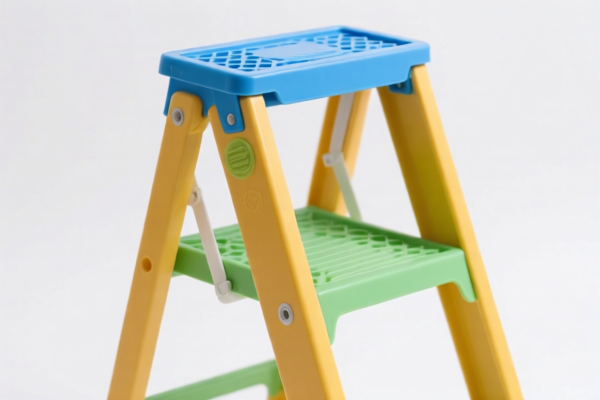

AI分析
🏠 Kitchen Shelf (Kitchen Storage & Organizers)
🌐 HS Code Reference & Customs Clearance Guide | 2024/2026 Latest Tariff Analysis | Professional Classification Strategy
📌 I. Product Definition & Classification: Do You Really Understand “Kitchen Shelves”?
A "Kitchen Shelf" is a broad term in international trade. It does not refer to a single specific commodity but rather a category of storage units used in domestic environments. The correct HS Code classification depends entirely on two critical factors: 1. Material: Is it made of metal (iron/steel), wood/bamboo, or plastic? 2. Specific Use/Design: Is it a general storage rack, a food-contact utensil holder, or a structural bracket?
Misclassification is highly risky because the tariff rates vary drastically (from 13.2% to 88.4%) depending on the material.
⚠️ Key Distinction Points:
- If the primary material is Iron or Steel →归入 Chapter 73 (Articles of Iron or Steel).
- If the primary material is Wood or Bamboo → 归入 Chapter 44 (Wood and Articles of Wood).
- If the primary material is Plastic → 归入 Chapter 39 (Articles of Plastic).
📦 II. HS Code Classification Details (Based on Provided Data)
The following classifications are derived strictly from the provided dataset, covering the three main material categories for kitchen shelves/racks.
| HS Code | Material Focus | Classification Summary | Total Tax Rate | Key Tax Components |
|---|---|---|---|---|
7323.99.90.80 |
Iron/Steel | Based on kitchen use & iron/steel material inference | 88.4% | Base: 3.4%, Sec. 301: 25%, 232 Tariff: 50% |
7323.99.90.30 |
Iron/Steel | Based on food contact use & metal material | 88.4% | Base: 3.4%, Sec. 301: 25%, 232 Tariff: 50% |
4420.11.00.10 |
Wood/Bamboo | Based on kitchen use & wooden/bamboo bracket form | 13.2% | Base: 3.2%, Sec. 301: 0%, Other: 10% |
4420.11.00.30 |
Wood/Bamboo | Based on tableware accessory use & wooden/bamboo material | 13.2% | Base: 3.2%, Sec. 301: 0%, Other: 10% |
3924.90.56.50 |
Plastic | Based on kitchen utility & plastic "catch-all" nature | 20.9% | Base: 3.4%, Sec. 301: 7.5%, Other: 10% |
🔍 Critical Note:
- Metal Shelves (7323...) attract the highest tariffs due to the combination of Base Tariff, Section 301 Tariffs (25%), and Section 232 Tariffs (50% for steel/aluminum/copper products).
- Wooden/Bamboo Shelves (4420...) are the most tax-efficient option, avoiding Section 301 tariffs.
- Plastic Shelves (3924...) fall into an intermediate category with moderate Section 301 exposure.
💰 III. 2024/2026 Latest Tariff Rate Breakdown (Detailed Explanation)
✅ Applicable Country: United States (US)
✅ Origin: China (CN)
✅ Effective Date: Current applicable rates as per provided data
🎯 1. 7323.99.90.80 & 7323.99.90.30 — Iron/Steel Kitchen Shelving (High Risk)
| Item | Detail |
|---|---|
| Basic Tariff | 3.4% |
| Section 301 Tariff | +25.0% (Trade Remedy Tariffs) |
| Section 232 Tariff | +50.0% (Steel, Aluminum, Copper Products) |
| Total Tariff Rate | 88.4% |
| Calculation Basis | CIF Value × 88.4% |
| Legal Basis Path | HTSUS 7323.99.90 → IEEPA Footnotes (Sec. 301) + USITC Sec. 232 Decisions |
📌 Explanation:
- This is the most expensive classification.
- The 50% Section 232 Tariff applies specifically to steel and aluminum products, which significantly impacts kitchenware made of iron or steel.
- Combined with the 25% Section 301 tariff, the total burden is nearly doubling the product cost.
🎯 2. 4420.11.00.10 & 4420.11.00.30 — Wood/Bamboo Shelving (Cost-Efficient)
| Item | Detail |
|---|---|
| Basic Tariff | 3.2% |
| Section 301 Tariff | 0.0% (Exempt or Not Applied in this specific subheading context) |
| Other Add-ons | +10.0% (General trade or specific policy add-on) |
| Total Tariff Rate | 13.2% |
| Calculation Basis | CIF Value × 13.2% |
| Legal Basis Path | HTSUS 4420.11 → General Customs Duties |
📌 Explanation:
- Wooden and bamboo kitchen accessories often benefit from lower geopolitical tariff pressures.
- The absence of the 25% Section 301 tariff makes this a highly competitive classification for importers.
🎯 3. 3924.90.56.50 — Plastic Kitchen Shelving (Moderate)
| Item | Detail |
|---|---|
| Basic Tariff | 3.4% |
| Section 301 Tariff | +7.5% |
| Other Add-ons | +10.0% |
| Total Tariff Rate | 20.9% |
| Calculation Basis | CIF Value × 20.9% |
| Legal Basis Path | HTSUS 3924.90 → IEEPA Footnotes (Sec. 301 partial application) |
📌 Explanation:
- Plastic goods are generally subject to Section 301 tariffs, but the rate here is lower (7.5%) compared to steel (25%).
- This makes plastic shelves a mid-range cost option.
🛠️ IV. Customs Clearance Practical Advice (Pitfall Avoidance Guide)
✅ 1. Material Verification is Critical
| Scenario | Correct Classification | Risk if Incorrect |
|---|---|---|
| Metal Rack (Iron/Steel) | 7323.99.90.80 or .30 |
Under-declaration penalty + Back taxes (~88.4%) |
| Wooden Rack | 4420.11.00.10 |
If misclassified as metal, tax jumps to 88.4% |
| Plastic Rack | 3924.90.56.50 |
If misclassified as wood, tax drops to 13.2% (Underpayment Risk) |
| Mixed Material | Main Material Rule | Must declare the component giving the "essential character" |
💡 Pro Tip:
- If a shelf has a wooden frame with metal brackets, determine which material provides the essential character. Usually, the structural frame (wood) dictates the classification unless the metal parts are significant in cost/visibility. - If a shelf has metal racks with plastic baskets, the classification depends on the primary structure.
✅ 2. Documentation Requirements
| Document | Requirement | Notes |
|---|---|---|
| Commercial Invoice | Must state "Kitchen Shelf" + Material | Do not use vague terms like "Storage Unit" |
| Product Photos | Clear view of material texture | To prove it is wood, metal, or plastic |
| Material Declaration | Explicitly state % of materials | e.g., "Frame: Bamboo, Hooks: Stainless Steel" |
| Bill of Lading | Match invoice description | Consistency is key for CBP audits |
✅ 3. Special Considerations for "Food Contact" Items
- If the shelf is used to hold food directly (e.g., a spice rack or plate dryer), customs may scrutinize it under food contact regulations (FDA compliance in the US).
- While HS Code
7323.99.90.30mentions "food contact use," the tariff rate remains 88.4%. Ensure you have FDA registration or compliance certificates to avoid detention at the border.
🌍 V. Global Market Comparison (General Insight)
| Market | Likely HS Code | Est. Tariff | Note |
|---|---|---|---|
| USA | 7323 / 4420 / 3924 |
13.2% - 88.4% | High Section 301/232 impact |
| EU | Varies by Material | 0% - 6.5% | No Section 301; stricter REACH/FDA |
| China | Varies by Material | 0% - 10% | Import duties on finished goods |
📌 Conclusion:
- The US market is the most challenging due to the layered tariffs on steel (Section 232 + 301).
- For exporters targeting the US, Wood/Bamboo (4420) or Plastic (3924) shelves offer significantly better profit margins than Steel (7323).
📌 VI. Common Mistakes & Pitfalls (Lessons Learned)
❌ Mistake 1: Declaring a Steel Shelf as "Wood" to avoid 88.4% tax
👉 Consequence: Customs inspection reveals steel texture → Confiscation + Heavy Fines.
❌ Mistake 2: Ignoring the "Essential Character" of mixed-material shelves
👉 Consequence: If you declare a bamboo shelf with steel hooks as 4420, but the steel is the main value driver, CBP may reclassify it to 7323 → Back Taxes + Interest.
❌ Mistake 3: Using generic terms like "Shelf" without material specification
👉 Consequence: CBP may apply the highest dutiable rate by default or hold the cargo for classification review → Delays.
✅ Correct Approach:
"Wooden Kitchen Shelf with Metal Hooks, Bamboo Frame, Plastic Baskets, Model XYZ, Designed for Dish Storage"
🎯 VII. Conclusion: Professional Declaration, Cost Optimization
🎯 Remember the Golden Rules:
🔹 "Material Determines Code, Code Determines Cost!"
🔹 "Steel is Expensive (88.4%), Wood is Smart (13.2%), Plastic is Balanced (20.9%)."
🔹 "Declare Accurately to Avoid Seizures and Back Taxes!"
📌 Small Tip:
If you are manufacturing Metal Shelves, consider shifting production to countries not subject to Section 232 or 301 tariffs, or re-engineering the product to use Bamboo/Wood as the primary structural material to reduce duties from 88.4% to 13.2%.
📣 Immediate Action:
📞 Consult a Licensed Customs Broker before shipping.
📦 Provide Material Breakdown in your commercial invoice.
🚀 Optimize Your Supply Chain to align with the most favorable HS Code for your product.
✨ Professional Clearance Starts with Accurate Classification!
💼 Every Percentage Point of Tariff Impacts Your Bottom Line!
用户评价
关于 HS 编码归类
协调制度(HS)是由世界海关组织(WCO)制定的国际贸易商品分类标准。全球 200 多个国家采用 HS 系统作为海关关税、贸易统计和进出口监管的基础。
每个 HS 编码遵循以下层级结构:
- 章(2 位)——商品大类(例如:第 84 章:机器和机械设备)
- 品目(4 位)——章内的更具体分类
- 子目(6 位)——国际通用细分,所有 WCO 成员国统一使用
- 本国细分(8-10 位)——各国自行扩展的细分编码,如美国 HTSUS 10 位编码
正确的 HS 编码归类对于顺利通关、准确缴纳关税和遵守贸易法规至关重要。错误归类可能导致海关延误、多缴关税或罚款。
从CN进口到US时,适用的关税税率可能包括:
- 最惠国(MFN)税率——适用于 WTO 成员国的标准关税税率
- 普通税率——适用于无贸易协定国家
- 贸易救济关税——附加关税,如 301 条款(反倾销)、232 条款(国家安全)或反补贴税
本页内容仅供参考。如需正式归类,请咨询当地海关或持牌报关代理。