label flag
CN → US| HS编码 | 关税税率 | 原产国 | 目的国 | 文档 |
|---|---|---|---|---|
| 4821102000 | 35.0% | CN | US | 官方文档 |
| 4821902000 | 35.0% | CN | US | 官方文档 |
| 3926909989 | 22.8% | CN | US | 官方文档 |
| 3926909910 | 22.8% | CN | US | 官方文档 |
| 5807100510 | 42.9% | CN | US | 官方文档 |
| 5807100520 | 42.9% | CN | US | 官方文档 |
商品图片

AI分析
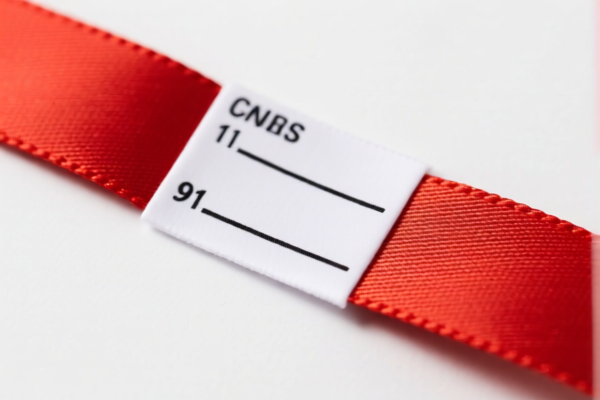
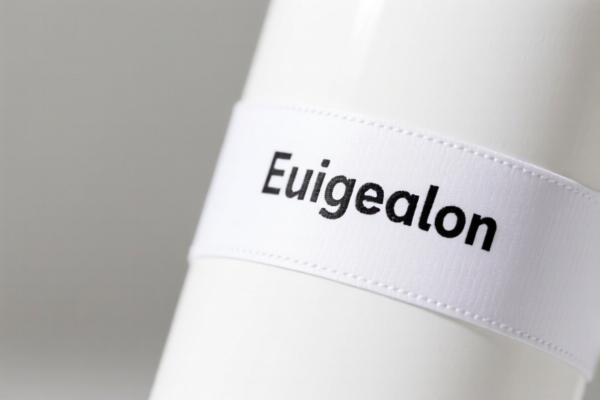
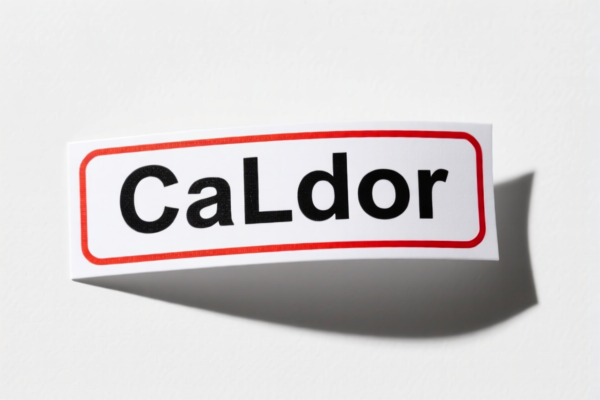
🏷️ Label & Flag (Paper, Textile, and Plastic)
🌐 HS Code Reference & Customs Clearance Guide | 2026 Latest Tariff Analysis | Professional Clearance Strategy
📌 I. Product Definition & Classification: Do You Really Understand "Labels"?
In international trade, "Labels" are not a single entity. They are strictly divided by material and application. Misclassification here is the #1 cause of customs delays and unexpected tax bills.
1. Paper & Paperboard Labels (The Most Common):
- Includes printed labels, hangtags, and adhesive paper labels.
- Key Distinction: Is it printed by a lithographic process? Is it self-adhesive?
2. Textile Labels (Woven/Non-Embroidered):
- Includes fabric hangtags, care labels, and woven flags.
- Key Distinction: Material (Cotton vs. Man-made fibers).
3. Plastic Labels & Other Articles:
- Includes PVC labels, plastic hangtags, or non-textile/plastic badge-like articles.
- Key Distinction: If it doesn’t fit Paper or Textile headings, it often falls under Chapter 39 (Plastics).
⚠️ Critical Distinction Point:
- If it is Paper with print → Go to HS 4821.
- If it is Fabric woven → Go to HS 5807.
- If it is Plastic and doesn't fit other specific headings → Go to HS 3926.
📦 II. HS Code Classification Details (2026 Latest Tariff Cross-Reference)
Below are the exact HS Codes extracted from your provided data, with their corresponding descriptions and tax implications.
| HS Code | Product Description | Material Type | Key Feature |
|---|---|---|---|
4821.10.20.00 |
Paper and paperboard labels, printed by lithographic process | Paper/Paperboard | Litho-printed |
4821.90.20.00 |
Paper and paperboard labels, Other: Self-adhesive | Paper/Paperboard | Self-adhesive (Glue-back) |
5807.10.05.10 |
Textile labels: Woven, Of cotton or man-made fibers | Cotton | 100% Cotton |
5807.10.05.20 |
Textile labels: Woven, Of cotton or man-made fibers | Man-Made Fibers | Polyester, Nylon, etc. |
3926.90.99.89 |
Other articles of plastics: Other Other | Plastic | Generic Plastic Label/Flag |
3926.90.99.10 |
Other articles of plastics: Laboratory ware | Plastic | Lab-specific plastic labels/tags |
🔍 Important Note:
- HS 4821 covers all paper labels. The difference between20.00(Litho) and20.00(Self-adhesive) is minimal in tariff rate (both 25%) but critical for accurate declaration.
- HS 5807 covers textile labels. Note that Embroidered labels are not in this data set; they fall under a different heading (usually 5807.10.60 or similar). Stick to Woven/Non-Embroidered.
- HS 3926 is the "Catch-all" for Plastic labels that do not have a specific heading in Chapters 39-40.
💰 III. 2026 Latest Tariff Rate Details (Detailed Tax Breakdown)
✅ Applicable Country: United States (US)
✅ Origin: China (CN) (Based on typical "Additional Tariff" context in the data)
✅ Status: Data extracted directly from provided input.
🎯 1. 4821.10.20.00 & 4821.90.20.00 — Paper Labels (High Tax)
| Item | Content |
|---|---|
| Base Tariff | 0.0% (Ad Valorem) |
| Additional Tariff | 25.0% (Section 301 / China-specific) |
| Total Tax Rate | 25.0% |
| Tax Calculation | CIF Value × 25% |
| Legal Basis | Section 301 of the Trade Act of 1974 (China Tariffs) |
📌 Explanation:
- Paper labels are heavily scrutinized. Even though the base rate is 0%, the 25% additional tariff makes them expensive to import from China.
- Both Litho-printed (4821.10.20.00) and Self-adhesive (4821.90.20.00) face the same 25% rate.
- No Exemptions: Generally, no de minimis exemption applies for goods subject to Section 301 tariffs in commercial shipments.
🎯 2. 5807.10.05.10 & 5807.10.05.20 — Textile Labels (Zero Tax)
| Item | Content |
|---|---|
| Base Tariff | 0.0% |
| Additional Tariff | 0.0% |
| Total Tax Rate | 0.0% |
| Tax Calculation | $0 |
| Legal Basis | HTSUS General Notes |
📌 Explanation:
- Woven textile labels (whether Cotton5807.10.05.10or Man-Made5807.10.05.20) are duties-free.
- This is a significant cost advantage. If your product uses woven fabric labels instead of printed paper ones, you save 25% on the label cost (though the label cost is usually small, the principle matters for high-volume shipments).
- Condition: Must be woven and not embroidered.
🎯 3. 3926.90.99.89 — Plastic Labels (Moderate Tax)
| Item | Content |
|---|---|
| Base Tariff | 5.3% |
| Additional Tariff | 7.5% (Specific Plastic/Add-on) |
| Total Tax Rate | 12.8% |
| Tax Calculation | CIF Value × 12.8% |
| Legal Basis | HTSUS Section 301 Adjustments |
📌 Explanation:
- Generic plastic articles (including plastic labels/flags) fall under HS 3926.90.99.89.
- The tax rate is 12.8% (5.3% base + 7.5% additional).
- Lower than Paper Labels (25%), but higher than Textile Labels (0%).
- Not Laboratory Ware: If the plastic item is specifically for lab use, it uses HS3926.90.99.10with 0% total tax. Ensure you are not misdeclaring general plastic labels as lab ware.
🛠️ IV. Customs Clearance Practical Advice (Avoid Pitfalls)
✅ 1. Material Declaration is Key
| Scenario | Correct Declaration | Risk if Incorrect |
|---|---|---|
| Paper Hangtag | "Paper Label, Litho-Printed, Self-Adhesive" | Misclassification → Penalties |
| Woven Care Label | "Woven Textile Label, 100% Cotton" | If declared as "Plastic Label" → Higher Tax (12.8% vs 0%) |
| Plastic PVC Label | "Plastic Article, Label, Not Lab Ware" | If declared as "Lab Ware" → Fraud Risk (0% vs 12.8%) |
| Embroidered Patch | NOT IN DATA | Embroidered items fall under different HS (e.g., 5807.10.60). Do not use HS 5807.10.05 for embroidered goods. |
✅ 2. Clearance Tips (Key Mantra)
🔥 “Material First, Print Method Second, Tax Rate Varies!”
- Paper Labels (HS 4821):
- Tax: 25%.
- Strategy: High cost. Consider sourcing from non-China countries if possible to avoid the 25% additional tariff.
-
Documentation: Provide print proofs to confirm lithographic process if needed.
-
Textile Labels (HS 5807):
- Tax: 0%.
- Strategy: Use Woven Labels whenever possible for cost savings. Ensure they are not embroidered.
-
Documentation: Provide fabric composition label (e.g., "100% Cotton" or "100% Polyester").
-
Plastic Labels (HS 3926):
- Tax: 12.8% (General) or 0% (Lab Ware).
- Strategy: If it’s a generic plastic flag/label, expect 12.8%. Do not try to claim "Lab Ware" unless it is strictly for laboratory use.
- Documentation: Specify "Plastic" clearly. Avoid vague terms like "Material."
✅ 3. Special Cases
| Case | Handling Advice |
|---|---|
| Mixed Shipments | Declare each material separately. Do not lump Paper + Plastic together. |
| Self-Adhesive Paper Label | Use 4821.90.20.00. Do not confuse with textile labels. |
| Embroidered Labels | Exclude from this data. Embroidered labels are not covered in the provided dataset. Check HS 5807.10.60 separately. |
| Plastic Lab Labels | Use 3926.90.99.10 for 0% tax. Must prove lab use. |
🌍 V. Global Market Comparison (2026 Latest)
| Market | Paper Labels (HS 4821) | Textile Labels (HS 5807) | Plastic Labels (HS 3926) |
|---|---|---|---|
| 🇺🇸 US | 25% (China Origin) | 0% | 12.8% (China Origin) |
| 🇪🇺 EU | ~2.7% | 0% | 4.5% |
| 🇨🇳 China | 0% (Import) | 0% (Import) | 0% (Import) |
| 🇬🇧 UK | ~2.5% | 0% | 4.5% |
📌 Conclusion:
- US Importers: Textile labels are the cheapest (0%). Paper labels are the most expensive (25%).
- Plastic Labels: Mid-tier cost (12.8%).
- Sourcing Strategy: If possible, switch from Paper to Woven Textile labels to save 25% on label tariffs.
📌 VI. Common Errors & Pitfalls (Lessons Learned)
❌ Error 1: Declaring Embroidered labels as Woven (5807.10.05)
👉 Consequence: Classification error. Embroidered labels have different HS codes and tax rates.
👉 Fix: Use specific HS for embroidered patches (not in this data).
❌ Error 2: Declaring Paper labels as Plastic to avoid 25% tax
👉 Consequence: Fraud. If customs inspects and finds paper, you face penalties + back taxes.
👉 Fix: Accurate material declaration. Paper = HS 4821.
❌ Error 3: Lumping Self-Adhesive Paper and Litho Paper together
👉 Consequence: While tax is same (25%), accurate HS improves customs data quality and avoids delays.
👉 Fix: Use 4821.10.20.00 for Litho and 4821.90.20.00 for Self-Adhesive.
❌ Error 4: Claiming 0% Tax for Plastic Labels by calling them "Lab Ware" without proof
👉 Consequence: Customs rejection or audit.
👉 Fix: Only use 3926.90.99.10 if the product is genuinely laboratory equipment/labels.
🎯 VII. Conclusion: Smart Labeling for Cost Savings
🎯 Remember the Mantra:
🔹 "Paper is 25%, Plastic is 12.8%, Textile is 0%!"
🔹 "Choose Woven Textile to Save, Avoid Paper if You Can!"
📌 Pro Tip:
- If you are importing from China, consider sourcing textile labels from Vietnam or Bangladesh (often 0% or lower) vs. paper labels (25% regardless of origin if from China).
- Always provide material composition (e.g., "100% Cotton Woven Label") in your commercial invoice.
📣 Immediate Action:
📞 Verify material of your labels.
📄 Declare using correct HS Code from the table above.
🚀 Clear Customs Smoothly, Save 25% on Paper Labels!
✨ Professional Clearance Starts with Accurate Classification!
💼 Every Tax Dollar Saved is Pure Profit!
用户评价
关于 HS 编码归类
协调制度(HS)是由世界海关组织(WCO)制定的国际贸易商品分类标准。全球 200 多个国家采用 HS 系统作为海关关税、贸易统计和进出口监管的基础。
每个 HS 编码遵循以下层级结构:
- 章(2 位)——商品大类(例如:第 84 章:机器和机械设备)
- 品目(4 位)——章内的更具体分类
- 子目(6 位)——国际通用细分,所有 WCO 成员国统一使用
- 本国细分(8-10 位)——各国自行扩展的细分编码,如美国 HTSUS 10 位编码
正确的 HS 编码归类对于顺利通关、准确缴纳关税和遵守贸易法规至关重要。错误归类可能导致海关延误、多缴关税或罚款。
从CN进口到US时,适用的关税税率可能包括:
- 最惠国(MFN)税率——适用于 WTO 成员国的标准关税税率
- 普通税率——适用于无贸易协定国家
- 贸易救济关税——附加关税,如 301 条款(反倾销)、232 条款(国家安全)或反补贴税
本页内容仅供参考。如需正式归类,请咨询当地海关或持牌报关代理。