leather clothing
CN → US| HS编码 | 关税税率 | 原产国 | 目的国 | 文档 |
|---|---|---|---|---|
| 4203104030 | 41.0% | CN | US | 官方文档 |
| 4203104060 | 41.0% | CN | US | 官方文档 |
| 4107127040 | 15.0% | CN | US | 官方文档 |
商品图片
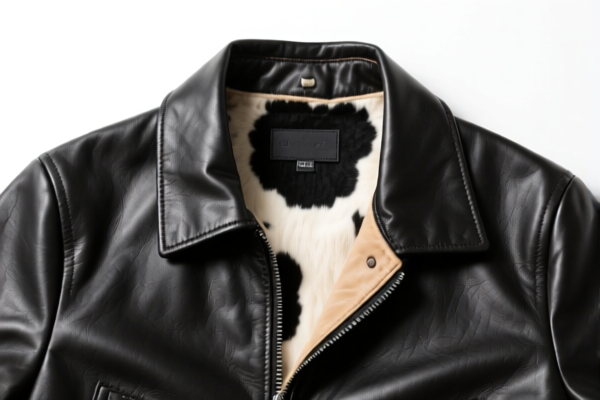
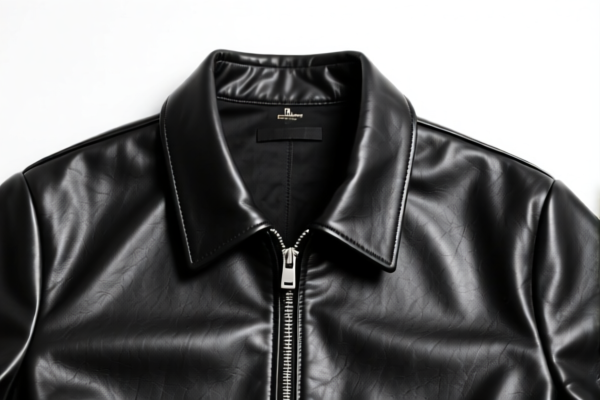
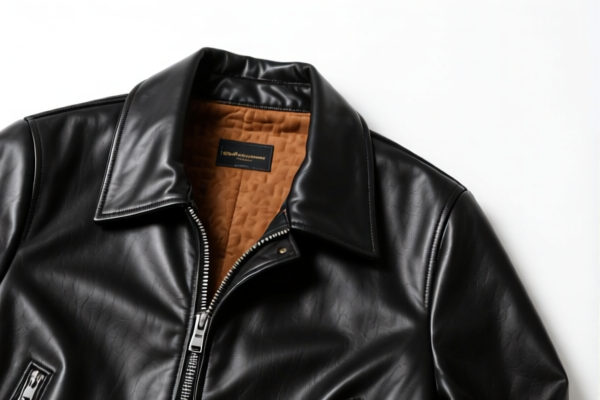
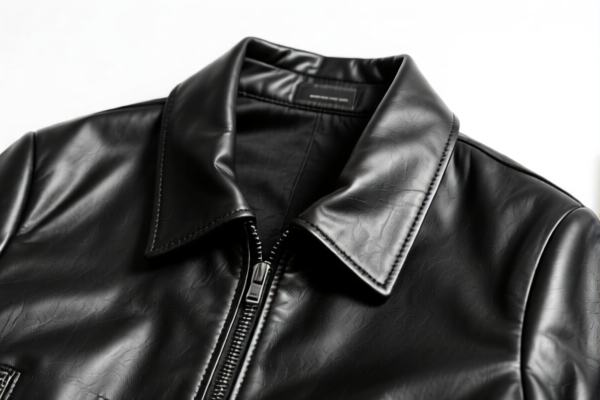
AI分析
🧥 Leather Clothing: The Ultimate HS Code & Tariff Guide (2026 Edition)
🌐 Global Trade Classification & Duty Strategy | Precision Customs Classification for Leather Garments
📌 I. Product Definition & Classification Logic: Are You Sure It's "Leather Clothing"?
Leather clothing is a high-value category where material composition and garment structure dictate the HS Code and, consequently, the massive difference in tariffs. The core conflict lies between Chapter 41 (Raw/Processed Hides) and Chapter 42 (Articles of Leather).
- "Leather Clothing" (Finished Garments): Specifically designed as outerwear (jackets, coats) made of processed leather. These often fall under HS 4203 due to their specific classification as "articles of leather other than gloves."
- "Finished Leather Garments" (General Apparel): Broader category of leather garments that might fall under HS 4107 if they fit specific "skin" definitions but lack the "article of leather" structure of Chapter 42.
⚠️ Critical Distinction:
- If the item is a jacket or coat specifically made of leather (Chapter 42 definition), it often triggers the 41.0% Total Tax bracket due to "Section 301" and "Section 122" duties.
- If the item is a general leather garment (e.g., trousers, dresses, or specific sub-categories under Chapter 41), it may fall into the 15.0% Total Tax bracket, significantly lower.
- Misclassification Risk: Declaring a leather jacket as a generic leather garment to avoid the 41% tax can lead to severe penalties, seizure, or back-taxes.
📦 II. HS Code Classification Matrix (2026 Authorized List)
Based on the provided data, here is the authoritative breakdown for Leather Clothing imports. Note the sharp contrast between the two tax brackets.
| HS Code | Product Description (Summary) | Tax Rate | Tax Composition Details |
|---|---|---|---|
| 4107.12.70.40 | Finished Leather Garment, Material: Leather, Purpose: Clothing | 15.0% | Base: 5.0% + Add-on: 0.0% + Section 122: 10% |
| 4203.10.40.30 | Leather Outerwear or Jacket (Fits Leather Clothing Definition) | 41.0% | Base: 6.0% + Section 301 Add-on: 25.0% + Section 122: 10% |
| 4203.10.40.60 | Unisex Leather Outerwear/Jackets (Other Category) | 41.0% | Base: 6.0% + Section 301 Add-on: 25.0% + Section 122: 10% |
| 4107.12.70.40 | Leather Garment, Matches Leather Purpose & Material | 15.0% | Base: 5.0% + Add-on: 0.0% + Section 122: 10% |
| 4203.10.40.30 | Leather Garment, Core Form is Outerwear or Jacket | 41.0% | Base: 6.0% + Section 301 Add-on: 25.0% + Section 122: 10% |
🔍 Key Insight:
- HS 4203.10.40.x: This is the "Jacket/Coat" trap. If your product is clearly a jacket or coat made of leather, you are almost certainly landing in the 41.0% bucket.
- HS 4107.12.70.40: This is the "Garment" pathway. If the item is a leather garment that does not strictly fit the "article of leather" definition of Chapter 42 (or fits a specific sub-definition of Chapter 41), the tariff drops to 15.0%.
- The Difference: A 26% tax gap (41% vs 15%) on a $10,000 shipment means a $2,600 difference in duties!
💰 III. 2026 Tariff Breakdown: Understanding the "41%" Penalty
🎯 1. The High-Tax Scenario (4203.10.40.30 / 4203.10.40.60)
- Total Tax: 41.0%
- Breakdown:
- 🏗️ Base Tariff: 6.0% (Standard Most-Favored-Nation rate for leather articles).
- ⚔️ Section 301 Add-on: 25.0% (The "Trade War" tariff applied to specific Chinese imports, heavily impacting leather goods).
- 🛡️ Section 122 Tariff: 10.0% (A specific punitive tariff for certain Chinese-origin goods).
- Legal Path:
Base (6%)+Section 301 (25%)+Section 122 (10%)= 41%. - De Minimis Status: ❌ NO. These goods are not eligible for the $800 de minimis exemption. Full duties apply.
🎯 2. The Low-Tax Scenario (4107.12.70.40)
- Total Tax: 15.0%
- Breakdown:
- 🏗️ Base Tariff: 5.0%
- ⚔️ Section 301 Add-on: 0.0% (Crucially, this item type avoids the 25% Section 301 surcharge).
- 🛡️ Section 122 Tariff: 10.0% (Still applies to the item).
- Legal Path:
Base (5%)+Section 122 (10%)= 15%. - Why the difference? The 25% Section 301 tariff is often applied specifically to "articles of leather" (Chapter 42) but may be excluded for certain "finished leather garments" (Chapter 41) depending on the specific ruling history and product structure.
🛠️ IV. Customs Clearance & Operational Strategy (Avoiding the 41% Trap)
✅ 1. Pre-Shipment Classification Audit
Before shipping, you MUST determine if your product is strictly an "Outerwear Jacket" (4203) or a broader "Garment" (4107).
| Product Feature | Likely HS Code | Risk Level | Action Required |
|---|---|---|---|
| Leather Jacket / Coat with collar, sleeves, zipper | 4203.10.40.30 | 🔴 HIGH (41% Tax) | Accept high cost or redesign to avoid "Jacket" definition? |
| Leather Trousers / Dress / Vest (Non-jacket) | 4107.12.70.40 | 🟢 LOW (15% Tax) | Verify "Garment" classification in your BOM. |
| Leather Vest / Gilet | 4203.10.40.60 or 4107 | ⚠️ UNCLEAR | CRITICAL: Needs professional ruling. Often misclassified as 4203. |
| Unisex Leather Jacket | 4203.10.40.60 | 🔴 HIGH (41% Tax) | Same as 4203.10.40.30. |
📌 Warning: If your supplier labels your item as "Leather Jacket" on the commercial invoice, customs will likely auto-classify it under 4203, triggering the 41% tax immediately.
✅ 2. Documentation & Declaration Best Practices
- Commercial Invoice: Must be hyper-specific.
- ❌ Bad: "Leather Clothing" or "Leather Jacket".
- ✅ Good: "Leather Garment (Non-Jacket), Unisex, Made of Tanned Cattle Skin, No Structural Features of Outerwear."
- Technical Specs: Include detailed photos showing the cut. If it lacks a collar, full sleeves, or a front closure typical of a jacket, emphasize this.
- Material Proof: Provide a leather supplier certificate confirming the tanning process (Chapter 41 vs. Chapter 42 material definitions).
✅ 3. Strategic "De-Risking" (The 15% Pathway)
- Product Redesign: If possible, alter the design to not fit the strict "Jacket/Coat" definition (e.g., open front, no collar, specific cut) to target HS 4107.12.70.40.
- Pre-Ruling Application: Before shipping, file a Binding Tariff Ruling (BTR) with US Customs and Border Protection (CBP) for your specific sample. Do not guess; pay for the ruling to lock in the 15% rate.
- Avoid "Unisex" Traps: The 4203.10.40.60 code specifically mentions "Unisex." If your product is gender-specific, you might avoid this specific high-tax sub-code, but verify against 4203.10.40.30.
🌍 V. Global Market Comparison (Leather Clothing)
| Destination | HS Code 4203 (Jacket/Coat) | HS Code 4107 (General Garment) | Strategy |
|---|---|---|---|
| 🇺🇸 USA | 41.0% (6% + 25% + 10%) | 15.0% (5% + 0% + 10%) | Target 4107 if possible. Avoid 4203 jackets. |
| 🇪🇺 EU | ~6% - 8% (No Section 301) | ~3% - 5% | Less sensitive to 301, but still classify correctly. |
| 🇨🇳 China | Export to China | Export to China | Check if China has specific bans or high duties on leather. |
| 🇨🇦 Canada | ~6% + CAFTA | ~3% | Generally lower than US, but accuracy matters. |
📌 Conclusion: The US market is the only one in this list where the 25% Section 301 tariff creates a massive 26% price gap between Chapter 41 and Chapter 42.
📌 VI. Common Pitfalls & "Don't Do This" List
❌ Pitfall 1: The "Jacket" Label * Scenario: You have a leather vest. * Error: Invoice says "Leather Jacket." * Consequence: CBP classifies as 4203.10.40.30 → 41% Tax. * Fix: Invoice as "Leather Vest" or "Leather Outerwear (Non-Jacket)."
❌ Pitfall 2: Assuming All Leather Clothes are 4107 * Scenario: You assume "Leather Clothing" = 15% tax. * Error: Your product is a full-sleeve leather coat. * Consequence: CBP overrides to 4203 → 41% Tax + Penalty for misdeclaration. * Fix: Verify the structural definition of the garment against Chapter 42 notes.
❌ Pitfall 3: Ignoring "Unisex" Codes * Scenario: You ship unisex leather jackets. * Error: Declaring as 4203.10.40.30 (Men's). * Consequence: Might miss the specific 4203.10.40.60 nuance, though tax is same, the legal path matters for audits. * Fix: Always match the gender code to the product exactly.
🎯 VII. Final Verdict & Call to Action
The 41% vs. 15% Battle: For Leather Clothing entering the US: 1. If it's a Jacket/Coat: Brace yourself for 41.0% (6% Base + 25% Section 301 + 10% Section 122). This is the cost of doing business with standard leather outerwear from China. 2. If it's a Garment (Non-Jacket): You can target 15.0% (5% Base + 10% Section 122). This is your profit saver.
💡 Pro Tip: Do not rely on generic "Leather Clothing" descriptions. Hire a Customs Broker to review your sample's cut and structure. A $500 pre-clearance ruling can save you $2,600+ per $10,000 shipment.
Ready to Ship? ✅ Step 1: Identify if your product is a "Jacket" (4203) or "Garment" (4107). ✅ Step 2: Prepare technical photos proving the cut. ✅ Step 3: Apply for a Binding Ruling if in doubt. ✅ Step 4: Declare accurately. Do not guess.
✨ Precision is Profit.
💼 Don't let a 26% tax gap eat your margins. Get it right the first time.
用户评价
关于 HS 编码归类
协调制度(HS)是由世界海关组织(WCO)制定的国际贸易商品分类标准。全球 200 多个国家采用 HS 系统作为海关关税、贸易统计和进出口监管的基础。
每个 HS 编码遵循以下层级结构:
- 章(2 位)——商品大类(例如:第 84 章:机器和机械设备)
- 品目(4 位)——章内的更具体分类
- 子目(6 位)——国际通用细分,所有 WCO 成员国统一使用
- 本国细分(8-10 位)——各国自行扩展的细分编码,如美国 HTSUS 10 位编码
正确的 HS 编码归类对于顺利通关、准确缴纳关税和遵守贸易法规至关重要。错误归类可能导致海关延误、多缴关税或罚款。
从CN进口到US时,适用的关税税率可能包括:
- 最惠国(MFN)税率——适用于 WTO 成员国的标准关税税率
- 普通税率——适用于无贸易协定国家
- 贸易救济关税——附加关税,如 301 条款(反倾销)、232 条款(国家安全)或反补贴税
本页内容仅供参考。如需正式归类,请咨询当地海关或持牌报关代理。