leather winter gloves
CN → US| HS编码 | 关税税率 | 原产国 | 目的国 | 文档 |
|---|---|---|---|---|
| 4203295000 | 47.6% | CN | US | 官方文档 |
| 6116109500 | 24.5% | CN | US | 官方文档 |
| 6216001900 | 0.0% | CN | US | 官方文档 |
| 6216002930 | 30.5% | CN | US | 官方文档 |
| 4203294000 | 47.6% | CN | US | 官方文档 |
商品图片
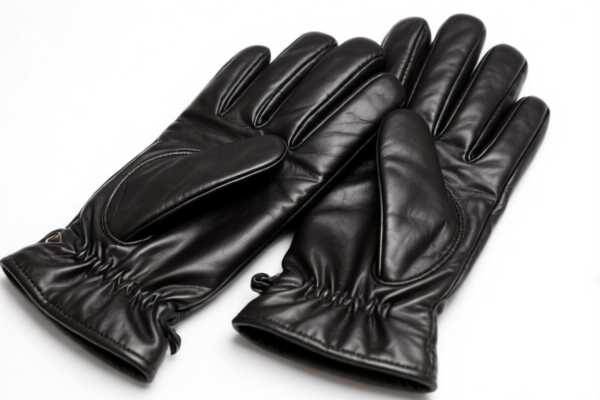
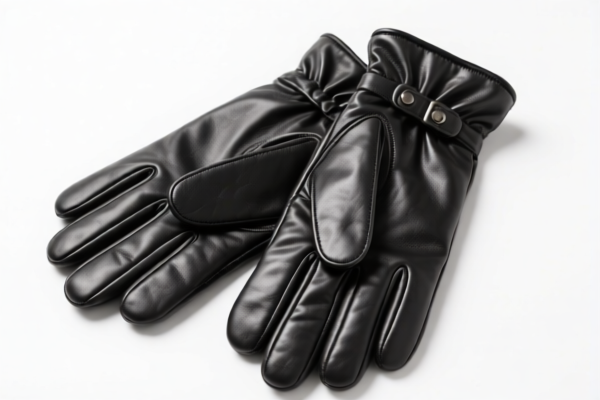
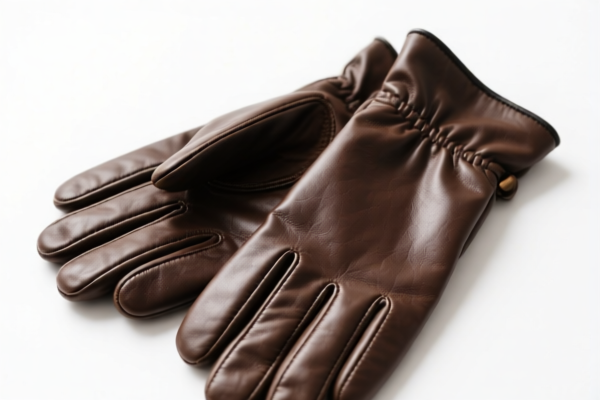
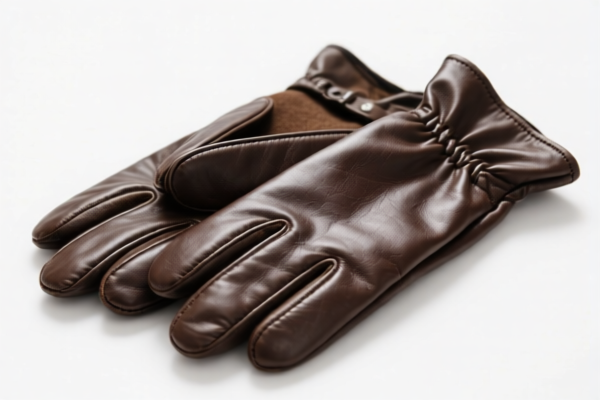
AI分析
🧤 Artificial Leather Winter Gloves (Leather-Imitation Winter Gloves)
🌐 HS Code Reference & Customs Clearance Guide | 2026 Latest Tariff Analysis | Strategic Classification Strategy
📌 I. Product Definition: What Are "Artificial Leather Winter Gloves"?
Artificial leather winter gloves are protective or fashion accessories made from synthetic materials designed to mimic genuine leather, specifically engineered for cold-weather use. In international trade, the classification depends heavily on material composition (textile vs. plastic/rubber) and construction (knitted vs. non-knitted).
⚠️ Key Classification Distinction:
- Textile-Based/General Artificial Leather: If made from fabric coated with plastic/synthetic materials, often falling under Ch. 62 (Non-knitted) or Ch. 42 (Articles of leather).
- Plastic/Rubber-Coated/Knitted: If made of textile with plastic/rubber impregnation, often falling under Ch. 61 (Knitted).
- "Winter" Implication: Usually implies lining or insulation for warmth, but HS codes are primarily driven by material and knitting status, not temperature rating.
📦 II. HS Code Classification Matrix (2026 Latest Tariff Reference)
Based on the provided data, here are the five potential classifications for Artificial Leather Winter Gloves:
| HS Code | Product Description & Logic | Material/Construction Detail | Total Tax Rate (China Origin to US) |
|---|---|---|---|
| 4203.29.50.00 | Artificial leather gloves; general/other category. | Made of artificial leather; treated as "other" articles of leather/substitutes. | 47.6% |
| 6116.10.95.00 | Artificial leather gloves; knitted/impregnated. | Material inferred as plastic/rubber impregnated coating; knitted/fallback category. | 24.5% |
| 6216.00.19.00 | Artificial leather gloves; non-knitted/coated. | Material falls under "coated with plastic or synthetic materials." | 11.1¢/kg + 5.5% + 17.5% |
| 6216.00.29.30 | Artificial leather gloves; non-knitted/impregnated. | Material is synthetic; fits characteristics of impregnated/coated plastic/rubber. | 30.5% |
| 4203.29.40.00 | Artificial leather gloves; apparel accessory fallback. | Purpose as apparel accessory; "other" category fallback. | 47.6% |
🔍 Critical Insight:
- The tax burden varies significantly based on whether the glove is classified as Chapter 42 (Articles of Leather) or Chapter 61/62 (Textiles). - Chapter 42 codes (4203.29.x) attract the highest tariffs (47.6%) due to high base + Section 301 + 122 Clause duties. - Chapter 61/62 codes may offer lower rates but involve complex ad valorem vs. specific duty calculations (e.g., 6216.00.19.00).
💰 III. Detailed Tariff Breakdown & Policy Add-ons
✅ Applicable Country: United States (US)
✅ Origin: China (CN)
✅ Effective Time: Current trade environment (Section 301 + IEEPA 122 Clause)
🎯 1. The High-Tax Category: 4203.29.50.00 & 4203.29.40.00
Classification: Articles of Leather (Artificial)
| Item | Content |
|---|---|
| Base Tariff | 12.6% (Ad Valorem) |
| Section 301 Add-on | +25.0% |
| IEEPA 122 Clause | +10.0% |
| Total Effective Rate | 47.6% |
| Calculation | CIF Value × 47.6% |
| De Minimis Exemption | ❌ Not Eligible (High risk of seizure/confiscation if shipped via 86.01/86.02 courier) |
| Legal Path | IEEPA:9903.01.25 → USITC:4203.29.xx |
📌 Explanation:
- These codes are classified under Chapter 42 (Articles of Leather and Related Goods). Artificial leather is often grouped here if it doesn't fit specific textile impregnation categories. - The 25% Section 301 and 10% 122 Clause make this category extremely expensive. - Risk: High duty cost significantly impacts profit margins.
🎯 2. The Medium-Tax Category: 6116.10.95.00
Classification: Knitted Gloves, Impregnated/Covered with Plastic/Rubber
| Item | Content |
|---|---|
| Base Tariff | 7.0% |
| Section 301 Add-on | +7.5% |
| IEEPA 122 Clause | +10.0% |
| Total Effective Rate | 24.5% |
| Calculation | CIF Value × 24.5% |
| De Minimis Exemption | ❌ Not Eligible |
| Legal Path | IEEPA:9901.25 → USITC:6116.10.95 |
📌 Explanation:
- This classification assumes the gloves are knitted (Chapter 61) and made with a plastic/rubber coating (impregnation). - Lower base tariff (7.0%) and lower Section 301 add-on (7.5%) compared to Chapter 42. - Strategy: If the manufacturing process allows, classifying as knitted textile can save ~23% in duties.
🎯 3. The Variable-Tax Category: 6216.00.19.00
Classification: Non-Knitted Gloves, Coated with Plastic
| Item | Content |
|---|---|
| Base Tariff | 11.1¢/kg + 5.5% |
| Section 301 Add-on | +7.5% |
| IEEPA 122 Clause | +10.0% |
| Total Effective Rate | Specific + Ad Valorem + 17.5% |
| Calculation | (11.1¢/kg × Weight) + (CIF × 5.5%) + (CIF × 17.5%) |
| De Minimis Exemption | ❌ Not Eligible |
| Legal Path | USITC:6216.00.19 |
📌 Explanation:
- This is a mixed duty structure. It includes a specific charge per kilogram plus ad valorem taxes. - For lightweight gloves, the per-kg fee may be small, but the total ad valorem burden (5.5% + 17.5% = 23% base + 17.5% add-ons) is significant. - Warning: Always calculate total cost based on weight, not just value.
🎯 4. The Moderate-Tax Category: 6216.00.29.30
Classification: Non-Knitted Gloves, Other Synthetic/Impregnated
| Item | Content |
|---|---|
| Base Tariff | 13.0% |
| Section 301 Add-on | +7.5% |
| IEEPA 122 Clause | +10.0% |
| Total Effective Rate | 30.5% |
| Calculation | CIF Value × 30.5% |
| De Minimis Exemption | ❌ Not Eligible |
| Legal Path | USITC:6216.00.29.30 |
📌 Explanation:
- Non-knitted gloves that don't fit the "coated plastic" exact definition of 6216.00.19.00 fall here. - A balanced option if Chapter 42 is ruled out.
🛠️ IV. Customs Clearance Practical Advice (Avoiding Pitfalls)
✅ 1. Essential Documentation List
| Document | Required | Purpose |
|---|---|---|
| ✅ Product Specification Sheet | ✔️ | Must detail material composition (e.g., "Polyurethane coated polyester knit") to distinguish between Ch. 42 and Ch. 61/62. |
| ✅ Material Safety Data Sheet (MSDS) | ✔️ | If the "artificial leather" contains specific chemicals or coatings. |
| ✅ Product Photos | ✔️ | Clear images showing texture, lining (for "winter" claim), and stitching/knitting structure. |
| ✅ Commercial Invoice | ✔️ | Must explicitly state "Artificial Leather Gloves" and material breakdown. Avoid vague terms like "Leather Gloves" if not genuine. |
| ✅ Packing List | ✔️ | Must include net weight (critical for HS 6216.00.19.00 specific duty calculation). |
✅ 2. Declaration Best Practices
🔥 Golden Rule: "Material defines Code, Weight defines Cost, Lining doesn't change HS."
| Scenario | Correct Declaration | Risk of Error |
|---|---|---|
| Knitted with Plastic Coating | 6116.10.95.00 |
Misclassifying as Ch. 42 leads to 47.6% instead of 24.5%. |
| Non-Knitted, Plastic Coated | 6216.00.19.00 or 6216.00.29.30 |
Using Ch. 42 leads to 47.6%. Using wrong Ch. 62 code may trigger penalty. |
| "Winter" Claim | Do NOT use "Winter" in HS justification. | "Winter" is not a HS classifier. Use "Insulated" or "Lined" in description, but HS depends on material. |
| Artificial vs. Genuine | Explicitly state "ARTIFICIAL LEATHER" | Misdeclaring as "Genuine Leather" is fraud. Misdeclaring as "Textile" when it's Ch. 42 leads to duty underpayment. |
✅ 3. Specific Duty Calculation Warning (For 6216.00.19.00)
⚠️ Critical: If you choose
6216.00.19.00, the duty is 11.1 cents per KG PLUS ad valorem taxes. - Example: 1,000 gloves weighing 500 KG. - Specific Duty: 500 KG × $0.111 = $55.50 - Ad Valorem: CIF × 23% (5.5% + 17.5%) - Action: Always calculate total landed cost using exact weight. For heavy gloves, specific duty can be substantial.
🌍 V. Global Market Comparison (2026)
| Market | Preferred HS Code | Est. Total Duty (China Origin) | Notes |
|---|---|---|---|
| 🇺🇸 USA | 6116.10.95.00 or 6216.00.29.30 |
24.5% - 30.5% | Avoid 4203.29.xx (47.6%) if possible. Section 301 + 122 Clause applies. |
| 🇨🇳 China | 6116.10.95.00 or 6216.00.19.00 |
7% - 11% | Lower base duties. No Section 301/122 Clause. |
| 🇪🇺 EU | 6116.10.95.00 or 6216.00.19.00 |
7% - 12% | Standard MFN rates. No major political tariffs. |
| 🇬🇧 UK | 6116.10.95.00 or 6216.00.19.00 |
7% - 12% | Similar to EU post-Brexit. |
📌 Conclusion:
- The US market is the most expensive due to叠加 tariffs (Section 301 + IEEPA 122). - Optimization Strategy: If the manufacturing allows, classify under Chapter 61 (6116.10.95.00) to achieve the lowest effective rate of 24.5%. - Avoid Chapter 42 (4203.29.xx) unless the product is distinctly non-textile and cannot be classified elsewhere, as the 47.6% rate is prohibitive for most consumer goods.
📌 VI. Common Mistakes & Pitfalls (Lessons Learned)
❌ Mistake 1: Classifying "Artificial Leather" gloves under Genuine Leather Codes (4203.29.xx) without verifying material.
👉 Consequence: You pay 47.6% instead of potentially 24.5%.
💡 Fix: Verify if the backing is textile (knitted) or non-textile. If knitted, it likely belongs in Ch. 61.
❌ Mistake 2: Ignoring the Weight for 6216.00.19.00.
👉 Consequence: Underestimated customs value if weight is not declared accurately.
💡 Fix: Provide precise net weight on the packing list.
❌ Mistake 3: Assuming "Winter" gloves qualify for a special category.
👉 Consequence: No special HS code exists for "winter."
💡 Fix: Describe as "Insulated" or "Lined" in the commercial invoice, but rely on material for HS code.
❌ Mistake 4: Using De Minimis (86.01) for shipments to the US.
👉 Consequence: Seizure! High duty rates (>25%) disqualify goods from de minimis exemption.
💡 Fix: Use formal entry (CBP Form 7501) and pay duties upfront.
✅ Correct Declaration Example:
"Men's Artificial Leather Winter Gloves, Knitted Polyester Base with Polyurethane Coating, Lined for Thermal Insulation, Model XYZ, Origin: China" ➡️ Recommended HS:
6116.10.95.00(24.5%)
🎯 VII. Final Recommendation
🎯 Strategic Advice:
1. Material Test: Confirm if the glove base is knitted. If yes, fight for 6116.10.95.00 (24.5%).
2. Avoid Chapter 42: Unless legally unavoidable, avoid 4203.29.50.00 and 4203.29.40.00 due to the 47.6% tax burden.
3. Pre-Ruling: Submit a Binding Tariff Information (BTI) or US CBP Ruling Request to lock in the HS code before large-scale shipments.
4. Supply Chain: If duty cost is prohibitive, consider assembling or packaging in a third country (e.g., Vietnam, Mexico) to avoid China-origin Section 301 + 122 Clause tariffs.
✨ Professional Customs Clearance Starts with Accurate Classification!
💼 Every Percentage Point Saved is Pure Profit!
用户评价
关于 HS 编码归类
协调制度(HS)是由世界海关组织(WCO)制定的国际贸易商品分类标准。全球 200 多个国家采用 HS 系统作为海关关税、贸易统计和进出口监管的基础。
每个 HS 编码遵循以下层级结构:
- 章(2 位)——商品大类(例如:第 84 章:机器和机械设备)
- 品目(4 位)——章内的更具体分类
- 子目(6 位)——国际通用细分,所有 WCO 成员国统一使用
- 本国细分(8-10 位)——各国自行扩展的细分编码,如美国 HTSUS 10 位编码
正确的 HS 编码归类对于顺利通关、准确缴纳关税和遵守贸易法规至关重要。错误归类可能导致海关延误、多缴关税或罚款。
从CN进口到US时,适用的关税税率可能包括:
- 最惠国(MFN)税率——适用于 WTO 成员国的标准关税税率
- 普通税率——适用于无贸易协定国家
- 贸易救济关税——附加关税,如 301 条款(反倾销)、232 条款(国家安全)或反补贴税
本页内容仅供参考。如需正式归类,请咨询当地海关或持牌报关代理。