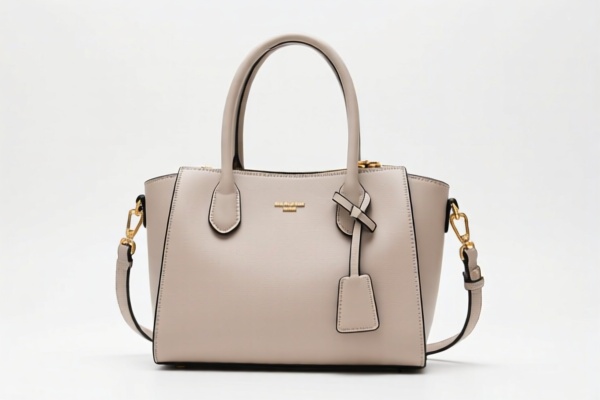
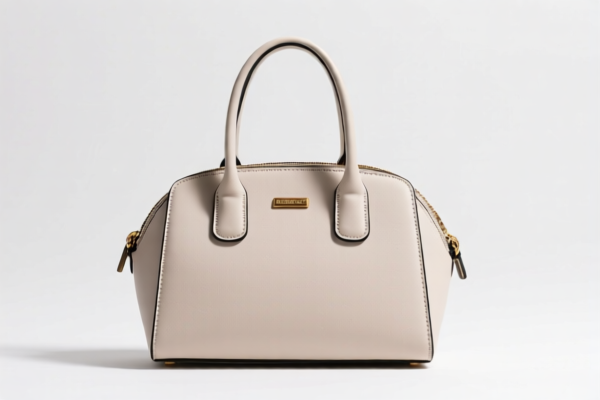
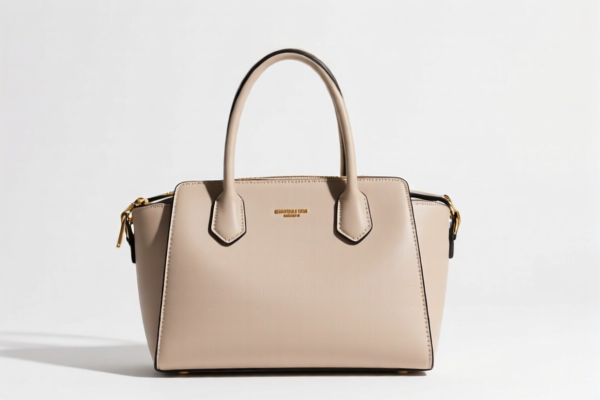
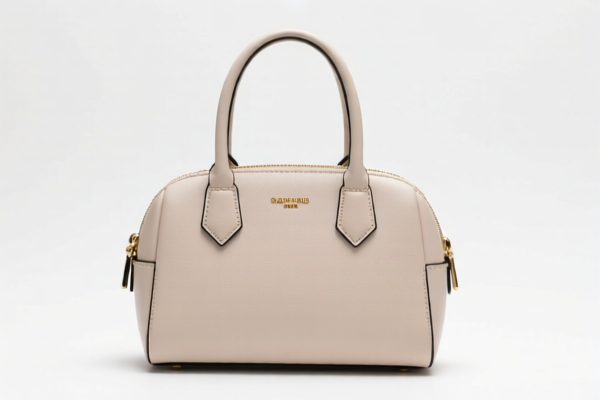
lightweight casual woven handbag
CN → US| HS编码 | 关税税率 | 原产国 | 目的国 | 文档 |
|---|---|---|---|---|
| 4602112100 | 41.2% | CN | US | 官方文档 |
| 4602192920 | 40.3% | CN | US | 官方文档 |
| 4202224020 | 42.4% | CN | US | 官方文档 |
| 4202228980 | 52.6% | CN | US | 官方文档 |
商品图片
AI分析
👜 Lightweight Casual Woven Handbag (Natural & Textile Materials)
🌐 HS Code Reference & Customs Clearance Guide | 2026 Latest Tariff Analysis | Professional Clearance Strategy
📌 I. Product Definition & Classification: Do You Know the Difference Between "Plant" and "Textile"?
A "Lightweight Casual Woven Handbag" is a broad category. In international trade (specifically US Customs), the material composition is the single most critical factor determining the HS Code. Even if the bags look identical, the tax difference can be significant due to trade remedies (Section 301 and Section 122 tariffs).
Two Main Categories: 1. Plant Material Bags (Chapter 46): Made from bamboo, rattan, reed, cane, or other vegetable plaiting materials. 2. Textile/Other Material Bags (Chapter 42): Made from woven fabrics, synthetic fibers, or other textile materials not classified under Chapter 46.
⚠️ Key Distinction Point:
- If the primary structural material is hard or semi-hard plant stems (bamboo, rattan, willow) → Chapter 46
- If the primary material is woven fabric, synthetic straps, or soft textile mats → Chapter 42
- ⚠️ Warning: Do not assume "woven" automatically means Chapter 46. Fabric weave falls under Chapter 42.
📦 II. HS Code Classification Details (2026 Latest Tariff Authority Comparison)
| HS Code | Product Description | Application Scenario | Material Type |
|---|---|---|---|
4602.11.21.00 |
Woven handbags of bamboo | Handbags made primarily of bamboo strips or rattan | ✅ Plant Material |
4602.19.29.20 |
Woven handbags of other vegetable plaiting materials | Handbags made of reed, cane, straw, or other non-bamboo plants | ✅ Plant Material |
4202.22.40.20 |
Handbags, whether or not with shoulder strap, without outer pocket, with outer surface of woven materials of textiles | Handbags made of woven fabric (cotton, linen, polyester weave) | ✅ Textile Material |
4202.22.89.80 |
Handbags, whether or not with shoulder strap, without outer pocket, with outer surface of other materials | Handbags made of other textile materials not specified above (e.g., non-woven, synthetic weave) | ✅ Other Textile Material |
🔍 Key Reminder:
- Chapter 46 codes generally have lower base tariffs (5-6%) but still face heavy trade sanctions. - Chapter 42 codes (especially4202.22.89.80) have higher base tariffs (17.6%) due to the "Other Materials" category, leading to a much higher total tax burden. - All items listed below are subject to US trade restrictions (Section 301 & Section 122).
💰 III. 2026 Latest Tariff Rate Breakdown (Including Additional Duties & Policy Add-ons)
✅ Applicable Country: United States (US)
✅ Country of Origin: China (CN)
✅ Effective Time: Current rates apply (Section 301 and Section 122 are active)
🎯 1. 4602.11.21.00 —— Woven Handbag, Bamboo Material
| Item | Content |
|---|---|
| Base Tariff (MFN) | 6.2% |
| Section 301 Additional Tariff | +25.0% (List 4A - Many consumer goods) |
| Section 122 Tariff (Provisional) | +10.0% (Specific to certain Chinese imports, often applied to basketry/plaiting goods) |
| Total Effective Tax Rate | 41.2% |
| Tax Calculation | CIF Value × 41.2% |
| De Minimis Exemption (Section 321) | ❌ NOT Eligible (Items >$800 are taxed; below $800 may still face scrutiny if flagged, but typically B2B shipments are fully taxed) |
| Legal Basis Path | USITC:4602.11.21.00 → SECTION_301:LIST_4A → SECTION_122:ADDITIONAL |
📌 Explanation:
- 6.2% Base: Reflects the duty for bamboo/plaiting goods. - 25% Section 301: Standard trade war tariff on most Chinese consumer goods. - 10% Section 122: A provisional tariff often applied to basketry and similar woven goods to protect domestic industries. - Total: 41.2%. This is a high-cost category. Margins must account for this.
🎯 2. 4602.19.29.20 —— Woven Handbag, Other Vegetable Material (Reed/Cane)
| Item | Content |
|---|---|
| Base Tariff (MFN) | 5.3% |
| Section 301 Additional Tariff | +25.0% |
| Section 122 Tariff (Provisional) | +10.0% |
| Total Effective Tax Rate | 40.3% |
| Tax Calculation | CIF Value × 40.3% |
| De Minimis Exemption (Section 321) | ❌ NOT Eligible |
| Legal Basis Path | USITC:4602.19.29.20 → SECTION_301:LIST_4A → SECTION_122:ADDITIONAL |
📌 Note:
- Slightly lower base rate than bamboo (5.3% vs 6.2%) due to different sub-classification. - Still subject to the same 35% in additional duties (25% + 10%). - Total: 40.3%.
🎯 3. 4202.22.40.20 —— Woven Handbag, Textile Material (Woven)
| Item | Content |
|---|---|
| Base Tariff (MFN) | 7.4% |
| Section 301 Additional Tariff | +25.0% |
| Section 122 Tariff (Provisional) | +10.0% |
| Total Effective Tax Rate | 42.4% |
| Tax Calculation | CIF Value × 42.4% |
| De Minimis Exemption (Section 321) | ❌ NOT Eligible |
| Legal Basis Path | USITC:4202.22.40.20 → SECTION_301:LIST_4A → SECTION_122:ADDITIONAL |
📌 Warning:
- Even though it's "woven," if it's textile-based (fabric), it falls under Chapter 42. - Base tariff is higher (7.4%) than plant materials. - Total: 42.4%.
🎯 4. 4202.22.89.80 —— Woven Handbag, Other Textile Materials
| Item | Content |
|---|---|
| Base Tariff (MFN) | 17.6% |
| Section 301 Additional Tariff | +25.0% |
| Section 122 Tariff (Provisional) | +10.0% |
| Total Effective Tax Rate | 52.6% |
| Tax Calculation | CIF Value × 52.6% |
| De Minimis Exemption (Section 321) | ❌ NOT Eligible |
| Legal Basis Path | USITC:4202.22.89.80 → SECTION_301:LIST_4A → SECTION_122:ADDITIONAL |
📌 Critical Alert:
- This is the most expensive category in the dataset. - "Other materials" often captures synthetic weaves or mixed materials that don't fit neatly into standard textile definitions. - Total: 52.6%. This can destroy profit margins for lightweight fashion items.
🛠️ IV. Customs Clearance Practical Advice (Real-World Pitfall Guide)
✅ 1. Required Documentation Checklist (Non-Negotiable)
| Document | Must Provide? | Description |
|---|---|---|
| ✅ Product Specification Sheet | ✔️ | Must explicitly state: "Outer Material: 100% Bamboo" or "Outer Material: Woven Polyester Fabric". |
| ✅ Material Composition Proof | ✔️ | Supplier declaration or mill certificate proving plant vs. textile. |
| ✅ Product Photos (Labeled) | ✔️ | Clear shots of the weaving texture. Distinguish between rigid plant strips vs. soft fabric weave. |
| ✅ Commercial Invoice | ✔️ | Must match the HS Code description exactly. Avoid vague terms like "Fashion Bag." |
| ✅ Packing List | ✔️ | Detail weight and quantity. |
| ✅ Origin Certificate (CO) | ✔️ | Proof of China origin (triggers the additional tariffs). |
✅ 2. Declaration Strategy (Key Mantra)
🔥 “Plant is Chapter 46, Textile is Chapter 42. Don’t mix them! ‘Woven’ is not a tariff shield!”
| Scenario | Correct Declaration | Wrong Action |
|---|---|---|
| Bamboo/Rattan Bag | 4602.11.21.00 or 4602.19.29.20 |
Misdeclare as textile → Risk of penalty |
| Fabric/Canvas Bag | 4202.22.40.20 or 4202.22.89.80 |
Misdeclare as bamboo → High Risk of Audit |
| Mixed Material (e.g., Bamboo frame + Fabric lining) | Primary Material Rule: If plant >50% by weight/visibility, often Chapter 46. | Declare as "Other" → 4202.22.89.80 (52.6%) |
| Vague Name: "Handbag" | ❌ Dangerous | Customs may assign highest duty or delay clearance |
📌 Pro Tip:
- If the bag is Bamboo Frame + Fabric Insert, clarify if the bamboo constitutes the "essential character." If yes,4602.xxxxmay still apply. If not,4202.xxxxapplies. - Never use "Handbag" alone. Use "Woven Bamboo Handbag" or "Woven Textile Handbag."
✅ 3. Special Cases Handling
| Situation | Handling Advice |
|---|---|
| OEM Custom Bags | Provide design specs showing material composition. |
| Sample Shipments | Even samples from China are subject to these tariffs. No duty-free exemption for B2B samples. |
| Small Parcel (<$800) | While Section 321 (De Minimis) exists, Section 301 and 122 tariffs often still apply or are flagged for enhanced screening. Do not rely on de minimis for tariff avoidance without legal counsel. |
| Non-Chinese Origin | If produced in Vietnam/Thailand, you MAY avoid Section 301 (25%) and Section 122 (10%). Verify Rules of Origin carefully. |
🌍 V. Global Market Clearance Comparison (2026 Latest)
| Country/Region | Recommended HS Code | Approx. Duty Rate (China Origin) | Certification/Remarks |
|---|---|---|---|
| 🇺🇸 United States | 4602.11.21.00 / 4202.22.89.80 |
41.2% - 52.6% | High barriers. Tariffs are punitive. |
| 🇨🇳 China | 4602.11.00.00 / 4202.22.00.00 |
5% - 10% | Low import duty. No additional sanctions. |
| 🇪🇺 European Union | 4602.11.00 / 4202.22.00 |
4% - 6% | No Section 301/122 equivalents. Safe harbor. |
| 🇬🇧 United Kingdom | 4602.11.00 / 4202.22.00 |
4% - 6% | Post-Brexit, standard MFN rates apply. |
| 🇯🇵 Japan | 4602.11.00 / 4202.22.00 |
6% - 8% | No significant anti-dumping duties on these items. |
📌 Conclusion:
- USA is the only major market with punitive tariffs (40%+). - EU, UK, Japan, and Asia offer significantly better duty rates (4-8%). - If your target market is the US, consider supply chain diversification (e.g., assemble in Vietnam) to avoid the 35%+ additional tariffs.
📌 VI. Common Errors & Pitfalls (Blood & Tears Lessons)
❌ Error 1: Calling a fabric bag a "Woven Bag" and assuming it's Chapter 46.
👉 Consequence: Customs may classify it as 4202.22.89.80 (52.6%) due to lack of proof, or penalize for misdeclaration.
❌ Error 2: Assuming "Wicker" always means 4602.11.
👉 Consequence: If "wicker" is actually synthetic plastic weave, it must go to Chapter 42 or 39, not 46. Misdeclaration leads to fines.
❌ Error 3: Not declaring Section 301/122 liabilities in internal costing.
👉 Consequence: Profit margins vanish. A 20% margin bag becomes a loss-maker after 41% duty.
❌ Error 4: Using vague descriptions like "Accessories" or "Decorative Item."
👉 Consequence: Customs holds shipment for further classification inquiry, causing delays and storage fees.
✅ Correct Practice:
"Handbag, Woven Bamboo, with Leather Lining, Model X, 100% Bamboo Outer Shell"
🎯 VII. Conclusion: Professional Declaration, Cost Control, Efficiency!
🎯 Remember the Mantra:
🔹 “Plant is 46, Textile is 42. Bamboo 41%, Fabric 52%. Don’t guess! Confirm material!”
🔹 “HS Code decides destiny. 10% base vs. 17% base. Tariff gap is 11%, plus 35% penalties. One mistake, huge loss!”
📌 Tips:
- If you can source from Vietnam or Thailand, you can potentially avoid the Section 301 (25%) and Section 122 (10%) tariffs, reducing total duty to just the base rate (~5-7%).
- Consider applying for a Pre-Ruling (Advance Ruling) with US Customs if your material composition is complex (e.g., mixed bamboo/fabric).
- For B2B large shipments, budget for 41-53% total landed cost on top of product cost.
📣 Immediate Action:
📞 Contact a professional customs broker + Provide material specs + Verify origin country
🚀 Let your woven handbags clear smoothly, export efficiently, and maximize profits!
✨ Professional Clearance Starts with Accurate Classification!
💼 Every cent of your cost deserves precise calculation!
用户评价
关于 HS 编码归类
协调制度(HS)是由世界海关组织(WCO)制定的国际贸易商品分类标准。全球 200 多个国家采用 HS 系统作为海关关税、贸易统计和进出口监管的基础。
每个 HS 编码遵循以下层级结构:
- 章(2 位)——商品大类(例如:第 84 章:机器和机械设备)
- 品目(4 位)——章内的更具体分类
- 子目(6 位)——国际通用细分,所有 WCO 成员国统一使用
- 本国细分(8-10 位)——各国自行扩展的细分编码,如美国 HTSUS 10 位编码
正确的 HS 编码归类对于顺利通关、准确缴纳关税和遵守贸易法规至关重要。错误归类可能导致海关延误、多缴关税或罚款。
从CN进口到US时,适用的关税税率可能包括:
- 最惠国(MFN)税率——适用于 WTO 成员国的标准关税税率
- 普通税率——适用于无贸易协定国家
- 贸易救济关税——附加关税,如 301 条款(反倾销)、232 条款(国家安全)或反补贴税
本页内容仅供参考。如需正式归类,请咨询当地海关或持牌报关代理。