lockable safety gate
CN → US| HS编码 | 关税税率 | 原产国 | 目的国 | 文档 |
|---|---|---|---|---|
| 7308305025 | 85.0% | CN | US | 官方文档 |
| 7308305015 | 85.0% | CN | US | 官方文档 |
| 9403704003 | 35.0% | CN | US | 官方文档 |
| 8302416080 | 88.9% | CN | US | 官方文档 |
| 9403999015 | 85.0% | CN | US | 官方文档 |
商品图片
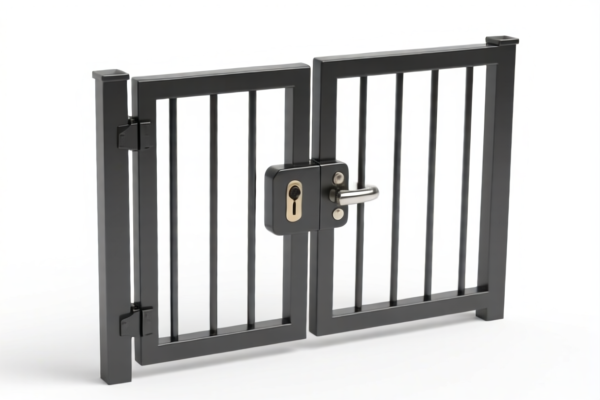
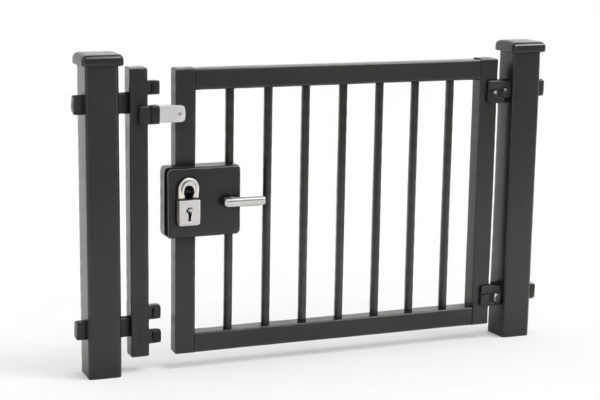
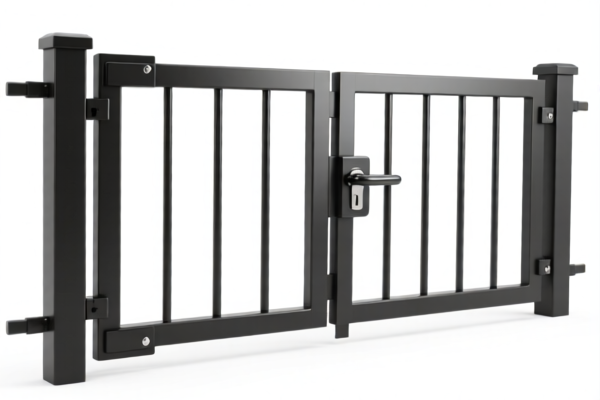
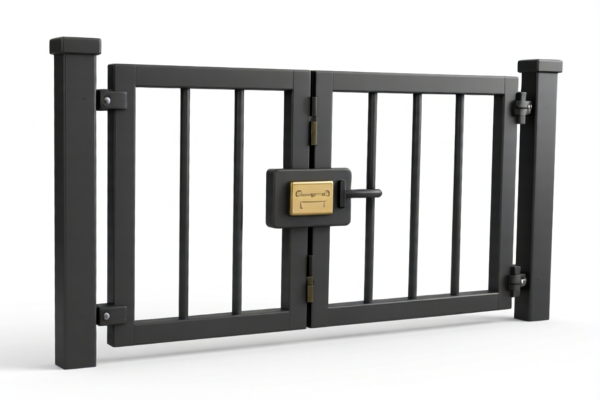
AI分析
🔒 Lockable Safety Gate (Child Safety Gates & Barriers)
🌐 HS Code Reference & Customs Clearance Guide | 2026 Latest Tariff Structure | Professional Clearance Strategy
📌 I. Product Definition & Classification: What Exactly is a "Lockable Safety Gate"?
A Lockable Safety Gate typically refers to barriers designed to restrict access to specific areas, most commonly for child safety (baby gates), pet containment, or temporary security perimeters. In international trade, classification depends heavily on material composition, function, and structural integration.
The product is not a single entity but falls into different categories based on what it is made of and how it is used:
- Metal Structural Components: If the gate is primarily made of iron/steel and is sold as a structural part for building access (e.g., part of a door frame or architectural barrier), it falls under Chapter 73.
- Furniture/Furniture Parts: If it is a freestanding unit (like a baby gate or playpen) made of metal or plastic, it may be classified as furniture or furniture parts under Chapter 94.
- Plastic Components: If the primary structure is plastic (common for modern lightweight baby gates), it might fall under Chapter 94 (as furniture/plastic articles) or Chapter 39 (though 94 is more common for assembled barriers).
- Hardware/Fittings: If it is just the locking mechanism or hinges sold separately, it falls under Chapter 83.
⚠️ Critical Distinction:
- Is it a built-in architectural component (part of the building)? → Chapter 73.
- Is it a freestanding furniture item (like a crib or playpen)? → Chapter 94.
- Is it just hardware? → Chapter 83.
📦 II. HS Code Classification Details (2026 Latest Tariff Authority)
Based on the provided dataset, here are the four primary HS Codes for "Lockable Safety Gate" products, ranging from structural steel to plastic barriers.
| HS Code | Product Description | Material/Feature | Typical Application |
|---|---|---|---|
7308.30.50.25 |
Iron/Steel Structural Components: Parts for doors/windows, fitting the definition of structural components. | Iron/Steel | Industrial gates, architectural barriers, fixed metal gates. |
7308.30.50.15 |
Metal Structural Parts: Metal forms fitting the "door" characteristic, belonging to other iron/steel structures (excluding windows/door frames). | Iron/Steel | Heavy-duty metal gates, security barriers. |
9403.70.40.03 |
Children’s Fence/Barrier: Primary structure is mostly plastic or contains plastic components. | Plastic | Modern baby gates, plastic pet barriers, lightweight home safety gates. |
8302.41.60.80 |
Base Metal Fittings: Mounting devices made of base metals, fitting "building base metal accessories" and "other" category. | Hardware Only | Locks, hinges, mounting brackets for gates (not the gate itself). |
9403.99.90.15 |
Finished Safety Door/Restriction Fence: No obvious conflict with furniture/fence categories; final product. | Mixed/Metal | Completed freestanding safety gates, adult-sized restrictive doors. |
🔍 Key Insight:
-7308...applies if the gate is considered a building structure (e.g., a permanent metal gate installed in a wall).
-9403...applies if the gate is considered furniture (e.g., a freestanding baby gate or playpen).
-8302...applies only if you are importing parts (locks/hinges), not the whole gate.
💰 III. 2026 Latest Tariff Rate Breakdown (Including Surcharges & Policies)
✅ Applicable Country: United States (US)
✅ Origin: China (CN)
✅ Effective Date: 2025/2026 (Current Trade Regime)
The following tariffs include Base Tariff, Section 301 Tariff (25%), and Section 122/IEEPA Tariff (10-50%).
🎯 1. 7308.30.50.25 & 7308.30.50.15 —— Iron/Steel Gates (Structural)
| Item | Detail |
|---|---|
| Base Tariff | 0.0% (ad valorem) |
| Section 301 Tariff | +25.0% |
| Section 122/IEEPA Tariff | +50.0% (Specific surcharge for Steel/Aluminum/Copper products under Section 122/IEEPA clauses) |
| Total Tax Rate | 85.0% |
| Tax Calculation | CIF Value × 85% |
| De Minimis Exemption | ❌ Not Eligible (High tariffs block de minimis) |
| Legal Basis Path | Base: 0% → 301: 25% → 122/IEEPA Steel: 50% → Total: 85% |
📌 Explanation:
- Steel gates are heavily targeted by trade policies.
- The 50% surcharge is critical for steel products under Section 122/IEEPA provisions.
- Total 85% is extremely high, significantly impacting cost.
🎯 2. 9403.70.40.03 —— Plastic Safety Gates (Children’s Fences)
| Item | Detail |
|---|---|
| Base Tariff | 0.0% |
| Section 301 Tariff | +25.0% |
| Section 122/IEEPA Tariff | +10.0% (General product surcharge, not steel-specific) |
| Total Tax Rate | 35.0% |
| Tax Calculation | CIF Value × 35% |
| De Minimis Exemption | ❌ Not Eligible |
| Legal Basis Path | Base: 0% → 301: 25% → IEEPA General: 10% → Total: 35% |
📌 Explanation:
- Plastic gates have a much lower tariff (35%) compared to steel gates (85%).
- This is because they are not classified under the heavy steel surcharges.
- Ideal for cost-sensitive imports if the product design allows for plastic components.
🎯 3. 8302.41.60.80 —— Gate Hardware (Locks/Fittings)
| Item | Detail |
|---|---|
| Base Tariff | 3.9% |
| Section 301 Tariff | +25.0% |
| Section 122/IEEPA Tariff | +50.0% (If classified as steel/accessories under specific clauses) |
| Total Tax Rate | 88.9% |
| Tax Calculation | CIF Value × 88.9% |
| De Minimis Exemption | ❌ Not Eligible |
| Legal Basis Path | Base: 3.9% → 301: 25% → 122/IEEPA: 50% → Total: 88.9% |
📌 Explanation:
- Hardware has a high base rate (3.9%) plus surcharges.
- Total 88.9% is the highest among all options.
- Only import these if sold separately from the gate structure.
🎯 4. 9403.99.90.15 —— Finished Safety Gates (Furniture Category)
| Item | Detail |
|---|---|
| Base Tariff | 0.0% |
| Section 301 Tariff | +25.0% |
| Section 122/IEEPA Tariff | +50.0% (Applied if considered under specific steel/structural clauses, though rare for finished furniture) |
| Total Tax Rate | 85.0% |
| Tax Calculation | CIF Value × 85% |
| De Minimis Exemption | ❌ Not Eligible |
| Legal Basis Path | Base: 0% → 301: 25% → 122/IEEPA: 50% → Total: 85% |
📌 Explanation:
- Even if classified as "Furniture Parts" (9403.99.90.15), if the material is steel and subject to Section 122/IEEPA steel surcharges, the rate remains 85%.
- Verify if the product can be classified as Plastic (9403.70...) to reduce taxes to 35%.
🛠️ IV. Customs Clearance Practical Advice (Real-World Pitfall Guide)
✅ 1. Material Declaration is Key
| Scenario | Correct HS Code | Tax Rate | Risk |
|---|---|---|---|
| Steel Gate (Fixed/Architectural) | 7308.30.50.25 / 7308.30.50.15 |
85.0% | High cost. Must declare as structural steel. |
| Plastic Baby Gate (Freestanding) | 9403.70.40.03 |
35.0% | Best Option. Declare as "Children's Safety Fence, Plastic." |
| Mixed Material Gate (Steel Frame + Plastic Panel) | 9403.70.40.03 (if plastic is primary) |
35.0% | Argue for plastic classification. Provide material % breakdown. |
| Gate Locks Only | 8302.41.60.80 |
88.9% | Avoid unless necessary. |
📌 Strategy:
- If your gate is freestanding (like a baby gate), try to classify it under9403.70.40.03(Plastic) to save 50% in taxes compared to steel classification.
- If it is heavy-duty steel, accept the 85% rate but ensure precise documentation to avoid misclassification penalties.
✅ 2. Documentation Checklist
| Document | Required? | Notes |
|---|---|---|
| Product Spec Sheet | ✔️ | Must specify material (Plastic vs. Steel) and dimensions. |
| Material Composition Report | ✔️ | Critical for 9403 vs 7308 classification. |
| Product Photos | ✔️ | Show it as a "Safety Gate" or "Baby Gate," not "Construction Steel." |
| Commercial Invoice | ✔️ | Description: "Lockable Plastic Safety Gate for Children" (if plastic). |
| FCC/CE/RoHS Certificates | ✔️ | Required for electronic locks or plastic components. |
✅ 3. Common Mistakes & How to Avoid Them
❌ Mistake 1: Classifying a Plastic Baby Gate as "Steel Hardware" (8302...)
👉 Consequence: Pay 88.9% tax instead of 35%.
✅ Fix: Emphasize the plastic structure in the product description.
❌ Mistake 2: Classifying a Freestanding Gate as "Building Structure" (7308...)
👉 Consequence: Unnecessary 85% tax on a product that could be 35%.
✅ Fix: Declare as "Furniture" or "Child Safety Barrier" under Chapter 94.
❌ Mistake 3: Missing the Section 122/IEEPA Surcharge in cost calculation
👉 Consequence: Underestimating landed cost by 50%.
✅ Fix: Always include the 50% steel surcharge or 10% general surcharge in your pricing model.
🌍 V. Global Market Comparison (2026)
| Market | Recommended HS Code | Est. Tax Rate (China Origin) | Notes |
|---|---|---|---|
| 🇺🇸 USA | 9403.70.40.03 (Plastic) |
35.0% | Best for plastic gates. Steel gates are 85%. |
| 🇺🇸 USA | 7308.30.50.25 (Steel) |
85.0% | High barrier for steel structures. |
| 🇪🇺 EU | 9403.70 / 7308 |
0-6.5% | Lower base tariffs. No Section 301. |
| 🇨🇳 China | 9403.70 / 7308 |
0-10% | Import duties vary. No surcharges. |
📌 Conclusion:
- USA market is challenging for Chinese-made safety gates due to high tariffs.
- Plastic gates (9403.70.40.03) are the most cost-effective option for US entry (35% vs 85% for steel).
- Consider supply chain diversification (e.g., Vietnam, Mexico) if targeting the US market to avoid surcharges.
📌 VI. Final Recommendation for Importers
- Material Matters: If possible, design your safety gate with plastic components or full plastic construction to qualify for
9403.70.40.03(35% tax). - Avoid Steel if Possible: Steel gates face an 85% total tax in the US. Only proceed if the product value justifies the cost.
- Clear Description: Use terms like "Child Safety Gate," "Baby Gate," "Plastic Barrier" in commercial invoices to support Chapter 94 classification.
- Check Surcharges: Always verify the latest Section 122/IEEPA rules, as they can add 10-50% to the base duty.
🎯 Pro Tip:
"Plastic is King, Steel is Expensive.
35% vs 85% — Choose wisely!"
📞 Need Help?
Consult a licensed customs broker to confirm the material percentage and functional use of your gate to ensure the correct HS code is applied.
用户评价
关于 HS 编码归类
协调制度(HS)是由世界海关组织(WCO)制定的国际贸易商品分类标准。全球 200 多个国家采用 HS 系统作为海关关税、贸易统计和进出口监管的基础。
每个 HS 编码遵循以下层级结构:
- 章(2 位)——商品大类(例如:第 84 章:机器和机械设备)
- 品目(4 位)——章内的更具体分类
- 子目(6 位)——国际通用细分,所有 WCO 成员国统一使用
- 本国细分(8-10 位)——各国自行扩展的细分编码,如美国 HTSUS 10 位编码
正确的 HS 编码归类对于顺利通关、准确缴纳关税和遵守贸易法规至关重要。错误归类可能导致海关延误、多缴关税或罚款。
从CN进口到US时,适用的关税税率可能包括:
- 最惠国(MFN)税率——适用于 WTO 成员国的标准关税税率
- 普通税率——适用于无贸易协定国家
- 贸易救济关税——附加关税,如 301 条款(反倾销)、232 条款(国家安全)或反补贴税
本页内容仅供参考。如需正式归类,请咨询当地海关或持牌报关代理。