locks and locking mechanisms
CN → US| HS编码 | 关税税率 | 原产国 | 目的国 | 文档 |
|---|---|---|---|---|
| 8301406060 | 23.2% | CN | US | 官方文档 |
| 8531100045 | 36.3% | CN | US | 官方文档 |
| 8531100035 | 36.3% | CN | US | 官方文档 |
| 8302416045 | 88.9% | CN | US | 官方文档 |
商品图片
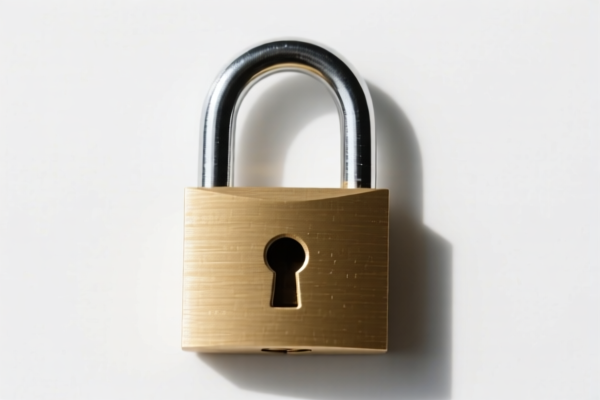
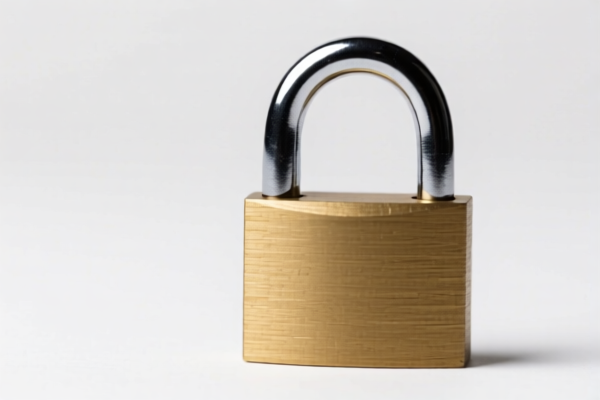
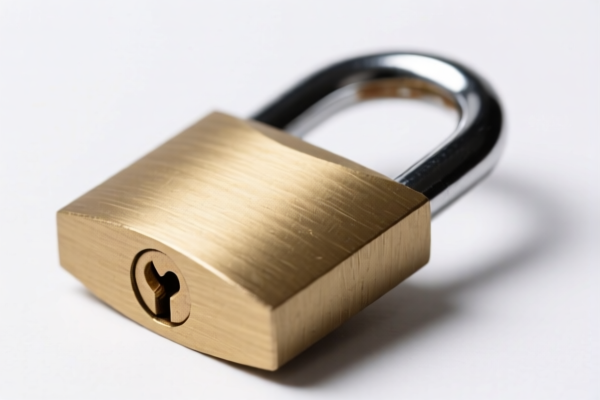
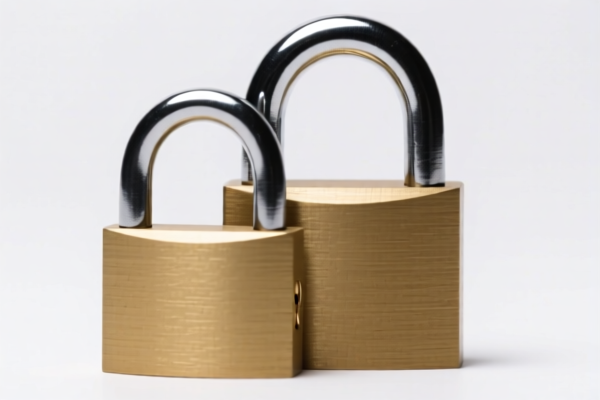
AI分析
🔐 Locks & Locking Mechanisms: The Ultimate Guide to HS Code Classification, Tariffs & Clearance
🌐 HS Code Reference & Clearance Guide | 2026 Latest Tariff Analysis | Professional Strategy
📌 I. Product Definition & Classification: What Exactly Are "Locks"?
"Locks and Locking Mechanisms" is a broad category in international trade, covering everything from simple key-operated locks to complex electronic security systems. In customs classification, the distinction is critical: Is it a mechanical lock? Or is it an electronic signal device? This difference alone can shift your tariff burden from 23.2% to a staggering 88.9%.
Two Main Categories: 1. Mechanical Locks (Chapter 83): Traditional keys, cylinders, padlocks, and hardware for doors/windows. 2. Electronic Security Devices (Chapter 85): Smart locks, access control systems, alarm-triggered locking mechanisms, and devices that function as "signal devices" for security.
⚠️ Key Distinction Point: - If the device’s primary function is mechanical retention of a door/window → Chapter 83. - If the device triggers an alarm, uses electric signals for security, or is classified under "signal apparatus" → Chapter 85. - If it is a metal fitting for building construction (e.g., hinges, brackets with locking features) → Chapter 83 (2) but potentially higher tariffs due to material-specific rules.
📦 II. HS Code Classification Details (2026 Latest Authority)
Based on the provided data, here are the four specific classifications for "Locks and Locking Mechanisms" and why they apply:
| HS Code | Product Description | Classification Logic | Primary Use Case |
|--------|--------------------------|--------------------------|
| 8301.40.60.60 | Other Locks (Non-electric) | Categorized as "Other locks" made of base metals. It fits the general scope of locking devices without complex electronic signaling. | Standard key locks, padlocks, cylinder locks for doors/furniture. |
| 8531.10.00.45 | Dial-up or Intrusion Alarms | Classified under "Theft, fire or similar alarms and signaling apparatus." The locking mechanism is part of an alarm system or is considered a "similar signaling device." | Smart locks integrated with intrusion detection; electronic bolts that trigger alarms. |
| 8531.10.00.35 | Electric/Acoustic/Vision Signal Apparatus | Categorized as "防盗/安全保护类的电声或视觉信号装置" (Electric/acoustic or visual signal devices for anti-theft/security protection). Includes devices with alarm functions. | Access control systems with audible/visual alerts; electronic locks that beep or flash. |
| 8302.41.60.45 | Base Metal Fittings for Buildings | Classified as "Metal fittings for buildings, doors, windows, etc." Composed of metal parts used for architectural security. | Heavy-duty commercial door locks, architectural hardware, metal brackets with locking functions. |
🔍 Critical Warning: - Misclassification Risk: Declaring an electronic smart lock as a simple mechanical lock (
8301) to avoid high tariffs is risky. If customs inspections reveal circuit boards or alarm capabilities, you may face reclassification to8531or even8302.41with much higher penalties. - Material Matters: For8302.41.60.45, the presence of Steel, Aluminum, or Copper triggers a massive 50% additional tariff on top of the base rate.
💰 III. 2026 Latest Tariff Rate Breakdown (Including Additional Taxes & Policy Surcharges)
✅ Applicable Country: United States (US)
✅ Origin: China (CN)
✅ Effective Time: 2025/2026 Import Period
🎯 1. 8301.40.60.60 —— Other Locks (Base Metal)
| Item | Content |
|---|---|
| Base Tariff | 5.7% |
| Section 301 Additional Tariff | 7.5% |
| Section 122 Tariff | 10% |
| Total Tax Rate | 23.2% |
| Tax Calculation | CIF Value × 23.2% |
| De Minimis Exemption | ❌ Not Available (High tariff rates usually deny de minimis for China-origin goods under these sections) |
| Legal Basis Path | HTSUS:8301.40.60.60 → Section 301: 7.5% → Section 122: 10% |
📌 Explanation: - This is the most favorable classification for standard mechanical locks. - "Section 122" refers to specific tariffs on certain Chinese goods. - Total burden: 23.2%. Manageable but significant.
🎯 2. 8531.10.00.45 & 8531.10.00.35 —— Alarm & Signal Devices
| Item | Content |
|---|---|
| Base Tariff | 1.3% |
| Section 301 Additional Tariff | 25.0% |
| Section 122 Tariff | 10% |
| Total Tax Rate | 36.3% |
| Tax Calculation | CIF Value × 36.3% |
| De Minimis Exemption | ❌ Not Available |
| Legal Basis Path | HTSUS:8531.10.00.xx → Section 301: 25% → Section 122: 10% |
📌 Explanation: - Why so high? Electronic security devices are often viewed as "dual-use" or high-tech imports, attracting the maximum 25% Section 301 tariff. - Total burden: 36.3%. This is 57% higher than the mechanical lock rate. - Applies to: Smart locks with app connectivity, alarms, electric strike plates with sensors.
🎯 3. 8302.41.60.45 —— Base Metal Fittings for Buildings (THE DANGER ZONE)
| Item | Content |
|---|---|
| Base Tariff | 3.9% |
| Section 301 Additional Tariff | 25.0% |
| Section 122 Tariff | 10% |
| Steel/Aluminum/Copper Surcharge | +50% (Additional duty on specific base metals) |
| Total Tax Rate | 88.9% |
| Tax Calculation | CIF Value × 88.9% |
| De Minimis Exemption | ❌ Not Available |
| Legal Basis Path | HTSUS:8302.41.60.45 → Section 301: 25% → Section 122: 10% → Metal Surcharge: 50% |
📌 Explanation: - This is the worst-case scenario. - The 50% surcharge is applied specifically to imports of Steel, Aluminum, or Copper articles under this heading. - If your lock hardware contains significant steel/aluminum/copper components and is classified as "building fitting," the tax skyrockets. - Total burden: 88.9%. This often makes importing this specific classification commercially unviable unless value-added significantly exceeds cost.
🛠️ IV. Clearance Practical Advice (Real-World Pitfall Avoidance)
✅ 1. Documentation Checklist (Non-Negotiable)
| Document | Mandatory? | Purpose |
|---|---|---|
| ✅ Product Specification Sheet | ✔️ | Must detail: Mechanism type (key/fob/app), materials (steel/aluminum/plastic), power source. |
| ✅ Circuit Board Photos / Schematics | ✔️ | Critical. Proves if the device is "electronic" (8531) or purely "mechanical" (8301). |
| ✅ Product Photos (with Label) | ✔️ | Shows brand, model, voltage, and "Made in China" label. |
| ✅ Commercial Invoice | ✔️ | Must clearly describe the item as "Mechanical Lock" OR "Electronic Access Control System" – never generic "Lock". |
| ✅ Bill of Lading | ✔️ | Match description with Invoice exactly. |
| ✅ Certificate of Origin | ✔️ | Required for tariff verification. |
✅ 2. Declaration Strategy (Key Mantras)
🔥 "Mechanical is Key, Electronic is Alarm, Building Fit is Metal Trap!"
| Scenario | Correct Declaration | Wrong Declaration | Consequence |
|---|---|---|---|
| Standard Padlock / Door Key Lock | 8301.40.60.60 |
"Electronic Lock" | Under-declared tax → Penalty + Back taxes |
| Smart Lock with App/Alarms | 8531.10.00.35 or .45 |
"Mechanical Lock" | Over-declared complexity? No, but risk of reclassification if electronics not visible. |
| Heavy-Duty Door Hardware (Steel) | 8302.41.60.45 |
"Lock" | 88.9% Tax! Avoid this classification if possible by emphasizing locking function over building fitting. |
✅ 3. Special Case Handling
| Situation | Handling Advice |
|---|---|
| Hybrid Devices | If a lock has a key BUT also an electric strike, declare as 8531. It is safer to pay 36.3% than risk 88.9% or penalty for misclassification. |
| Material Composition | For 8302, if the product is Stainless Steel or Brass, check if the 50% surcharge applies. Some alloys may be exempt, but "Steel/Aluminum/Copper" is strictly defined. |
| OEM Customization | Provide custom design files. If the product is unique, it may fall under "Other" categories, potentially allowing for better interpretation. |
| Pre-Ruling | Strongly Recommended. Apply for an Binding Tariff Information (BTI) or Advance Ruling from US Customs (CBP) if the product is complex. |
🌍 V. Global Market Clearance Comparison (2026)
| Country/Region | Recommended HS Code | Tariff (China Origin) | Key Certification | Notes |
|---|---|---|---|---|
| 🇺🇸 USA | 8301.40.60.60 (Mech) / 8531 (Elec) |
23.2% (Mech) / 36.3% (Elec) / 88.9% (Building) | No specific CBP cert, but accurate docs vital. | High Risk Zone due to Section 301 & 122. |
| 🇨🇳 China | 8301 |
5-10% | CCC (if electronic) | Lower tariffs, but domestic competition fierce. |
| 🇪🇺 EU | 8301 |
0-4.5% | CE / RoHS | Generally favorable. No "Section 301" equivalent. |
| 🇬🇧 UK | 8301 |
0-4.5% | UKCA | Post-Brexit rules align closely with EU for hardware. |
| 🇦🇺 Australia | 8301 |
5% | RCM (if electronic) | Moderate tariffs. |
📌 Conclusion: - USA is the most expensive market due to layered tariffs (Base + 301 + 122 + Metal Surcharge). - Electronics (
8531) are taxed heavily but predictably. - Building Fittings (8302) are a trap due to the 50% metal surcharge.
📌 VI. Common Mistakes & Pitfalls (Lessons Learned)
❌ Mistake 1: Calling a "Smart Lock" a "Mechanical Lock" to save 13% tax. 👉 Consequence: Customs inspection reveals circuitry. Reclassification to 8531 + Penalties.
❌ Mistake 2: Ignoring the "Building Fitting" classification for heavy door hardware.
👉 Consequence: Landing on 8302.41.60.45 → 88.9% Tax. Devastating margin loss.
❌ Mistake 3: Vague Description "Locks" on Invoice. 👉 Consequence: Customs officer uses "Most Favorable" or "Most Strict" interpretation. High chance of delay or audit.
✅ Correct Approach:
"Smart Door Lock, Model X, with Fingerprint Scanner & App Control, Battery Powered, Aluminum Alloy Body" → Declare as 8531. "Brass Cylinder Door Lock, Key Operated Only" → Declare as 8301.
🎯 VII. Conclusion: Precision is Profit!
🎯 Remember the Rules:
🔹 "No Electricity? Go 8301 (23.2%)." 🔹 "Has Alarms/App? Go 8531 (36.3%)." 🔹 "Heavy Steel Building Hardware? AVOID 8302 (88.9%)."
🔹 "HS Code Determines Life or Death of Your Margin!"
📌 Pro Tip: If your product is electronic, ensure the circuit board is visible in photos. If it is mechanical, ensure no electrical components are present. When in doubt, apply for a Pre-Ruling with US Customs. It costs a few hundred dollars but saves thousands in potential duties.
📣 Immediate Action:
📞 Consult a licensed Customs Broker. 📷 Provide detailed photos of the mechanism and electronics. 🚀 Secure your HS Code early. Don't let 88.9% tax lock your profits!
✨ Professional Clearance Starts with Accurate Classification! 💼 Every Percent Saved is Pure Profit!
用户评价
关于 HS 编码归类
协调制度(HS)是由世界海关组织(WCO)制定的国际贸易商品分类标准。全球 200 多个国家采用 HS 系统作为海关关税、贸易统计和进出口监管的基础。
每个 HS 编码遵循以下层级结构:
- 章(2 位)——商品大类(例如:第 84 章:机器和机械设备)
- 品目(4 位)——章内的更具体分类
- 子目(6 位)——国际通用细分,所有 WCO 成员国统一使用
- 本国细分(8-10 位)——各国自行扩展的细分编码,如美国 HTSUS 10 位编码
正确的 HS 编码归类对于顺利通关、准确缴纳关税和遵守贸易法规至关重要。错误归类可能导致海关延误、多缴关税或罚款。
从CN进口到US时,适用的关税税率可能包括:
- 最惠国(MFN)税率——适用于 WTO 成员国的标准关税税率
- 普通税率——适用于无贸易协定国家
- 贸易救济关税——附加关税,如 301 条款(反倾销)、232 条款(国家安全)或反补贴税
本页内容仅供参考。如需正式归类,请咨询当地海关或持牌报关代理。