low alkali refractory board mortar
CN → US| HS编码 | 关税税率 | 原产国 | 目的国 | 文档 |
|---|---|---|---|---|
| 6902905020 | 35.0% | CN | US | 官方文档 |
| 3816002050 | 38.0% | CN | US | 官方文档 |
| 3816002010 | 38.0% | CN | US | 官方文档 |
| 6813890050 | 35.0% | CN | US | 官方文档 |
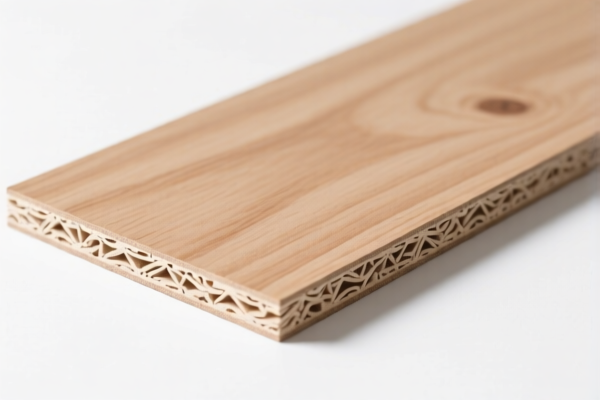
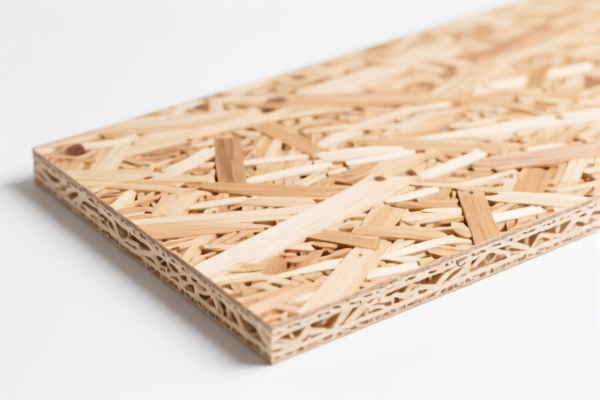
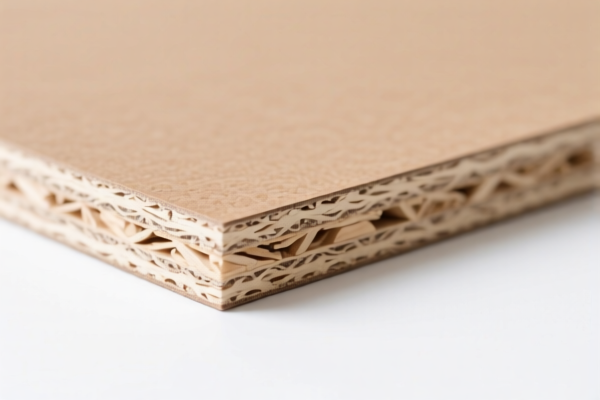
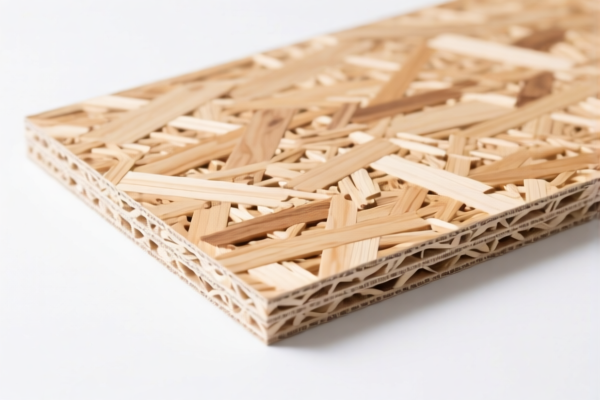
商品图片
AI分析
🧱 Low Alkali Refractory Board Mortar
🌐 HS Code Reference & Customs Clearance Guide | 2026 Latest Tariff Analysis | Professional Clearance Strategy
📌 I. Product Definition & Classification: What Exactly is "Low Alkali Refractory Board Mortar"?
Low Alkali Refractory Board Mortar is a specialized construction auxiliary material used for laying, repairing, or bonding refractory bricks, boards, and castables in high-temperature industrial kilns, furnaces, and boilers. Unlike ordinary cement, this mortar is designed to withstand extreme heat (often exceeding 1000°C) and is chemically stabilized to minimize alkali content, which prevents degradation of the refractory structure over time.
In international trade, it falls under two main logical categories depending on its precise composition: 1. Ceramic-Based Refractories: If the mortar is primarily based on clay, bauxite, or other ceramic minerals, it is classified under Chapter 69 (Ceramic Products). 2. Chemical/Mineral Based Mortars: If it is a mixture of mineral powders and chemical binders not specifically named as "refractory concrete" or "castable," it may fall under Chapter 38 (Miscellaneous Chemical Products) or Chapter 68 (Mineral Products).
⚠️ Critical Distinction Point:
- If the product is explicitly a "Refractory Material" (designed for high-temp insulation/lining) and fits the definition of ceramic products → Chapter 69 (6902).
- If the product is a "Mortar/Paste" based on mineral/chemical ingredients not specifically listed as refractory ceramics → Chapter 38 (3816) or Chapter 68 (6813).
- Note: The 2026 tariff analysis provided in reflects the complex overlap between these chapters due to specific US trade policies.
📦 II. HS Code Classification Details (2026 Latest Tariff Authority Comparison)
Based on the provided , there are four potential HS Codes. Here is the detailed breakdown:
| HS Code | Product Description | Applicability Scenario | Chemical/Nature |
|---|---|---|---|
6902.90.50.20 |
Other refractory bricks, blocks, tiles and similar refractory constructional goods | Primary Choice for Ceramic-Based Mortar: If the mortar is made from clay/bauxite and considered part of the "refractory board" assembly or a similar ceramic refractory good. | ✅ Ceramic/Clay-based |
3816.00.20.50 |
Mortars and cements not elsewhere specified or included; prepared abrasives | Chemical/Mineral Mortar: If the mortar is a prepared mixture of mineral/chemical components, fitting the general definition of "other mortars" under Chapter 38. | ✅ Chemical/Mineral Mix |
3816.00.20.10 |
Mortars and cements not elsewhere specified or included; prepared abrasives | Clay/Mineral Mortar: Similar to above, but specifically inferred as clay or mineral-based mortar similar to refractory cements. | ✅ Clay/Mineral Mix |
6813.89.00.50 |
Friction material and articles thereof, with a basis of mineral substances | Mineral Matrix Material: If the mortar is viewed as a mineral-based matrix for friction or similar industrial applications, though less common for pure refractory board mortar. | ✅ Mineral Matrix |
🔍 Key Reminder:
- Chapter 69 (6902.90.50.20) is often the most technically accurate for "Refractory" goods if they are ceramic-based.
- Chapter 38 (3816.00.20.xx) is frequently used for "Mortar" formulations that don't strictly fit the "brick/block" definition.
- Chapter 68 (6813.89.00.50) is a fallback for mineral-based materials that don't fit elsewhere.
- All options above are subject to the same high tariff structure in the US market.
💰 III. 2026 Latest Tariff Rate Details (Including Surtaxes & Policy Add-ons)
✅ Applicable Country: United States (US)
✅ Country of Origin: China (CN)
✅ Effective Date: From November 10, 2025 (including subsequent imports)
🎯 1. 6902.90.50.20 —— Other Refractory Ceramic Products
| Item | Content |
|---|---|
| Base Tariff | 0.0% |
| Section 301 Surtax | +25.0% |
| Section 122 Surtax | +10.0% |
| Total Tax Rate | 35.0% |
| Tax Calculation | CIF Value × 35% |
| De Minimis Exemption | ❌ Not Applicable (deny_de_minimis) |
| Legal Basis Path | Section 301 + Section 122 + USITC:6902.90.50.20 |
📌 Explanation:
- Although the base rate is 0%, the 35% total is a heavy burden.
- The 25% is the standard Section 301 tariff for Chinese goods.
- The additional 10% is the Section 122 tariff (often applied to national security or specific trade remedy contexts).
🎯 2. 3816.00.20.50 —— Prepared Mortars (Chemical/Mineral)
| Item | Content |
|---|---|
| Base Tariff | 3.0% |
| Section 301 Surtax | +25.0% |
| Section 122 Surtax | +10.0% |
| Total Tax Rate | 38.0% |
| Tax Calculation | CIF Value × 38% |
| De Minimis Exemption | ❌ Not Applicable |
| Legal Basis Path | Section 301 + Section 122 + USITC:3816.00.20.50 |
📌 Explanation:
- This code has a higher total rate (38%) due to the 3% base tariff.
- Suitable if the product is classified as a "prepared mortar" rather than a "refractory ceramic good."
🎯 3. 3816.00.20.10 —— Clay/Mineral Mortar
| Item | Content |
|---|---|
| Base Tariff | 3.0% |
| Section 301 Surtax | +25.0% |
| Section 122 Surtax | +10.0% |
| Total Tax Rate | 38.0% |
| Tax Calculation | CIF Value × 38% |
| De Minimis Exemption | ❌ Not Applicable |
| Legal Basis Path | Section 301 + Section 122 + USITC:3816.00.20.10 |
📌 Explanation:
- Identical tax treatment to3816.00.20.50.
- Used for mortars specifically inferred as clay or mineral-based.
🎯 4. 6813.89.00.50 —— Friction Material / Mineral Matrix
| Item | Content |
|---|---|
| Base Tariff | 0.0% |
| Section 301 Surtax | +25.0% |
| Section 122 Surtax | +10.0% |
| Total Tax Rate | 35.0% |
| Tax Calculation | CIF Value × 35% |
| De Minimis Exemption | ❌ Not Applicable |
| Legal Basis Path | Section 301 + Section 122 + USITC:6813.89.00.50 |
📌 Explanation:
- Same 35% rate as the ceramic option.
- Applied if the product is considered a mineral-based matrix rather than a ceramic product.
🛠️ IV. Customs Clearance Practical Advice (Real-World Pitfall Guide)
✅ 1. Required Documentation Checklist (All Required)
| Document | Must Provide | Description |
|---|---|---|
| ✅ Product Specification Sheet | ✔️ | Detail composition (alkali content, temperature resistance, binder type). |
| ✅ Technical Data Sheet (TDS) | ✔️ | Show it is a "Refractory Mortar" not just "construction mortar." |
| ✅ Product Photos (Label & Packaging) | ✔️ | Clear image of the label stating "Low Alkali Refractory Board Mortar." |
| ✅ Commercial Invoice | ✔️ | Must accurately describe the product, not just "Building Material." |
| ✅ Packing List | ✔️ | Detail net/gross weight, number of bags/containers. |
| ✅ Certificate of Origin (CO) | ✔️ | Essential for confirming Chinese origin and applying surtaxes. |
| ✅ MSDS (Material Safety Data Sheet) | ✔️ | Required for chemical/mineral mixtures (Chapters 38/68). |
✅ 2. Declaration Tips (Key Mantras)
🔥 "Specify 'Refractory' Not 'Cement', Clarify 'Mortar' Not 'Brick', Choose Code Wisely!"
| Scenario | Correct Declaration Approach | Incorrect Action |
|---|---|---|
| High-temp Kiln Lining Mortar | Use 6902.90.50.20 (Refractory Ceramic) |
Misdeclare as "Cement" (lower rate but high risk of audit) |
| General Construction Mortar (Non-refractory) | Use 3816.00.20.50 or similar |
Misdeclare as "Refractory" to avoid taxes (fraud risk) |
| Bulk Import vs. Retail Pack | Declare actual form (powder/granule) | Declare as "Finished Refractory Blocks" |
| Alkali Content | Highlight "Low Alkali" in description | Omit chemical details → Customs may assign wrong code |
✅ 3. Special Situation Handling
| Situation | Handling Advice |
|---|---|
| Mixed Shipment (Bricks + Mortar) | Declare separately. Bricks go to 6902, Mortar to 6902 or 3816. Do not bundle under one code if natures differ. |
| Private Label/OEM | Provide authorization letter. Description should match the manufacturer's TDS. |
| Small Samples (Under $800) | ❌ No De Minimis Exemption: Even for low-value shipments, this product category is likely denied de minimis (0807 exemption) due to Section 301/122 policies. Tax still applies. |
| Re-export after Processing | If mortared in another country, origin may change. Get proper CO from processing country. |
🌍 V. Global Market Clearance Comparison (2026 Latest)
| Country/Region | Recommended HS Code | Tariff (China Origin) | Certification Requirements | Notes |
|---|---|---|---|---|
| 🇺🇸 USA | 6902.90.50.20 / 3816.00.20.50 |
35% - 38% | None specific, but MS/SDS required | High surtaxes (301+122) apply. No de minimis. |
| 🇨🇳 China | 6902.90.90 / 3824.99 |
5% - 10% | GB Standards | Domestic consumption has lower rates. |
| 🇪🇺 EU | 6902.90 / 3824.99 |
4.5% - 6% | REACH, SDS | No Section 301 equivalent, but anti-dumping may apply. |
| 🇯🇵 Japan | 6902.90 / 3824.99 |
4.0% - 6% | JIS Standards | Moderate tariffs. |
| 🇦🇺 Australia | 6902.90 / 3824.99 |
5% | WorkSafe/SDS | Standard MFN rates. |
📌 Conclusion:
- The US is the most expensive market for this product due to the叠加 (stacking) of 25% (301) + 10% (122) tariffs.
- No duty-free or de minimis loophole exists for this specific category from China.
- Accurate classification between Ceramic (Ch 69) and Chemical Mortar (Ch 38) is critical, as it shifts the base rate from 0% to 3%.
📌 VI. Common Errors & Pitfall Guide (Lessons Learned)
❌ Error 1: Declaring as "Cement" (2523) to get lower taxes.
👉 Consequence: Customs audit reveals high-temperature resistance → Reclassified to Refractory → 35%+ tax + Penalties!
❌ Error 2: Using "Building Material" as a generic description.
👉 Consequence: Customs uses their own discretion, often assigning the highest possible rate or detaining cargo for inspection.
❌ Error 3: Assuming De Minimis ($800) applies to small batches.
👉 Consequence: Shipment held, tax bill issued for the entire value, plus storage fees. Section 301/122 goods are excluded.
❌ Error 4: Confusing "Refractory Mortar" with "Standard Tile Adhesive."
👉 Consequence: Tile adhesive may have different tax rates. If it fails high-temp tests, it's not tile adhesive. Misdeclaration leads to rejection.
✅ Correct Practice:
"Low Alkali Refractory Board Mortar, Powder, For Kiln Lining, Chemical Composition: Al₂O₃ > X%, Alkali < Y%, Manufacturer: [Name], HS Code: 6902.90.50.20"
🎯 VII. Conclusion: Professional Declaration, Save Time, Reduce Cost!
🎯 Remember the Mantra:
🔹 "Refractory is not Cement, Mortar is not Brick."
🔹 "US Taxes are Stacked: 0% Base + 25% + 10% = 35% Minimum."
🔹 "No De Minimis for This Category, Plan Ahead!"
📌 Pro Tip:
If your mortar is re-packaged or mixed in a third country (e.g., Vietnam, Thailand), ensure the Substantial Transformation rule is met to change the Country of Origin. A simple repackaging does not avoid US tariffs.
Recommendation: Apply for an Advance Ruling (Binding Ruling) from US Customs and Border Protection (CBP) if the classification between 6902 and 3816 is ambiguous for your specific chemical formula.
📣 Immediate Action:
📞 Consult with a licensed customs broker + Provide TDS + Verify HS Code via CBP Ruling
🚀 Ensure your Commercial Invoice explicitly states "Refractory" and "Low Alkali" to avoid misclassification.
✨ Professional Clearance Starts with Accurate Classification!
💼 Every Percent of Tax Matters in Refractory Trade!
用户评价
关于 HS 编码归类
协调制度(HS)是由世界海关组织(WCO)制定的国际贸易商品分类标准。全球 200 多个国家采用 HS 系统作为海关关税、贸易统计和进出口监管的基础。
每个 HS 编码遵循以下层级结构:
- 章(2 位)——商品大类(例如:第 84 章:机器和机械设备)
- 品目(4 位)——章内的更具体分类
- 子目(6 位)——国际通用细分,所有 WCO 成员国统一使用
- 本国细分(8-10 位)——各国自行扩展的细分编码,如美国 HTSUS 10 位编码
正确的 HS 编码归类对于顺利通关、准确缴纳关税和遵守贸易法规至关重要。错误归类可能导致海关延误、多缴关税或罚款。
从CN进口到US时,适用的关税税率可能包括:
- 最惠国(MFN)税率——适用于 WTO 成员国的标准关税税率
- 普通税率——适用于无贸易协定国家
- 贸易救济关税——附加关税,如 301 条款(反倾销)、232 条款(国家安全)或反补贴税
本页内容仅供参考。如需正式归类,请咨询当地海关或持牌报关代理。