low volatility plasticizer
CN → US| HS编码 | 关税税率 | 原产国 | 目的国 | 文档 |
|---|---|---|---|---|
| 3824999310 | 40.0% | CN | US | 官方文档 |
| 3824999330 | 40.0% | CN | US | 官方文档 |
| 3824994140 | 39.6% | CN | US | 官方文档 |
商品图片
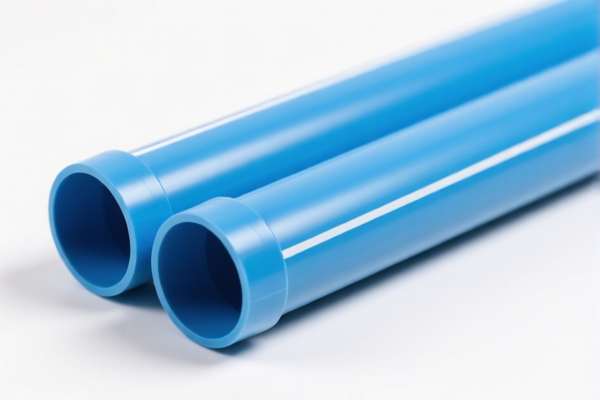
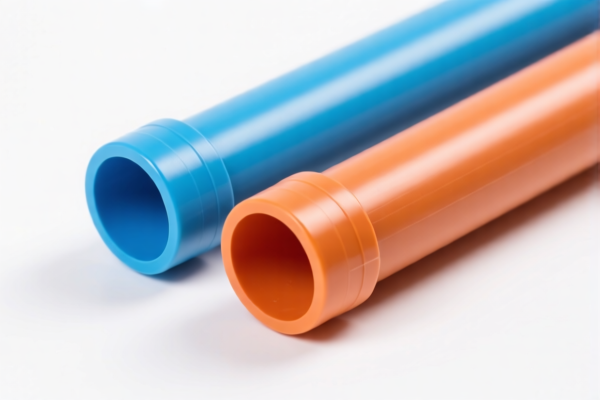
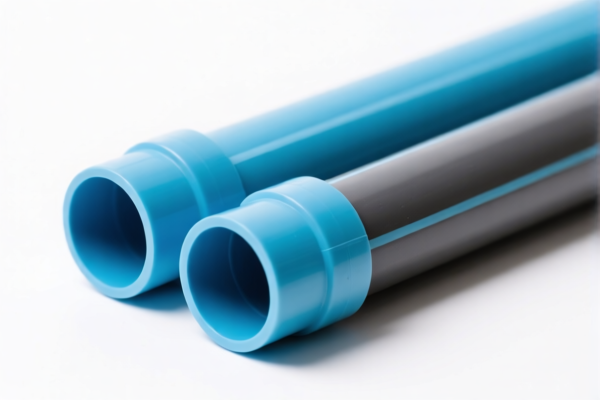
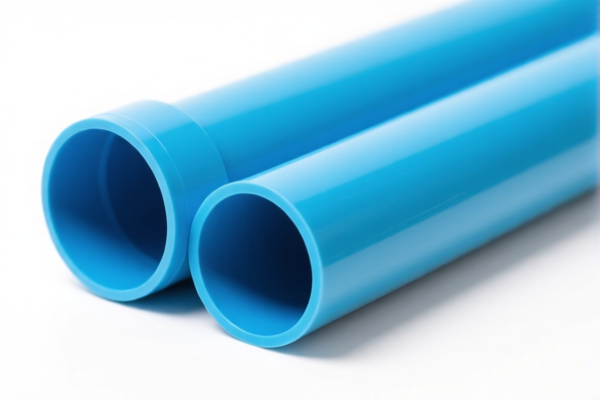
AI分析
🧪 Low Volatility Plasticizers (Chemical Aditives)
🌐 HS Code Reference & Clearance Guide | 2026 Latest Tariff Analysis | Professional Customs Strategy
📌 I. Product Definition & Classification: Do You Truly Understand "Low Volatility Plasticizers"?
Low volatility plasticizers are high-performance chemical additives primarily used to increase the flexibility, durability, and workability of polymers (such as PVC, resins, and synthetic rubbers). Their defining characteristic is low volatility, meaning they have low vapor pressure at processing temperatures, ensuring they remain embedded in the material rather than evaporating.
In international trade, these products are broadly categorized under Chapter 38 (Miscellaneous Chemical Products). Specifically, they often fall under sub-heading 3824 (Prepared Binders for Foundry Molds; Chemical Products and Preparations of the Chemical or Allied Industries, Not Elsewhere Specified or Included).
⚠️ Critical Distinction:
- If the product is a pure fatty acid ester (e.g., specific diesters derived from fatty acids), it may align with specific ester classifications under 3824.99.41.40.
- If the product is a low-molecular-weight compound with a defined chain structure or is used as a generic "other chemical preparation," it falls under the catch-all provisions of 3824.99.93 (specifically .10 or .30 depending on structural nuances).
📦 II. HS Code Classification Details (2026 Latest Tariff Authority Comparison)
| HS Code | Product Description | Applicability Criteria | Key Attribute |
|---|---|---|---|
3824.99.93.10 |
Low-molecular-weight plasticizer compounds | Chemical products with low-carbon chain structure attributes. Classified under "Chemical Products." | ✅ Low-Carbon Chain Structure |
3824.99.93.30 |
Low-molecular-weight or low-temp plasticizer compounds | Other plasticizer compounds not specified elsewhere. Based on the fallback principle for miscellaneous chemical products. | ✅ Fallback Category |
3824.99.41.40 |
Low-temperature plasticizer compounds | Fatty acid ester mixtures. Classified as Fatty Acid Esters and chemical industry products. | ✅ Fatty Acid Ester Type |
🔍 Key Reminder:
- Pure Fatty Acid Esters should ideally be classified under 3824.99.41.40 to potentially benefit from a slightly lower base tariff (4.6% vs 5.0%).
- Synthetic or Mixed Compounds without a specific fatty acid ester classification often default to 3824.99.93 codes.
- Do not confuse these with Chapter 39 (Plastics) or Chapter 29 (Organic Chemicals) unless they are specific monomers/precursors, not prepared plasticizer blends.
💰 III. 2026 Latest Tariff Rate Details (Including Additional Taxes & Policy Surcharges)
✅ Applicable Country: United States (US)
✅ Origin: China (CN)
✅ Effective Date: November 10, 2025 onwards (for subsequent imports)
🎯 1. 3824.99.93.10 & 3824.99.93.30 —— Low-Molecular-Weight Plasticizer Compounds
| Item | Content |
|---|---|
| Base Tariff Rate | 5.0% (Ad Valorem) |
| Section 301 Additional Tariff | +25.0% |
| Section 122 Tariff (IEEPA) | +10.0% |
| Total Tariff Rate | 40.0% |
| Tax Calculation | CIF Value × 40% |
| De Minimis Eligibility | ❌ Not Eligible (High value threshold; strict enforcement) |
| Legal Basis Path | Base: 3824.99.93 → Section 301: Footnote 9903.88 → IEEPA: 9903.01.25 |
📌 Explanation:
- The 5.0% base tariff applies to "prepared chemical products not elsewhere specified."
- The 25% Section 301 tariff is applied due to the product's origin (China) and its classification under specific chemical categories targeted by trade restrictions.
- The 10% IEEPA (Section 122) tariff is an additional layer for certain chemical products from China, effective from late 2025.
- Total Cost Impact: A massive 40% tax burden significantly erodes margins. Proactive planning is essential.
🎯 2. 3824.99.41.40 —— Low-Temperature Plasticizer Compounds (Fatty Acid Esters)
| Item | Content |
|---|---|
| Base Tariff Rate | 4.6% (Ad Valorem) |
| Section 301 Additional Tariff | +25.0% |
| Section 122 Tariff (IEEPA) | +10.0% |
| Total Tariff Rate | 39.6% |
| Tax Calculation | CIF Value × 39.6% |
| De Minimis Eligibility | ❌ Not Eligible |
| Legal Basis Path | Base: 3824.99.41 → Section 301: Footnote 9903.88 → IEEPA: 9903.01.25 |
📌 Note:
- This code offers a 0.4% savings compared to the .93.10/.93.30 codes, solely due to a lower base rate (4.6% vs 5.0%).
- This classification strictly requires the product to be identified as a Fatty Acid Ester mixture. Misclassification here to avoid tariffs carries high compliance risks.
- Even with the slight reduction, the total tariff remains extremely high (39.6%).
🛠️ IV. Clearance Practical Advice (Battle-Tested Pitfall Avoidance Guide)
✅ 1. Documentation Checklist (Non-Negotiable)
| Document | Required | Purpose |
|---|---|---|
| ✅ Technical Data Sheet (TDS) | ✔️ | Must explicitly state "Low Volatility" and chemical composition. |
| ✅ Chemical Structure Diagram | ✔️ | Proves if it is a Fatty Acid Ester (for 3824.99.41.40) or a general compound (for 3824.99.93). |
| ✅ Safety Data Sheet (SDS) | ✔️ | Confirms hazardous nature (if any) and proper handling classification. |
| ✅ Commercial Invoice | ✔️ | Must clearly describe the product as "Prepared Chemical Plasticizer" and include HS Code. |
| ✅ Certificate of Analysis (COA) | ✔️ | Verifies purity and molecular weight, supporting the "Low Molecular Weight" claim. |
| ✅ Bill of Lading | ✔️ | Consistent with invoice description. |
✅ 2. Declaration Strategy (Key Mantras)
🔥 “Ester Claims Structure, Compound Claims Function, Accuracy Saves 0.4%!”
| Scenario | Correct Declaration | Wrong Action |
|---|---|---|
| Product is a Pure Fatty Acid Ester | 3824.99.41.40 |
Declaring as generic "plasticizer" → Risk of audit & 40% rate |
| Product is a Synthetic Compound | 3824.99.93.10 or .30 |
Declaring as "Fatty Ester" → Fraud Risk |
| Product is a Preparation/Mixture | 3824.99.93 |
Declaring as raw material (Chapter 29) → Misclassification Penalty |
✅ 3. Special Circumstances Handling
| Situation | Handling Advice |
|---|---|
| Blended Products | If the plasticizer is mixed with solvents or other agents, it likely falls under 3824.99.93. Do not attempt to classify pure ingredients separately. |
| "Low Temperature" Claim | Ensure technical specs support the "low-temperature" or "low-volatility" claim. If vague, customs may default to the higher base rate or request further testing. |
| Exemption Requests | There are no general exemptions for these chemical products from the US (China-origin). Focus on accurate classification to avoid penalties. |
| Supply Chain Shift | Consider sourcing from non-China countries (e.g., Vietnam, India) if volume is high, to avoid Section 301 & IEEPA tariffs entirely. |
🌍 V. Global Main Market Clearance Comparison (2026 Latest)
| Country/Region | Recommended HS Code | Tariff Rate (China Origin) | Certification Requirements | Remarks |
|---|---|---|---|---|
| 🇺🇸 USA | 3824.99.93 / 3824.99.41 |
39.6% – 40.0% | TSCA Compliance, SDS | Highest Barrier |
| 🇨🇳 China | 3824.99.93 |
5.0% | REACH-like Registration | Low entry barrier |
| 🇪🇺 EU | 3824.90 |
6.5% | REACH Registration | High regulatory compliance cost |
| 🇯🇵 Japan | 3824.90 |
6.0% | ISO Standards | Moderate compliance |
| 🇦🇺 Australia | 3824.90 |
5.0% | AICIS Registration | Moderate compliance |
📌 Conclusion:
- The US market is uniquely punitive for Chinese-origin plasticizers, imposing nearly 40% in tariffs.
- EU and Japan have lower tariffs but higher regulatory hurdles (REACH/AICIS).
- Cost-Benefit Analysis: For US imports, the 40% tariff may make sourcing from non-China regions financially superior.
📌 VI. Common Mistakes & Pitfall Guide (Lessons Learned from Pain)
❌ Mistake 1: Declaring "Plasticizer" as a raw chemical (Chapter 29)
👉 Consequence: Customs will reclassify as Chapter 38, apply 301/IEEPA taxes, and issue penalties for misdeclaration.
❌ Mistake 2: Ignoring the "Fatty Acid Ester" distinction
👉 Consequence: Missing the 0.4% base rate savings by not properly documenting the ester structure for 3824.99.41.40.
❌ Mistake 3: Claiming "De Minimis" for low-value shipments
👉 Consequence: Chemical products are often excluded or strictly scrutinized for de minimis exemptions. Risk of seizure.
❌ Mistake 4: Vague Descriptions ("Plastic Additive")
👉 Consequence: Customs holds shipment for commodity verification, causing delays and storage fees.
✅ Correct Practice:
"Low Volatility Fatty Acid Ester Plasticizer, Prepared for PVC Stabilization, TSCA Compliant, Model XYZ, Made in China"
🎯 VII. Conclusion: Precision Classification for Cost Control
🎯 Remember the Mantra:
🔹 "Ester Structure Matters, 0.4% Savings Count, 40% Total Tax is the Reality!"
🔹 "Accurate Docs Avoid Delays, Sourcing Diversification Avoids Tariffs!"
📌 Pro Tip:
If your plasticizers are high-volume, consider re-shipment from third countries or local production to avoid the 39.6%-40% US tariff block.
Apply for a Binding Tariff Information (BTI) or US Customs Advance Ruling to secure your HS code and avoid post-entry audits.
📣 Immediate Action:
📞 Engage a Customs Broker + Provide Technical Specs + Verify Ester Status
🚀 Navigate the 40% Tariff Wall with Precision, Secure Your Supply Chain, Protect Your Margin!
✨ Professional Clearance Starts with Accurate Classification!
💼 Every Percent of Tariff is Lost Profit – Calculate Precisely!
用户评价
关于 HS 编码归类
协调制度(HS)是由世界海关组织(WCO)制定的国际贸易商品分类标准。全球 200 多个国家采用 HS 系统作为海关关税、贸易统计和进出口监管的基础。
每个 HS 编码遵循以下层级结构:
- 章(2 位)——商品大类(例如:第 84 章:机器和机械设备)
- 品目(4 位)——章内的更具体分类
- 子目(6 位)——国际通用细分,所有 WCO 成员国统一使用
- 本国细分(8-10 位)——各国自行扩展的细分编码,如美国 HTSUS 10 位编码
正确的 HS 编码归类对于顺利通关、准确缴纳关税和遵守贸易法规至关重要。错误归类可能导致海关延误、多缴关税或罚款。
从CN进口到US时,适用的关税税率可能包括:
- 最惠国(MFN)税率——适用于 WTO 成员国的标准关税税率
- 普通税率——适用于无贸易协定国家
- 贸易救济关税——附加关税,如 301 条款(反倾销)、232 条款(国家安全)或反补贴税
本页内容仅供参考。如需正式归类,请咨询当地海关或持牌报关代理。