lynx furskins
CN → US| HS编码 | 关税税率 | 原产国 | 目的国 | 文档 |
|---|---|---|---|---|
| 4301800220 | 17.5% | CN | US | 官方文档 |
| 4103901190 | 17.5% | CN | US | 官方文档 |
| 4103902000 | 20.8% | CN | US | 官方文档 |
商品图片
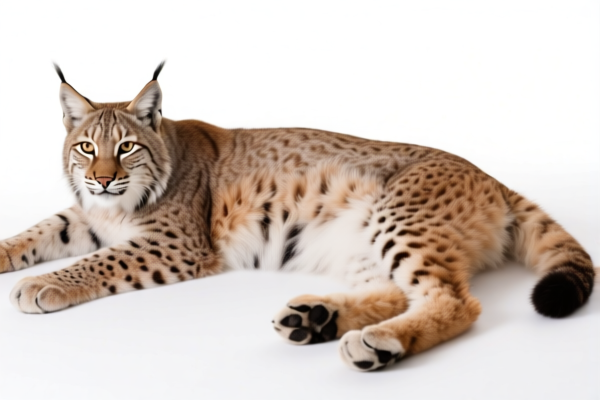
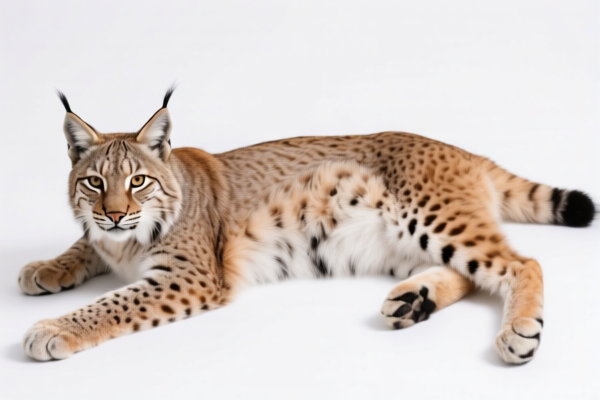
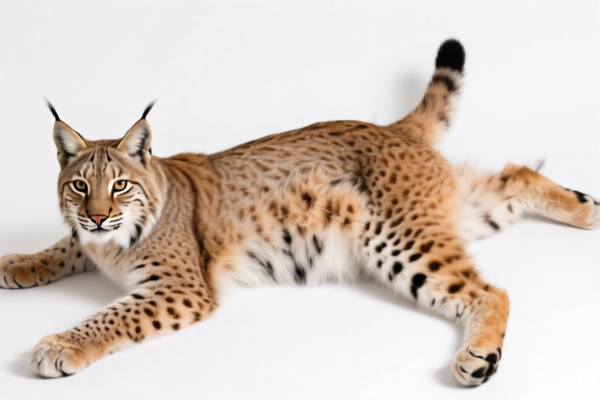
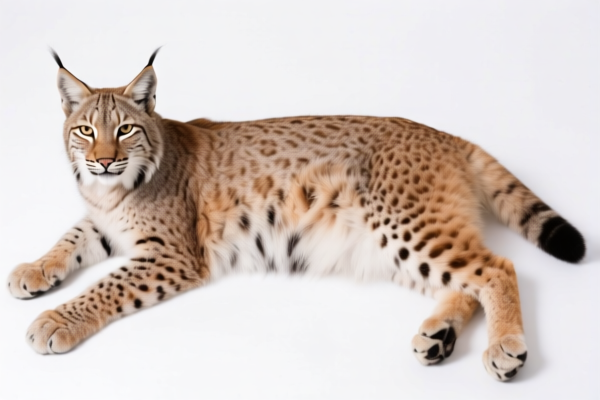
AI分析
🦊 Lynx Furskins: The Ultimate Guide to HS Code Classification & US Customs Clearance
🌐 HS Code Reference & Customs Clearance Guide | 2026 Latest Tariff Analysis | Professional Strategy for Fur Imports
📌 Part 1: Product Definition & Classification – Do You Really Understand "Lynx Furskins"?
Lynx furskins are raw, unprocessed hides obtained from the lynx (a wild cat species). In international trade, the classification of these skins is critical because it depends entirely on their state of preservation (raw vs. tanned) and specific species identification.
For Raw Lynx Skins (unprocessed, salted, or dried), customs authorities strictly differentiate based on specific HS headings for "raw hides and skins." Misclassification can lead to severe penalties, cargo detention, or retroactive tax assessments.
⚠️ Key Distinction:
- Raw/Unprocessed Skins: Must be classified under Heading 41 or 43 depending on exact preparation. - Tanned/Cured Skins: Would fall under different subheadings (not covered in the provided data, but crucial for future reference). - Species Specificity: "Lynx" is a specific wild animal; misdeclaring as "domestic fur" or generic "animal skin" is a major compliance risk.
📦 Part 2: HS Code Classification Details (2026 Latest Tariff Authority Comparison)
Based on the provided data, here are the three specific HS Codes for Raw Lynx Furskins and their corresponding tax structures.
| HS Code | Product Description | Key Classification Logic | Tax Rate (Total) |
|---|---|---|---|
4301.80.02.20 |
Raw Lynx Skins (State: Raw Skin) | Classified under Chapter 43 (Furskins). Defines the item as raw fur skins matching the material/category definition of raw lynx pelts. | 17.5% |
4103.90.11.90 |
Raw Lynx Skins (Un-tanned Original) | Classified under Chapter 41 (Leather). Defined as un-tanned original skins, fitting the description of "pre-tanned" raw hides. | 17.5% |
4103.90.20.00 |
Raw Lynx Skins (Explicit Raw Material) | Classified under Chapter 41. Explicitly includes raw skin material, meeting the requirement for un-tanned raw skins. | 20.8% |
🔍 Important Note:
- All three codes apply to Raw (Un-tanned) lynx skins. - The difference lies in the legal pathway (Chapter 41 vs. Chapter 43) and the basis of assessment for tariffs. - Chapter 43 (4301) is generally for furskins with hair, while Chapter 41 (4103) is for raw hides without hair or specific raw materials. Note: Lynx skins typically have hair, so 4301 is often the more natural fit, but 4103 codes are provided in the data as valid alternatives depending on specific preparation (e.g., salted raw vs. fresh frozen).
💰 Part 3: 2026 Latest Tariff Rate Breakdown (Including Additional Taxes & Policy Surcharges)
✅ Applicable Country: United States (US)
✅ Origin: China (CN) (Implied by "122 Clause" and "Section 301" context in tax details)
✅ Effective Time: Current 2026 Tariff Regime
🎯 1. 4301.80.02.20 & 4103.90.11.90 – Raw Lynx Skins (Lower Tax Bracket)
| Item | Detail |
|---|---|
| Base Tariff Rate | 0.0% (ad valorem) |
| Section 301 Additional Tariff | +7.5% |
| Section 122 Tariff | +10% |
| Total Effective Tariff | 17.5% |
| Tax Calculation | CIF Value × 17.5% |
| Legal Basis | Combined USITC Base + Section 301 (China) + Section 122 (Specific Trade Remedy) |
📌 Explanation:
- Base Rate 0%: Raw furskins often have low base tariffs under MFN (Most Favored Nation) terms. - Section 301 (7.5%): Standard additional duty for Chinese-origin goods under Trade Act of 1974, Section 301. - Section 122 (10%): A specific trade remedy tariff (often used for balance of payments or specific sector protection). Note: Section 122 authority varies by year; assume active based on provided data. - Total: 17.5%. This is a moderate-high tariff for raw materials, impacting profit margins significantly.
🎯 2. 4103.90.20.00 – Raw Lynx Skins (Explicit Raw Material)
| Item | Detail |
|---|---|
| Base Tariff Rate | 3.3% (ad valorem) |
| Section 301 Additional Tariff | +7.5% |
| Section 122 Tariff | +10% |
| Total Effective Tariff | 20.8% |
| Tax Calculation | CIF Value × 20.8% |
| Legal Basis | Higher base duty due to specific subheading classification under Chapter 41. |
📌 Explanation:
- Base Rate 3.3%: This HS code carries a higher base duty, likely because it is categorized under a broader or less preferential subheading in Chapter 41. - Add-on Taxes: Same as above (7.5% + 10%). - Total: 20.8%. This is the highest tariff option in the provided data. Importers should strive to classify under4301.80.02.20or4103.90.11.90if legally permissible, to save 3.3%.
🛠️ Part 4: Customs Clearance Practical Advice (Actionable Pitfall Avoidance)
✅ 1. Required Documentation Checklist (Mandatory)
| Document | Required? | Purpose |
|---|---|---|
| ✅ Commercial Invoice | ✔️ | Must clearly state "Raw Lynx Furskins" and specify "Un-tanned". |
| ✅ Packing List | ✔️ | Detail number of skins, weight (gross/net), and dimensions. |
| ✅ CITES Permit | ✔️ | CRITICAL: Lynx is a protected species. CITES Appendix II/III permits are mandatory for legal import/export. |
| ✅ Species Identification Report | ✔️ | Proof that the skin is from Lynx species, not domestic cats or other felines. |
| ✅ Treatment Certificate | ✔️ | Evidence of preservation method (e.g., salted, dried, frozen) to support HS Code choice. |
✅ 2. Classification Strategy (Key Tips)
🔥 “Choose Chapter 43 for Hair-On, Chapter 41 for Bare/Prep; Verify CITES First!”
| Scenario | Recommended HS Code | Reason |
|---|---|---|
| Raw Skins with Fur Intact | 4301.80.02.20 |
Chapter 43 is specifically for "Furskins and皮毛" (Furskins with hair). Lower total tax (17.5%). |
| Skinned/De-haired Raw Hides | 4103.90.11.90 |
Chapter 41 is for raw hides/skins without hair. If prepared as bare raw hides, this applies. |
| Unclear Preparation Status | 4103.90.20.00 |
Use only if documentation explicitly states "Raw Material" under Chapter 41 definitions. Highest tax (20.8%). |
📌 Warning:
- Do NOT misdeclare Lynx as "Fox" or "Rabbit" – penalties include seizure and fines. - Do NOT assume "Raw" means "0% Tax". Section 301 and 122 still apply. - CITES Compliance: If CITES documents are missing, customs will seize the goods, regardless of HS Code accuracy.
✅ 3. Special Handling for "Section 122" Tariffs
📌 Note on Section 122:
- Section 122 tariffs are not permanent. They are often imposed under specific executive orders or trade agreements. - Verify Current Status: Check if Section 122 is active for the specific import date in 2026. If repealed, the total tax drops to 7.5% (Section 301 only) for codes 1 & 2, or 10.8% for code 3. - Advantage: If Section 122 is removed,4301.80.02.20becomes 7.5% total, which is highly competitive.
🌍 Part 5: Global Market Comparison (2026 Overview)
| Market | HS Code Focus | Tariff Estimate | Key Requirement |
|---|---|---|---|
| 🇺🇸 USA | 4301.80.02.20 or 4103.90.11.90 |
17.5% (with Sec 122) | CITES Permit, Section 301 Declaration |
| 🇪🇺 EU | 4301.10 or 4103.90 |
Varies (0-12%) | CITES EUC, REACH Compliance |
| 🇨🇳 China | 4301.10.00 |
5-10% | CITES Certificate, Import License |
| 🇬🇧 UK | 4301.10 |
0-12% | CITES UK Permit, Post-Brexit Rules |
📌 Conclusion:
- The US market is the most tariff-sensitive due to the combination of Section 301 and Section 122. - CITES is the universal barrier. Ensure your supply chain has valid CITES certificates for every shipment.
📌 Part 6: Common Mistakes & Pitfalls (Lessons Learned)
❌ Mistake 1: Declaring "Fox Skins" instead of "Lynx Skins"
👉 Consequence: CITES violation → Cargo Seized, heavy fines, potential criminal charges.
❌ Mistake 2: Using 4103.90.20.00 without justification
👉 Consequence: Overpaying 3.3% more in tariffs than necessary. Always argue for 4301 if fur is intact.
❌ Mistake 3: Ignoring Section 122 Status
👉 Consequence: Budgeting errors. If Section 122 is active, budget for 17.5/20.8%. If not, budget for 7.5/10.8%.
❌ Mistake 4: Submitting CITES Permit after Customs Request
👉 Consequence: Port Storage Fees, Demurrage, and Delayed Release. Submit before arrival.
✅ Correct Approach:
"Raw Lynx Furskins, Preserved by Salting, CITES Permit #XXXX, Origin: [Country], HS Code: 4301.80.02.20, Total Duty: 17.5%"
🎯 Part 7: Conclusion – Smart Classification, Smart Savings!
🎯 Remember the Key Rules:
🔹 "Fur on = Chapter 43; No Fur = Chapter 41."
🔹 "Section 122 is the Wildcard – Check its Status Daily."
🔹 "CITES is Non-Negotiable – No Permit, No Entry."
🔹 "Tax Savings: 4301 (17.5%) < 4103.20 (20.8%)."
📌 Pro Tip:
If you are importing large volumes, consider applying for a Section 301 Exclusion (if available) or Customs Ruling to confirm your HS Code choice. This can save 7.5% on base tariffs and 10% on Section 122.
📣 Immediate Action:
📞 Contact your Customs Broker: Provide species ID + CITES status.
📄 Prepare Documentation: Invoice, Packing List, CITES Permit, Treatment Certificate.
🚀 Optimize Classification: Aim for4301.80.02.20to minimize tax burden.
✨ Professional Clearance Starts with Accurate Classification!
💼 Every Percent Saved is Pure Profit!
用户评价
关于 HS 编码归类
协调制度(HS)是由世界海关组织(WCO)制定的国际贸易商品分类标准。全球 200 多个国家采用 HS 系统作为海关关税、贸易统计和进出口监管的基础。
每个 HS 编码遵循以下层级结构:
- 章(2 位)——商品大类(例如:第 84 章:机器和机械设备)
- 品目(4 位)——章内的更具体分类
- 子目(6 位)——国际通用细分,所有 WCO 成员国统一使用
- 本国细分(8-10 位)——各国自行扩展的细分编码,如美国 HTSUS 10 位编码
正确的 HS 编码归类对于顺利通关、准确缴纳关税和遵守贸易法规至关重要。错误归类可能导致海关延误、多缴关税或罚款。
从CN进口到US时,适用的关税税率可能包括:
- 最惠国(MFN)税率——适用于 WTO 成员国的标准关税税率
- 普通税率——适用于无贸易协定国家
- 贸易救济关税——附加关税,如 301 条款(反倾销)、232 条款(国家安全)或反补贴税
本页内容仅供参考。如需正式归类,请咨询当地海关或持牌报关代理。