machine tool v belts
CN → US| HS编码 | 关税税率 | 原产国 | 目的国 | 文档 |
|---|---|---|---|---|
| 4010313000 | 38.4% | CN | US | 官方文档 |
| 4010316000 | 37.8% | CN | US | 官方文档 |
| 5910001010 | 39.0% | CN | US | 官方文档 |
| 4010313000 | 38.4% | CN | US | 官方文档 |
| 4010316000 | 37.8% | CN | US | 官方文档 |
商品图片
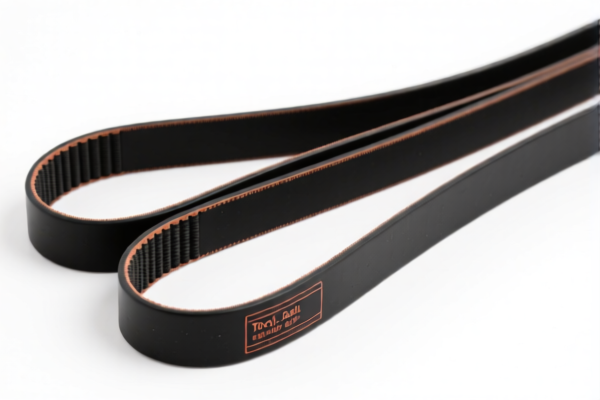
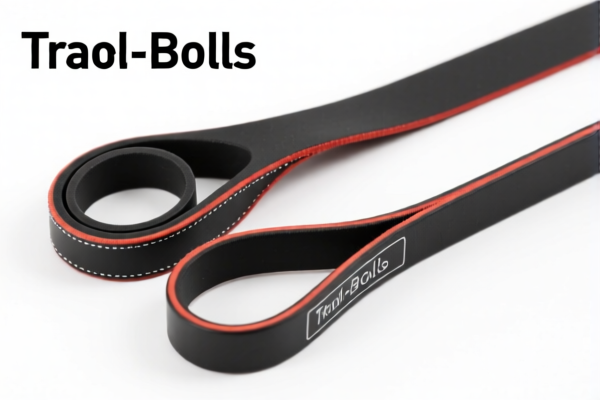
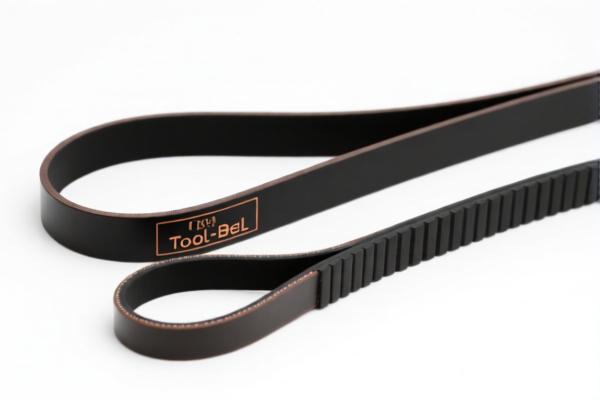
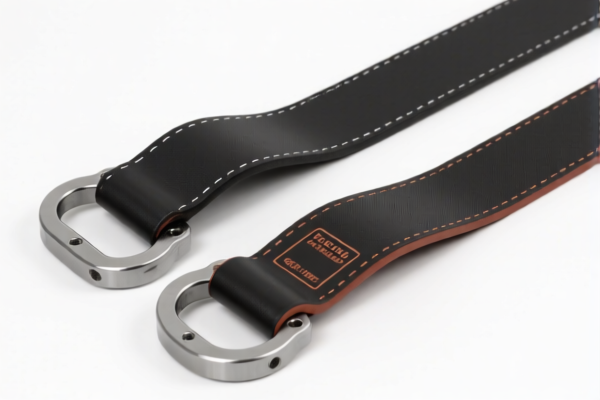
AI分析
⚙️ Machine Tool V Belts (Power Transmission Belts)
🌐 HS Code Reference & Customs Clearance Guide | 2026 Latest Tariff Analysis | Professional Clearance Strategy
📌 I. Product Definition & Classification: Do You Really Know "V-Belts"?
V-belts are critical power transmission components used to transfer mechanical power from a driver pulley to a driven pulley in machine tools, agricultural equipment, and industrial machinery. In international trade, they are primarily classified under Chapter 40 (Rubber Articles) or Chapter 59 (Textile Impregnated Articles) depending on the core material and manufacturing process.
Key Distinctions: 1. Pure Rubber Construction: Belts made primarily of硫化橡胶 (vulcanized rubber) without significant textile reinforcement structure → HS 4010. 2. Reinforced/Composite Construction: Belts where textile (nylon, polyester, steel cord) provides the primary tensile strength, or belts used for conveyor systems (even if V-shaped) → HS 5910 or specific 4010 subheadings based on exact截面 (cross-section) and material composition.
⚠️ Critical Classification Point:
- If the belt is a standard V-shape (trapezoidal cross-section) and made of vulcanized rubber, it generally falls under 4010.31.
- If it is a conveyor belt with a V-shape profile or made of artificial fiber/rubber composite specifically for conveying, it may fall under 5910.00.
- Misclassification Risk: Using "Conveyor" for a standard drive belt, or "Rubber Belt" for a textile-reinforced conveyor belt, leads to significant duty differences.
📦 II. HS Code Classification Details (2026 Latest Tariff Authority Comparison)
Based on the provided data, here are the specific HS Codes and their corresponding tax breakdowns for Machine Tool V Belts. Note that all entries are subject to US import duties (Base + Section 301 + 122 Clause).
| HS Code | Product Description | Material/Structure | Total Tax Rate | Key Component |
|---|---|---|---|---|
4010.31.30.00 |
V-belt, trapezoidal cross-section, rubber/textile combination material | Rubber + Textile Blend | 38.4% | Textile Reinforced Rubber |
4010.31.60.00 |
V-belt, trapezoidal cross-section, vulcanized rubber | Vulcanized Rubber Only | 37.8% | Pure Rubber Construction |
5910.00.10.10 |
V-belt conveyor belt, artificial fiber/rubber material | Artificial Fiber + Rubber | 39.0% | Conveyor-Type Composite |
4010.31.30.00 |
V-belt conveyor belt, trapezoidal cross-section, vulcanized rubber & textile | Rubber + Textile (Conveyor) | 38.4% | Composite Conveyor |
4010.31.60.00 |
V-belt conveyor belt, trapezoidal cross-section, vulcanized rubber | Rubber (Conveyor) | 37.8% | Conveyor-Type Rubber |
🔍 Key Insight:
-5910.00.10.10carries the highest total tax (39.0%). This is typically for conveyor belts where the textile backbone is dominant. -4010.31.60.00carries the lowest total tax (37.8%). This applies to pure rubber V-belts or conveyors where rubber is the primary constituent. -4010.31.30.00is a middle ground (38.4%) for rubber-textile composites.
💰 III. 2026 Latest Tariff Rate Breakdown (Including Surcharge & Policy Add-ons)
✅ Applicable Country: United States (US)
✅ Country of Origin: China (CN)
✅ Effective Date: Current rates as per 2026 data
🎯 1. 4010.31.30.00 & 4010.31.60.00 —— V-Belts (Rubber/Textile or Pure Rubber)
| Item | Content |
|---|---|
| Base Tariff | 2.8% - 3.4% (ad valorem) |
| Section 301 Surcharge | +25.0% |
| 122 Clause Surcharge | +10.0% |
| Total Tax Rate | 37.8% - 38.4% |
| Tax Calculation | CIF Value × Total Rate |
| De Minimis Exemption | ❌ Not Eligible (Deny de minimis for Section 301/122 goods) |
| Legal Basis Path | HTSUS:4010.31.xxxx → Section 301: Footnote 9903.88.01 → 122 Clause |
📌 Explanation:
- Base Tariff: Varies slightly between 2.8% and 3.4% depending on the exact material composition (pure rubber vs. rubber-textile blend). - Section 301 (+25%): Applied due to the product being classified under Chapter 40 from China. - 122 Clause (+10%): Additional surcharge applied to specific industrial components under current trade policies. - Total: Ranges from 37.8% (pure rubber) to 38.4% (rubber-textile composite).
🎯 2. 5910.00.10.10 —— V-Belt Conveyor Belts (Artificial Fiber/Rubber)
| Item | Content |
|---|---|
| Base Tariff | 4.0% (ad valorem) |
| Section 301 Surcharge | +25.0% |
| 122 Clause Surcharge | +10.0% |
| Total Tax Rate | 39.0% |
| Tax Calculation | CIF Value × 39.0% |
| De Minimis Exemption | ❌ Not Eligible |
| Legal Basis Path | HTSUS:5910.00.10 → Section 301 → 122 Clause |
📌 Explanation:
- Base Tariff: Higher base rate (4.0%) due to the textile content (Chapter 59). - Surcharges: Same 35% total surcharge (25% + 10%). - Total: 39.0%, the highest among the listed codes.
🛠️ IV. Customs Clearance Practical Advice (Actionable Pitfall Avoidance)
✅ 1. Documentation Checklist (Mandatory)
| Document | Required | Purpose |
|---|---|---|
| ✅ Product Specification Sheet | ✔️ | Must detail: Cross-section (e.g., A, B, C, 3V, 5V), Length, Material (Rubber % vs. Textile %), Intended Use (Drive vs. Conveyor). |
| ✅ Material Composition Statement | ✔️ | Crucial for distinguishing between 4010 (Rubber) and 5910 (Textile/Rubber). |
| ✅ Product Photos (Cross-section & Label) | ✔️ | Show the trapezoidal shape and any textile layers visible in cut sections. |
| ✅ Commercial Invoice | ✔️ | Clearly state "V-Belt for Power Transmission" or "V-Belt Conveyor Belt". Do not use vague terms like "Rubber Belt". |
| ✅ Packing List | ✔️ | Verify weight and dimensions match customs valuation. |
✅ 2. Declaration Tips (Key Mantras)
🔥 "Material Dictates Code, Use Defines Category!"
| Scenario | Correct HS Code | Risk of Error |
|---|---|---|
| Standard Drive V-Belt (Rubber + Cord) | 4010.31.30.00 |
Misclassifying as 5910 → Overpay 0.6% |
| Pure Rubber V-Belt | 4010.31.60.00 |
Misclassifying as 4010.31.30 → Overpay 0.6% |
| Conveyor Belt with V-Profile | 5910.00.10.10 (if textile-heavy) or 4010.31.60.00 (if rubber-heavy) |
Misclassifying a rubber-heavy conveyor as 5910 → Overpay 1.2% |
| Generic "Transmission Belt" | Always specify "V-Belt" | Vague description → Customs detention & re-classification |
📌 Note:
- Drive Belts (for motors) are typically4010.
- Conveyor Belts (for moving materials) are typically5910if textile-reinforced, but can be4010if primarily rubber.
- Cross-section: Ensure the "Trapezoidal" description is included in the declaration to support4010.31.
✅ 3. Special Cases & Risk Management
| Case | Handling Advice |
|---|---|
| Hybelts/Multi-V Belts | If they have multiple V-ridges, ensure they are declared as "V-Belts" not "Belt Assemblies". |
| Raw Rubber Belts (Unvulcanized) | May fall under 4008 (not listed here). Ensure final product is vulcanized for 4010. |
| Repaired Belts | If imported for repair, different duties may apply. Declare as "Used" if applicable. |
| OEM vs. Branded | Duty rate is the same, but brand declaration is required for IPR checks. |
🌍 V. Global Market Comparison (2026 Snapshot)
| Country/Region | Recommended HS Code | Est. Duty Rate (China Origin) | Key Requirements | Notes |
|---|---|---|---|---|
| 🇺🇸 USA | 4010.31.30.00 / 4010.31.60.00 / 5910.00.10.10 |
37.8% - 39.0% | Detailed material breakdown, Section 301 compliance | High duty burden; no de minimis. |
| 🇨🇳 China | 4010.31.30.00 / 4010.31.60.00 |
~2.8% - 4.0% (Import) | CCC (if applicable), Invoice | Low base duty. |
| 🇪🇺 EU | 4010.31.30.00 / 4010.31.60.00 |
0% - 4.5% (varies by origin) | CE Mark (if machinery), REACH | Preferential tariffs if from eligible countries. |
| 🇲🇽 Mexico | 4010.31.30.00 / 4010.31.60.00 |
0% (under USMCA if originating) | USMCA Certificate of Origin | Key for North American supply chain. |
📌 Conclusion:
- USA is the most expensive market for V-belts from China due to Section 301 and 122 Clause tariffs.
- Supply Chain Optimization: Consider sourcing from Vietnam or Mexico if possible to avoid US surcharges.
- Cost Impact: A $10,000 shipment could incur $3,780 - $3,900 in duties alone.
📌 VI. Common Errors & Pitfalls (Lessons Learned)
❌ Error 1: Declaring "Rubber Belt" without specifying "V-Belt" or "Conveyor"
👉 Consequence: Customs may select 5910 (39.0%) by default if text is ambiguous → Overpayment.
❌ Error 2: Ignoring the "Textile Content" in composite belts
👉 Consequence: Misclassifying a 4010.31.30 (38.4%) as 4010.31.60 (37.8%) → Underpayment & Penalties.
❌ Error 3: Using "Belts" as a generic term in the invoice
👉 Consequence: Customs delay for additional information request (AIR) → Storage fees.
❌ Error 4: Failing to disclose Section 301 compliance
👉 Consequence: Goods held at port, potential seizure if declared incorrectly.
✅ Correct Declaration Example:
"V-Belt, Trapezoidal Cross-Section, Vulcanized Rubber with Nylon Cord Reinforcement, for Machine Tool Power Transmission, Model V-500, HS Code 4010.31.30.00"
🎯 VII. Conclusion: Precision in Classification, Efficiency in Clearance
🎯 Remember the Mantra:
🔹 "Rubber Base? 4010. Textile Core? 5910. V-Shape is Key. Section 301 is Mandatory!"
🔹 "38% Duty is the New Normal. Declare Precisely to Avoid Delays."
📌 Pro Tip:
- If your V-belts are originating from Vietnam, Malaysia, or Mexico, they may be exempt from Section 301 tariffs.
- Apply for a Customs Ruling if your product has a complex hybrid structure (e.g., Rubber + Steel Cord + Textile).
- Audit your invoices to ensure "Material Composition" is clearly stated to support the HS Code chosen.
📣 Immediate Action:
📞 Consult a licensed customs broker + Provide Product Cutaway Diagram + Verify Origin Certificate
🚀 Secure your supply chain, minimize duty costs, and ensure smooth clearance!
✨ Professional Clearance Starts with Accurate Classification!
💼 Every Dollar Saved is a Dollar Earned in International Trade!
用户评价
关于 HS 编码归类
协调制度(HS)是由世界海关组织(WCO)制定的国际贸易商品分类标准。全球 200 多个国家采用 HS 系统作为海关关税、贸易统计和进出口监管的基础。
每个 HS 编码遵循以下层级结构:
- 章(2 位)——商品大类(例如:第 84 章:机器和机械设备)
- 品目(4 位)——章内的更具体分类
- 子目(6 位)——国际通用细分,所有 WCO 成员国统一使用
- 本国细分(8-10 位)——各国自行扩展的细分编码,如美国 HTSUS 10 位编码
正确的 HS 编码归类对于顺利通关、准确缴纳关税和遵守贸易法规至关重要。错误归类可能导致海关延误、多缴关税或罚款。
从CN进口到US时,适用的关税税率可能包括:
- 最惠国(MFN)税率——适用于 WTO 成员国的标准关税税率
- 普通税率——适用于无贸易协定国家
- 贸易救济关税——附加关税,如 301 条款(反倾销)、232 条款(国家安全)或反补贴税
本页内容仅供参考。如需正式归类,请咨询当地海关或持牌报关代理。