machinery with separate functions not listed elsewhere
CN → US| HS编码 | 关税税率 | 原产国 | 目的国 | 文档 |
|---|---|---|---|---|
| 8543908885 | 85.0% | CN | US | 官方文档 |
| 8479896500 | 20.3% | CN | US | 官方文档 |
| 9032896085 | 36.7% | CN | US | 官方文档 |
| 9032896075 | 36.7% | CN | US | 官方文档 |
| 8543100000 | 36.9% | CN | US | 官方文档 |
| 8479899599 | 87.5% | CN | US | 官方文档 |
商品图片
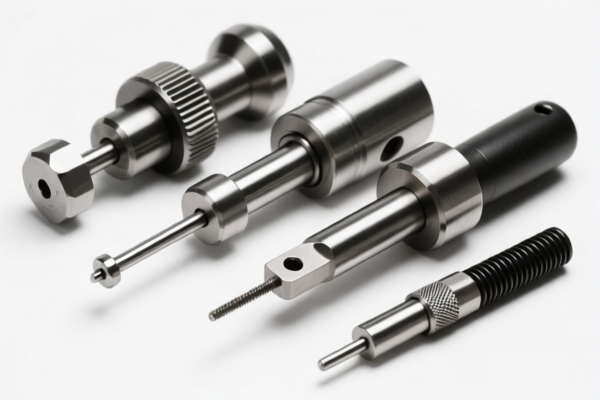
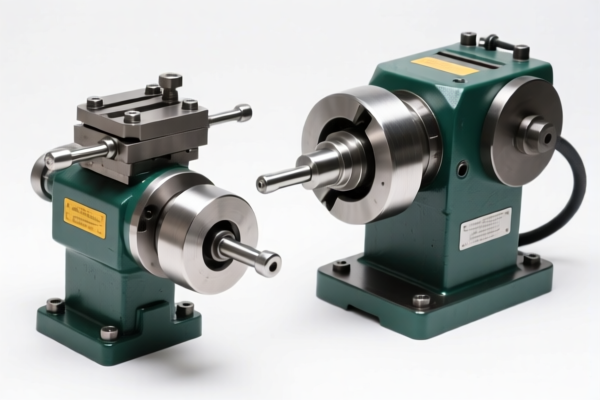
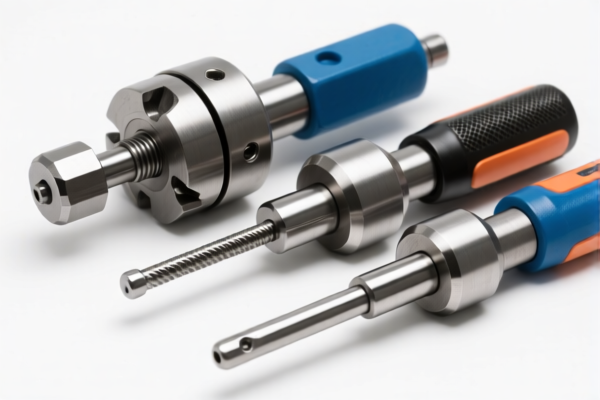
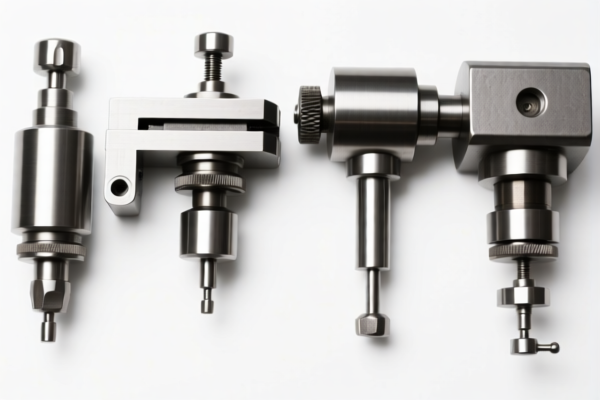
AI分析
🏭 Machinery with Separate Functions Not Listed Elsewhere
🌐 HS Code Reference & Clearance Guide | 2026 Latest Tariff Analysis | Professional Customs Strategy
📌 I. Product Definition & Classification: What Exactly Is "Machinery with Separate Functions"?
"Machinery with separate functions not listed elsewhere" refers to mechanical devices or apparatuses that possess a specific, independent operational purpose but do not fit into the specific descriptions provided in other chapters of the Harmonized System (HS). These are typically standalone mechanical units that are not electrically powered (or if they are, their primary function is mechanical rather than electrical) and are not covered by more specific headings like motors, pumps, or lifting equipment.
Key Characteristics: * Independent Function: The machine performs a distinct mechanical task (e.g., mixing, cutting, assembling, filtering) on its own. * "Not Elsewhere Specified" (N.E.S.): It does not match the specific criteria of chapters like 8401-8478 more precisely. * Non-Electric vs. Electric: If the primary function is mechanical, it usually falls under Chapter 84. If it relies heavily on electronic control for its primary function, it might fall under Chapter 85 or 90.
⚠️ Critical Distinction Point:
- If the machine is purely mechanical (gears, levers, hydraulics) → Chapter 84
- If the machine is electrical with independent function → Chapter 85 or Chapter 90
- If the machine is an instrument/device with independent function → Chapter 90
📦 II. HS Code Classification Details (2026 Latest Tariff Authority Comparison)
Based on the provided data, here are the specific HS Codes for machinery/instruments with separate functions, categorized by their nature:
| HS Code | Product Description | Applicable Scenario | Primary Function Type | Total Tax Rate |
|---|---|---|---|---|
8479.89.65.00 |
Machinery and mechanical appliances having individual functions, not specified or included elsewhere in this Chapter | Mechanical devices, industrial robots, specific mechanical assemblies | ✅ Mechanical | 20.3% |
8479.89.95.99 |
Other machinery and mechanical appliances having individual functions, not specified or included elsewhere in this Chapter | General industrial machinery, non-specific mechanical apparatus | ✅ Mechanical | 87.5% |
8543.90.88.85 |
Electrical machinery and equipment having individual functions, not specified or included elsewhere in this Chapter | Standalone electrical units, signal generators, specific electrical apparatus | ✅ Electrical | 85.0% |
8543.10.00.00 |
Electrical machinery and equipment having individual functions, not specified or included elsewhere in this Chapter | Specific electrical machines, power conversion devices | ✅ Electrical | 36.9% |
9032.89.60.85 |
Other instruments and apparatus for physical or chemical analysis, not specified or included elsewhere in this Chapter | Sensing devices, control instruments, monitoring apparatus | ✅ Instrumental | 36.7% |
9032.89.60.75 |
Other instruments and apparatus for physical or chemical analysis, not specified or included elsewhere in this Chapter | Precision instruments, feedback control systems | ✅ Instrumental | 36.7% |
🔍 Key Reminder:
- Chapter 84 (8479) covers mechanical machines.
- Chapter 85 (8543) covers electrical machines.
- Chapter 90 (9032) covers instruments/apparatus (often involving sensing, measuring, or controlling).
- The classification depends on the primary function and technical description.
💰 III. 2026 Latest Tariff Rate Details (Including Additional Taxes, Policy Add-ons)
✅ Applicable Country: United States (US)
✅ Country of Origin: China (CN)
✅ Effective Time: Current rates apply to imports from China.
🎯 1. 8479.89.65.00 – Machinery (Mechanical, N.E.S.)
| Item | Content |
|---|---|
| Base Duty Rate | 2.8% (Ad Valorem) |
| Section 301 Additional Duty | +7.5% |
| Section 122 Duty (Steel/Aluminum/Copper) | N/A (Not applicable unless specific material criteria met, see note below) |
| Total Effective Tax Rate | 20.3% |
| Tax Calculation | CIF Value × 20.3% |
| De Minimis Exemption | ❌ Not Eligible (Section 301 duties apply) |
| Legal Basis Path | USITC:8479.89.65.00 → Section 301:7.5% → Base:2.8% |
📌 Explanation:
- This is one of the more favorable rates for "machinery with separate functions" because it avoids the steepest additional tariffs.
- The 7.5% is part of the Section 301 tariff list (List 3 or 4 adjustments).
- No Section 122 (50% steel/aluminum/copper tariff) applies here unless the product is specifically a steel/aluminum/copper article defined under that rule.
🎯 2. 8479.89.95.99 – Other Machinery (Mechanical, N.E.S.)
| Item | Content |
|---|---|
| Base Duty Rate | 2.5% |
| Section 301 Additional Duty | +25.0% |
| Section 122 Duty (Steel/Aluminum/Copper) | +50.0% (If applicable) |
| Total Effective Tax Rate | 87.5% (Standard) / 105.0% (If Section 122 applies) |
| Tax Calculation | CIF Value × 87.5% (or 105.0%) |
| De Minimis Exemption | ❌ Not Eligible |
| Legal Basis Path | USITC:8479.89.95.99 → Section 301:25% → Base:2.5% → Section 122:50% (if material-specific) |
📌 Warning:
- This code carries a very high tariff. The 25% Section 301 duty is significant.
- Section 122 (10% statutory + 50% additional) applies if the product is a steel, aluminum, or copper article. This can push the total to 105%.
- Avoid this code if possible by refining your product description to a more specific subheading (like8479.89.65.00).
🎯 3. 8543.90.88.85 – Electrical Machinery (N.E.S.)
| Item | Content |
|---|---|
| Base Duty Rate | 0.0% |
| Section 301 Additional Duty | +25.0% |
| Section 122 Duty (Steel/Aluminum/Copper) | +50.0% (If applicable) |
| Total Effective Tax Rate | 85.0% (Standard) / 100.0% (If Section 122 applies) |
| Tax Calculation | CIF Value × 85.0% (or 100.0%) |
| De Minimis Exemption | ❌ Not Eligible |
| Legal Basis Path | USITC:8543.90.88.85 → Section 301:25% → Base:0% → Section 122:50% (if material-specific) |
📌 Explanation:
- Although the base duty is 0%, the 25% Section 301 duty makes it expensive.
- Section 122 can add another 50%, making this a very costly classification for steel/aluminum/copper electrical machines.
🎯 4. 8543.10.00.00 – Specific Electrical Machinery
| Item | Content |
|---|---|
| Base Duty Rate | 1.9% |
| Section 301 Additional Duty | +25.0% |
| Section 122 Duty (Steel/Aluminum/Copper) | N/A (Usually not applicable to this subheading) |
| Total Effective Tax Rate | 36.9% |
| Tax Calculation | CIF Value × 36.9% |
| De Minimis Exemption | ❌ Not Eligible |
| Legal Basis Path | USITC:8543.10.00.00 → Section 301:25% → Base:1.9% |
📌 Note:
- This is a moderate rate. It is lower than the "Other" electrical machinery code (8543.90.88.85) because it may cover a more specific type of electrical machine that has a lower base duty and avoids some Section 301 escalations.
🎯 5. 9032.89.60.85 & 9032.89.60.75 – Instruments/Devices
| Item | Content |
|---|---|
| Base Duty Rate | 1.7% |
| Section 301 Additional Duty | +25.0% |
| Section 122 Duty (Steel/Aluminum/Copper) | N/A |
| Total Effective Tax Rate | 36.7% |
| Tax Calculation | CIF Value × 36.7% |
| De Minimis Exemption | ❌ Not Eligible |
| Legal Basis Path | USITC:9032.89.60.xx → Section 301:25% → Base:1.7% |
📌 Note:
- These codes cover instruments and apparatus (e.g., sensors, controllers).
- The rate is 36.7%, which is moderate.
- Crucial: Ensure your product is truly an "instrument" (involving measurement, control, or analysis) and not just a "machine." Misclassification can lead to penalties.
🛠️ IV. Customs Clearance Practical Advice (Real-World Pitfall Guide)
✅ 1. Document Checklist (Essential)
| Document | Required | Explanation |
|---|---|---|
| ✅ Product Specifications | ✔️ | Detailed technical sheet: dimensions, power, weight, function. |
| ✅ Circuit Diagrams / Mechanical Drawings | ✔️ | To prove if the primary function is mechanical (84) or electrical (85/90). |
| ✅ Product Photos | ✔️ | Clear images of the product, nameplate, and connections. |
| ✅ Third-Party Test Reports | ✔️ | FCC, CE, UL (if applicable) to prove compliance and function. |
| ✅ Commercial Invoice | ✔️ | Must clearly state "Machinery with Independent Function" and not just "Machine." |
| ✅ Bill of Lading | ✔️ | Consistent with invoice description. |
✅ 2. Declaration Tips (Key Rules)
🔥 "Define Function First, Then Pick Code!"
| Scenario | Correct HS Code | Wrong Practice |
|---|---|---|
| Mechanical mixer, no electronics | 8479.89.65.00 (20.3%) |
Misdeclare as electrical → 36.9%+ |
| Electric signal generator | 8543.10.00.00 (36.9%) |
Misdeclare as mechanical → 87.5%+ |
| Temperature control device | 9032.89.60.85 (36.7%) |
Misdeclare as machine → 85%+ |
| Steel-based mechanical press | 8479.89.95.99 (87.5% or 105%) |
High Risk! Try to find a more specific code. |
✅ 3. Special Case Handling
| Situation | Handling Advice |
|---|---|
| Hybrid Machine (Electrical + Mechanical) | If the electrical control is the primary function, classify under 85 or 90. If mechanical action is primary, classify under 84. |
| Product contains Steel/Aluminum | Check Section 122 rules. If it’s a steel/aluminum article, add 50% duty. This can make any code >85%. |
| Custom Device (N.E.S.) | Provide detailed function description. Customs may reclassify if "not elsewhere specified" is not convincing. |
| Components vs. Finished Machine | If sold as parts, classify under parts headings. If assembled, classify as machine. |
🌍 V. Global Market Comparison (2026 Latest)
| Country/Region | Recommended HS Code | Tariff (China Origin) | Certification | Notes |
|---|---|---|---|---|
| 🇺🇸 USA | 8479.89.65.00 |
20.3% | FCC + UL | Avoid 8479.89.95.99 (87.5%+) due to Section 301 & 122. |
| 🇨🇳 China | 8479.89.65.00 |
2.8% | CCC | No additional tariffs. |
| 🇪🇺 EU | 8479.89.65.00 |
0-2% | CE | No Section 301/122. |
| 🇯🇵 Japan | 8479.89.65.00 |
0-2% | PSE | Low tariffs, high quality standards. |
📌 Conclusion:
- USA is the most expensive market due to Section 301 and Section 122 tariffs.
- Optimize HS Code to avoid "Not Elsewhere Specified" codes with high additional duties (8479.89.95.99,8543.90.88.85).
- Prefer8479.89.65.00if mechanically focused, as it has the lowest total tariff (20.3%) among the options.
📌 VI. Common Mistakes & Pitfalls (Lessons Learned)
❌ Mistake 1: Declaring a steel mechanical press under 8479.89.95.99
👉 Consequence: 87.5% + 50% (Section 122) = 137.5% Tax!
Fix: Check if it fits a more specific machine code or if it can be classified under a different chapter to avoid Section 122.
❌ Mistake 2: Declaring an electrical sensor under 8479.89.65.00
👉 Consequence: Customs may reclassify to 9032.89.60.85 (36.7%) or demand proof of mechanical function.
Fix: Ensure the primary function is mechanical. If it’s a sensor/control device, use Chapter 90.
❌ Mistake 3: Ignoring Section 122 for steel/aluminum products
👉 Consequence: Missing 50% additional duty → Underpayment & Penalties.
Fix: Always check material composition. If steel/aluminum, calculate Section 122 impact.
🎯 VII. Conclusion: Precise Classification Saves Money!
🎯 Remember the Golden Rules:
🔹 "Mechanical? Aim for 20.3% (
8479.89.65.00)."
🔹 "Electrical? Aim for 36.9% (8543.10.00.00)."
🔹 "Instrument? Aim for 36.7% (9032.89.60.85)."
🔹 "Avoid 'Other' codes (8479.89.95.99,8543.90.88.85) due to high 25%+ Section 301 tariffs."
🔹 "Check Section 122 for Steel/Aluminum – 50% can make or break your profit!"
📌 Pro Tip:
If your product is complex, apply for an Advance Ruling from U.S. Customs and Border Protection (CBP). This provides legal certainty on the HS Code and applicable tariffs before shipment.
📣 Immediate Action:
📞 Contact a professional customs broker + Provide product specs + Pre-classify HS Code
🚀 Ensure smooth clearance, avoid unexpected 87.5%+ taxes, and protect your margins!
✨ Professional Customs Clearance Starts with Accurate Classification!
💼 Your Cost, Calculated Precisely!
用户评价
关于 HS 编码归类
协调制度(HS)是由世界海关组织(WCO)制定的国际贸易商品分类标准。全球 200 多个国家采用 HS 系统作为海关关税、贸易统计和进出口监管的基础。
每个 HS 编码遵循以下层级结构:
- 章(2 位)——商品大类(例如:第 84 章:机器和机械设备)
- 品目(4 位)——章内的更具体分类
- 子目(6 位)——国际通用细分,所有 WCO 成员国统一使用
- 本国细分(8-10 位)——各国自行扩展的细分编码,如美国 HTSUS 10 位编码
正确的 HS 编码归类对于顺利通关、准确缴纳关税和遵守贸易法规至关重要。错误归类可能导致海关延误、多缴关税或罚款。
从CN进口到US时,适用的关税税率可能包括:
- 最惠国(MFN)税率——适用于 WTO 成员国的标准关税税率
- 普通税率——适用于无贸易协定国家
- 贸易救济关税——附加关税,如 301 条款(反倾销)、232 条款(国家安全)或反补贴税
本页内容仅供参考。如需正式归类,请咨询当地海关或持牌报关代理。