magnesia based refractory castable
CN → US| HS编码 | 关税税率 | 原产国 | 目的国 | 文档 |
|---|---|---|---|---|
| 6902101000 | 35.0% | CN | US | 官方文档 |
| 6903900050 | 35.0% | CN | US | 官方文档 |
| 3816002050 | 38.0% | CN | US | 官方文档 |
| 3816001000 | 35.0% | CN | US | 官方文档 |
| 6902105000 | 35.0% | CN | US | 官方文档 |
商品图片
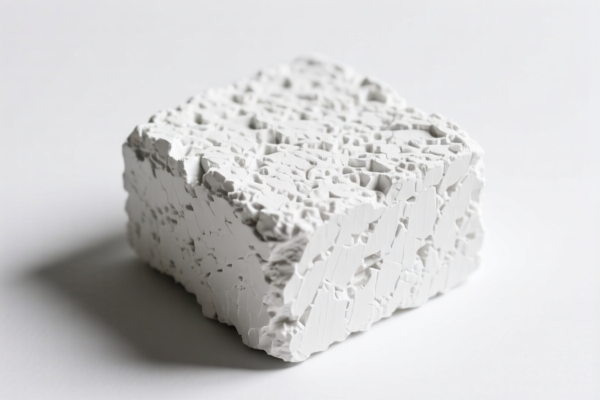
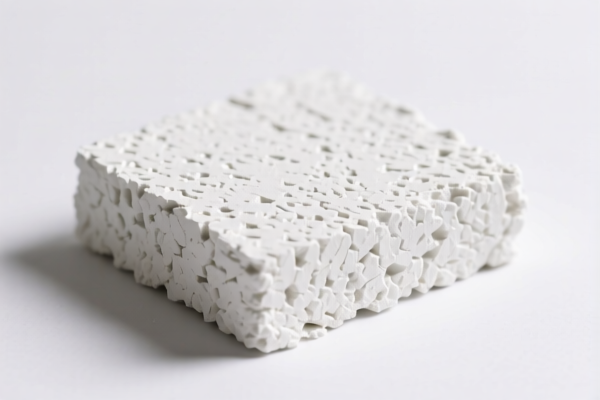
AI分析
🔥 Magnesia-Based Refractory Castable: HS Code Classification & US Customs Clearance Guide
🌐 HS Code Reference & Clearance Strategy | 2026 Latest Tariff Analysis | Professional Logistics Solutions 📌 I. Product Definition: What Exactly is "Magnesia-Based Refractory Castable"?
Magnesia-based refractory castables are high-temperature resistant unshaped refractory materials composed primarily of Magnesium Oxide (MgO) as the main aggregate and binder, mixed with additives and water (or other liquid binders) to form a plastic mixture that hardens after curing or firing.
In international trade, these materials are not classified as a single entity. Their classification depends heavily on their physical state, chemical composition, and intended application. The U.S. Customs and Border Protection (CBP) distinguishes between them based on whether they are: 1. Ceramic Products (Chapter 69): Specifically shaped or defined as ceramic structures. 2. Chemical Preparations/Cements (Chapter 38): Defined as mortar, concrete, or cement-like mixtures.
⚠️ Critical Distinction Point: - If the product is explicitly described as a "Refractory Ceramic" or "Building Product" with specific ceramic properties → It falls under HS Code 6902.10. - If the product is described as a "Cement," "Mortar," or "Concrete" mixture (even if refractory) → It may fall under HS Code 3816.00. - Why it matters: The tax rates differ significantly due to the "Section 301" and "122 Clause" tariffs, and the base tariff rate varies (0% vs 3%).
📦 II. HS Code Classification Details (2026 Latest Tariff Authority)
Based on the provided data, here are the five possible HS codes for Magnesia-based Refractory Castables, sorted by logical grouping:
| HS Code | Product Description | Scenario / Application | Key Classification Criteria |
|---|---|---|---|
| 6902.10.10.00 | Magnesia Refractory Castable | Refractory ceramic building products; Magnesia material | Ceramic Classification: Explicitly defined as "Refractory Ceramic Building Product" with Magnesia material. |
| 6902.10.50.00 | Magnesia Refractory Castable | Refractory ceramic building products; High MgO content | Ceramic Classification: Similar to above, but highlights "Magnesium Element Content Compliance." |
| 6903.90.00.50 | Magnesia Refractory Castable | Other refractory ceramic goods; Non-clay based | Other Ceramics: Classified as "Other Refractory Ceramic Products" (not primarily clay), Magnesia-based. |
| 3816.00.10.00 | Magnesia Refractory Castable | Refractory materials; Castable form | Chemical/Cement Category: Defined as "Refractory Material" in castable form, falling under chemical preparations. |
| 3816.00.20.50 | Magnesia Refractory Castable | Refractory cement, mortar, concrete; Other | Cement/Mortar Category: Defined as "Refractory Cement, Mortar, or Concrete." HIGHEST TAX BRACKET. |
🔍 Key Insight: - Codes 6902.10.xxxxx and 6903.90.00.50 are generally Lower Tax (Base 0%). - Code 3816.00.20.50 is Higher Tax (Base 3%). - All codes listed below are subject to significant US import tariffs.
💰 III. 2026 Latest Tariff Rate Breakdown (US Imports from China)
✅ Applicable Country: United States (US) ✅ Origin: China (CN) ✅ Effective Date: Current rates apply (Section 301 + 122 Clause)
🎯 1. Low Tax Bracket: Codes 6902.10.10.00, 6902.10.50.00, 6903.90.00.50
These codes benefit from a 0% Base Tariff but are heavily penalized by US trade actions.
| Item | Rate | Details |
|---|---|---|
| Base Tariff | 0.0% | MFN (Most Favored Nation) rate for these ceramic categories. |
| Section 301 Tariff | +25.0% | Additional duty on Chinese goods under Trade Act of 1974, Section 301. |
| 122 Clause Tariff | +10.0% | Additional duty under Section 122 of the Trade Act of 1974 (or specific executive orders). |
| Total Tax Rate | 35.0% | 0% + 25% + 10% |
| Tax Calculation | CIF Value × 35% |
|
| De Minimis Exemption | ❌ NO | Packages under $800 are NOT exempt from Section 301/122 tariffs. |
| Legal Reference Path | USITC: 6902.10.10.00 → Footnote: Section 301 → Section 122 |
📌 Explanation: - Although the base tariff is 0%, the 35% effective rate is substantial. - This classification applies if you argue the product is a "Refractory Ceramic" (Chapter 69). - Strategy: Use this classification if your product technical data sheets emphasize "Ceramic Structure," "Fired Properties," or "Refractory Ceramic Brick/Lining" analogies.
🎯 2. High Tax Bracket: Code 3816.00.10.00
Similar to the above, but note the description alignment.
| Item | Rate | Details |
|---|---|---|
| Base Tariff | 0.0% | For specific refractory material preparations. |
| Section 301 Tariff | +25.0% | Standard Section 301 duty. |
| 122 Clause Tariff | +10.0% | Standard 122 Clause duty. |
| Total Tax Rate | 35.0% | 0% + 25% + 10% |
| Tax Calculation | CIF Value × 35% |
📌 Note: This code is often used when the product is strictly defined as a "Refractory Material" without the "Cement/Mortar" label.
🎯 3. Highest Tax Bracket: Code 3816.00.20.50
⚠️ Warning: This code attracts the highest base tariff.
| Item | Rate | Details |
|---|---|---|
| Base Tariff | 3.0% | Ad valorem rate for "Other refractory cement, mortar, and concrete." |
| Section 301 Tariff | +25.0% | Standard Section 301 duty. |
| 122 Clause Tariff | +10.0% | Standard 122 Clause duty. |
| Total Tax Rate | 38.0% | 3% + 25% + 10% |
| Tax Calculation | CIF Value × 38% |
|
| De Minimis Exemption | ❌ NO | Not exempt. |
| Legal Reference Path | USITC: 3816.00.20.50 → Footnote: Section 301 → Section 122 |
📌 Explanation: - If your product description uses words like "Cement," "Mortar," or "Concrete," customs may automatically assign this code. - The 3% base duty adds an extra cost compared to the 0% base of ceramic codes. - Avoid this classification if possible, unless your product is indistinguishable from standard refractory mortar.
🛠️ IV. Customs Clearance Practical Advice (Real-World Pitfalls)
✅ 1. Document Preparation Checklist (Non-Negotiable)
| Document | Required? | Notes |
|---|---|---|
| Technical Data Sheet (TDS) | ✔️ | Must specify MgO content %, Binder type, Temperature Resistance. |
| Product Photo (Packaging) | ✔️ | Show label, brand, and batch number. |
| Commercial Invoice | ✔️ | Description must be precise (e.g., "Magnesia Refractory Castable," NOT just "Cement"). |
| Packing List | ✔️ | Net/Gross weight, number of bags. |
| Certificate of Origin | ✔️ | Prove Chinese origin to confirm tariff applicability. |
| Material Safety Data Sheet (MSD S) | ✔️ | Required for hazardous material check (though refractories are usually non-hazardous). |
✅ 2. Classification Strategy (Key Mantra)
🔥 "Ceramic = 0% Base, Mortar = 3% Base. Choose Wisely!"
| Scenario | Recommended HS Code | Risk Level |
|---|---|---|
| Product marketed as "Refractory Brick Substitute" or "Ceramic Lining" | 6902.10.10.00 or 6902.10.50.00 |
🟢 Low Tax (35% Total) |
| Product marketed as "Refractory Cement" or "Refractory Mortar" | 3816.00.20.50 |
🔴 High Tax (38% Total) |
| Product is a "Dry Mix" with no specific ceramic structure claim | 6903.90.00.50 or 3816.00.10.00 |
🟡 Medium Risk (Depends on CBP Interpretation) |
⚠️ Critical Tip: - Do NOT use the word "Cement" or "Concrete" in your commercial invoice unless you are prepared for the 38% rate. - Use terms like "Refractory Castable," "Refractory Mix," or "Refractory Ceramic Aggregate" to support the 6902/6903 classification.
✅ 3. Special Considerations for US Customs
| Issue | Solution |
|---|---|
| Section 301/122 Exclusions | ❌ None Available. Most refractory castables from China are excluded from de minimis and subject to full tariffs. |
| Misclassification Risk | High. CBP may reclassify "Castable" as "Mortar" (3816) if the description is vague. Provide TDS! |
| Valuation | Ensure CIF value includes freight and insurance. Tariffs are calculated on CIF. |
| Pre-Ruling | 📝 Strongly Recommended. Apply for a Binding Tariff Ruling from US CBP to lock in the HS Code and avoid future disputes. |
🌍 V. Global Market Comparison (2026)
| Country/Region | Recommended HS Code | Estimated Total Tax (China Origin) | Notes |
|---|---|---|---|
| 🇺🇸 United States | 6902.10.10.00 / 6902.10.50.00 |
35% | Base 0% + 25% (301) + 10% (122) |
| 🇺🇸 United States | 3816.00.20.50 |
38% | Base 3% + 25% (301) + 10% (122) |
| 🇨🇳 China | 6902.10.10.00 |
~5-10% | Export VAT refund applies. No Section 301. |
| 🇪🇺 European Union | 6902.10.10 |
~6.5% | No Section 301. Standard MFN duty. |
| 🇯🇵 Japan | 6902.10.10 |
~5-8% | Depends on JETRO classification. |
📌 Conclusion: - The US market is the most expensive due to Section 301 and 122 tariffs. - European and Japanese markets are significantly more favorable. - For US imports, accurate classification under Chapter 69 (Ceramics) is crucial to avoid the extra 3% base duty of Chapter 38.
📌 VI. Common Errors & Pitfalls (Lessons Learned)
❌ Error 1: Using "Refractory Cement" in the invoice description.
👉 Result: CBP assigns 3816.00.20.50 → 38% Tax instead of 35%.
👉 Fix: Use "Magnesia Refractory Castable."
❌ Error 2: Assuming de minimis ($800) exemption applies. 👉 Result: Packages under $800 are still taxed for Section 301/122 goods. 👉 Fix: Budget for 35-38% tax even for small samples.
❌ Error 3: Missing Technical Data Sheet (TDS). 👉 Result: CBP cannot verify MgO content or ceramic nature → Delays, audits, or forced reclassification. 👉 Fix: Always attach TDS showing "Refractory Ceramic" properties.
🎯 VII. Conclusion: Professional Classification Saves Money!
🎯 Key Takeaways:
🔹 "Ceramic" = 0% Base, "Mortar" = 3% Base. Always argue for Chapter 69 if possible. 🔹 Total US Tax is 35% or 38%. No exemptions for China-origin goods. 🔹 Avoid the word "Cement" in documentation unless you want the higher tax. 🔹 Apply for a Pre-Ruling to lock in the 35% rate and avoid surprise audits.
📌 Pro Tip:
If your castable contains high-purity Magnesia (MgO > 90%), ensure your TDS highlights this to support the 6902.10.50.00 classification, which is often viewed more favorably as a "Specialty Ceramic" than a generic "Refractory Mortar."
📣 Immediate Action:
📞 Contact a US Customs Broker with your Technical Data Sheet. 📄 Request a Binding Tariff Ruling from US CBP. 🚀 Optimize your invoice description to "Magnesia Refractory Castable" → Save 3% Base Duty + Reduce Audit Risk.
✨ Professional Clearance Starts with Precise Classification! 💼 Every 1% of Tax Savings Equals 1% More Profit!
用户评价
关于 HS 编码归类
协调制度(HS)是由世界海关组织(WCO)制定的国际贸易商品分类标准。全球 200 多个国家采用 HS 系统作为海关关税、贸易统计和进出口监管的基础。
每个 HS 编码遵循以下层级结构:
- 章(2 位)——商品大类(例如:第 84 章:机器和机械设备)
- 品目(4 位)——章内的更具体分类
- 子目(6 位)——国际通用细分,所有 WCO 成员国统一使用
- 本国细分(8-10 位)——各国自行扩展的细分编码,如美国 HTSUS 10 位编码
正确的 HS 编码归类对于顺利通关、准确缴纳关税和遵守贸易法规至关重要。错误归类可能导致海关延误、多缴关税或罚款。
从CN进口到US时,适用的关税税率可能包括:
- 最惠国(MFN)税率——适用于 WTO 成员国的标准关税税率
- 普通税率——适用于无贸易协定国家
- 贸易救济关税——附加关税,如 301 条款(反倾销)、232 条款(国家安全)或反补贴税
本页内容仅供参考。如需正式归类,请咨询当地海关或持牌报关代理。