map box
CN → US| HS编码 | 关税税率 | 原产国 | 目的国 | 文档 |
|---|---|---|---|---|
| 3926901000 | 20.9% | CN | US | 官方文档 |
| 3926909989 | 22.8% | CN | US | 官方文档 |
| 4202929336 | 52.6% | CN | US | 官方文档 |
| 4820300040 | 35.0% | CN | US | 官方文档 |
商品图片
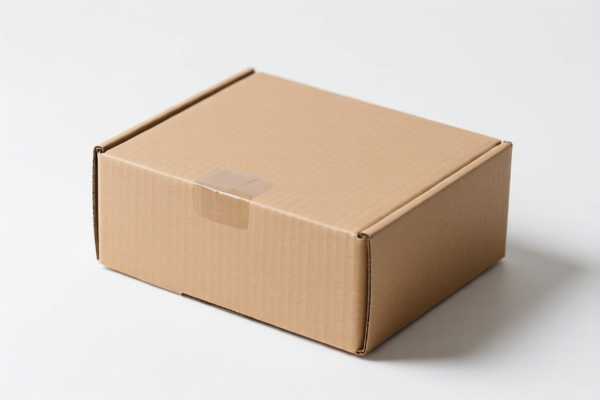
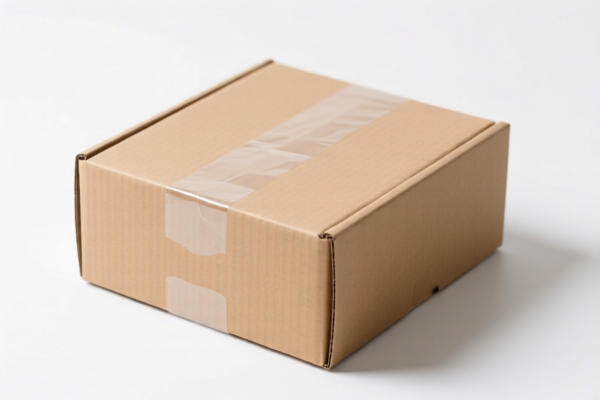
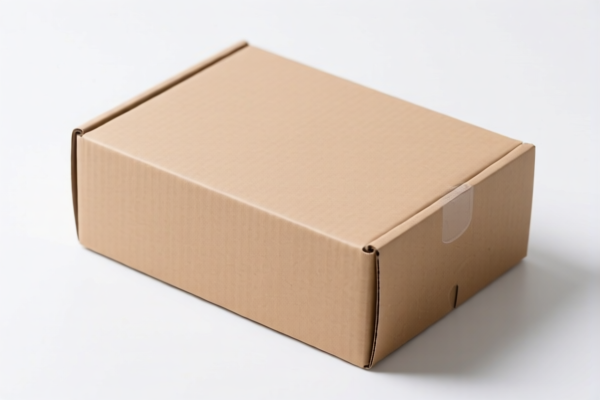
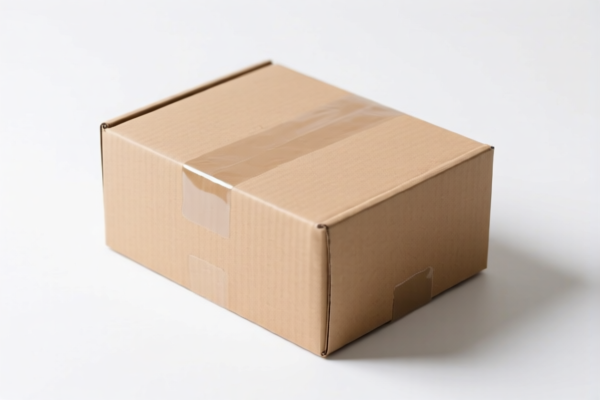
AI分析
📦 Map Box (Map Cases / Map Folders)
🌐 HS Code Reference & Customs Clearance Guide | 2026 Latest Tariff Analysis | Professional Clearance Strategy
📌 I. Product Definition & Classification: Do You Really Understand "Map Boxes"?
A Map Box (often referred to as a map case, map folder, or portfolio) is a specialized container designed to hold, protect, and transport large-format documents, blueprints, charts, or maps. In international trade, these items are classified based on their material composition and structural form.
Key Classification Criteria: * Plastic/Composite Materials: Rigid or semi-rigid containers made primarily of plastic, vinyl, or synthetic composites → Classified under Chapter 39. * Textile/Laminated Materials: Soft-sided cases, often with fabric interiors or laminated plastic exteriors → Classified under Chapter 42. * Paper/Cardboard: Rigid folders, sleeves, or boxes made entirely of paper, cardboard, or pulp → Classified under Chapter 48.
⚠️ Critical Distinction:
- If the item is a rigid container (like a tub or box) made of plastic → HS Code 3926.
- If it is a soft case/folder with textile elements or plastic sheeting laminated to fabric → HS Code 4202.
- If it is purely paper-based (like a file folder or cardboard sleeve) → HS Code 4820.
📦 II. HS Code Classification Details (2026 Latest Tariff Authority Match)
| HS Code | Product Description | Applicable Scenario | Primary Material |
|---|---|---|---|
3926.90.10.00 |
Other articles of plastics and articles of other materials of headings 3901 to 3914: Plastic map cases/boxes | Rigid plastic map boxes, plastic-coated map holders | ✅ Plastic |
3926.90.99.89 |
Other塑料制品 (Plastic articles): General plastic containers not specifically excluded | General plastic map folders/cases not falling under more specific plastic subcategories | ✅ Plastic |
4202.92.93.36 |
Other articles of apparel and clothing accessories, not elsewhere specified or included: Textile/Plastic sheeting containers | Soft-sided map cases, fabric-lined map holders, plastic-laminated textile folders | ✅ Textile/Plastic Composite |
4820.30.00.40 |
Notebooks, account books, letter pads, memorandum pads, diaries and similar articles: Paper/Cardboard map folders | Paper-based map sleeves, cardboard map cases, file folders for maps | ✅ Paper/Cardboard |
🔍 Key Reminder:
- Plastic Rigid Boxes: Must be classified under Chapter 39. Do not misclassify as "furniture" or "accessories." - Textile/Composite Cases: If the outer layer is textile or plastic-laminated fabric, it falls under Chapter 42. This is a common trap, as many "plastic" map cases are actually laminated fabric. - Paper Folders: Purely paper-based map holders fall under Chapter 48. These are often lower in duty but highly susceptible to misclassification as plastic if they have plastic coatings.
💰 III. 2026 Latest Tariff Rate Details (Including Surtaxes & Policy Additions)
✅ Applicable Country: United States (US)
✅ Country of Origin: China (CN)
✅ Effective Date: 2025年11月10日起 (Including subsequent imports)
🎯 1. 3926.90.10.00 —— Plastic Map Boxes/Cases
| Item | Content |
|---|---|
| Base Duty Rate | 3.4% |
| Section 301 Surcharge | 7.5% |
| Section 122 Tariff | 10% |
| Total Duty Rate | 20.9% |
| Tax Calculation | CIF Value × 20.9% |
| De Minimis Exemption? | ❌ Not Applicable |
| Legal Basis Path | Base: 3926.90.10.00 → Section 301: +7.5% → Section 122: +10% |
📌 Explanation:
- Base Duty (3.4%): Standard MFN rate for other plastic articles. - Section 301 (7.5%): Additional duty under U.S. Trade Law Section 301 for Chinese-origin plastic goods. - Section 122 (10%): Additional tariff under Section 122 of the Trade Expansion Act for imports affecting national security/economy. - Total: 20.9%. This is a moderate-high duty rate.
🎯 2. 3926.90.99.89 —— Other Plastic Map Containers (General)
| Item | Content |
|---|---|
| Base Duty Rate | 5.3% |
| Section 301 Surcharge | 7.5% |
| Section 122 Tariff | 10% |
| Total Duty Rate | 22.8% |
| Tax Calculation | CIF Value × 22.8% |
| De Minimis Exemption? | ❌ Not Applicable |
| Legal Basis Path | Base: 3926.90.99.89 → Section 301: +7.5% → Section 122: +10% |
📌 Note:
- This code is a "catch-all" for plastic articles not specified elsewhere. - The base duty is higher than3926.90.10.00(5.3% vs 3.4%), leading to a higher total duty (22.8%). - Ensure your product description aligns with3926.90.10.00if it fits, to save 1.9%.
🎯 3. 4202.92.93.36 —— Textile/Plastic Composite Map Cases
| Item | Content |
|---|---|
| Base Duty Rate | 17.6% |
| Section 301 Surcharge | 25.0% |
| Section 122 Tariff | 10% |
| Total Duty Rate | 52.6% |
| Tax Calculation | CIF Value × 52.6% |
| De Minimis Exemption? | ❌ Not Applicable |
| Legal Basis Path | Base: 4202.92.93.36 → Section 301: +25% → Section 122: +10% |
📌 Critical Warning:
- This is a high-risk code for cost control. - Section 301 Surcharge is 25% (standard for many textile/apparel-related imports). - Total Duty: 52.6%. This is extremely high. If your product is made of plastic, do not classify it here unless it is definitively a textile article. Misclassification can lead to massive back-taxes.
🎯 4. 4820.30.00.40 —— Paper/Cardboard Map Folders
| Item | Content |
|---|---|
| Base Duty Rate | 0.0% |
| Section 301 Surcharge | 25.0% |
| Section 122 Tariff | 10% |
| Total Duty Rate | 35.0% |
| Tax Calculation | CIF Value × 35.0% |
| De Minimis Exemption? | ❌ Not Applicable |
| Legal Basis Path | Base: 4820.30.00.40 → Section 301: +25% → Section 122: +10% |
📌 Note:
- Base Duty is 0%, which is attractive. - However, Section 301 Surcharge is 25%, significantly increasing the total cost. - Total Duty: 35.0%. While lower than the textile composite option, it is still higher than the plastic box option (20.9%). - Use this only if the product is strictly paper/cardboard with no structural plastic components.
🛠️ IV. Customs Clearance Practical Advice (Expert Pitfall Avoidance)
✅ 1. Preparation Checklist (No Exceptions)
| Document | Required | Notes |
|---|---|---|
| ✅ Product Specification Sheet | ✔️ | Must clearly state material composition (e.g., "100% Polypropylene" or "Canvas with PVC coating"). |
| ✅ Material Breakdown | ✔️ | Percentages of plastic, textile, paper, and metal parts. |
| ✅ Product Photos | ✔️ | Show exterior, interior, and any labels/tags. |
| ✅ Commercial Invoice | ✔️ | Use precise terminology: "Plastic Map Case" or "Paper Map Folder." Avoid vague terms like "Container." |
| ✅ Packing List | ✔️ | Detail contents, especially if mixed materials are present. |
| ✅ Origin Certificate | ✔️ | If applicable, to prove country of origin for duty calculations. |
✅ 2. Declaration Tips (Key Mantras)
🔥 "Material Defines Code, Don't Guess the Duty!"
| Scenario | Correct Declaration | Error Consequence |
|---|---|---|
| Rigid Plastic Box | 3926.90.10.00 (20.9%) |
Misclassifying as Textile → 52.6% Tax |
| Laminated Fabric Case | 4202.92.93.36 (52.6%) |
Misclassifying as Plastic → 20.9% Tax (Risk of Audit) |
| Pure Paper Folder | 4820.30.00.40 (35.0%) |
Misclassifying as Plastic → 20.9% Tax (But might be rejected if not plastic) |
| Mixed Plastic/Paper | Likely 3926 or 4820 depending on essential character |
Ambiguous declaration → Delays & Seizures |
✅ 3. Special Cases Handling
| Scenario | Recommendation |
|---|---|
| Hybrid Materials | If the product has a plastic outer shell and fabric interior, it is likely Plastic (Ch 39) under GRI 3(b). |
| Waterproof Map Cases | Even if waterproof, if made of plastic, it stays in Ch 39. |
| Vintage/Collectible Map Cases | If made of leather or special materials, different codes may apply, but for mass-produced goods, stick to the above. |
| Samples | Even samples are subject to duty. Declare accurately. |
🌍 V. Global Market Comparison (2026 Latest)
| Country/Region | Recommended HS Code | Duty Rate (China Origin) | Notes |
|---|---|---|---|
| 🇺🇸 USA | 3926.90.10.00 |
20.9% | High Surtaxes apply. Best option if plastic. |
| 🇨🇳 China | 3926.90.10.00 |
5-8% | Lower duties. No Section 301/122. |
| 🇪🇺 EU | 3926.90.90 |
6.5% | No Section 301/122. Standard MFN. |
| 🇯🇵 Japan | 3926.90.00 |
0-8% | Varies by specific type. No Surtaxes. |
| 🇦🇺 Australia | 3926.90.00 |
5% | Lower duties. No Surtaxes. |
📌 Conclusion:
- The USA has the highest effective duty rate due to Section 301 and Section 122 surcharges. - Plastic (Ch 39) is the most cost-effective classification for import into the US (20.9% vs 35-52.6%). - If possible, design products as plastic containers to minimize duty costs.
📌 VI. Common Mistakes & Pitfalls (Lessons Learned)
❌ Mistake 1: Classifying a plastic map box as a "textile case" to avoid "plastic" scrutiny.
👉 Result: If found to be plastic, duty jumps from 52.6% to 20.9%? No, wait!
Correction: If it is plastic, it should be 20.9%. If you declare it as textile (4202) but it is plastic, you risk penalties for misclassification. If it is truly plastic, declaring it as plastic saves money (20.9% vs 52.6%).
Better Mistake: Declaring a plastic item as plastic (20.9%) vs textile (52.6%). Always choose the correct material.
❌ Mistake 2: Declaring a paper folder as plastic to get lower base duty.
👉 Result: Customs may reject the declaration if the item is not plastic. Even if accepted, it is a compliance risk. Paper folders are 35.0%, Plastic is 20.9%. Plastic is cheaper.
❌ Mistake 3: Ignoring Section 122 Tariff.
👉 Result: Missing the 10% surcharge leads to underpayment and audits.
❌ Mistake 4: Using vague terms like "Map Holder" without material specification.
👉 Result: Customs may assign a default code with higher duty or request additional info, causing delays.
✅ Correct Practice:
"Plastic Map Case, Rigid, Polypropylene, Clear Front, Black Back, Model XYZ"
"Paper Map Folder, Cardboard, 4-Fold, Model ABC"
🎯 VII. Conclusion: Professional Declaration, Cost Savings, Efficiency!
🎯 Remember the Mantra:
🔹 "Plastic is Best (20.9%), Paper is Middle (35.0%), Textile is Worst (52.6%)!"
🔹 "Material Truth Prevents Penalties!"
📌 Pro Tip:
If your product can be redesigned to use more plastic and less textile/paper, you can significantly reduce your duty burden when importing into the US.
Consider applying for an HTS Exclusion if applicable, though unlikely for standard map cases.
📣 Take Action Now:
📞 Consult with a licensed customs broker.
📤 Provide detailed material breakdowns.
🚀 Ensure accurate HS Code classification to optimize costs and ensure smooth clearance.
✨ Professional Clearance Starts with Accurate Classification!
💼 Every Dollar Saved is a Dollar Earned!
用户评价
关于 HS 编码归类
协调制度(HS)是由世界海关组织(WCO)制定的国际贸易商品分类标准。全球 200 多个国家采用 HS 系统作为海关关税、贸易统计和进出口监管的基础。
每个 HS 编码遵循以下层级结构:
- 章(2 位)——商品大类(例如:第 84 章:机器和机械设备)
- 品目(4 位)——章内的更具体分类
- 子目(6 位)——国际通用细分,所有 WCO 成员国统一使用
- 本国细分(8-10 位)——各国自行扩展的细分编码,如美国 HTSUS 10 位编码
正确的 HS 编码归类对于顺利通关、准确缴纳关税和遵守贸易法规至关重要。错误归类可能导致海关延误、多缴关税或罚款。
从CN进口到US时,适用的关税税率可能包括:
- 最惠国(MFN)税率——适用于 WTO 成员国的标准关税税率
- 普通税率——适用于无贸易协定国家
- 贸易救济关税——附加关税,如 301 条款(反倾销)、232 条款(国家安全)或反补贴税
本页内容仅供参考。如需正式归类,请咨询当地海关或持牌报关代理。